As global demographics shift, an increasing segment of the population is entering their later years, bringing with it a heightened focus on maintaining health, independence, and overall quality of life well into advanced age. A critical challenge faced by individuals over the age of sixty is sarcopenia, a progressive and generalized skeletal muscle disorder characterized by an accelerated loss of muscle mass and function. This condition is not merely an aesthetic concern; it significantly impacts physical strength, balance, mobility, and metabolic health, dramatically elevating the risk of falls, fractures, chronic diseases, and ultimately, a decline in autonomy. While regular physical activity, particularly resistance training, is undeniably foundational for preserving muscle tissue, the role of nutrition, specifically adequate and appropriate protein intake, is equally paramount and often underestimated.
The human body undergoes profound physiological changes with age, influencing how it processes and utilizes nutrients. One of the most significant changes affecting muscle health is "anabolic resistance." This phenomenon describes the reduced sensitivity of aging muscle cells to the anabolic stimuli, such as protein intake and exercise, that typically trigger muscle protein synthesis (MPS). Consequently, older adults require not only a higher total amount of protein but also specific types of protein, strategically consumed, to effectively stimulate muscle growth and counteract the age-related muscle deterioration. Tara Collingwood, MS, RDN, CSSD, LD/N, ACSM-CPT, a Board Certified Sports Dietitian and co-author of the Flat Belly Cookbook for Dummies, underscores this crucial shift in physiological needs, emphasizing that "after 60, the body becomes less responsive to protein, meaning slightly higher quality protein at each meal is needed to stimulate muscle growth and prevent age-related muscle loss." This necessitates a conscious and informed approach to dietary choices, prioritizing nutrient-dense foods rich in highly bioavailable protein and essential amino acids.

Understanding the unique nutritional demands of an aging body is the first step towards formulating an effective dietary strategy. The goal is not just to consume protein, but to optimize its quality, quantity, and distribution throughout the day to maximize its impact on muscle health. Here, we delve into several exemplary protein sources that are particularly beneficial for individuals over sixty, offering advantages that extend beyond their protein content.
Eggs: A Complete Nutritional Profile for Muscle Anabolism
Often referred to as nature’s perfect food, eggs stand out as an exceptionally convenient and effective protein source for older adults. Each egg contains all nine essential amino acids, making it a complete protein, which is vital for muscle repair and growth. Crucially, eggs are particularly rich in leucine, a branched-chain amino acid (BCAA) that acts as a primary signaling molecule to initiate muscle protein synthesis. This makes them highly effective in overcoming anabolic resistance. Beyond their robust protein contribution, eggs offer a wealth of other vital nutrients, including Vitamin D, which is essential for bone health and muscle function, Vitamin B12 for nerve function and energy metabolism, and choline, which supports brain health. Their soft texture and versatility make them easily chewable and digestible, a significant advantage for individuals who may experience dental issues or reduced appetite. From a simple scrambled breakfast to a hard-boiled addition to salads or a quick omelet for dinner, eggs integrate seamlessly into any meal plan, providing sustained satiety and muscle-building benefits.

Greek Yogurt: A Nutrient-Dense Dairy Powerhouse
Greek yogurt represents another outstanding dietary choice for enhancing muscle mass in later life, distinguishing itself with a significantly higher protein concentration compared to regular yogurt. This dense protein content is particularly advantageous for seniors who might have a diminished appetite or require a substantial protein boost without consuming large volumes of food. A typical serving of Greek yogurt can deliver around 15-20 grams of protein, often comprising a beneficial blend of whey and casein proteins. Whey protein is rapidly absorbed, providing an immediate surge of amino acids for muscle repair, while casein offers a slower, sustained release, supporting muscle anabolism over a longer period. Moreover, Greek yogurt is a rich source of calcium, a mineral indispensable for maintaining bone density, which is especially critical given the increased risk of osteoporosis and fractures in older adults. The presence of probiotics also contributes to a healthy gut microbiome, which can improve nutrient absorption and support overall immune function. Its smooth, creamy texture makes it highly palatable and easy to consume, whether enjoyed plain, mixed with fruits, or incorporated into smoothies.
Salmon: The Synergistic Benefits of Protein and Omega-3 Fatty Acids

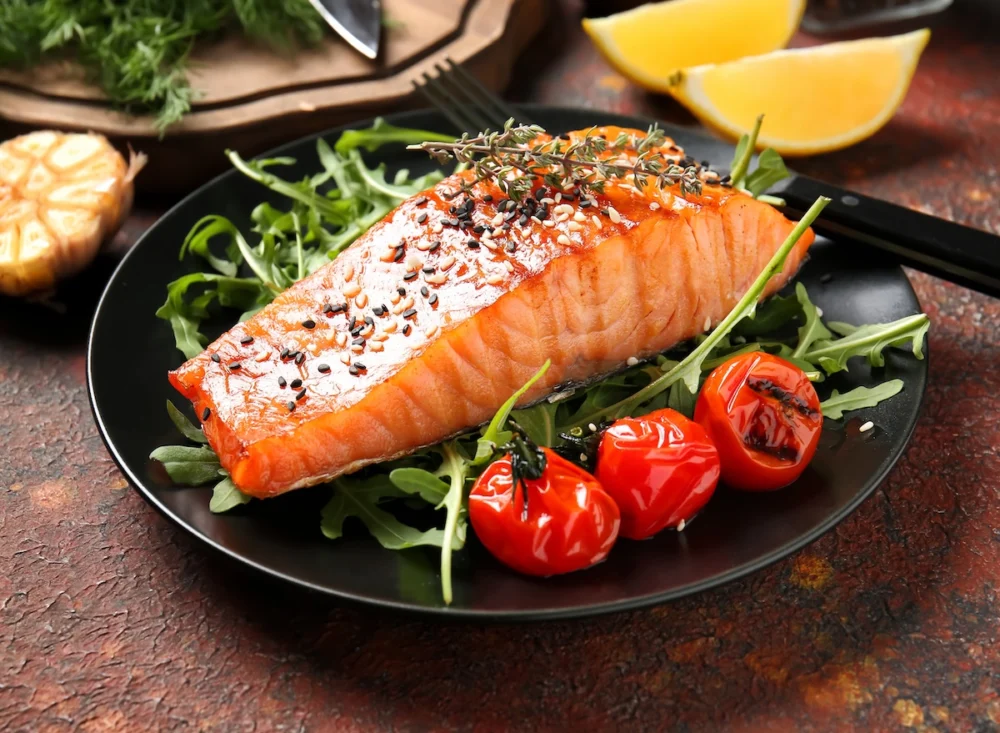
For those who appreciate seafood, salmon emerges as a stellar option, offering a potent combination of high-quality protein and beneficial fats. This fatty fish provides a complete protein profile necessary for robust muscle maintenance and regeneration. However, its unique advantage lies in its abundant supply of omega-3 fatty acids, specifically eicosapentaenoic acid (EPA) and docosahexaenoic acid (DHA). These essential fatty acids possess powerful anti-inflammatory properties that can mitigate age-related chronic inflammation, a factor that can hinder muscle recovery and overall anabolic response. Emerging research also suggests that omega-3s may directly enhance the muscle’s sensitivity to protein intake, making the protein consumed more effective in stimulating muscle protein synthesis in older individuals. Beyond muscle health, the omega-3s in salmon are well-documented for their cardiovascular benefits, supporting heart health by reducing triglyceride levels and blood pressure, and for their neuroprotective effects, contributing to cognitive function. Additionally, salmon is a natural source of Vitamin D, further bolstering bone and muscle health. Its tender flesh is generally easy to chew and digest, making it a highly accessible and beneficial component of a senior-friendly diet.
Whey Protein Powders and Shakes: Efficient Supplementation for Elevated Needs
While whole foods should always form the foundation of any healthy diet, whey protein powders and ready-to-drink shakes offer a highly effective and convenient means to supplement protein intake, especially when dietary requirements are difficult to meet through food alone. Whey protein is celebrated for its rapid digestion and absorption, delivering a quick influx of amino acids to the muscles, which is particularly beneficial post-exercise. It boasts an exceptionally high concentration of leucine, making it a powerful trigger for muscle protein synthesis, crucial for overcoming anabolic resistance in older adults. For individuals with reduced appetite, difficulty preparing meals, or those requiring a significant protein boost, a whey protein shake can be an invaluable tool. It can be effortlessly incorporated into smoothies, mixed into oatmeal, or blended with Greek yogurt, enhancing the protein content of various dishes without significantly increasing meal volume. When selecting a whey protein product, it is advisable to choose options with minimal added sugars and artificial ingredients, focusing on high-quality protein isolates or concentrates.
A Holistic Approach to Sustained Wellness
It is crucial to recognize that optimizing protein intake is one vital piece of a larger puzzle for healthy aging. While these high-protein foods are foundational, their benefits are maximized when integrated into a comprehensive lifestyle strategy. Regular engagement in resistance exercise is non-negotiable, as it provides the mechanical stimulus necessary for muscle growth and adaptation, working synergistically with dietary protein. Furthermore, a balanced diet rich in fruits, vegetables, and whole grains ensures an adequate supply of vitamins, minerals, antioxidants, and fiber, all of which contribute to overall health, immune function, and metabolic well-being. Hydration, often overlooked, is also essential for nutrient transport, joint health, and overall physiological function.
Maintaining muscle mass and strength in later life is not merely about extending lifespan, but profoundly about enhancing healthspan—the period of life spent in good health, free from chronic diseases and disability. By consciously incorporating these protein-rich foods and adopting a holistic approach to nutrition and physical activity, individuals over sixty can proactively combat sarcopenia, preserve their physical capabilities, maintain their independence, and significantly enrich their quality of life. Consulting with a registered dietitian or healthcare provider can offer personalized guidance, ensuring dietary strategies are tailored to individual health needs and preferences, paving the way for a vibrant and active seniorhood.
About the Author