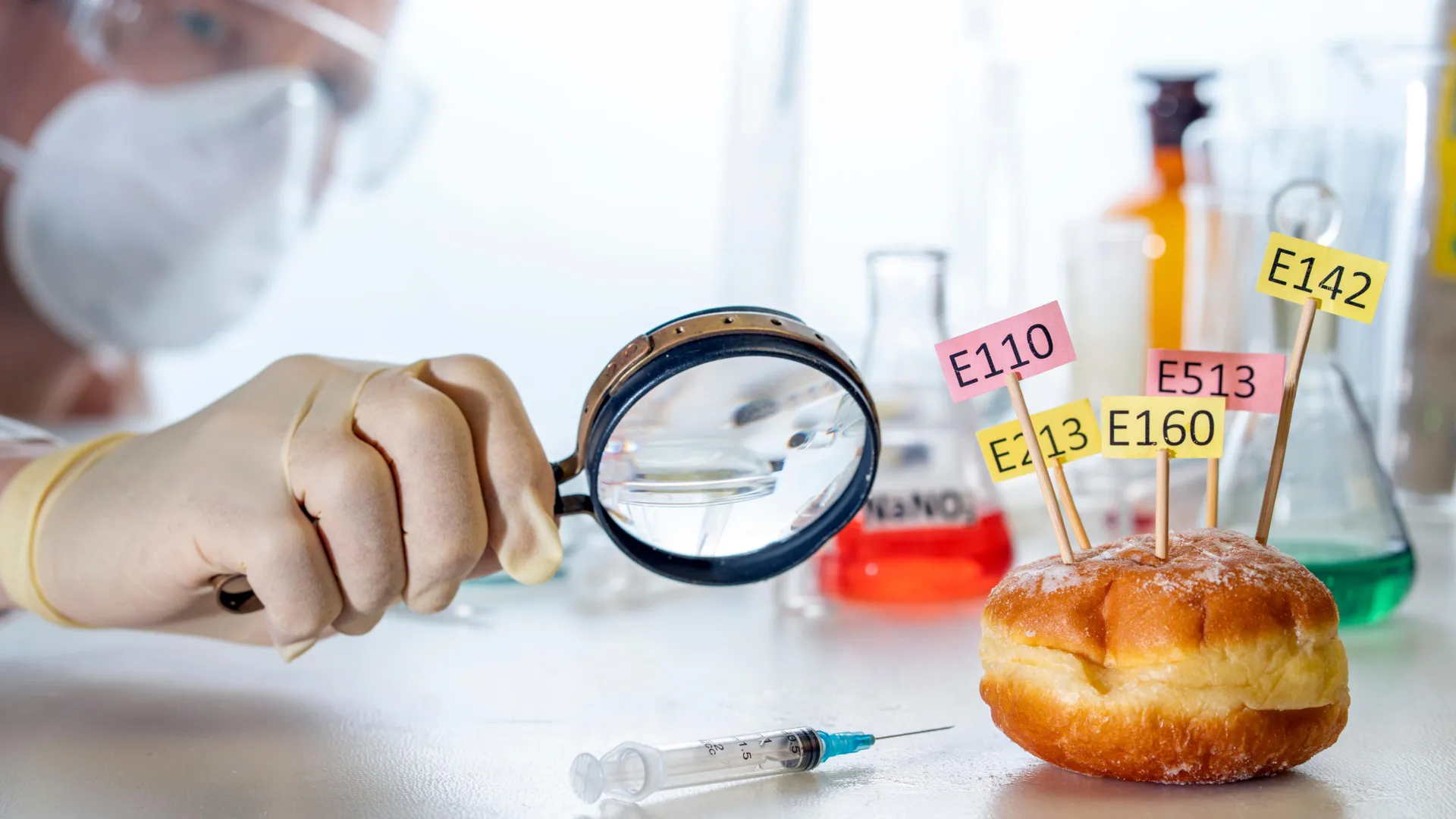
A comprehensive long-term investigation conducted in France has unveiled a potential association between the regular consumption of certain food preservatives, commonly found in a wide array of industrially processed products, and a marginally elevated risk of developing various cancers. The findings, recently disseminated in the esteemed medical journal The BMJ, underscore the intricate relationship between modern dietary habits and long-term health outcomes, prompting a crucial discourse on existing food safety regulations and public health guidance. While the researchers advocate for further confirmatory studies, their robust dataset and meticulous analysis present compelling evidence that could necessitate a re-evaluation of current standards designed to safeguard consumer well-being.
The omnipresence of food preservatives in contemporary diets is a direct consequence of the industrialized food system, where these chemical agents play a pivotal role in maintaining product quality, extending shelf life, and preventing microbial spoilage. From inhibiting bacterial growth to retarding oxidation, preservatives are essential for ensuring food safety, reducing waste, and facilitating global food distribution. However, alongside these undeniable benefits, a persistent undercurrent of public concern has long questioned the cumulative impact of these additives on human health, particularly as the prevalence of processed foods continues to rise globally. Previous laboratory-based studies have offered glimpses into potential cellular and genetic damage caused by some preservatives, yet definitive real-world, large-scale epidemiological evidence directly linking these compounds to serious health conditions like cancer has historically been limited. This latest French study aims to bridge that knowledge gap, leveraging an extensive and detailed dietary and health cohort.
To meticulously explore this complex issue, researchers embarked on an ambitious project, analyzing a vast trove of long-term dietary and health data meticulously gathered over more than a decade, specifically from 2009 to 2023. Their primary objective was to discern whether exposure to particular food additive preservatives could be statistically correlated with an increased incidence of cancer among adult participants. The investigation drew upon the formidable resources of the NutriNet-Santé cohort, a prominent French population-based study dedicated to understanding the intricate interplay between nutrition, lifestyle, and health. This particular cohort is renowned for its detailed data collection, making it an ideal platform for such an in-depth dietary analysis.
The study’s methodology was characterized by its extensive scope and rigorous data collection. It meticulously tracked 105,260 participants, all aged 15 years or older at the study’s commencement, with an average age of 42. A significant majority of the cohort, approximately 79%, comprised women. Crucially, every participant was confirmed to be cancer-free at the outset of the observation period, ensuring that any subsequent cancer diagnoses could be considered incident cases. Dietary information was gathered with exceptional precision, with participants regularly completing comprehensive, brand-specific 24-hour dietary records over an average follow-up period spanning 7.5 years. This granular level of detail allowed researchers to estimate exposure to specific additives with a high degree of accuracy. Subsequent cancer diagnoses were diligently recorded and validated through a combination of participant health questionnaires, official medical records, and death certificates, with tracking continuing until December 31, 2023.
The analytical focus of the study encompassed 17 distinct individual preservatives, representing a broad spectrum of commonly utilized food additives. Among those specifically scrutinized were citric acid, various lecithins, total sulfites, ascorbic acid, sodium nitrite, potassium sorbate, sodium erythorbate, sodium ascorbate, potassium metabisulfite, and potassium nitrate. For the purpose of analysis, these preservatives were broadly classified into two functional categories. Non-antioxidant preservatives primarily function by inhibiting microbial proliferation or by retarding undesirable chemical reactions that contribute to food spoilage. Conversely, antioxidant preservatives are designed to mitigate food degradation by reducing or limiting oxygen exposure within food packaging, thereby preventing oxidative damage.
During the extensive follow-up period, a total of 4,226 participants received a cancer diagnosis. These included 1,208 cases of breast cancer, 508 cases of prostate cancer, 352 cases of colorectal cancer, and 2,158 diagnoses of other miscellaneous cancer types. It is important to note that when the researchers aggregated data for all 17 preservatives and analyzed their collective impact, no overarching association with overall cancer risk was identified. Furthermore, 11 of the 17 individual preservatives examined in isolation also demonstrated no statistically significant link to cancer incidence. This nuanced finding highlights the importance of distinguishing between individual additives rather than treating them as a homogenous group.
However, the study revealed compelling associations when examining the intake of several specific individual preservatives, particularly those categorized as non-antioxidants. A higher dietary intake of certain preservatives was indeed correlated with an amplified risk of cancer. Notably, potassium sorbate, potassium metabisulfite, sodium nitrite, potassium nitrate, and acetic acid emerged as compounds of interest.
The findings indicated that higher consumption of total sorbates, with potassium sorbate being a primary component, was associated with a 14% elevated risk of overall cancer and a more pronounced 26% higher risk specifically for breast cancer. Similarly, total sulfites were linked to a 12% increase in the overall risk of developing cancer. For prostate cancer, a specific concern arose around sodium nitrite, which was associated with a substantial 32% higher risk. Potassium nitrate showed a connection to a 13% increased risk of overall cancer and a 22% higher risk for breast cancer. Total acetates, and acetic acid when analyzed independently, were associated with a 15% higher overall cancer risk and a 25% higher breast cancer risk, with acetic acid alone linked to a 12% rise in overall cancer risk. Among the antioxidant preservatives studied, only total erythorbates and sodium erythorbate were found to have a notable association with a higher incidence of cancer.
While the observational nature of the study precludes definitive conclusions about direct causation, the researchers offered potential biological explanations for these observed correlations. Several of the preservatives identified as having a link to increased cancer risk are known to potentially modulate immune function and inflammatory pathways within the body. Chronic inflammation and altered immune responses are recognized as critical factors that can contribute to the initiation and progression of various cancers. For instance, nitrites are known precursors to N-nitroso compounds, some of which are potent carcinogens. Other additives might induce oxidative stress, damage DNA directly, or alter the gut microbiome in ways that promote an environment conducive to carcinogenesis. However, the authors prudently emphasize that these proposed mechanisms require extensive further investigation and experimental validation to confirm their role in human cancer development. They also candidly acknowledged that unmeasured confounding factors, such as specific lifestyle choices, genetic predispositions, or other dietary components not accounted for, could have subtly influenced the study’s outcomes.
Despite these inherent limitations of an observational design, the researchers strongly contend that their findings carry significant weight and practical implications. The study’s formidable strengths—its extensive participant cohort, the rigorous and detailed collection of dietary data meticulously linked to comprehensive food composition databases, and the prolonged follow-up period spanning over a decade—lend considerable credibility to the results. Furthermore, the observed associations align coherently with existing experimental research, which has previously suggested cancer-related effects for some of these specific chemical compounds in laboratory settings.
In their concluding remarks, the study authors articulated the profound implications of their work: "This study brings new insights for the future re-evaluation of the safety of these food additives by health agencies, considering the balance between benefit and risk for food preservation and cancer." This statement encapsulates the core message: a call for regulatory bodies worldwide to revisit the safety profiles of these ubiquitous additives, weighing their benefits in food preservation against their potential long-term health risks.
The ramifications of this research extend to both food manufacturers and consumers, potentially shaping future public health policy. The researchers advocate for food producers to proactively explore and implement strategies that reduce the reliance on unnecessary preservatives, encouraging innovation in alternative preservation methods. Concurrently, they recommend that public health guidance consistently promote the consumption of freshly prepared, minimally processed foods whenever feasible, empowering consumers to make informed dietary choices that prioritize whole ingredients.
An accompanying editorial penned by US researchers, published alongside the study, provided a broader perspective on the complex regulatory landscape. They acknowledged the unequivocal benefits that preservatives offer, such as extending product shelf life and contributing to lower food costs—factors that are particularly crucial for economically vulnerable populations. Nevertheless, these experts contended that the widespread, and at times inadequately monitored, deployment of these additives, coupled with lingering uncertainties regarding their long-term health consequences, necessitates a more judicious and balanced regulatory approach.
The editorial suggested that the compelling evidence emanating from the NutriNet-Santé study could serve as a pivotal catalyst, prompting regulatory agencies to rigorously reassess existing policies governing food additives. Potential concrete actions might include the imposition of more stringent limits on the permissible levels of certain preservatives, the implementation of clearer and more transparent labeling requirements for consumers, mandatory disclosure of additive content, and the establishment of robust international monitoring initiatives, drawing inspiration from successful global efforts previously applied to harmful substances like trans fatty acids and excessive sodium.
Ultimately, the editorialists concluded with a pragmatic note for individuals: "At the individual level, public health guidance is already more definitive about the reduction of processed meat and alcohol intake, offering actionable steps even as evidence on the carcinogenic effects of preservatives is evolving." This highlights that while research into specific additives continues to develop, foundational advice on limiting highly processed items remains a prudent strategy for maintaining long-term health. The French study therefore serves as a critical addition to the growing body of evidence urging a careful reconsideration of the chemical constituents of our modern diet and their profound implications for public health.
About the Author