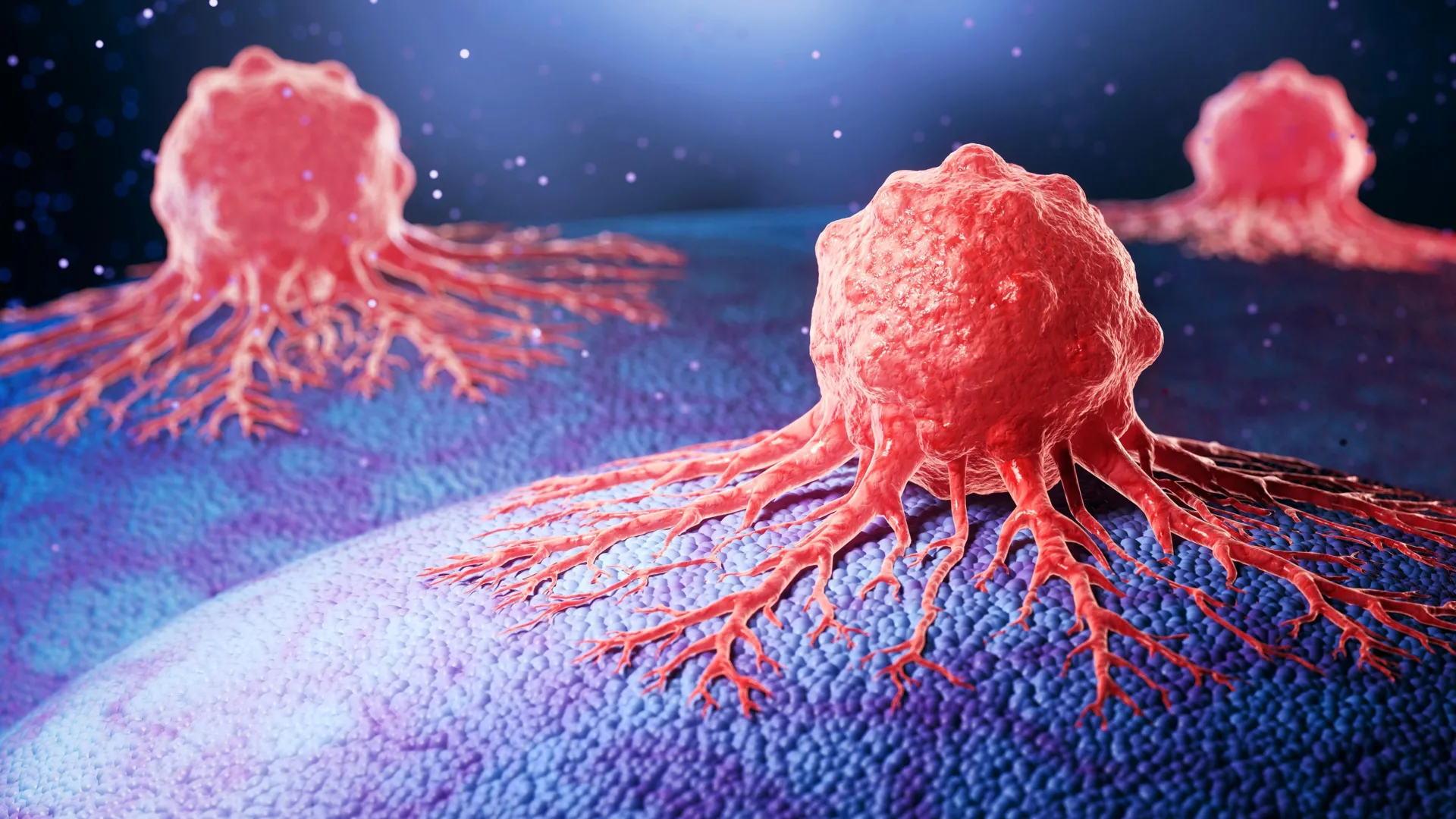
In a significant stride toward understanding and potentially revolutionizing cancer therapy, an international consortium of scientists has meticulously unraveled a sophisticated biological strategy employed by certain aggressive cancers to not only proliferate unchecked but also to effectively disappear from the vigilant gaze of the body’s immune system. This groundbreaking discovery, born from extensive laboratory investigations, points towards a novel therapeutic vulnerability, particularly in challenging malignancies like pancreatic cancer, where this immune evasion tactic appears to be a critical survival mechanism. The implications of this research suggest a future where cancer treatments could be far more targeted, minimizing collateral damage to healthy tissues while maximizing the body’s own defenses.
At the heart of this discovery lies the MYC protein, a well-established protagonist in the narrative of cancer cell proliferation, known for its potent ability to accelerate cell division. For decades, researchers have recognized MYC’s role as a principal driver in numerous tumor types, fueling their rapid and uncontrolled growth. However, a persistent enigma has surrounded MYC-driven cancers: how do these aggressively dividing cells manage to evade immune surveillance? Despite their rapid expansion, which would typically trigger an alert from the immune system, these tumors often manage to suppress such responses, allowing them to progress and metastasize without significant immunological interference. This new research illuminates the answer, revealing that MYC assumes a dual role, with a secondary, clandestine function that orchestrates this immune invisibility.
The study, meticulously detailed in the prestigious journal Cell, represents a culmination of extensive collaborative efforts, with key experimental contributions spearheaded by Leonie Uhl, Amel Aziba, and Sinah Lübbert, alongside their esteemed colleagues from the University of Würzburg (JMU), the Massachusetts Institute of Technology (MIT) in the United States, and the Würzburg University Hospital. Leading this ambitious endeavor was Martin Eilers, Chair of Biochemistry and Molecular Biology at JMU, who directed the research as an integral part of the Cancer Grand Challenges KOODAC initiative. The project received substantial financial backing from prominent organizations including Cancer Research UK, the Children Cancer Free Foundation (Kika), and the French National Cancer Institute (INCa), all contributing through the Cancer Grand Challenges framework. Furthermore, Professor Eilers’ research was bolstered by an Advanced Grant from the European Research Council, underscoring the significance and innovative nature of the work.
Under conditions of cellular stress, such as those found within the rapidly growing microenvironment of a tumor, MYC’s modus operandi undergoes a profound transformation. While under normal physiological circumstances MYC diligently binds to DNA, activating genes essential for cell growth, its behavior shifts dramatically within the tumor context. Instead of engaging with DNA, MYC begins to associate with newly synthesized RNA molecules. This alteration in binding preference prompts multiple MYC proteins to aggregate, forming dense, organized structures known as multimers. These multimers function akin to molecular condensates, acting as central hubs within the cell. Their primary role in this context is to attract and concentrate specific cellular machinery, most notably the exosome complex, a crucial component of cellular waste disposal and RNA processing.
The exosome complex, under normal cellular conditions, is tasked with the degradation of RNA molecules. However, in the intricate scenario uncovered by this research, its activity is repurposed. The MYC-induced condensates draw the exosome complex to specific RNA-DNA hybrids. These hybrids are aberrant structures that can arise as byproducts of active gene transcription. Crucially, these RNA-DNA hybrids are recognized by the cell as signals of distress or damage, acting as an internal alarm system that alerts the immune system to intracellular abnormalities. By orchestrating the efficient breakdown of these RNA-DNA hybrids, the concentrated exosome complex effectively neutralizes this crucial cellular alarm. Consequently, the signaling cascade that would normally summon immune cells to investigate and neutralize the threat is interrupted before it can even begin, leaving the tumor cloaked and undetected.
The research team provided compelling evidence that this immune-concealing capability is intrinsically linked to a particular region within the MYC protein responsible for RNA binding. Significantly, this RNA-binding domain is functionally distinct from the regions required for MYC’s well-established role in promoting cell division. This separation of functions is critical, as it implies that therapeutic interventions targeting the immune evasion mechanism might not necessarily compromise MYC’s essential growth-promoting functions in healthy cells, thereby potentially avoiding the severe side effects that have plagued previous attempts to broadly inhibit MYC. The scientists were able to demonstrate that MYC’s capacity to drive tumor growth and its ability to subvert immune recognition are mechanistically independent processes, offering a clear avenue for selective targeting.
To validate their findings and explore the therapeutic potential, the researchers ingeniously engineered MYC proteins that were incapable of binding RNA. In the absence of this RNA-binding capability, the altered MYC protein lost its ability to recruit the exosome complex and consequently could no longer suppress the cellular alarm signals. The results observed in preclinical animal models were nothing short of dramatic. Professor Eilers reported that while pancreatic tumors engineered with functional MYC exhibited a staggering 24-fold increase in size over a 28-day period, tumors with the modified, RNA-binding defective MYC protein experienced a catastrophic collapse. These tumors shrank by an astonishing 94 percent within the same timeframe, but this remarkable regression was contingent upon the presence of an intact immune system in the host animals. This crucial observation unequivocally confirmed that the observed tumor demise was a direct consequence of immune system activation, triggered by the removal of MYC’s immune-shielding function.
This profound insight into cancer’s immune evasion tactics heralds a new era of potential therapeutic strategies. Historically, attempts to broadly inhibit the MYC protein have been hampered by its essential role in the normal functioning of healthy cells. Non-selective inhibition of MYC often leads to significant toxicity, limiting its clinical utility. The newly discovered mechanism, however, offers a more precise and potentially safer approach. Professor Eilers elaborated on this prospect, suggesting that future pharmaceutical agents could be designed to specifically target MYC’s RNA-binding capacity, rather than its overall activity. Such a targeted intervention could leave MYC’s growth-promoting functions in healthy cells largely intact while effectively dismantling the tumor’s "cloak of invisibility," thereby re-exposing it to the immune system’s potent attack mechanisms.
Despite the immense promise of these findings, the researchers emphasize that the translation of this discovery into clinical applications remains a long-term objective. Significant future research endeavors will be dedicated to elucidating the precise pathways by which these immune-activating RNA-DNA hybrids traverse the cell nucleus and to understanding how MYC’s RNA-binding activity intricately shapes the local tumor microenvironment. Dr. David Scott, Director of Cancer Grand Challenges, highlighted the broader significance of this work, stating that the initiative was established precisely to foster international collaborations like the KOODAC team, enabling them to push the frontiers of cancer knowledge. He underscored how unraveling the mechanisms by which tumors conceal themselves from the immune system not only offers new avenues for treating adult cancers but also holds immense promise for childhood cancers, which are the primary focus of the KOODAC team. This research serves as an inspiring testament to how global cooperation and the integration of diverse scientific expertise can effectively address some of the most formidable challenges in the fight against cancer.
Cancer Grand Challenges, founded in 2020 by Cancer Research UK and the National Cancer Institute, is a visionary program dedicated to assembling world-leading research teams to confront the most intractable problems in cancer science. Recognizing that these complex challenges transcend the capabilities of any single institution or nation, the program provides substantial funding awards, up to £20 million, empowering teams to transcend conventional scientific and geographical boundaries. This collaborative approach is designed to accelerate progress and drive transformative breakthroughs in the global battle against cancer.
About the Author