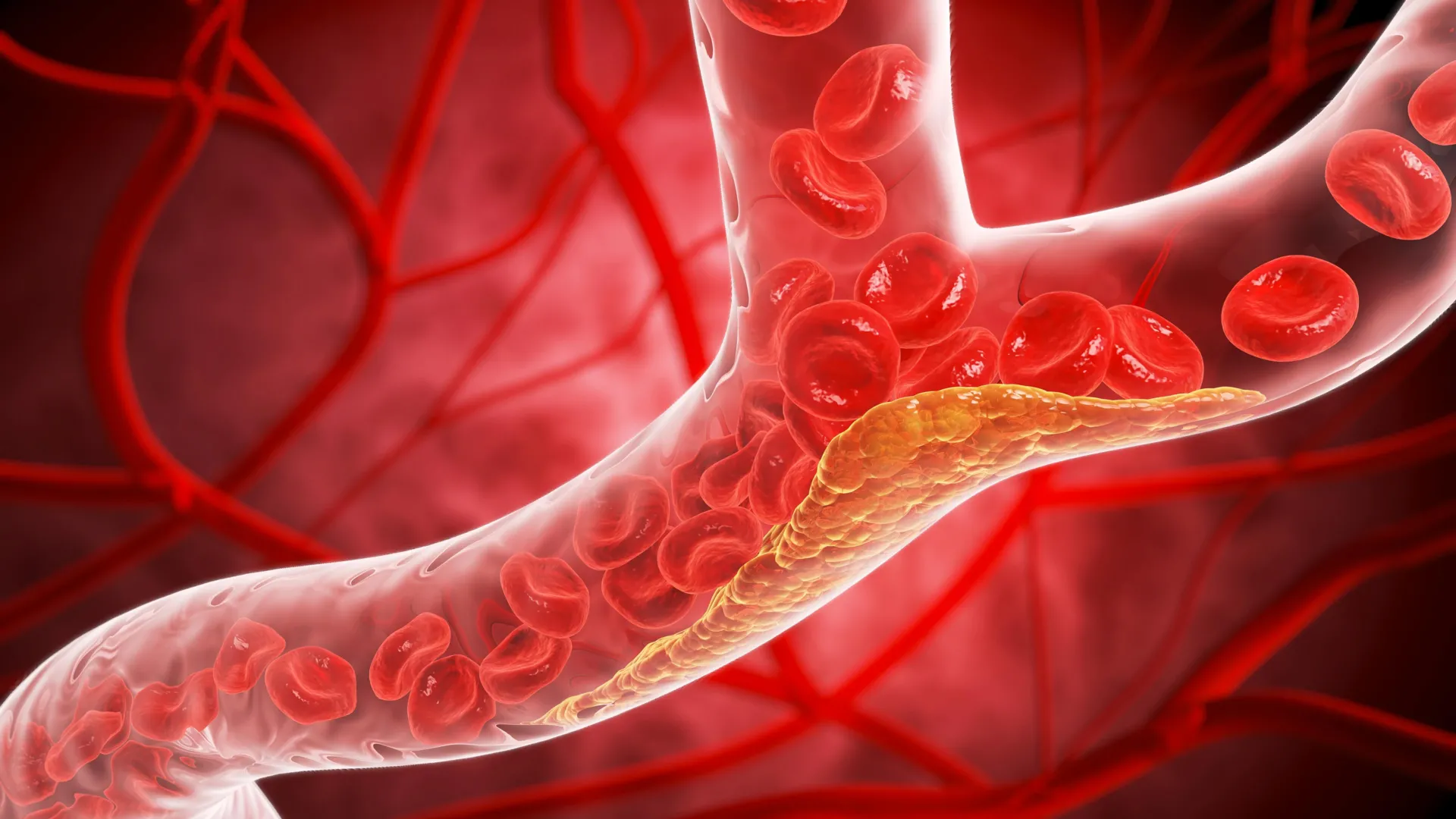
For individuals managing type 2 diabetes, the specter of heart attacks and strokes looms larger, with the cumulative years of living with the condition correlating directly with increased susceptibility. Prior scientific endeavors had already established a connection between red blood cells and the compromised functionality of blood vessels in diabetic patients. This latest study, however, introduces a vital nuance by demonstrating that the timeline of diabetes is a critical determinant in the initiation and progression of these detrimental red blood cell modifications. Over extended periods, red blood cells appear to transition from a passive role to active agents in the process of vascular injury.
The investigative team meticulously gathered evidence from both sophisticated animal models and human participants diagnosed with type 2 diabetes to dissect these complex interactions. Through rigorous experimentation, red blood cells isolated from mice and from human subjects who had contended with diabetes for a substantial duration were observed to actively impede normal blood vessel function. In stark contrast, red blood cells harvested from individuals newly diagnosed with the disease exhibited no such detrimental impact. This distinction became even more pronounced during a seven-year observational period, during which patients who initially showed no adverse effects subsequently developed red blood cells exhibiting comparable damaging characteristics. A critical turning point in the study involved the restoration of specific levels of a molecule known as microRNA-210 within these red blood cells, which led to a discernible improvement in blood vessel performance.
"The most compelling revelation from our investigation is that it is not merely the diagnosis of type 2 diabetes that is paramount, but rather the length of time the disease has been present. It is only after a considerable period of years that red blood cells acquire the capacity to exert a harmful influence on the delicate architecture of blood vessels," stated Zhichao Zhou, an associate professor at the Department of Medicine, Solna, Karolinska Institutet, and the principal author of the study. This observation underscores a dynamic process of cellular adaptation and subsequent dysfunction that unfolds over the chronic course of the disease.
The implications of these findings extend significantly to the realm of clinical practice, suggesting that the concentration of microRNA-210 within red blood cells could serve as a valuable biomarker. Such a biomarker could potentially facilitate the early identification of individuals at heightened risk of developing cardiovascular complications, even before overt vascular damage becomes clinically apparent. The research team is actively pursuing the validation of this approach through larger-scale epidemiological studies to ascertain its broader applicability across diverse patient populations.
"Our ultimate goal is to empower clinicians with the ability to pinpoint those patients who face the greatest threat of vascular damage well in advance of its manifestation. This early identification would then enable more targeted and effective preventive strategies, thereby mitigating the incidence and severity of downstream complications," explained Eftychia Kontidou, a doctoral student within the same research group and the first author of the study. The identification of such predictive markers represents a significant leap forward in personalized medicine for diabetes management, allowing for proactive interventions rather than reactive treatments.
The underlying biological processes involve a complex interplay of metabolic derangements characteristic of type 2 diabetes, including chronic hyperglycemia, dyslipidemia, and oxidative stress. These conditions are known to induce a state of inflammation and endothelial dysfunction, creating an environment conducive to cellular damage. Within this milieu, red blood cells, far from being inert carriers of oxygen, become active participants in the pathological cascade. The sustained exposure to elevated glucose levels, for instance, can lead to glycation of hemoglobin and other red blood cell proteins, altering their structure and function. This can affect their deformability, influencing their passage through narrow capillaries, and also impact their interaction with the endothelial lining of blood vessels.
Moreover, the metabolic dysregulation associated with type 2 diabetes can promote the release of pro-inflammatory mediators from red blood cells. These mediators can activate endothelial cells, leading to increased expression of adhesion molecules that promote the recruitment of inflammatory cells to the vessel wall. This inflammatory process is a cornerstone of atherosclerosis, the underlying pathology for many cardiovascular diseases. The study’s focus on microRNA-210 provides a molecular handle on this complex cellular response. MicroRNAs are small non-coding RNA molecules that play crucial roles in regulating gene expression. Dysregulation of microRNA-210 in red blood cells, as observed in long-standing diabetes, could lead to altered expression of genes involved in cellular stress response, inflammation, and vascular function.
The experimental findings in animal models provide a controlled environment to investigate causality. By inducing diabetes in mice and observing the temporal changes in red blood cells and vascular function, researchers can establish a clearer link between the disease duration and the observed pathology. The subsequent translation of these findings to human patients strengthens their relevance and clinical applicability. The fact that red blood cells from newly diagnosed patients do not exhibit these detrimental properties, but develop them over time, strongly implicates the chronic nature of hyperglycemia and associated metabolic derangements as the driving force behind this cellular transformation.
The therapeutic implications are considerable. If microRNA-210 proves to be a reliable biomarker, it could pave the way for novel diagnostic tools. Furthermore, understanding the precise mechanisms by which microRNA-210 influences red blood cell function and vascular health might open avenues for targeted therapeutic interventions. These could involve strategies aimed at restoring normal microRNA-210 levels or modulating the downstream pathways affected by its dysregulation. Such interventions, if successful, could potentially prevent or delay the onset of cardiovascular complications in individuals with type 2 diabetes, significantly improving their long-term prognosis and quality of life. The research highlights the intricate and often underestimated roles that seemingly simple cellular components, like red blood cells, play in the pathogenesis of complex chronic diseases.
About the Author