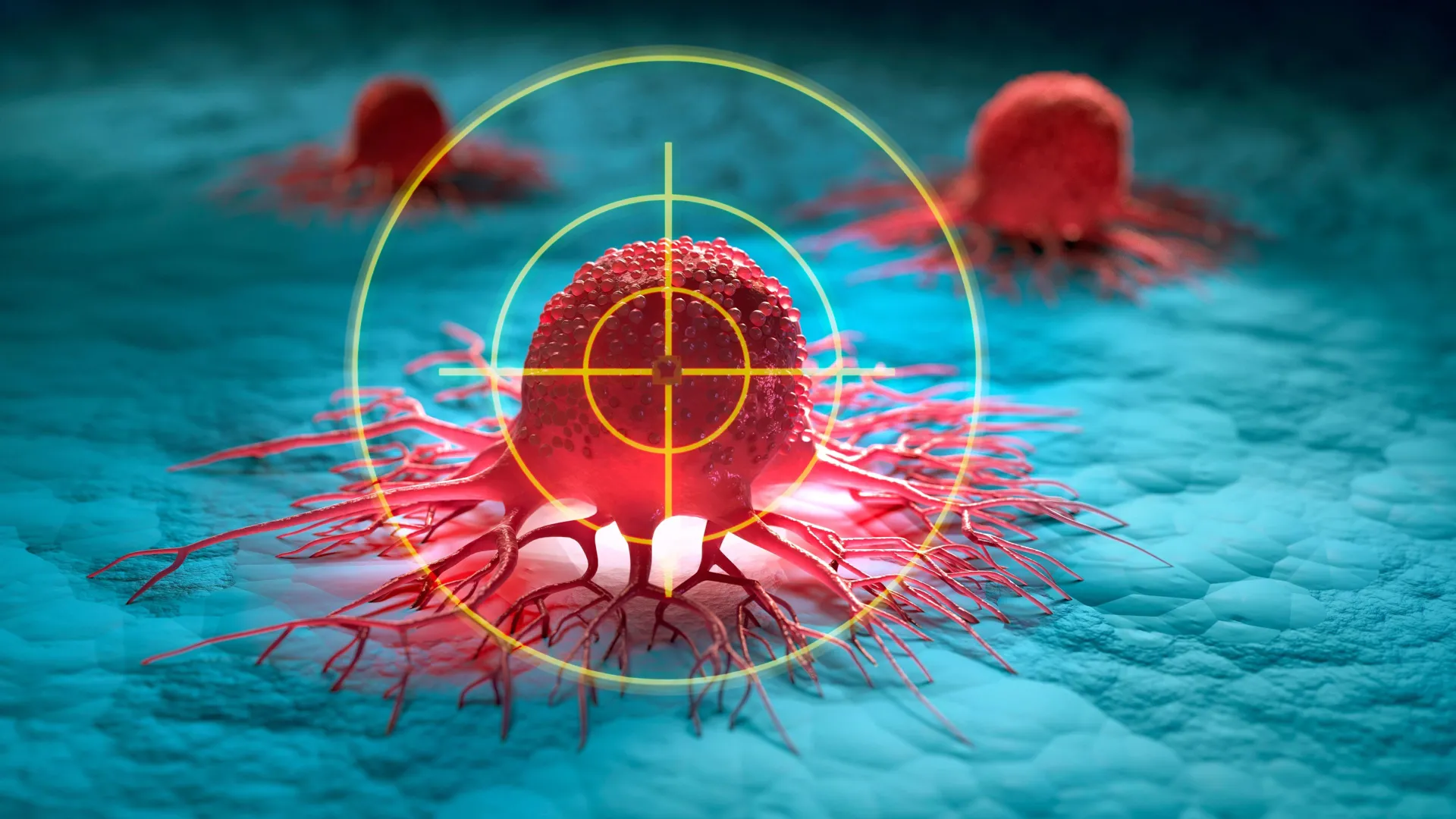
Researchers at the Icahn School of Medicine at Mount Sinai have unveiled a groundbreaking experimental immunotherapy that adopts a novel paradigm in the fight against metastatic cancer, shifting focus from direct assault on malignant cells to a strategic manipulation of their protective microenvironment. This innovative approach, detailed in the January 22 online edition of Cancer Cell, a prestigious publication from Cell Press, has demonstrated remarkable efficacy in preclinical models of aggressive ovarian and lung cancers, signaling a potentially transformative pathway for treating advanced solid tumors that have historically evaded conventional therapeutic interventions.
The underlying principle of this novel therapy draws inspiration from the ancient military tactic of the Trojan horse, where an ostensibly harmless entity is introduced to breach defenses from within. Instead of attempting to penetrate the tumor mass directly, this treatment targets and reorients specific immune cells known as macrophages, which typically act as sentinels and enablers of cancer cell survival. By neutralizing the suppressive functions of these tumor-associated macrophages (TAMs), the therapy effectively dismantles the tumor’s protective shield, creating an opening for the patient’s own immune system to recognize and eradicate the cancerous invaders. This strategic repurposing of the tumor’s own cellular infrastructure represents a significant departure from traditional immunotherapeutic strategies.
Metastatic cancer, the spread of cancer from its primary site to other parts of the body, is the leading cause of cancer-related mortality worldwide, and solid tumors, such as those found in the lungs and ovaries, present particularly formidable challenges for current immunotherapies. A primary obstacle identified by the research team is the tumor’s ability to orchestrate a highly immunosuppressive local environment, effectively creating a formidable barrier that prevents cytotoxic immune cells from reaching and destroying cancer cells. Dr. Jaime Mateus-Tique, lead author of the study and a faculty member in Immunology and Immunotherapy at Mount Sinai, likens this phenomenon to a "walled fortress," where cancer cells are ensconced within a network of supporting cells. "With immunotherapy, we kept running into the same problem — we can’t get past this fortress’s guards," Dr. Mateus-Tique explained. "So, we thought: what if we targeted these guards, turned them from protectors to friends, and used them as a gateway to bring a wrecking force within the fortress."
In healthy physiological conditions, macrophages are crucial components of the innate immune system, playing vital roles in orchestrating inflammatory responses, clearing cellular debris, and combating infections. However, within the complex ecosystem of a tumor, these same cells, specifically TAMs, are often hijacked and reprogrammed by cancer cells. Instead of mounting an immune defense, TAMs are co-opted to actively suppress anti-tumor immune responses, promote tumor growth, foster angiogenesis (the formation of new blood vessels that feed the tumor), and facilitate the metastatic cascade. Understanding this critical role of TAMs was pivotal for the Mount Sinai team.
The developed therapy is meticulously engineered to achieve a delicate balance: it selectively depletes or reconfigures TAMs within the tumor microenvironment while preserving the function of beneficial macrophages in healthy tissues. This targeted intervention effectively reverses the immunosuppressive milieu, transforming the tumor’s internal landscape from a sanctuary for cancer cells into an arena primed for immune attack.
At the heart of this innovative treatment are CAR T cells, a sophisticated form of adoptive cell therapy where a patient’s own T cells are genetically modified to express chimeric antigen receptors (CARs). These receptors enable the T cells to recognize and bind to specific targets on cancer cells, thereby initiating a potent anti-tumor response. While CAR T cell therapy has achieved remarkable success against certain blood cancers, identifying suitable and consistently expressed cancer-specific targets on solid tumors has proven to be a significant hurdle. To circumvent this limitation, the Mount Sinai researchers ingeniously redirected the CAR T cell targeting mechanism. Instead of seeking out cancer cells, their engineered CAR T cells are programmed to identify and engage TAMs.
Furthermore, the researchers enhanced the therapeutic payload of these CAR T cells by equipping them with the capability to secrete interleukin-12 (IL-12). IL-12 is a potent cytokine that plays a critical role in orchestrating cellular immunity, particularly by activating cytotoxic T lymphocytes (CTLs) and natural killer (NK) cells, which are essential for eliminating cancer cells. The synergistic effect of targeting TAMs and delivering IL-12 proved exceptionally potent in preclinical studies. When mice bearing aggressive metastatic lung and ovarian tumors were treated with these engineered CAR T cells, the outcomes were described as dramatic, with treated animals exhibiting significantly prolonged survival—months longer than their untreated counterparts—and a substantial number achieving complete remission.
To gain a deeper understanding of how the therapy reshaped the tumor ecosystem, the researchers employed cutting-edge spatial genomics techniques. These sophisticated analyses provided an unprecedented granular view of the cellular architecture and molecular signaling within the tumors. The findings revealed a profound transformation: the treatment successfully purged the tumor microenvironment of immune-suppressing cells and actively recruited cancer-fighting immune effector cells, such as CTLs.
A particularly compelling aspect of this therapeutic strategy is its "antigen-independent" nature. Unlike many current immunotherapies that rely on the presence of specific tumor antigens, this approach targets a cellular component universally present across a wide spectrum of tumors—macrophages. This broad applicability suggests that the strategy could potentially be extended to a diverse range of cancers, including those that have historically shown resistance to existing immunotherapeutic regimens. The consistent success observed in both lung and ovarian cancer models further underscores its potential as a broadly applicable therapeutic modality. Dr. Brian Brown, senior author of the study and Director of the Icahn Genomics Institute, highlighted the significance of this aspect: "Macrophages are found in every type of tumor, sometimes outnumbering the cancer cells. They’re there because the tumor uses them as a shield," Dr. Brown stated. "What’s so exciting is that our treatment converts these cells from protecting the cancer to killing it. We’ve turned foe into ally."
While the preclinical results are exceptionally promising, the researchers are careful to emphasize that these findings represent a crucial proof of concept, and further investigation in human clinical trials is imperative to ascertain the safety and efficacy of this therapy for patients. The current findings lay the groundwork for a new class of cancer treatments. "This establishes a new way to treat cancer," Dr. Brown remarked. "By targeting tumor macrophages, we’ve shown that it can be possible to eliminate cancers that are refractory to other immunotherapies."
The research team is now focused on refining the therapeutic approach, particularly concerning the precise control of IL-12 release within the tumor microenvironment in ongoing mouse model studies. The objective is to maximize the therapy’s anti-tumor impact while rigorously ensuring its safety profile as it progresses towards potential human testing. Beyond lung and ovarian cancers, the researchers envision this strategy forming the foundational blueprint for future CAR T cell therapies designed to reprogram and remodel the tumor microenvironment by targeting its crucial support cells, rather than solely focusing on the cancer cells themselves. The seminal paper detailing this work is titled "Armored macrophage-targeted CAR-T cells reset and reprogram the tumor microenvironment and control metastatic cancer growth." The study authors are listed in the journal as Jaime Mateus-Tique, Ashwitha Lakshmi, Bhavya Singh, Rhea Iyer, Alfonso R. Sánchez-Paulete, Chiara Falcomata, Matthew Lin, Gvantsa Pantsulaia, Alexander Tepper, Trung Nguyen, Angelo Amabile, Gurkan Mollaoglu, Luisanna Pia, Divya Chhamalwan, Jessica Le Berichel, Hunter Potak, Marco Colonna, Alessia Baccarini, Joshua Brody, Miriam Merad, and Brian D. Brown. Funding for this research was generously provided by NIH grants (U01CA28408, R01CA254104), the Alliance for Cancer Gene Therapy, the Feldman Family Foundation, and the Applebaum Foundation.
About the Author