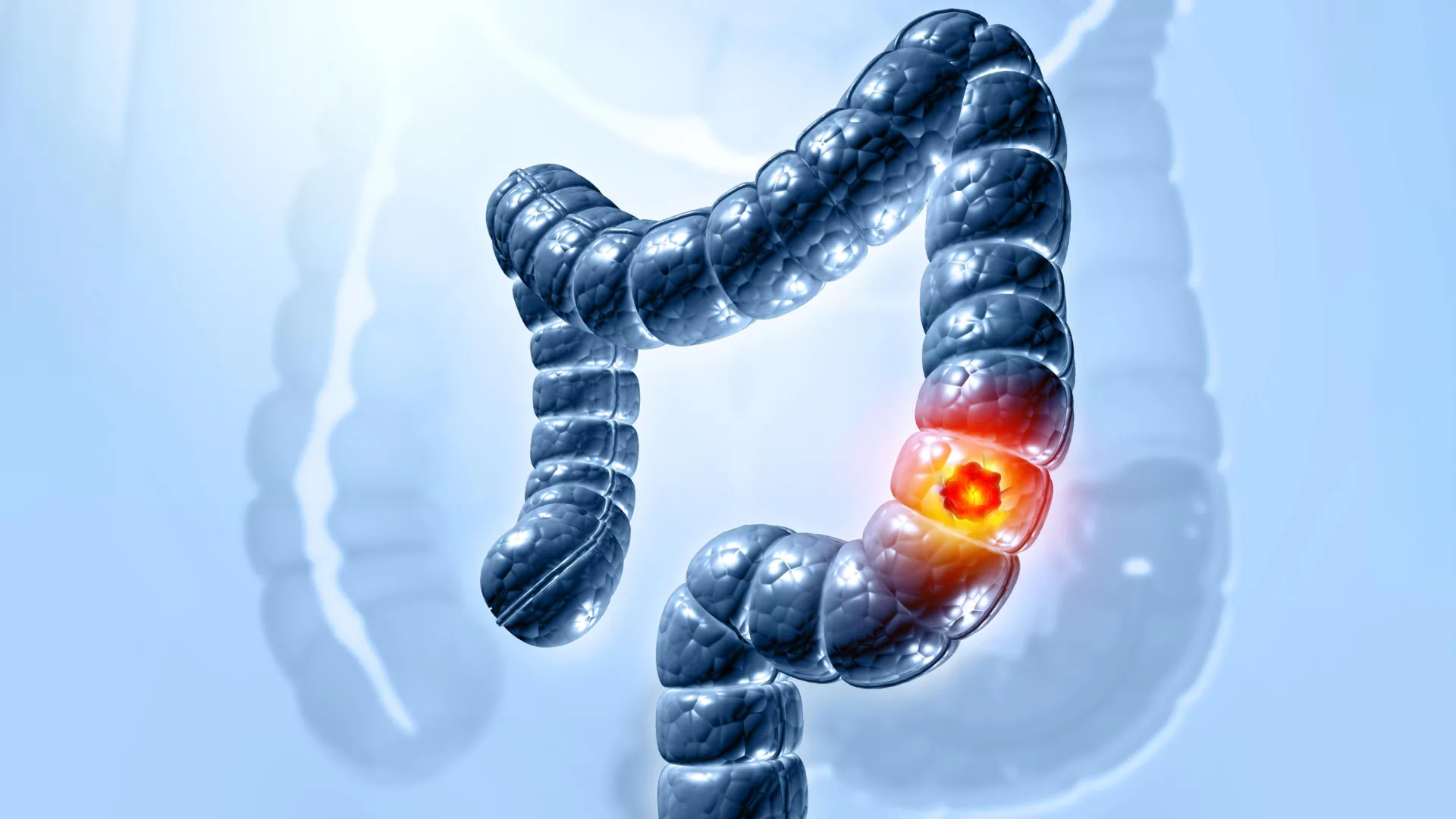
A comprehensive longitudinal investigation has illuminated a pronounced correlation between the cumulative lifetime consumption of alcoholic beverages and an elevated risk of developing colorectal cancer, with a particularly strong association observed for rectal malignancies. This extensive research, published in the esteemed peer-reviewed journal CANCER, a publication of the American Cancer Society, builds upon prior findings that established a general link between alcohol intake and heightened colorectal cancer susceptibility. The latest evidence underscores the critical role of the total volume of alcohol ingested throughout an individual’s life, suggesting that a greater aggregate intake translates to a proportionally increased risk, specifically impacting the lower portion of the colon. Furthermore, the study offers a glimmer of hope, indicating that abstaining from alcohol consumption may serve as a mitigating factor in reducing this risk.
The bedrock of this groundbreaking analysis comprised the meticulous examination of health records pertaining to a substantial cohort of adult participants in the United States who were initially free from cancer. These individuals were enrolled in the National Cancer Institute’s (NCI) Prostate, Lung, Colorectal, and Ovarian (PLCO) Cancer Screening Trial, a long-term study designed to track various health outcomes. Over an observational period spanning two decades, researchers meticulously documented the development of colorectal cancer among a sample of 88,092 participants, ultimately identifying 1,679 cases of the disease.
A pivotal discovery emerged from the study’s classification of participants based on their drinking habits. Individuals categorized as "heavy drinkers," defined by an average lifetime intake exceeding 14 alcoholic beverages per week, exhibited a demonstrably higher risk of developing colorectal cancer compared to those who consumed less than one drink weekly over their lifetime. This heightened risk materialized as a 25% increase in the overall incidence of colorectal cancer. The magnitude of this association became even more pronounced when focusing specifically on rectal cancer, where heavy lifetime drinkers faced a near doubling of their risk, translating to a striking 95% escalation.
Delving deeper into the temporal aspects of alcohol consumption, the research team analyzed drinking patterns across different stages of adulthood. Their findings revealed that individuals who consistently engaged in heavy drinking over extended periods faced a significantly elevated risk of colorectal cancer, a staggering 91% higher than their counterparts who maintained a pattern of consistently low alcohol intake. In contrast, the study observed a reassuring trend among former drinkers. These individuals did not demonstrate an increased risk of colorectal cancer and, remarkably, showed a reduced likelihood of developing adenomas – noncancerous growths in the colon and rectum that carry the potential to transform into cancerous tumors – when compared to current light drinkers. This observation strongly suggests a potential benefit associated with alcohol cessation, although the researchers acknowledge that the dataset for former drinkers, while encouraging, was limited in scope.
The scientific community is actively exploring the complex biological mechanisms that may underpin the observed relationship between alcohol consumption and cancer development. One prominent hypothesis centers on the metabolic byproducts of alcohol breakdown within the body. Ethanol, the primary psychoactive component of alcoholic beverages, is metabolized into acetaldehyde, a known carcinogen. Acetalogen has the capacity to damage DNA and interfere with cellular repair processes, thereby increasing the likelihood of malignant transformation. Another area of investigation involves alcohol’s impact on the gut microbiome, the intricate ecosystem of microorganisms residing in the digestive tract. Alterations in the composition and function of gut bacteria, often influenced by dietary factors including alcohol intake, have been implicated in various inflammatory and oncogenic pathways. It is plausible that these microbial shifts could contribute to an inflammatory environment conducive to cancer growth or affect the metabolism of other carcinogens. Further dedicated research is imperative to definitively establish the direct contributions of these biological pathways to the pathogenesis of alcohol-related cancers.
Dr. Erikka Loftfield, PhD, MPH, a co-senior author of the study and a researcher at the NCI, part of the National Institutes of Health, commented on the significance of their findings, stating, "Our study represents one of the pioneering efforts to comprehensively investigate the lifelong relationship between alcohol consumption and the risk of both colorectal adenomas and colorectal cancer." She further expressed optimism regarding the implications for individuals who have ceased drinking, noting, "While the data concerning former drinkers were admittedly sparse, we were heartened to observe that their risk profile appears to converge with that of individuals who consistently consume alcohol in lighter quantities." This sentiment highlights the potential for reversing or significantly mitigating cancer risk through lifestyle modifications, underscoring the importance of public health messaging around responsible alcohol consumption and cessation. The study’s robust methodology and extensive follow-up period lend considerable weight to its conclusions, providing valuable insights for healthcare professionals, policymakers, and the general public alike in understanding and addressing the multifaceted determinants of colorectal cancer. The implications extend beyond individual risk assessment, potentially informing public health strategies aimed at cancer prevention and early detection initiatives.
About the Author