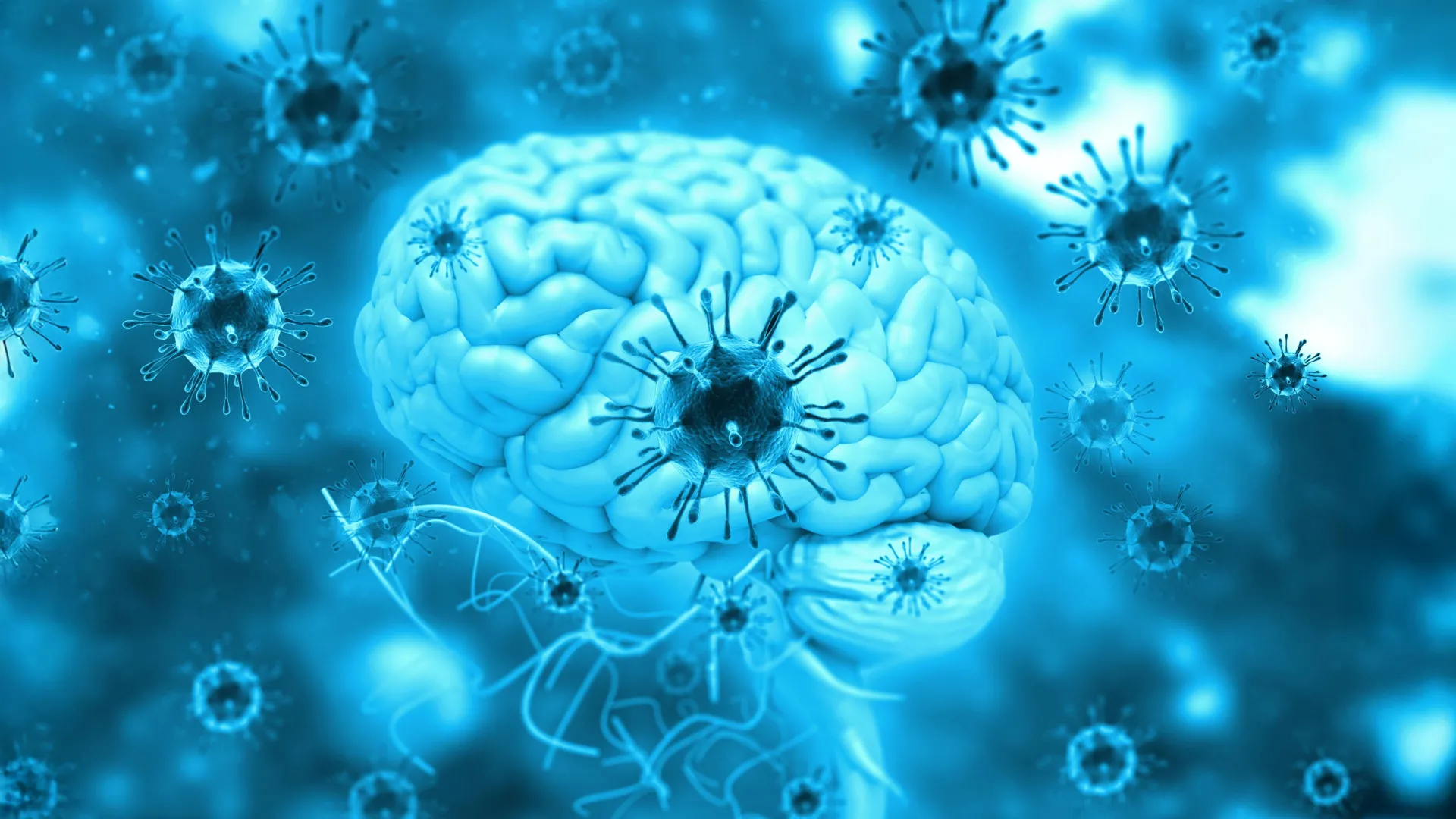
The primary routes of human exposure to Toxoplasma gondii typically involve the consumption of inadequately cooked meat products or direct contact with environments contaminated by the parasite, such as soil or feline excreta. Once introduced into the host organism, the parasite exhibits a remarkable capacity for immune evasion, largely by encapsulating itself within microscopic structures known as cysts. These resilient formations are preferentially established in neural and muscular tissues, effectively shielding the parasite from host defenses and therapeutic agents.
For a significant portion of infected individuals, the presence of Toxoplasma gondii remains asymptomatic, allowing the parasite to persist within the body for the entirety of the host’s lifespan. Within these enduring cysts, which can harbor hundreds of individual parasites, the organism enters a state of dormancy. However, this quiescent phase is not immutable; the encapsulated parasites possess the potential to reawaken, a phenomenon particularly prevalent in individuals with compromised immune systems. Such reactivation can precipitate severe clinical manifestations, notably affecting the central nervous system or the visual apparatus. Furthermore, pregnant individuals experiencing a primary infection face amplified risks, as the developing fetus, with its nascent immune system, is highly vulnerable to profound and potentially irreversible health complications.
Historically, the scientific consensus posited that each Toxoplasma cyst represented a passive repository, containing a singular, undifferentiated type of parasite that simply awaited reactivation. This long-held assumption has been decisively challenged by the UC Riverside team’s pioneering work, which employed cutting-edge single-cell analytical techniques. Their meticulous research demonstrates that this view was a significant oversimplification. Instead, the study reveals that every cyst is a complex microenvironment populated by a diverse array of parasite subtypes, each endowed with distinct biological roles and functionalities crucial for the parasite’s survival and propagation.
"Our findings conclusively indicate that the cyst is far from a mere dormant sanctuary," stated Emma Wilson, a distinguished professor of biomedical sciences at the UCR School of Medicine and the principal investigator of the study. "It is, in fact, a vibrant and active nexus where various parasite strains are specialized for distinct purposes: ensuring survival, facilitating transmission, or initiating a return to a more virulent state."
The formation of these cysts is a sophisticated, multistage process influenced by the host’s immune response. Each cyst is encased in a robust protective membrane, within which hundreds of parasites, specifically identified as bradyzoites, exist in a slow-growing, encysted form. While microscopic in scale, these cysts are substantial relative to other intracellular pathogens, capable of reaching diameters of up to 80 microns, with individual bradyzoites measuring approximately five microns in length. Their predilection for neurons, coupled with their frequent occurrence in skeletal and cardiac muscle, underscores their significance, particularly as undercooked meat containing these cysts constitutes a primary vector for human infection.
The pivotal role of these cysts in both the pathogenesis of toxoplasmosis and its transmission cannot be overstated, according to Professor Wilson. Once formed, they exhibit remarkable resistance to all currently available therapeutic modalities, rendering them a persistent presence within the host. Moreover, they serve as critical reservoirs for the parasite’s inter-host dissemination. Upon reactivation, the bradyzoites undergo a dramatic transformation into highly motile and rapidly replicating tachyzoites, which then disseminate throughout the host’s body. This invasive phase can trigger severe pathological conditions, including toxoplasmic encephalitis, characterized by neurological damage, and retinal toxoplasmosis, leading to progressive vision impairment.
For decades, the prevailing model of the Toxoplasma life cycle depicted a straightforward, linear progression between the tachyzoite and bradyzoite stages. Professor Wilson elaborated, "Our research fundamentally disrupts this simplified narrative. By applying advanced single-cell RNA sequencing to parasites meticulously isolated from in vivo cysts, we have uncovered an unforeseen level of heterogeneity within the cyst itself. Far from being a homogenous population, these cysts contain at least five discernibly different subtypes of bradyzoites. While all are categorized as bradyzoites, their functional capacities vary significantly, with specific subsets being pre-programmed for reactivation and subsequent disease manifestation."
Historically, the investigation of these cysts has been fraught with considerable challenges. Their slow development, deep embedment within vital tissues like the brain, and their recalcitrance to efficient formation in standard laboratory culture conditions have hampered scientific inquiry. Consequently, the bulk of prior research has predominantly focused on tachyzoites cultivated in vitro, leaving the intricate biology of cyst-dwelling bradyzoites largely unexplored and poorly understood.
"Our study effectively circumvents these long-standing research impediments by utilizing a murine model that faithfully replicates natural infection dynamics," Professor Wilson explained. "Given that mice are a natural intermediate host for Toxoplasma, their brains can accumulate thousands of cysts. Through the enzymatic digestion and subsequent single-cell analysis of these isolated cysts, we have achieved an unprecedented glimpse into chronic infection as it unfolds within living tissue."
The implications of this research for the development of future therapeutic strategies are profound. While current pharmacological agents are effective in managing the acute, rapidly replicating phase of the parasite, they are demonstrably incapable of eradicating the established cysts. "By identifying distinct parasite subtypes residing within these cysts, our study precisely delineates which variants are most predisposed to reactivation and subsequent tissue damage," Professor Wilson emphasized. "This insight provides a crucial explanation for the limited success of past drug development endeavors and strongly suggests novel, highly specific targets for next-generation therapies."
Congenital toxoplasmosis continues to represent a significant public health concern, particularly when a primary infection occurs during pregnancy, posing a substantial risk of severe fetal complications. Although pre-existing immunity typically confers protection to the fetus, the absence of routine screening protocols in many regions globally underscores the inherent difficulties in managing an infection that, despite its widespread prevalence, often proceeds without overt symptoms. Notwithstanding its commonality, toxoplasmosis has historically garnered less research attention compared to numerous other infectious diseases. Professor Wilson expresses hope that these recent findings will catalyze a shift in scientific focus.
"Our work necessitates a fundamental re-evaluation of the Toxoplasma cyst," she concluded. "We must now conceptualize the cyst not as a passive entity, but as the central regulatory hub governing the parasite’s entire life cycle. This paradigm shift directs our therapeutic efforts towards the most critical site of infection. If our objective is to achieve truly effective treatment for toxoplasmosis, the cyst is unequivocally where our focus must be directed."
The comprehensive study was conducted by Professor Wilson in collaboration with Arzu Ulu, Sandeep Srivastava, Nala Kachour, Brandon H. Le, and Michael W. White. Professor Wilson and Professor White are recognized as co-corresponding authors on the publication. The research received vital financial support through grants provided by the National Institute of Allergy and Infectious Diseases of the National Institutes of Health. The scientific paper detailing these significant findings is formally titled "Bradyzoite subtypes rule the crossroads of Toxoplasma development."
About the Author