A growing consensus among environmental scientists and public health experts underscores an underappreciated yet formidable global health challenge: the insidious proliferation of free-living amoebae (FLA). A recent perspective article featured in the journal Biocontaminant has brought into sharp focus the escalating danger these ubiquitous microorganisms present, attributing their increasing prevalence worldwide to a confluence of factors including anthropogenic climate shifts, the degradation of essential water infrastructure, and systemic deficiencies in detection and monitoring protocols. This collective scientific appeal emphasizes the urgent necessity for a paradigm shift in how societies approach water safety and infectious disease prevention, recognizing FLAs not merely as environmental curiosities but as potent, adaptable threats to human well-being.
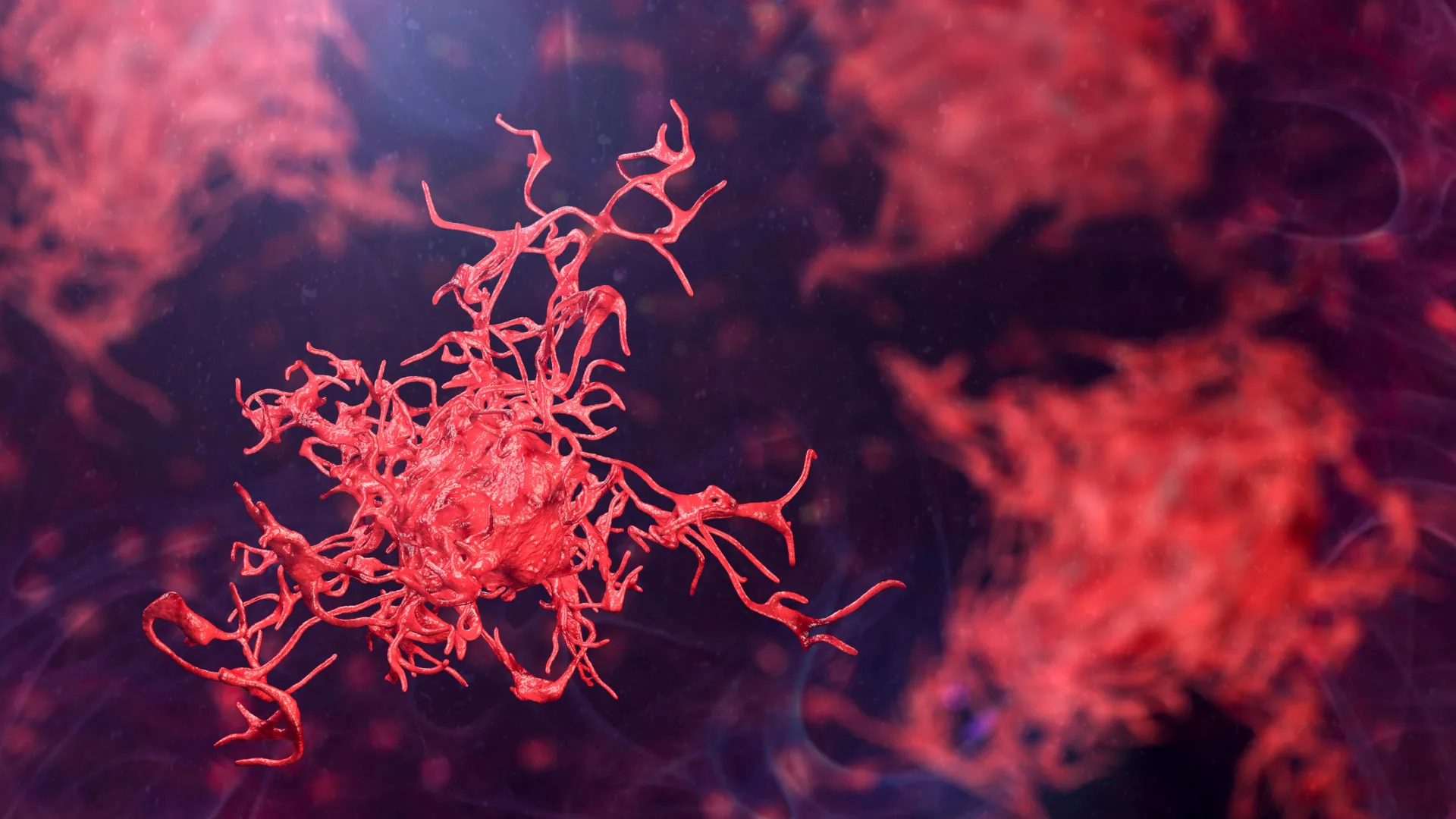
Free-living amoebae are a diverse group of single-celled eukaryotic organisms naturally inhabiting a wide array of environments, from soil matrices to diverse aquatic ecosystems, including freshwater lakes, rivers, and even some treated water systems. While the vast majority of these microscopic entities are benign components of their respective ecosystems, certain species possess a formidable pathogenic potential, capable of inducing severe and often lethal infections in humans. Among the most infamous is Naegleria fowleri, colloquially known for its devastating capacity to cause primary amoebic meningoencephalitis (PAM). This rare but almost invariably fatal brain infection typically occurs when individuals are exposed to contaminated warm fresh water, allowing the amoebae to enter the nasal passages during activities such as swimming or diving. Once in the nasal cavity, Naegleria fowleri can migrate along the olfactory nerves to the brain, where it initiates rapid and extensive tissue destruction, leading to inflammation, swelling, and ultimately, death within days of symptom onset. The swift progression and high mortality rate associated with PAM highlight the critical need for heightened vigilance and understanding of this elusive pathogen.
Beyond Naegleria fowleri, other significant pathogenic FLAs include various species of Acanthamoeba and Balamuthia mandrillaris. Acanthamoeba species are responsible for a spectrum of illnesses, most notably amoebic keratitis (AK), a painful and vision-threatening corneal infection primarily associated with improper contact lens hygiene, particularly when lenses are rinsed or stored in contaminated tap water. In immunocompromised individuals, Acanthamoeba can also cause granulomatous amoebic encephalitis (GAE), a chronic and often fatal central nervous system infection, as well as disseminated disease affecting the skin and other organs. Similarly, Balamuthia mandrillaris is another cause of GAE, known for its protracted course and high mortality, and can also manifest as skin lesions. Unlike Naegleria fowleri, which primarily affects healthy individuals through nasal exposure, Acanthamoeba and Balamuthia infections often target vulnerable populations or occur through different routes, such as breaks in the skin or inhalation of contaminated aerosols. The existence of these varied pathogenic FLAs, each with distinct modes of infection and clinical manifestations, underscores the complex epidemiological landscape presented by these organisms.
A primary reason these amoebic pathogens pose such an intractable challenge to public health is their extraordinary resilience and adaptive capabilities. As articulated by Longfei Shu, a corresponding author affiliated with Sun Yat-sen University, these organisms exhibit remarkable tenacity, enabling them to endure environmental conditions that would prove lethal to many other microbial threats. Their capacity to withstand elevated temperatures is particularly concerning in an era of climate warming, allowing thermophilic species to thrive and expand their geographical ranges into previously unaffected zones. Furthermore, FLAs demonstrate a notable resistance to conventional chemical disinfectants, including chlorine, the mainstay of municipal water treatment. This inherent robustness permits them to persist within complex water distribution networks, challenging the common assumption that treated water supplies are inherently safe from such microscopic invaders.
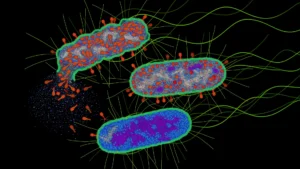
Compounding this intrinsic resilience is a phenomenon known as the "Trojan horse effect," a critical mechanism by which FLAs not only survive but also facilitate the persistence and dissemination of other harmful pathogens. Free-living amoebae are natural predators of bacteria and viruses in their environment. When they engulf these microbes through phagocytosis, the ingested pathogens can, in some cases, evade digestion and instead find refuge within the amoebic host. This intracellular sanctuary shields bacteria and viruses from external stressors, including disinfection processes that would typically eliminate them. This protective mechanism allows pathogens to remain viable and even replicate within the amoebae, effectively turning the amoebae into mobile reservoirs that can transport these secondary invaders through water systems. This unique symbiotic relationship has profound implications for water safety, potentially enhancing the virulence of encapsulated pathogens and, critically, contributing to the global challenge of antibiotic resistance by facilitating the transfer of resistance genes within the amoebic environment.
The global spread and heightened risk associated with FLAs are intrinsically linked to several interconnected environmental and societal trends. Climate change stands out as a paramount driver. Rising ambient and water temperatures create increasingly favorable conditions for thermophilic amoebae, extending their growth seasons and enabling their migration into temperate regions where they were historically uncommon. This expansion directly increases the potential for human exposure, particularly in recreational waters like lakes, rivers, and swimming pools, where warmer temperatures encourage both amoebic proliferation and human activity. Beyond direct temperature effects, climate change also contributes to extreme weather events, such as prolonged droughts followed by intense rainfall or flooding. These events can disrupt water infrastructure, concentrate pathogens in diminished water bodies, or mobilize them through runoff, further exacerbating the risk.
Simultaneously, the aging and often dilapidated state of water infrastructure in many parts of the world provides ideal breeding grounds for these resilient pathogens. Leaky pipes, intermittent water supply, low water pressure, and the accumulation of biofilms within distribution systems create stagnant zones and protective niches where FLAs can thrive, multiply, and become dislodged into the flowing water. These vulnerabilities are not confined to developing nations; many industrialized countries grapple with legacy water systems in dire need of overhaul, presenting a universal challenge.
Furthermore, a significant impediment to effective control is the pervasive lack of adequate monitoring and detection. Routine surveillance for FLAs in environmental water sources and municipal water supplies is not standard practice in most regions. This diagnostic gap extends to clinical settings, where the rarity and non-specific symptoms of amoebic infections often lead to misdiagnosis or delayed identification, significantly impacting patient outcomes, especially for rapid-onset diseases like PAM. The limited epidemiological data stemming from these detection challenges obscures the true incidence and geographical distribution of FLA-related illnesses, hindering targeted public health interventions.
Given the multifaceted nature of this emerging threat, the scientific community, as highlighted in the Biocontaminant perspective, strongly advocates for a comprehensive "One Health" approach. This holistic framework recognizes the fundamental interconnectedness of human health, animal health, and the health of the environment, asserting that solutions to complex health challenges must transcend traditional disciplinary boundaries. For FLAs, a One Health strategy is indispensable because these organisms inherently bridge environmental and human health domains, necessitating integrated solutions rather than isolated interventions.
Key components of such a strategy include:
- Enhanced Surveillance: Implementing robust and systematic environmental monitoring programs for FLAs in diverse water sources, including recreational areas, municipal supplies, and wastewater. This must be coupled with improved epidemiological surveillance of human cases, ensuring rapid reporting and investigation to identify sources and prevent further spread.
- Improved Diagnostics: Investing in the development and deployment of faster, more accurate diagnostic tools for both environmental samples and clinical specimens. Molecular methods, such as PCR, offer the potential for rapid detection, which is crucial for early intervention in clinical cases and timely public health responses to environmental contamination.
- Advanced Water Treatment Technologies: Moving beyond reliance on conventional chlorination, which has proven insufficient against resilient FLAs. This involves exploring and implementing advanced treatment methods such as ultraviolet (UV) disinfection, ozonation, membrane filtration, and other innovative technologies capable of effectively inactivating or removing amoebic cysts and trophozoites from water supplies.
- Public Awareness and Education: Launching targeted public health campaigns to educate communities about the risks associated with FLAs. This includes promoting safe recreational water practices, emphasizing proper contact lens hygiene, and providing guidance on the safe use of neti pots or other nasal irrigation devices with only sterile or distilled water.
- Policy and Regulatory Frameworks: Developing and enforcing comprehensive policies and regulations that mandate routine testing for FLAs in high-risk water environments and establish clear guidelines for water quality standards and response protocols in the event of detection.
- Interdisciplinary Collaboration: Fostering robust collaboration among environmental scientists, public health officials, clinicians, water engineers, policymakers, and community stakeholders. This synergy is essential for sharing knowledge, coordinating research efforts, developing integrated solutions, and ensuring a coherent, effective response to the FLA challenge.
In conclusion, the emerging threat posed by free-living amoebae represents a significant, yet often overlooked, public health imperative. Their remarkable resilience, ability to harbor other pathogens, and the exacerbating effects of climate change and deteriorating infrastructure demand a proactive, integrated response. As Dr. Shu aptly notes, these microorganisms reside at the nexus of environmental and medical concerns, necessitating holistic strategies that safeguard public health by addressing the issue directly at its source. Only through concerted, collaborative, and multidisciplinary efforts, underpinned by a One Health philosophy, can societies effectively mitigate the risks posed by these adaptable and dangerous environmental pathogens, ensuring safer water and healthier communities for the future.
About the Author