The culinary landscape has witnessed a significant evolution, with consumers increasingly seeking high-quality seafood options beyond traditional fare. Among these, tuna steak has emerged as a particularly coveted dish, admired for its versatility, robust flavor, and nutritional profile. However, the pursuit of an exemplary tuna steak in a restaurant setting, especially within larger chain establishments, can often be a discerning endeavor. The journey from ocean to plate involves numerous critical stages, each capable of profoundly impacting the final quality and gastronomic experience. Recognizing this complexity, industry experts, particularly those with a deep understanding of protein sourcing and handling, offer invaluable perspectives on where to find truly remarkable preparations.
One such authority is Gabriel LLaurado, a seasoned butcher and Co-Founder, CMO, and CTO of Meat N’ Bone, a company renowned for its premium meat and seafood offerings. LLaurado’s insights are particularly relevant because his expertise extends beyond red meats to encompass the rigorous standards required for exceptional fish. He emphasizes that the creation of an outstanding tuna steak is a delicate interplay of superior raw material and masterful culinary execution. It is not merely about cooking a piece of fish, but rather a meticulous process that begins long before the tuna ever reaches the kitchen.
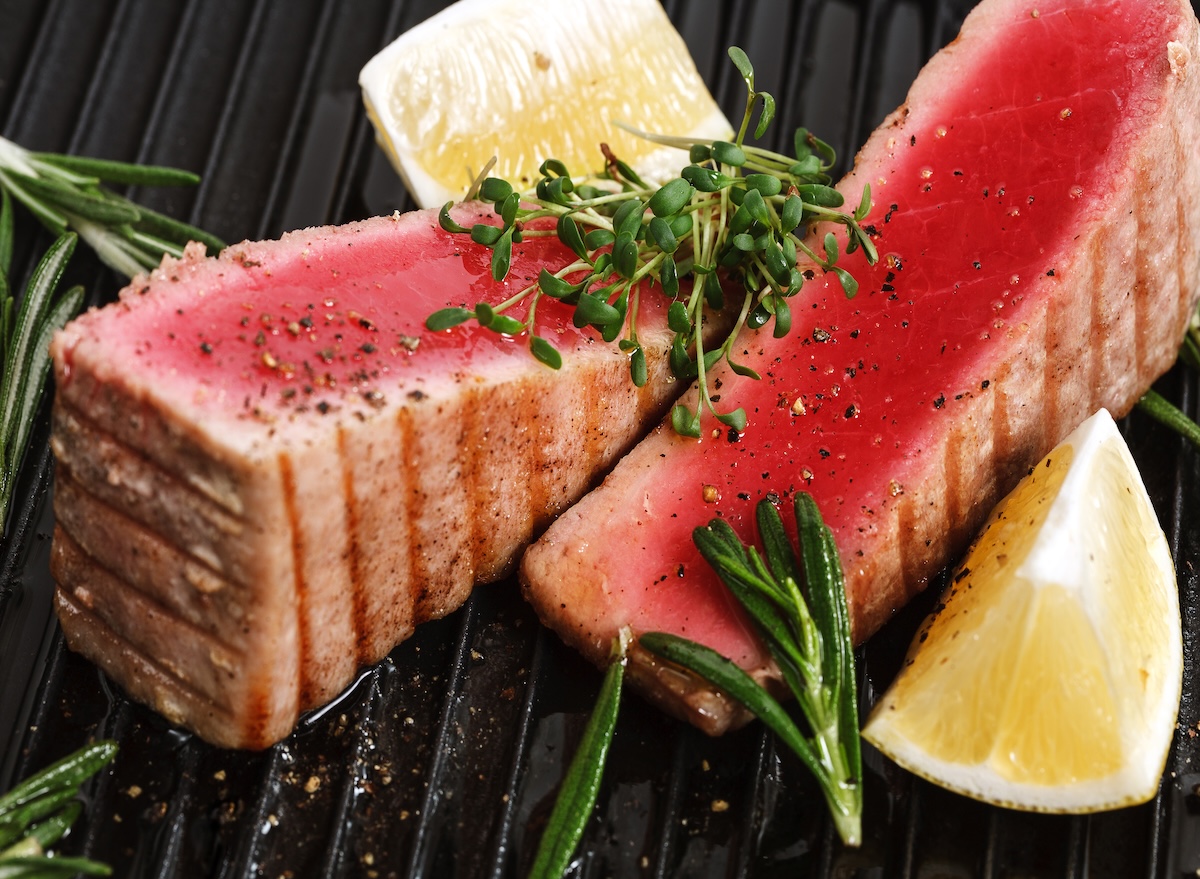
According to LLaurado, the foundation of a great tuna steak lies in the quality of the fish itself, combined with a disciplined approach to preparation. He articulates a clear vision: "A good tuna steak is quality plus restraint: firm, clean-cut tuna; thick enough to sear hard; cooked fast on high heat; finished with something bright (ponzu/citrus) so it stays clean and luxurious." This succinct definition underscores several critical elements that differentiate a mediocre dish from an unforgettable one. The concept of "restraint" is pivotal, suggesting that the natural attributes of the tuna should be enhanced, not overshadowed, by accompanying flavors.
Expanding on the foundational criteria, LLaurado delves into the intricate details of sourcing and handling that are paramount for preserving the integrity of tuna. He stresses that at Meat N’ Bone, their commitment to excellence starts with the origin and treatment of the fish. "We look for fish that’s been properly bled, rapidly chilled, and protected by a strict cold chain, because temperature control is what preserves that clean flavor and firm, steak-like texture," he explains. Proper bleeding, a crucial initial step, removes blood from the fish, which can otherwise lead to off-flavors and a shorter shelf life. Rapid chilling immediately after harvest is essential to halt enzymatic degradation and bacterial growth, locking in freshness. The "cold chain" refers to the uninterrupted series of refrigerated storage and distribution activities that maintain a given temperature range, ensuring the fish remains pristine from the moment it leaves the water until it reaches the consumer or restaurant kitchen. Any lapse in this chain can compromise texture, flavor, and safety.
Beyond these technical aspects, LLaurado further clarifies that their approach to tuna selection is highly specific, moving beyond a generic classification. "We also don’t buy tuna as a generic label—we choose by species, region, and seasonality, since the right origin and harvest window is often the difference between good and unforgettable," he asserts. This granular level of discernment is key. Different tuna species, such as Yellowfin (Ahi) or Bigeye, possess distinct characteristics in terms of fat content, color, and flavor. The region of catch can also influence these traits due to varying ocean temperatures and feeding grounds. Furthermore, seasonality plays a vital role, as fish are often at their peak quality and flavor during certain times of the year, influenced by spawning cycles and migratory patterns. Such rigorous selection ensures that only the finest raw materials make it to the preparation stage.
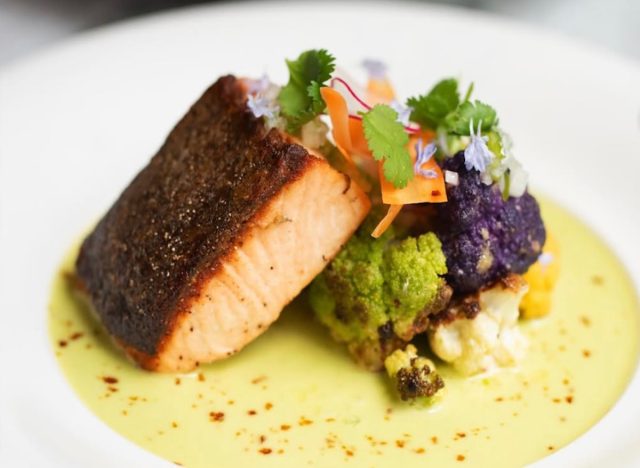
The transition from a raw, high-quality product to a perfectly cooked steak demands a skilled hand. LLaurado’s emphasis on a "thick enough" cut allows for a hard, quick sear on the exterior, creating a delectable crust while leaving the interior beautifully rare and succulent. This precise temperature control, often referred to as "kissing by heat," is an art form, ensuring the delicate texture and fresh taste of the tuna are preserved. Finally, the finishing touch with bright, acidic elements like ponzu or citrus cuts through the richness of the fish, adding a refreshing counterpoint that elevates the overall experience without overpowering the star ingredient.
Given these exacting standards, identifying chain restaurants that consistently deliver on such quality is a challenge. Many chains struggle with the consistency required to source premium ingredients and execute complex preparations across numerous locations. However, certain establishments manage to transcend these hurdles, earning the commendation of experts like LLaurado. For those seeking exceptional tuna steak, his top recommendations highlight a select few that have mastered this delicate balance.
Nobu stands as a global icon in modern Japanese cuisine, celebrated for its innovative dishes and celebrity clientele. According to LLaurado, its tuna steak is a dish that truly shines. He praises its execution: "It’s perfectly seared outside, pristine center, and bright Japanese balance that lets the tuna stay the star." The concept of a "pristine center" speaks to the precise control of internal temperature, ensuring the tuna remains translucent and tender, indicative of its raw quality and careful cooking. Nobu’s culinary philosophy, spearheaded by Chef Nobu Matsuhisa, is known for blending traditional Japanese techniques with Peruvian influences, resulting in unique flavor profiles that are both refined and approachable. Their ability to achieve a "bright Japanese balance" means that the accompanying flavors, often incorporating yuzu, soy, and other traditional components, enhance the tuna’s natural taste rather than masking it. LLaurado specifically notes their skill in "kissing by heat execution," which refers to the precise application of high heat for a short duration, creating a beautiful crust while maintaining the desired rare internal temperature – a hallmark of expertly prepared tuna. This precision, consistently replicated across their international outposts, underscores Nobu’s commitment to culinary excellence.
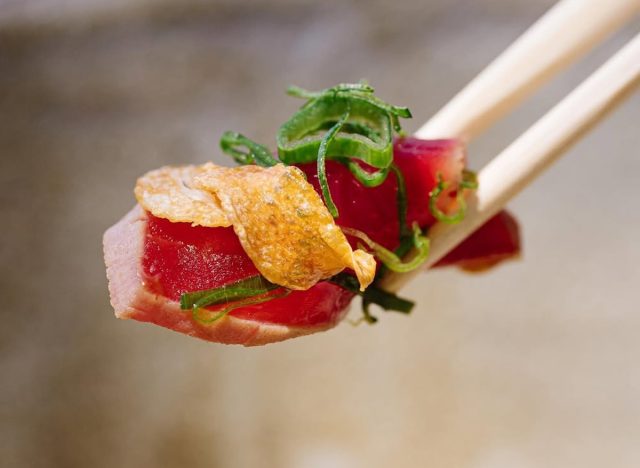
Another establishment earning high marks is Zuma, an international sensation known for its sophisticated izakaya-style dining experience. With locations spanning major global cities, Zuma has cultivated a reputation for high standards, exceptional sushi, and a vibrant, energetic atmosphere. LLaurado commends their approach to tuna, stating, "They do modern Japanese steak-style tuna beautifully—great sear, rare center, and sharp, citrus-forward flavors that feel high-end and intentional." Zuma’s interpretation of tuna steak aligns perfectly with the contemporary palate, offering a dish that is both visually appealing and texturally satisfying. The "great sear" and "rare center" are non-negotiable elements for any high-quality tuna steak, signifying proper cooking technique. What sets Zuma apart, as highlighted by LLaurado, are the "sharp, citrus-forward flavors that feel high-end and intentional." This suggests that the accompanying sauces and garnishes are thoughtfully composed to complement the tuna, adding layers of complexity and freshness without overwhelming the delicate fish. The consistency of this quality across Zuma’s numerous international locations speaks volumes about their rigorous operational standards and dedication to culinary integrity.
Finally, Roka Akor completes LLaurado’s triumvirate of top chain restaurants for tuna steak. This premier small chain focuses on steak, seafood, and sushi, executed with a Japanese robatayaki (charcoal grill) influence. The butcher expresses significant admiration for their reliability, observing, "Roka Akor is very consistent. They treat tuna like a luxury protein—strong sear, clean center, and flavors that support the fish instead of covering it up." The emphasis on "consistency" is particularly significant for a chain, indicating that guests can expect the same high quality regardless of the location they visit. Roka Akor’s philosophy of treating tuna as a "luxury protein" dictates a level of respect and care in its preparation, from sourcing to plating. A "strong sear" implies the intense heat of their robata grill, imparting a smoky char and crispy exterior, while the "clean center" maintains the fish’s natural succulence and flavor. Crucially, the "flavors that support the fish instead of covering it up" align with LLaurado’s initial assertion of "restraint," ensuring that every element on the plate works in harmony to elevate the tuna, allowing its inherent quality to shine through. Their focus on the robatayaki technique often brings a unique depth of flavor through charcoal grilling that differentiates their seafood preparations.
In conclusion, while the search for an exceptional tuna steak can be daunting in a world saturated with dining options, expert guidance provides a clear path. Gabriel LLaurado’s professional insights as a butcher underscore the multifaceted nature of true quality, extending from meticulous sourcing and handling to precise culinary artistry. The recommended establishments—Nobu, Zuma, and Roka Akor—represent the pinnacle of what chain restaurants can achieve when dedicated to upholding the highest standards for this revered seafood. Their success lies in their ability to consistently deliver on the critical elements of firm, clean-cut tuna, expertly seared and complemented by thoughtfully balanced flavors, thereby transforming a simple dish into a memorable dining experience. For discerning diners, these selections offer a reliable benchmark for enjoying a truly superior tuna steak.
About the Author