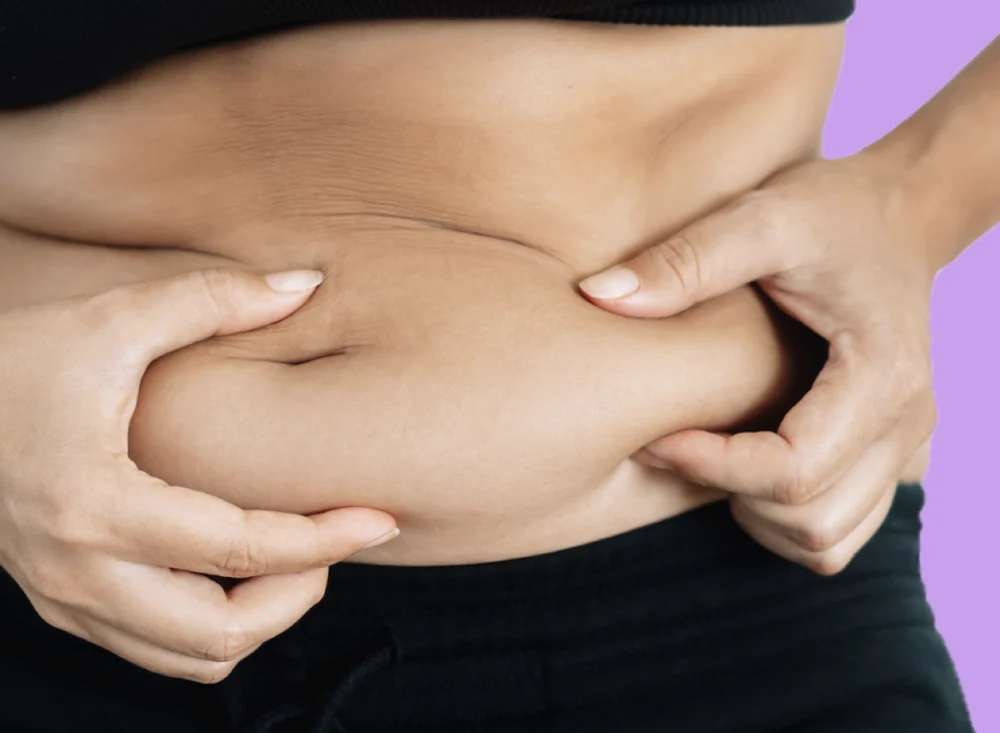
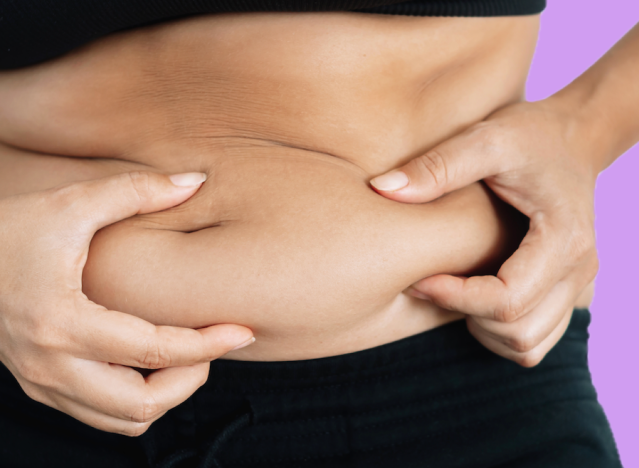
As individuals navigate the complexities of aging, maintaining physical well-being becomes increasingly paramount, particularly concerning abdominal health. The accumulation of excess fat around the midsection, often referred to as "belly overhang," is a common concern among those over 65. However, this is more than just an aesthetic issue; it frequently signifies the presence of visceral fat, a metabolically active and potentially dangerous type of adipose tissue. Unlike subcutaneous fat, which resides just beneath the skin, visceral fat is situated deep within the abdominal cavity, enveloping vital organs such as the liver, pancreas, and intestines. Its presence is strongly correlated with an elevated risk for a spectrum of serious health conditions, including cardiovascular disease, type 2 diabetes, metabolic syndrome, and obstructive sleep apnea. Therefore, proactively addressing this particular type of fat is not merely beneficial for appearance but is a crucial step in preserving long-term health and vitality.
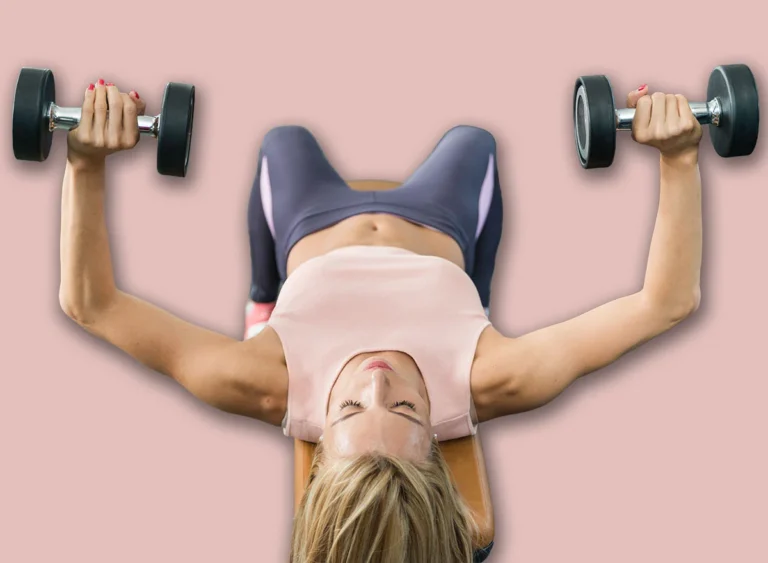
Traditional approaches to abdominal strengthening, such as crunches and sit-ups, have long been staples in fitness regimens. Yet, for the demographic aged 65 and older, these conventional exercises often present significant drawbacks and may even be counterproductive. Karen Ann Canham, a respected authority in wellness and the CEO and founder of Karen Ann Wellness, highlights that these flexion-based movements, while seemingly straightforward, can impose undue stress on sensitive areas like the neck, lumbar spine, and hip flexors. With advancing age, natural physiological changes occur, including alterations in spinal disc integrity, shifts in postural alignment, and modified muscle recruitment patterns. These age-related transformations render many traditional core exercises less appropriate, as they can exacerbate existing discomfort or contribute to new injuries rather than effectively engaging the core musculature.
A critical limitation of many conventional abdominal exercises is their failure to adequately activate the deep core muscles, most notably the transverse abdominis. This muscle acts like a natural corset, wrapping around the trunk to stabilize the spine and flatten the abdominal wall. When these deep stabilizers are neglected, and superficial muscles are overemphasized, the result can be an inefficient core that does little to reduce abdominal protrusion or support overall spinal health. Canham advocates for a different strategy, emphasizing that effective core training in later life should mimic the body’s functional movements, focusing on upright, balanced positions that integrate controlled breathing. This approach, she explains, leads to superior core activation, enhances posture, and cultivates a more robust midsection without subjecting vulnerable joints and tissues to unnecessary strain.
This paradigm shift towards seated, functional core exercises offers a multitude of benefits tailored to the needs of older adults. Firstly, these routines inherently promote improved posture. By engaging the core while maintaining an upright seated position, individuals learn to activate the muscles responsible for supporting the spine against gravity, thereby counteracting the tendency to slouch and reducing the strain on the back. Secondly, the emphasis on integrated breathing techniques within these exercises is profound. Proper diaphragmatic breathing, often overlooked in standard workouts, is intrinsically linked to core function. It helps to regulate the nervous system, fostering a sense of calm and reducing the physiological impact of stress, which can indirectly influence fat metabolism. When the nervous system is better regulated, the body is less likely to store fat in response to elevated cortisol levels. Thirdly, the targeted activation of deep core muscles through seated movements contributes directly to enhanced fat metabolism. A stronger, more engaged core improves overall muscular activity and energy expenditure, supporting the body’s capacity to process and utilize fat stores. Finally, these exercises are designed to optimize muscle activation by isolating the core without relying on momentum or the assistance of larger, accessory muscles, ensuring that the intended muscles are genuinely working.
The following five-minute seated routine, expertly curated by Karen Ann Canham, is designed to be highly effective and gentle on the body, making it an ideal choice for individuals over 65 seeking to improve their core strength and reduce abdominal overhang. Each exercise should be performed for 45 seconds, followed by a 15-second rest period, completing one full round. Consistency is key to unlocking the full spectrum of benefits.
1. Seated Core Brace + Breath:
This foundational exercise focuses on activating the deep transverse abdominis and integrating controlled breathing. Begin by sitting tall in a sturdy chair, feet flat on the floor, hip-width apart. Place one hand on your chest and the other on your abdomen. Inhale deeply through your nose, allowing your belly to gently expand outwards, ensuring your chest remains relatively still. As you exhale slowly through pursed lips, actively draw your navel towards your spine, feeling the abdominal muscles tighten and flatten. Maintain this gentle core brace throughout the entire exhalation, visualizing your "corset" tightening. This movement should be controlled and deliberate, emphasizing the connection between breath and deep core engagement. This practice not only strengthens the transverse abdominis but also encourages proper diaphragmatic breathing, which has numerous systemic benefits for stress reduction and oxygenation.
2. Seated Oblique Rotations:
Targeting the oblique muscles, which are vital for rotational stability and lateral flexion, this exercise helps sculpt the sides of the waist while protecting the spine. Remain seated upright with your feet firmly planted. Place your hands lightly behind your head or cross them over your chest. Keeping your hips stable and facing forward, gently rotate your torso to one side, leading with your rib cage. Avoid straining your neck; the movement should originate from your core. Hold the rotation briefly, feeling the stretch and engagement along your side, then slowly return to the center. Alternate rotations to the opposite side. The focus here is on controlled, smooth movement rather than speed or extreme range, ensuring the core muscles are initiating and controlling the twist, rather than momentum or the upper body. This helps improve spinal mobility and strengthens the muscles that contribute to a more defined waistline.
3. Alternating Seated Knee Lifts:
This exercise engages the lower abdominal muscles and hip flexors in a controlled manner, enhancing strength without putting stress on the lower back. Sit tall, maintaining a slight core brace. Gently lift one knee towards your chest, using your abdominal muscles to initiate the movement rather than pulling with your hands. The lift should be comfortable and controlled, stopping before any strain is felt in the hip or lower back. Slowly lower the foot back to the floor with control, then repeat with the opposite leg. The deliberate lowering phase is just as important as the lift, as it works the muscles eccentrically, building strength and control. This movement helps improve hip mobility and strengthens the often-underutilized lower abdominal region, contributing to a flatter appearance.
4. Seated Side Bends:
Complementing the oblique rotations, seated side bends specifically target the lateral flexors of the trunk, promoting flexibility and strength along the sides of the core. Continue sitting upright with good posture. Place one hand on the side of your chair for support or extend it out. Gently lean to the opposite side, reaching your free arm overhead towards the ceiling, allowing a gentle stretch along your side. Avoid collapsing forward or twisting; the movement should be a pure lateral bend. Feel the engagement in your side abdominal muscles as you slowly return to the upright position. Alternate sides, ensuring the movement is fluid and controlled. This exercise helps to increase the flexibility of the spine and strengthens the obliques and quadratus lumborum, muscles essential for side-to-side stability and a strong, flexible core.
5. Seated March With Core Hold:
This dynamic exercise integrates core stability with coordinated leg movement, mimicking functional walking patterns while maintaining deep core engagement. Sit tall with your core gently braced, as practiced in the first exercise. Begin to march in place, lifting one knee at a time, just a few inches off the floor. The key is to keep your torso stable and upright, preventing any rocking or swaying, and maintaining that subtle core hold throughout the marching motion. The movement should be driven by the legs, but controlled by the core. Focus on maintaining a steady rhythm and consistent core engagement. This exercise improves coordination, strengthens the lower abdominals and hip flexors, and reinforces the ability of the deep core to stabilize the trunk during movement, a crucial aspect for maintaining balance and preventing falls in daily life.
While this five-minute seated routine offers a highly effective and safe method for enhancing core strength and addressing abdominal fat in older adults, it is important to contextualize it within a broader framework of holistic well-being. Reducing visceral fat and improving overall health is a multifaceted endeavor that extends beyond exercise alone. Dietary choices play a pivotal role; a diet rich in whole foods, lean proteins, healthy fats, and fiber, while minimizing processed foods, refined sugars, and excessive unhealthy fats, is foundational. Adequate hydration is also essential for metabolic function and satiety. Furthermore, consistent, restorative sleep is critical, as sleep deprivation can disrupt hormone regulation, leading to increased cortisol levels and a propensity for abdominal fat storage. Stress management techniques, such as mindfulness, meditation, or simply engaging in enjoyable hobbies, are equally important for mitigating the impact of stress hormones on fat accumulation. Finally, before embarking on any new exercise regimen, particularly for individuals over the age of 65 or those with pre-existing health conditions, consulting with a healthcare professional or a certified physical therapist is always recommended to ensure the routine is appropriate and safe for their specific needs.
Embracing a comprehensive approach to health, with targeted, age-appropriate exercise at its core, empowers older adults to not only reduce abdominal fat but also to enhance their overall quality of life. By prioritizing deep core activation, improving posture, and integrating mindful movement and breathing, individuals can foster a stronger, more resilient body, promoting greater independence and well-being for years to come.
About the Author