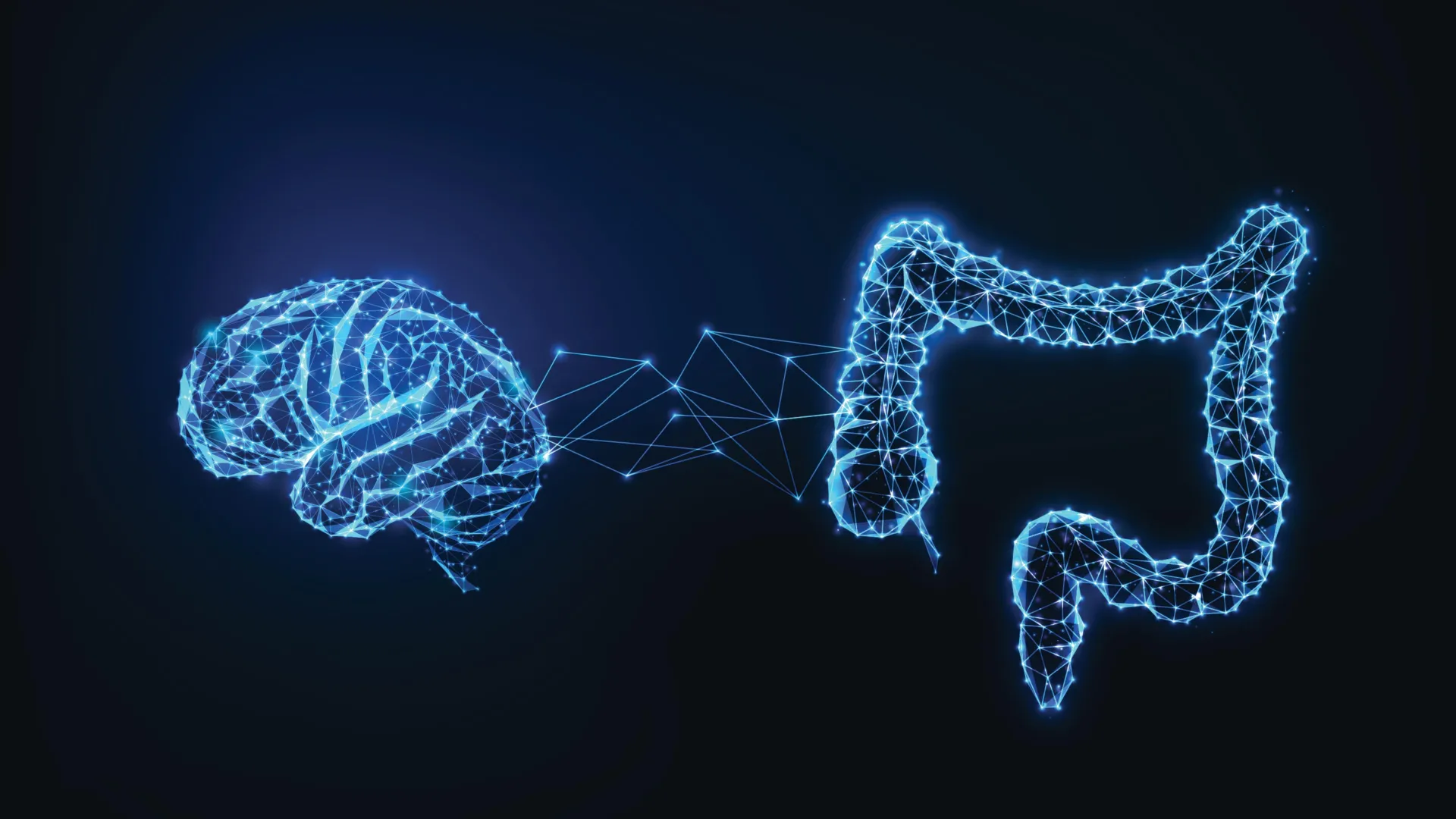
A groundbreaking investigation has unveiled compelling experimental data, demonstrating a direct and profound influence of the gut microbiome on the intricate workings of the brain, thereby illuminating a significant link between microbial communities and neural activity across primate species. This research directly addresses a long-standing enigma in evolutionary biology: how mammals, particularly humans, evolved to possess exceptionally large brains relative to their body size, a trait that necessitates an enormous and continuous supply of energy for both development and maintenance.
Scientists at Northwestern University have provided the inaugural direct experimental validation for the hypothesis that the gut microbiota plays a pivotal role in shaping the variations observed in brain function among different primate lineages. This study moves beyond correlational findings, offering tangible evidence of causality. Dr. Katie Amato, an associate professor of biological anthropology and the principal investigator leading this endeavor, emphasized the study’s contribution to understanding evolutionary trajectories, stating, "Our research unequivocally demonstrates that these microbes are actively influencing traits that are fundamental to our comprehension of evolution, with a particular focus on the developmental arc of the human brain."
This latest work builds upon preceding discoveries from Dr. Amato’s laboratory, which had previously established that gut microbes originating from primates characterized by larger relative brain sizes yielded a greater metabolic energy output when transferred into laboratory mice. This amplified energy production is a critical factor, given the brain’s voracious appetite for fuel to support its complex developmental processes and ongoing operations. The current study, however, extended these investigations by delving into the physical structure and functional characteristics of the brain itself. The research team sought to ascertain whether the gut microbial populations derived from primates exhibiting distinct relative brain sizes could, in fact, induce observable alterations in the brain activity of their host mice.
To rigorously test this hypothesis, the researchers orchestrated a meticulously controlled laboratory experiment. This involved the introduction of gut microbiota from three distinct primate groups into germ-free mice – mice devoid of any indigenous microbial inhabitants. The selected donor species included two primate groups known for their comparatively larger brains: humans and squirrel monkeys, alongside one group with a smaller brain size: macaques. Following an eight-week observation period, the scientific team meticulously analyzed the brain activity of the recipient mice. Their findings revealed unmistakable divergences in neural patterns. Specifically, mice that had been colonized with microbes from primates possessing smaller brains exhibited distinct brain function profiles when contrasted with those that received microbial communities from larger-brained primate species.
Further detailed examination of the recipient mice’s brains uncovered significant shifts in gene expression. In the mice inoculated with microbes from larger-brained primates, researchers observed an elevated activity in genes associated with energy metabolism and synaptic plasticity. Synaptic plasticity, a fundamental neurobiological process, underpins the brain’s remarkable capacity for learning, memory formation, and adaptation to new information. Conversely, these crucial pathways demonstrated considerably diminished activity in the mice that had received microbiota from primates with smaller relative brain sizes. Dr. Amato remarked on the remarkable convergence of their findings: "What proved exceptionally fascinating was our ability to juxtapose the data derived from the host mice’s brain gene expression with analogous data from the brains of actual macaques and humans. To our astonishment, a substantial number of the patterns we identified in the mice’s brain gene expression mirrored those observed in the brains of the primates from which the microbes originated. In essence, we succeeded in inducing brain characteristics in mice that were reflective of the brains of the actual primates that donated the microbial samples."
Beyond these insights into typical brain development and function, the study yielded an unexpected and potentially significant discovery. Mice that were colonized with gut microbes from smaller-brained primate species displayed gene expression patterns that bore a striking resemblance to those associated with neurodevelopmental and psychiatric conditions, including Attention-Deficit/Hyperactivity Disorder (ADHD), schizophrenia, bipolar disorder, and autism spectrum disorder. While prior research has frequently identified correlations between alterations in gut microbiome composition and conditions such as autism, direct experimental evidence establishing a causal role for gut microbes in the etiology of these disorders has remained largely elusive.
Dr. Amato elaborated on the implications of this unexpected finding: "This study furnishes additional potent evidence suggesting that microbes may indeed exert a causal influence on the development of these disorders. Specifically, the gut microbiome appears to be actively shaping brain function during critical developmental windows. Based on our findings, we can reasonably hypothesize that if the developing human brain is exposed to the activity of ‘inappropriate’ microbes, its developmental trajectory will be altered, potentially manifesting in symptoms characteristic of these disorders. Conversely, if an individual does not acquire colonization by the ‘correct’ human microbes during early life, their brain may function differently, thereby increasing the risk for the emergence of these conditions."
The ramifications of these findings extend deeply into our understanding of both individual brain development and the broader evolutionary history of primate brains. Dr. Amato posits that the discoveries hold considerable promise for clinical applications, particularly in elucidating the origins of specific psychological disorders and in recasting the study of brain development through an evolutionary framework. She further mused, "It is profoundly interesting to contemplate brain development across diverse species and within individual lifespans. Investigating whether cross-sectional, cross-species differences in observed patterns can reveal overarching principles governing microbial-brain interactions, and whether these principles can be extrapolated to individual developmental processes, warrants significant future exploration."
The comprehensive findings of this pivotal research, officially titled "Primate gut microbiota induce evolutionarily salient changes in mouse neurodevelopment," have been formally published in the esteemed Proceedings of the National Academy of Sciences of the United States of America, marking a significant advancement in the fields of evolutionary biology, neuroscience, and microbiology.
About the Author