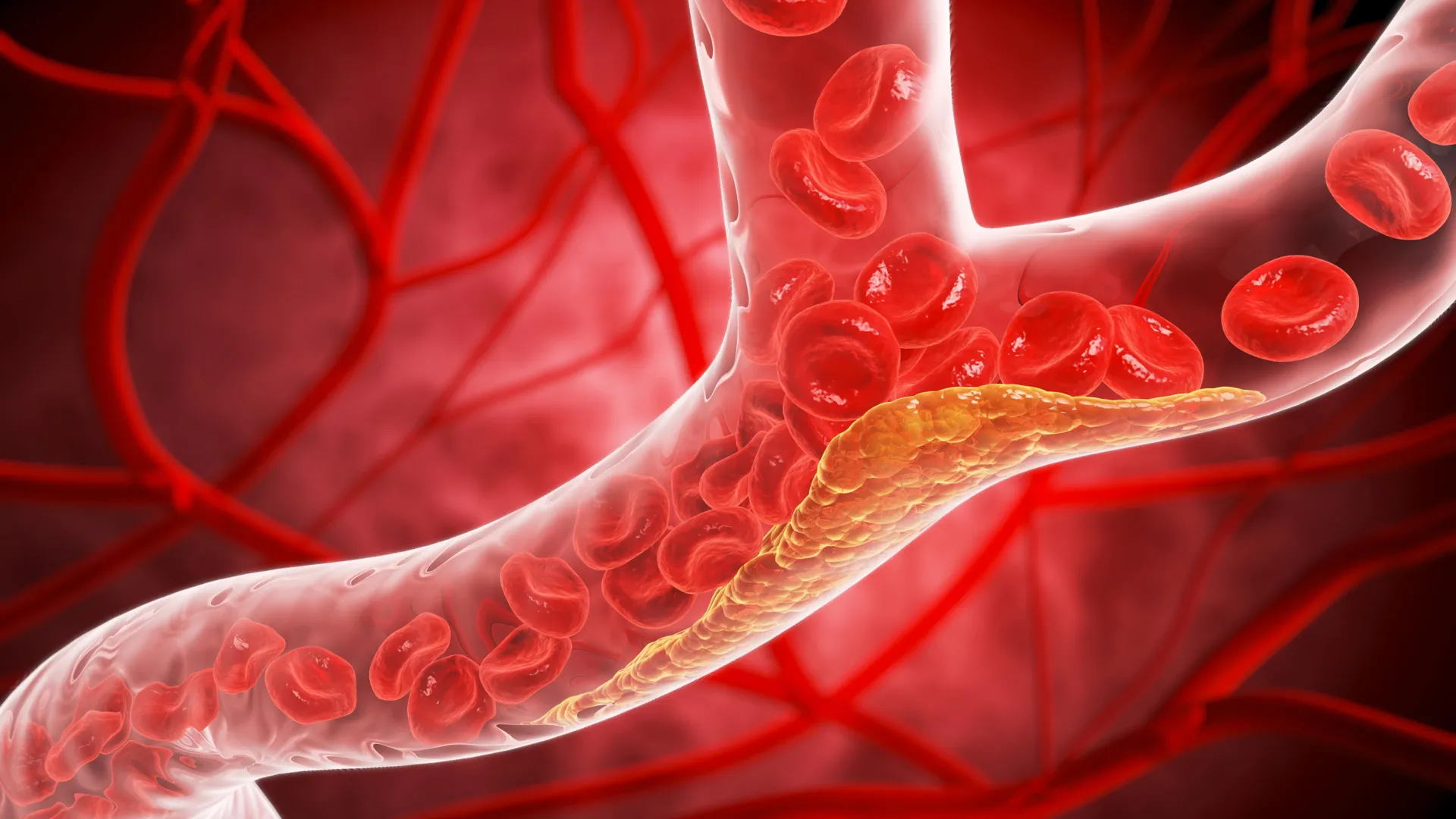
The prolonged presence of type 2 diabetes initiates a progressive and insidious assault on the vascular system, a phenomenon now illuminated by groundbreaking research from Karolinska Institutet. Published in the esteemed journal Diabetes, this new investigation posits that alterations within red blood cells are a critical, and previously underappreciated, mechanism driving the escalating risk of cardiovascular events observed in individuals managing this chronic condition. Beyond mere correlation, the study unveils a specific molecular player that holds significant promise as an early indicator of impending vascular damage, potentially revolutionizing risk stratification and preventative strategies.
For those diagnosed with type 2 diabetes, the specter of heart attack and stroke looms larger with each passing year, a statistical certainty underscored by a growing body of scientific evidence. While it has long been acknowledged that red blood cells play a role in the compromised function of blood vessels characteristic of diabetes, this latest research provides a crucial temporal dimension. It meticulously demonstrates that the duration of the disease dictates not only the onset but also the developmental trajectory of these detrimental red blood cell changes. Over extended periods of living with type 2 diabetes, these ubiquitous cells appear to transition from passive carriers of oxygen to active agents of vascular harm, directly contributing to the insidious damage that underpins cardiovascular complications.
The research team embarked on a comprehensive investigation, drawing insights from both carefully controlled animal models and a cohort of human participants diagnosed with type 2 diabetes. Their meticulous examination of red blood cells isolated from mice and from human patients who had lived with the disease for many years revealed a consistent pattern: these aged, diabetes-affected red blood cells exhibited a marked impairment of normal blood vessel function. In stark contrast, red blood cells obtained from individuals recently diagnosed with type 2 diabetes showed no discernible detrimental impact on vascular health. This critical distinction highlights the progressive nature of the cellular changes. However, the study’s longitudinal follow-up provided a compelling narrative: over a seven-year period, the red blood cells from these same newly diagnosed patients began to exhibit the same damaging characteristics observed in the long-standing diabetes group. This observation strongly suggests a tipping point, a threshold in disease duration beyond which red blood cells acquire their pathogenic potential.
A pivotal discovery within this research centers on the molecule microRNA-210. The study’s findings indicate that restoring normal levels of this specific microRNA within red blood cells led to a significant improvement in blood vessel function. This suggests a direct causal link between microRNA-210 dysregulation in red blood cells and the observed vascular impairments associated with long-term type 2 diabetes. The implications of this finding are profound, pointing towards a specific molecular target that could be manipulated to mitigate or even reverse some of the vascular damage.
Zhichao Zhou, an associate professor at the Department of Medicine, Solna, Karolinska Institutet, and the lead author of the study, emphasized the study’s central revelation: "What really stands out in our study is that it is not only the presence of type 2 diabetes that matters, but how long you have had the disease. It is only after several years that red blood cells develop a harmful effect on blood vessels." This statement underscores a paradigm shift in understanding the pathophysiology of diabetic vascular complications, moving beyond a general acknowledgment of diabetes’s impact to a more nuanced appreciation of its temporal progression at the cellular level. The gradual acquisition of damaging properties by red blood cells over years of exposure to the diabetic milieu represents a critical insight into the slow, often silent, deterioration of cardiovascular health.
The identification of microRNA-210 as a potential culprit opens exciting avenues for early disease detection. The research team’s findings strongly suggest that the levels of microRNA-210 within red blood cells could serve as a valuable biomarker for anticipating the development of cardiovascular complications. This prospect is particularly significant because cardiovascular disease often progresses silently for years before overt symptoms manifest, making early identification challenging. By monitoring microRNA-210 levels, clinicians might gain the ability to identify individuals at highest risk long before irreversible vascular damage has occurred, allowing for timely and targeted interventions. The researchers are actively pursuing the validation of this approach through larger-scale population studies, a crucial step in translating this laboratory discovery into clinical practice.
Eftychia Kontidou, a doctoral student within the same research group and the first author of the study, articulated the practical impact of these findings: "If we can identify which patients are at greatest risk before vascular damage has already occurred, we can also become better at preventing complications." This sentiment encapsulates the ultimate goal of this research: to empower healthcare professionals with the tools to proactively manage cardiovascular risk in individuals with type 2 diabetes. The ability to pinpoint those most vulnerable to future vascular events, based on specific red blood cell characteristics, would represent a significant leap forward in preventative cardiology, potentially reducing the incidence of heart attacks, strokes, and other devastating cardiovascular outcomes.
The study’s methodology, involving both animal models and human subjects, provides robust evidence for the proposed mechanisms. The use of animal models allowed for controlled experimentation and the manipulation of molecular pathways, while the human cohort provided real-world relevance and confirmed the applicability of the findings to the clinical setting. The meticulous seven-year follow-up of newly diagnosed patients was instrumental in establishing the temporal relationship between disease duration and the development of harmful red blood cell characteristics. This longitudinal design is crucial for understanding the natural history of disease progression and for identifying the specific factors that contribute to long-term complications.
Furthermore, the research delves into the functional consequences of these red blood cell changes. Impaired blood vessel function in diabetes can manifest in various ways, including reduced vasodilation (the ability of blood vessels to widen), increased inflammation, and a heightened tendency for blood clot formation. The study’s findings suggest that the altered red blood cells contribute to these dysfunctions, thereby creating a pro-atherosclerotic environment that favors the buildup of plaque within arteries. This intricate interplay between red blood cells and the vascular endothelium (the inner lining of blood vessels) is a critical area of focus for understanding the pathogenesis of diabetic macrovascular complications.
The implications of this research extend beyond immediate clinical applications. It opens new avenues for fundamental research into the biology of red blood cells and their evolving role in chronic disease. Understanding precisely how microRNA-210 influences red blood cell function and interacts with vascular cells could lead to the development of novel therapeutic strategies aimed at modulating these pathways. Such strategies might include targeted drug therapies or even cell-based interventions designed to restore the protective functions of red blood cells in the diabetic state.
In conclusion, the Karolinska Institutet study offers a compelling and detailed explanation for the escalating cardiovascular risk associated with long-term type 2 diabetes. By identifying specific, time-dependent changes in red blood cells, particularly concerning microRNA-210, the research provides a crucial piece of the puzzle in understanding how this chronic condition silently erodes vascular health. The potential for microRNA-210 to serve as an early warning biomarker holds immense promise for improving preventative care, enabling earlier interventions, and ultimately mitigating the burden of cardiovascular disease in the growing population of individuals living with type 2 diabetes. This work represents a significant step forward in our understanding of the complex and multifaceted ways in which diabetes impacts the cardiovascular system.
About the Author