For the first time, a research team at the University of British Columbia (UBC) has successfully established a reliable and scalable method for generating a critical component of the human immune system – helper T cells – from pluripotent stem cells within a controlled laboratory environment. This breakthrough, detailed in the January 7th publication of the journal Cell Stem Cell, addresses a significant obstacle that has impeded the development, cost-effectiveness, and widespread availability of cell-based therapeutic interventions. The implications of this discovery extend across a broad spectrum of medical applications, potentially accelerating the realization of readily available treatments for conditions ranging from oncological malignancies and infectious diseases to autoimmune disorders.
Engineered cell therapies represent a transformative frontier in modern medicine, offering profound and sometimes life-saving outcomes for patients grappling with previously intractable diseases, particularly certain forms of cancer. Treatments like CAR-T therapy exemplify this paradigm shift, wherein a patient’s own immune cells are genetically modified to identify and eradicate diseased cells, effectively transforming these biological entities into potent "living drugs." However, the inherent complexity and substantial cost associated with these personalized treatments, which often necessitate the collection and multi-week preparation of an individual patient’s cells, render them inaccessible to a significant portion of the global patient population.
The ultimate aspiration within the field of cell therapy is the creation of "off-the-shelf" treatments. These would be manufactured in advance, on a much larger scale, and derived from a renewable source such as stem cells, thereby dramatically reducing costs and ensuring immediate availability when a patient requires treatment. This vision hinges on the ability to consistently produce diverse types of immune cells, a feat that has presented considerable challenges, particularly concerning helper T cells.
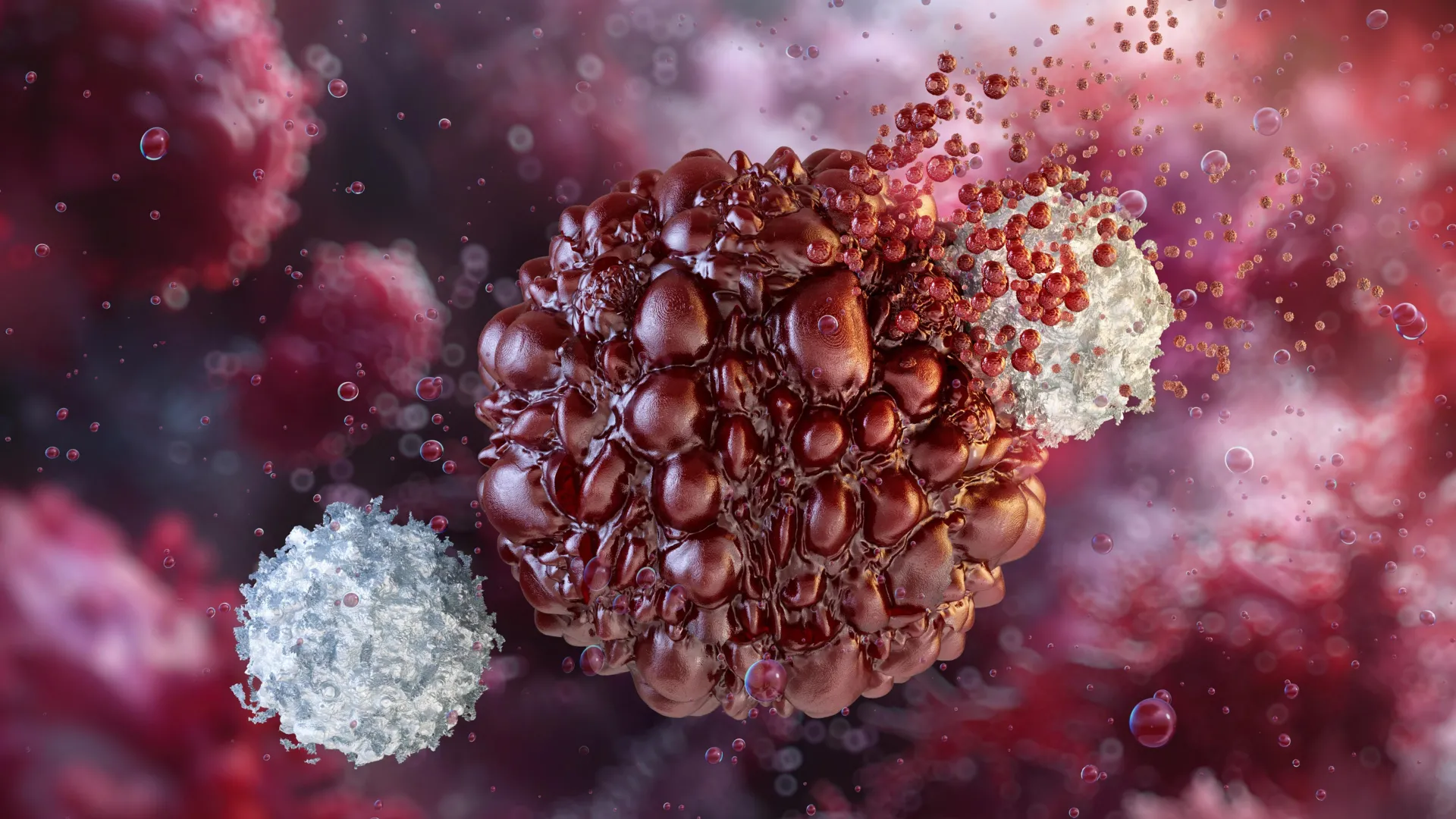
The efficacy of cell-based cancer therapies is significantly enhanced when two distinct types of immune cells collaborate. Killer T cells are the direct effectors, responsible for physically attacking and eliminating infected or cancerous cells. Complementing their role are helper T cells, which function as the orchestrators of the immune response. They meticulously identify threats, initiate the activation of other immune cells, and sustain the immune system’s engagement over an extended period, thereby ensuring a robust and lasting defense. While considerable progress has been made in generating killer T cells from stem cells in laboratory settings, the consistent and reliable production of helper T cells has remained an elusive goal until the recent work by the UBC researchers.
The essential nature of helper T cells in mounting a potent and enduring immune response cannot be overstated, making their inclusion crucial for maximizing the effectiveness and adaptability of future off-the-shelf therapeutic modalities. The UBC team’s innovative approach involved meticulously manipulating the biochemical signals that govern stem cell differentiation. By precisely controlling these developmental cues, they were able to steer stem cells toward becoming either helper T cells or killer T cells with remarkable accuracy.
Central to this advancement was the identification of a crucial developmental signal known as Notch. The research revealed that Notch signaling plays a vital, yet time-sensitive, role in the formation of immune cells. While this signal is indispensable during the early stages of development, its prolonged activity can inadvertently inhibit the generation of helper T cells.
The researchers discovered that by finely adjusting the timing and magnitude of Notch signal reduction, they could effectively direct stem cells to differentiate into either helper or killer T cells. This controlled laboratory environment is directly translatable to the demands of real-world biomanufacturing, representing a fundamental step toward transforming this scientific discovery into a clinically viable therapy.
Furthermore, the study rigorously validated the functional integrity of the laboratory-generated helper T cells. These cells not only exhibited the characteristic morphology of authentic human helper T cells but also demonstrated comparable functional capabilities. Evidence of full maturation was observed, along with the presence of a diverse array of immune receptors, and the capacity to differentiate into specialized subtypes, each fulfilling distinct immunological roles. This confirmation that these cells "look and act like genuine human helper T cells" is paramount for their future therapeutic application.
The ability to generate both helper and killer T cells in a controlled manner, and crucially, to manage their relative proportions, holds the potential to significantly augment the efficacy of stem cell-derived immune therapies. This achievement marks a substantial leap forward in the quest to develop scalable and economically feasible immune cell therapies. The technology now provides a foundational platform for exploring the precise role of helper T cells in bolstering the elimination of cancerous cells, as well as for developing novel classes of helper T cell-derived cells, such as regulatory T cells, for direct clinical deployment. The implications of this research extend beyond cancer, offering a pathway to more effective treatments for a wide range of immune-related conditions by providing a reliable source of these critical immune regulators.
About the Author