
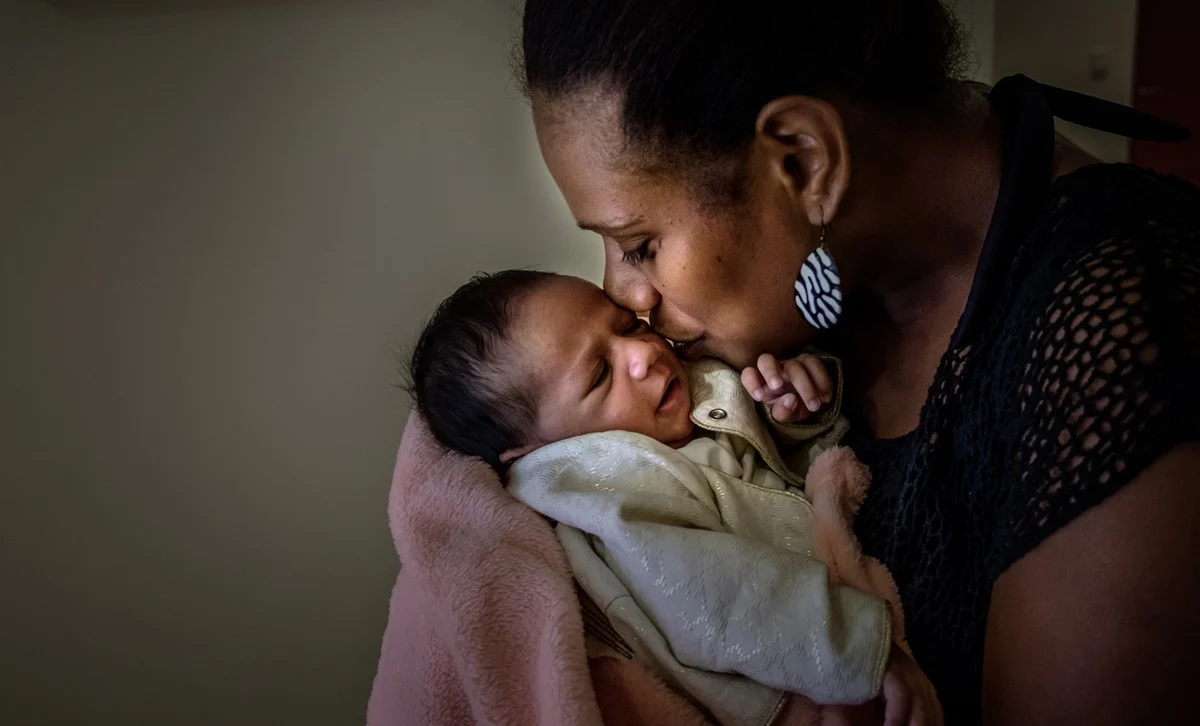
On April 7, 2025, the global health community observed World Health Day, an annual observance that this year carried a particularly urgent message: a collective imperative to safeguard and advance maternal and newborn health. Coinciding with the World Health Organization’s (WHO) 77th anniversary, the day served not merely as a celebration but as the launchpad for a comprehensive, year-long campaign themed "Healthier beginnings, hopeful futures." This strategic focus underscores the foundational role that robust maternal and neonatal care plays in fostering not just individual well-being, but the resilience and prosperity of entire communities and nations. The gravity of the occasion was reflected in an unprecedented, synchronized mobilization, with over a hundred WHO country and regional offices worldwide coordinating extensive public advocacy initiatives. These actions, undertaken in close collaboration with Member States, local communities, dedicated health workers, and various partner and donor agencies, collectively amplified a critical warning: the gains painstakingly made in maternal and newborn health are increasingly jeopardized by pervasive funding shortfalls impacting the global health sector.
For decades, the international community has channeled significant resources and expertise into reducing preventable deaths among mothers and their newborns. These efforts have yielded substantial, albeit uneven, progress, demonstrating that focused interventions can dramatically improve outcomes. However, this hard-won advancement remains inherently fragile. The current global landscape is marked by a confluence of challenges, from economic downturns and geopolitical instability to the lingering aftershocks of global pandemics. These factors often lead to diverted attention and, crucially, diminished financial commitments to essential public health services. When funding streams for healthcare diminish, maternal and newborn services, often seen as foundational but sometimes vulnerable to budget cuts, are among the first to face severe consequences.
The threat of such fiscal retrenchment is not theoretical; it directly imperils the infrastructure, personnel, and supply chains vital for delivering quality care. Antenatal check-ups, skilled assistance during childbirth, emergency obstetric and neonatal care, and essential postnatal support are all reliant on consistent investment. Without it, the risk of "backsliding" – a reversal of progress that could see preventable maternal and infant mortality rates climb once more – becomes a grim reality. United Nations agencies have voiced serious concerns regarding this potential regression, emphasizing that a failure to protect these critical services would undermine not only health objectives but broader sustainable development goals. The World Health Day 2025 campaign, therefore, represents a forceful, unified response to this looming crisis, designed to re-center attention and resources on what is arguably the most fundamental aspect of human health.
The global nature of WHO’s coordinated response highlights the universal significance of maternal and newborn health, transcending geographical and socio-economic boundaries. From the bustling urban centers of the Western Pacific to the remote villages of the African continent, and across the diverse landscapes of the Americas, Eastern Mediterranean, European, and South-East Asia regions, local offices adapted global messages to resonate with specific community needs and cultural contexts. This multi-stakeholder approach is crucial; governments provide policy frameworks and resources, communities offer engagement and insights into local challenges, health workers deliver frontline care, and partners and donors supply essential financial and technical support. This intricate web of collaboration is essential to building resilient health systems capable of withstanding external pressures and delivering consistent, high-quality care.
The "funding challenges" that sparked this global outcry are multifaceted. They encompass reductions in Official Development Assistance (ODA) from donor countries, reallocations of national budgets towards other pressing crises, and the strain placed on healthcare systems by inflation and supply chain disruptions. The cumulative effect is a squeeze on resources that directly impacts the availability of life-saving interventions. For instance, cuts can lead to shortages of trained midwives and nurses, lack of essential medicines and equipment for birthing centers, and reduced access to transportation for pregnant women in rural areas needing emergency care. These operational shortfalls translate directly into increased risks for mothers and their babies, potentially leading to complications, disabilities, or even death that could otherwise be avoided. The economic rationale for investing in maternal and newborn health is equally compelling; healthy mothers and children contribute to a productive workforce, drive economic growth, and break cycles of intergenerational poverty.
The theme "Healthier beginnings, hopeful futures" encapsulates a vision that extends far beyond mere survival. It speaks to the aspiration of ensuring every mother and child not only lives but thrives, laying a robust foundation for a lifetime of health and well-being. This includes comprehensive reproductive health services, quality antenatal care that addresses both physical and mental health, safe delivery environments, and crucial postnatal support for both mother and infant. For newborns, it encompasses vital vaccinations, nutrition, early childhood development interventions, and prompt treatment for common ailments. By securing these "healthier beginnings," societies cultivate "hopeful futures" – futures where individuals can reach their full potential, contribute meaningfully to their communities, and perpetuate a cycle of health and prosperity. This holistic perspective recognizes that a child’s earliest days profoundly shape their long-term health trajectory, educational attainment, and overall life chances.
The designation of World Health Day 2025 as the kickoff for a year-long campaign signifies a strategic shift from episodic awareness to sustained, focused action. It acknowledges that addressing deep-seated systemic issues requires continuous engagement, advocacy, and resource mobilization. Over the next twelve months, WHO and its partners will maintain pressure on governments and the broader health community to intensify efforts aimed at eradicating preventable maternal and newborn deaths. This extended focus will also prioritize women’s longer-term health and well-being, acknowledging that a woman’s health extends beyond pregnancy and childbirth to encompass reproductive health, mental health, and the prevention and management of non-communicable diseases throughout her life course. This comprehensive approach recognizes the interconnectedness of women’s health with the health of their families and communities.
Across the diverse regions, the advocacy actions took on various forms, each tailored to local contexts but united by the overarching goal. In the WHO Region of the Americas, for example, the Pan American Health Organization (PAHO/WHO) office in Chile exemplified this localized yet globally resonant approach. On World Health Day, Dr. Giovanni Escalante Guzmán, the PAHO/WHO Chile Country Representative, engaged in a significant dialogue with Juana Cheuquepan, a respected Mapuche leader. Their discussion, centered on "mother and newborn health as the basis for healthy families and communities," highlighted the importance of culturally sensitive and community-led health initiatives. Involving indigenous leaders like Ms. Cheuquepan is crucial for integrating traditional knowledge, understanding specific community needs, and ensuring that health programs are not only effective but also equitable and respectful of diverse populations. This approach underscores that effective health solutions must be co-created with the communities they aim to serve, particularly those often marginalized or underserved.
The global call issued by UN agencies on World Health Day, warning against the severe threat of backsliding in maternal and newborn health, found a strong echo in these worldwide actions. The collective voice of over one hundred WHO offices and their partners generated a powerful response, signaling a unified commitment to avert this crisis. The initiatives ranged from public awareness campaigns and policy dialogues to technical workshops and community engagement programs, all designed to reinforce the message that investment in maternal and newborn care is not an expenditure but a fundamental investment in humanity’s future. Governments are urged to translate this global consensus into tangible national strategies, reinforcing primary healthcare systems, ensuring universal access to quality care, and bolstering the health workforce.
Looking ahead, the year-long campaign aims to solidify these commitments, moving from advocacy to measurable progress. It is an invitation to every stakeholder – policymakers, healthcare providers, civil society organizations, donors, and individuals – to recognize their role in shaping a world where every mother and newborn receives the care they deserve. The challenges are formidable, but the collective resolve demonstrated on World Health Day 2025 offers a hopeful trajectory. By prioritizing "healthier beginnings" for all, the global community can indeed forge "hopeful futures," ensuring that the promise of health and dignity is realized for generations to come. This sustained commitment is not merely a medical imperative but an ethical and economic one, foundational to building a more resilient, equitable, and prosperous world.
About the Author












