The Hashemite Kingdom of Jordan recently hosted Dr. Tedros Adhanom Ghebreyesus, Director-General of the World Health Organization (WHO), for a significant two-day state visit, marking a pivotal moment in global health diplomacy. This high-profile engagement underscored Jordan’s indispensable role in the Middle East as a beacon of humanitarian aid, a staunch advocate for comprehensive healthcare access, and a critical partner in global health initiatives. The visit primarily focused on cementing collaborative efforts across universal health coverage (UHC), the integration of mental health services into primary care, and robust humanitarian health operations, particularly in response to regional crises.
A central highlight of the inaugural day was Dr. Tedros’s audience with His Majesty King Abdullah II. This meeting served as a powerful affirmation of the strategic partnership between the WHO and Jordan, reflecting the monarch’s enduring commitment to elevating health as a national and international priority. Discussions spanned critical areas, including strategies to bolster national healthcare infrastructures, expand the reach of essential medical services, and sustain crucial support for emergency humanitarian responses throughout the region. Particular emphasis was placed on the dire health needs of the Palestinian population, the provision of specialized treatment for patients medically evacuated from Gaza to Jordanian facilities, and the extensive care extended to the millions of refugees currently residing within Jordan’s borders.
Dr. Tedros expressed profound gratitude for King Abdullah II’s steadfast dedication to progressing universal health coverage, acknowledging Jordan’s pioneering efforts in this domain. He further commended His Majesty and the people of Jordan for their remarkable compassion and benevolence in providing vital health services to over three million displaced individuals, primarily those who have sought refuge from conflicts in Gaza and Syria. This extraordinary commitment, he noted, places immense strain on national resources but exemplifies Jordan’s unwavering humanitarian spirit. The WHO Director-General also highlighted the King’s Royal Medical Corridor initiative, which has been instrumental in delivering life-saving critical care to ailing and injured children from Gaza, illustrating Jordan’s proactive leadership in crisis response. “Jordan consistently demonstrates to the world the true meaning of prioritizing well-being and compassion,” Dr. Tedros remarked, emphasizing the nation’s exemplary moral stance.
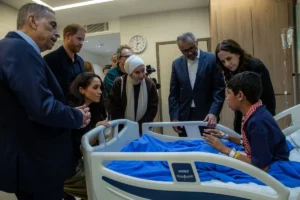
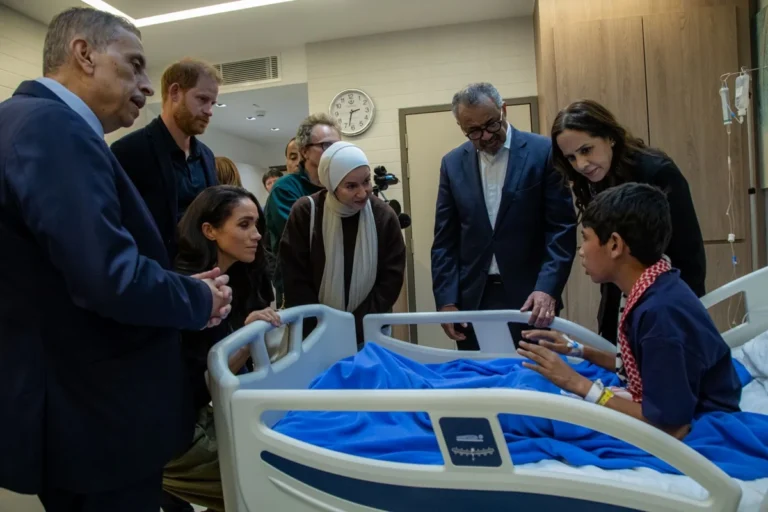
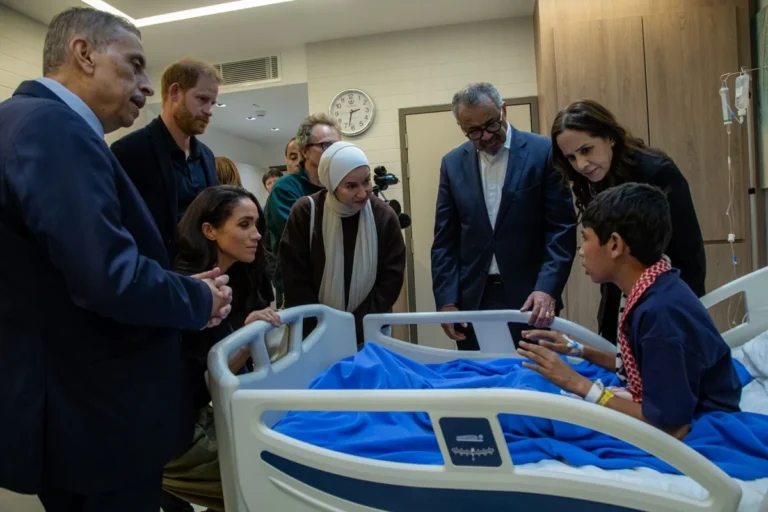
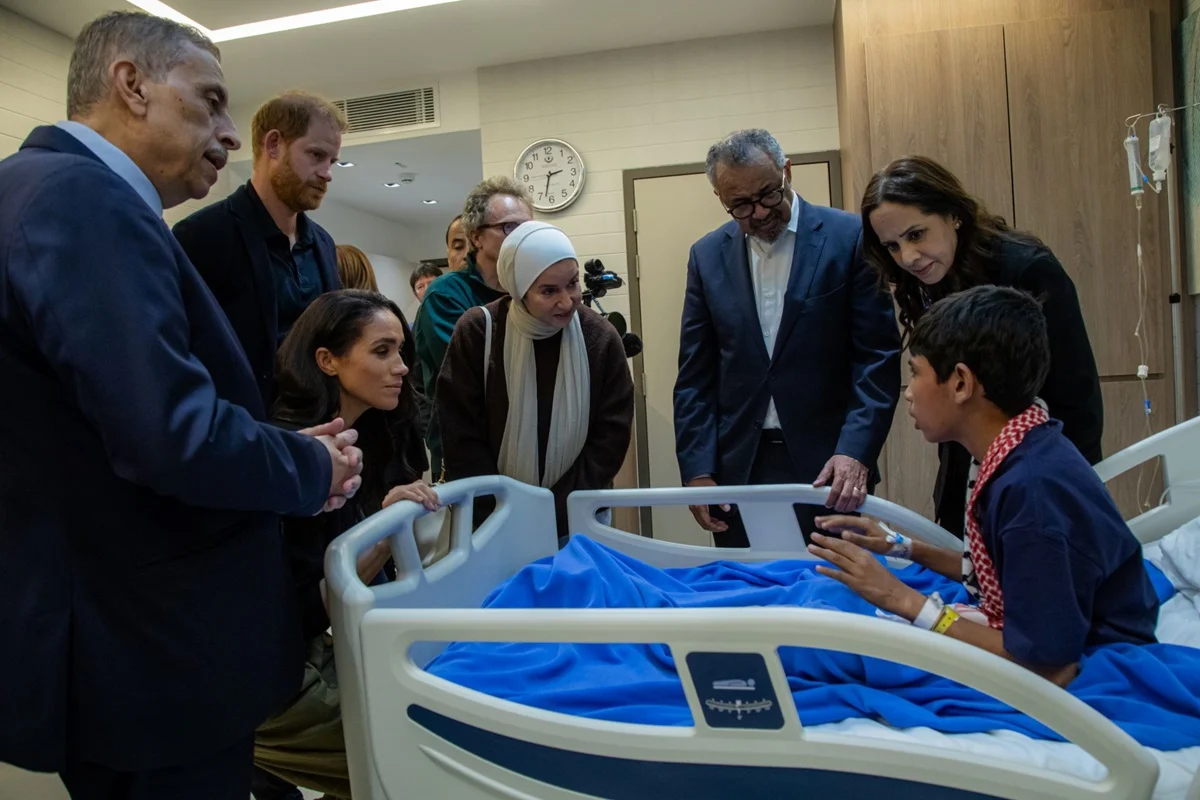
During his itinerary, Dr. Tedros visited a medical facility supported by the WHO, which specializes in providing advanced care to young patients medically transported from Gaza. This poignant visit offered a firsthand perspective on the human toll of conflict, as he interacted with pediatric patients and their families, as well as the dedicated frontline medical personnel delivering critical interventions for trauma, oncology, and other severe conditions. The experience underscored the profound importance of the Jordanian medical transit route and the urgent necessity for sustained international assistance to ensure that children and other vulnerable individuals can continue to receive vital medical services. The scenes of resilience amidst suffering reinforced the call for global solidarity in supporting such humanitarian lifelines.
In a broader strategic engagement, the Director-General convened a high-level gathering involving medical sector collaborators, contributing nations, United Nations organizations, and charitable foundations. This forum aimed to deliberate on funding strategies for bolstering healthcare infrastructure within Jordan and to coordinate ongoing humanitarian medical operations across the region. A significant focus of the discussions was the expansion of psychological support provisions, especially crucial for countries accommodating substantial displaced communities. Dr. Tedros warmly applauded the robust partnership and persistent dedication demonstrated by all participants, urging continued investment in health initiatives within Jordan and throughout the broader Middle East. The meeting served as a testament to the collective effort required to address complex health challenges in volatile regions.
Furthermore, Dr. Tedros engaged in direct talks with Jordan’s Minister of Health, centering on strategies to fortify the nation’s medical framework and accelerate progress towards comprehensive healthcare access. Jordan has indeed shown international pioneering in reinforcing a foundational healthcare methodology to achieve UHC, notably through the thoughtful incorporation of psychological services. This ensures that individuals can obtain mental health support as an integral component of their standard medical provisions. The WHO, through its Director-General’s dedicated program for psychological wellbeing, continues to provide substantial backing for these innovative efforts, recognizing their global significance.
Adding a unique dimension to several engagements, Dr. Tedros was joined by Prince Harry and Meghan, the Duke and Duchess of Sussex, in their capacities as originators of Archewell Philanthropies and consistent advocates for WHO’s endeavors. Archewell has a history of providing backing for WHO projects, spanning a wide array of initiatives from fair distribution of COVID-19 immunizations to medical transfers and psychological support schemes. Prince Harry, in particular, contributed as an advocate for WHO’s initiatives concerning psychological wellbeing, emphasizing the critical need for allocating resources to psychological care in various societal contexts and crisis scenarios. He placed a specific focus on the mental health needs of males, adolescents, and youngsters, populations often disproportionately affected by conflict and displacement.
Dr. Tedros expressed his profound gratitude to partners like Prince Harry and Meghan, whose dedication to psychological wellbeing and crisis response has facilitated increased awareness, funding, and optimism for some of the planet’s most susceptible populations. “Their partnership aids in progressing WHO’s objective of guaranteeing universal health,” he stated, acknowledging the powerful influence of their advocacy. Prince Harry, reflecting on the visit, conveyed his privilege to accompany the Director-General in Jordan, a nation he described as setting a precedent in empathy, adaptability, and inventiveness. “Through our work with Archewell Philanthropies, my wife and I have witnessed directly the effect of WHO’s undertakings to aid psychological wellbeing and provide critical medical attention during crises,” Prince Harry affirmed. He reiterated their profound dedication to fostering understanding, diminishing prejudice, and broadening the availability of psychological assistance for everyone impacted by strife and upheaval. He underscored that psychological wellbeing is crucial for recuperation, respect, and enduring tranquility, expressing pride in aligning with WHO and international collaborators to elevate its status as a worldwide imperative.
The subsequent day of Dr. Tedros’s tour was meticulously planned to further highlight Jordan’s comprehensive approach to health. It included a visit to the Jordanian National Addiction Treatment Center, a facility assisted by the WHO that offers comprehensive medical, psychological, and social interventions. This visit aimed to showcase integrated care models crucial for public health. Additionally, he was scheduled to engage with local dignitaries and female organizations, notably the Jordanian Hashemite Fund for Human Development, to understand community-level health initiatives and the empowerment of women in healthcare. A tour of the King Hussein Cancer Center was also on the agenda, where discussions were slated to deliberate on progress in oncology and cross-border cooperation, recognizing the center’s regional prominence.
The state visit was set to culminate with further meetings with collaborators aiding humanitarian endeavors, underscoring Jordan’s pivotal function as a central point for medical transfers, crisis intervention, and healthcare system robustness within the region. This comprehensive engagement by the WHO Director-General not only reaffirmed the strong partnership between the global health body and the Kingdom of Jordan but also cast a brighter spotlight on Jordan’s tireless efforts and unique challenges in providing health and humanity amidst complex regional dynamics, calling for sustained global attention and support.
About the Author