
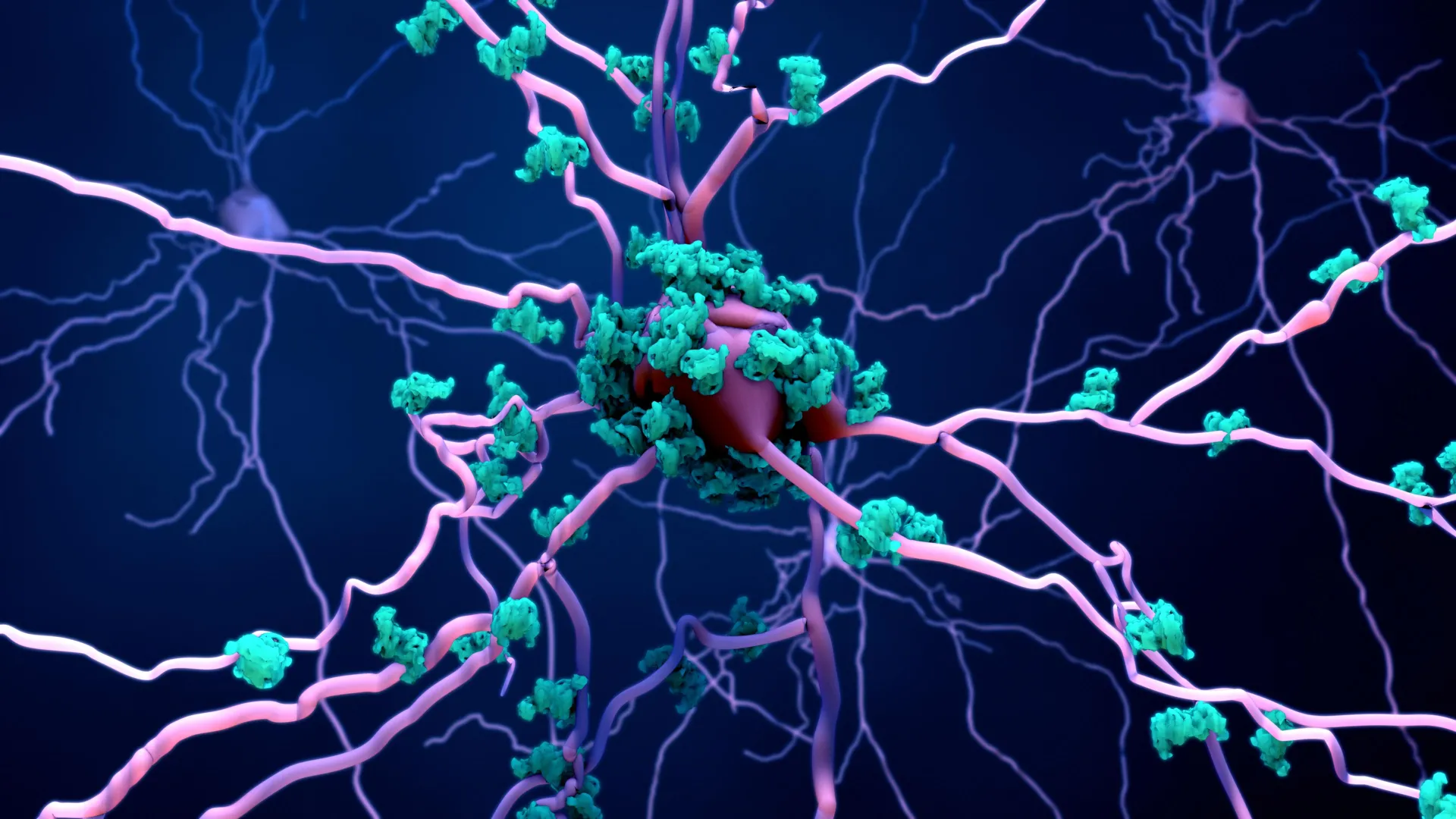
A groundbreaking scientific investigation has illuminated a previously unrecognized cellular process, tentatively named karyoptosis, which appears to play a significant role in the demise of brain cells within the context of Alzheimer’s disease (AD) and frontotemporal dementia (FTD). This discovery, emerging from collaborative efforts between King’s College London, the UK Dementia Research Institute, and supported by Alzheimer’s Research UK, offers a compelling new avenue for understanding and potentially mitigating the progression of these debilitating neurological conditions. For decades, the intricate mechanisms by which neurons are lost in neurodegenerative diseases have remained a profound enigma, with established pathways like apoptosis falling short of fully accounting for the widespread neuronal attrition observed.
The accumulation of aberrant proteins within nerve cells is a common pathological hallmark across a spectrum of neurodegenerative disorders, including amyotrophic lateral sclerosis (ALS), Alzheimer’s disease, and FTD. This intracellular buildup is widely understood to be a critical factor leading to neuronal dysfunction and eventual cell death, manifesting as cognitive decline, memory impairment, and other devastating symptoms. While scientists have long recognized various programmed cell death mechanisms, such as apoptosis, their role has not entirely explained the sheer scale of neuron loss characteristic of these conditions. The identification of karyoptosis as a potential bridge between toxic protein aggregation and neuronal death represents a significant conceptual leap in this field.
Karyoptosis, as characterized by the research, describes a cascade of molecular events initiated when detrimental proteins coalesce within a cell. This process culminates in the progressive disintegration of the cell’s nucleus – the vital organelle housing the organism’s genetic blueprint – leading to its eventual fragmentation and cell death. This distinct mode of cellular destruction offers a new paradigm for understanding the cellular pathology of neurodegenerative diseases.
The empirical foundation for this discovery rests on an extensive analysis of approximately 3,000 individual brain cells meticulously collected from 28 individuals diagnosed with either FTD or end-stage Alzheimer’s disease. Employing sophisticated computational algorithms, the research team was able to differentiate and quantify various forms of cell death occurring within the examined brain tissue. Their findings, published in the esteemed journal Nature Communications, revealed a striking prevalence of karyoptosis. Specifically, signs of this newly identified cell death pathway were detected in a substantial 35 percent of cells within the frontal cortex of individuals afflicted with Alzheimer’s disease, a figure markedly higher than the 15 percent observed in comparable cells from healthy elderly individuals. This disparity strongly implicates karyoptosis as a significant contributor to the neuropathology of AD.
This comprehensive study represents the culmination of a decade-long research endeavor at King’s College London, tracing the initial identification of karyoptosis in a less common disease to its now-established presence as a pervasive feature in prevalent dementias affecting millions worldwide. The researchers further elucidated a key molecular signaling pathway that appears to govern the execution of karyoptosis. Their experiments demonstrated that artificially inducing the aggregation of proteins within neurons, a characteristic feature of many neurodegenerative conditions, could effectively trigger this destructive cellular process.
The underlying mechanism, as detailed in the study, involves the destabilization of the nuclear envelope – the protective membrane surrounding the nucleus. The aggregation of toxic proteins is theorized to compromise the integrity of this membrane, initiating a sequence of events leading to nuclear shrinkage and ultimately, disintegration. This insight into the molecular triggers of karyoptosis provides a critical understanding of how proteinopathies translate into cellular damage.
In their pursuit of therapeutic targets, the research team focused on a class of proteins known as kinases. These molecules function as crucial molecular switches, regulating a myriad of cellular processes, including the signaling cascades involved in cell death. Through meticulous laboratory experiments utilizing rat neurons, the scientists demonstrated that inhibiting specific kinase activity within this pathway could significantly reduce the cellular markers associated with karyoptosis. A particularly promising interaction identified was between the kinase p38 MAP kinase and the protein LaminB1. Targeting this specific molecular nexus emerged as a potent strategy for potentially slowing or even preventing the breakdown of the cell nucleus.
The implications of this finding are profound, suggesting a potential pathway towards developing novel therapeutic interventions designed to curb neuronal loss in dementia. The immediate next objective for the research group is to devise methods for selectively targeting the interaction between p38 MAP kinase and LaminB1 within human brains. Dr. Manolis Fanto, Reader in Functional Genomics at King’s College London’s Institute of Psychiatry, Psychology and Neuroscience, emphasized the potential impact: "By specifically targeting the interaction between p38 MAP kinase and LaminB1 we may slow down the process of cell death, buying time for more pinpointed therapies against specific neurodegenerative diseases."
The death and subsequent loss of brain cells are the primary drivers of the myriad symptoms experienced by individuals living with dementia. Dr. Rebecca Casterton, Senior Researcher at the UK Dementia Research Institute at King’s and the study’s lead author, articulated the significance of their work: "Our study uncovers a new series of chemical events which can coordinate cell death in brain cells. We have started to lay out the road map of how karyoptosis works, and I’m excited to see future breakthroughs this may drive in the dementia research community and beyond."
For decades, the scientific community has acknowledged the presence of toxic protein aggregates in Alzheimer’s and FTD, but the precise mechanism linking these aggregates to neuron death remained elusive. Dr. Sara Rodrigues, Senior Research Manager at Alzheimer’s Research UK, highlighted the importance of this discovery: "The identification of karyoptosis is a crucial step towards finding targets for treatments that could stop or slow cell loss. It could help widen the window for therapies that tackle the underlying causes of disease, bringing us closer to a cure for dementia." This research underscores the critical role of fundamental scientific inquiry in advancing the fight against devastating diseases.
The foundational research was primarily supported by grants from Alzheimer’s Research UK and the Biotechnology and Biological Sciences Research Council International Partnership. Additional vital contributions were made through a studentship funded by the UK Medical Research Council and the UK Dementia Research Institute, underscoring a collaborative and well-supported scientific endeavor. The full findings of this transformative study, titled "Karyoptosis mediates cell death and neurodegeneration upon proteotoxic stress," are detailed in the latest issue of Nature Communications.
About the Author












