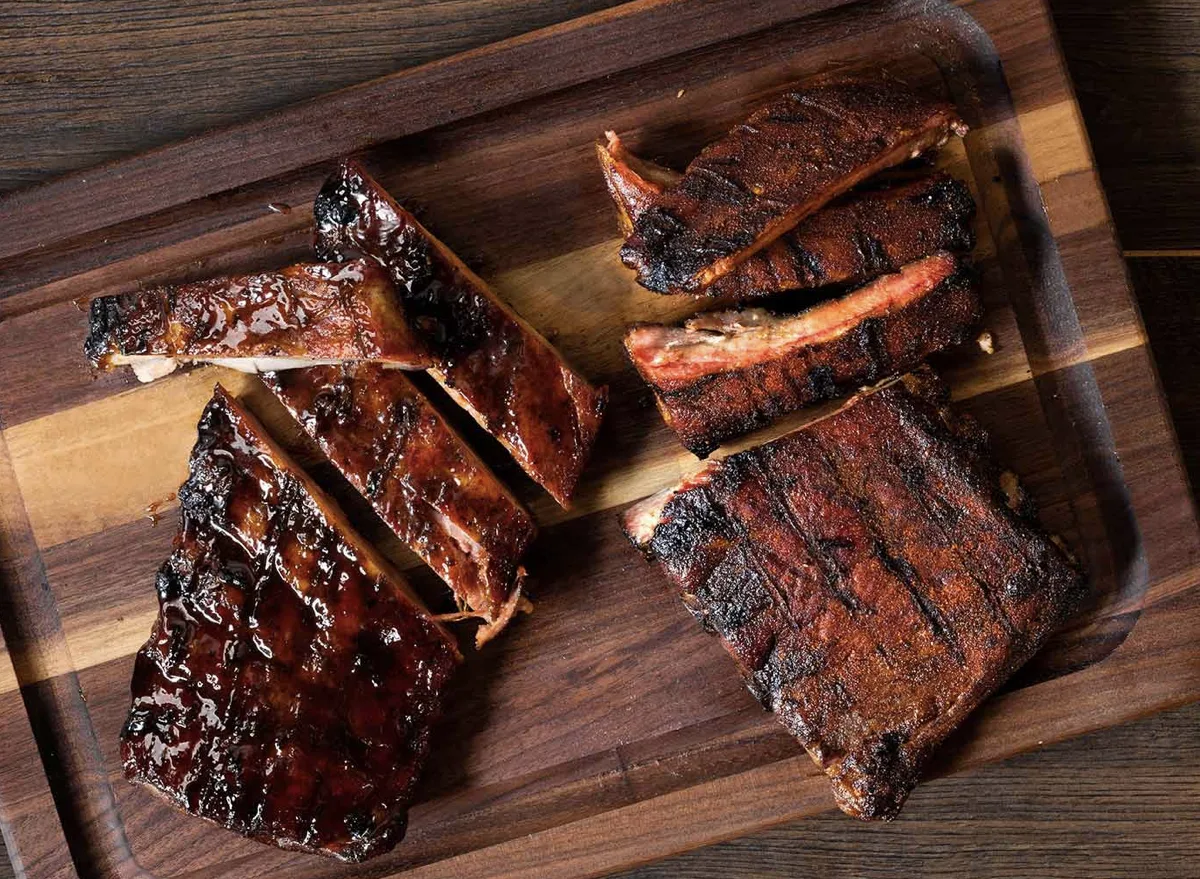
The landscape of American culinary traditions is deeply rooted in the art of barbecue, a practice revered for its meticulous preparation and the profound flavors it imparts to meats. At the heart of this tradition lies the slow infusion of smoke, a method that transforms cuts of meat into tender, aromatic masterpieces. However, in an era of rapid expansion and cost-efficiency within the restaurant industry, the commitment to genuine, wood-fired smoking has become a distinguishing characteristic. Many establishments claim the coveted "hickory smoked" label, yet a closer examination often reveals shortcuts, particularly the use of artificial liquid smoke. For discerning patrons, the difference is palpable, a chasm between a superficial smoky note and the intricate, lingering essence derived from hours spent over real hardwood embers. This exploration delves into the practices of national restaurant chains that steadfastly adhere to the time-honored tradition of smoking their ribs over genuine hickory wood, offering a testament to culinary integrity in a competitive market.
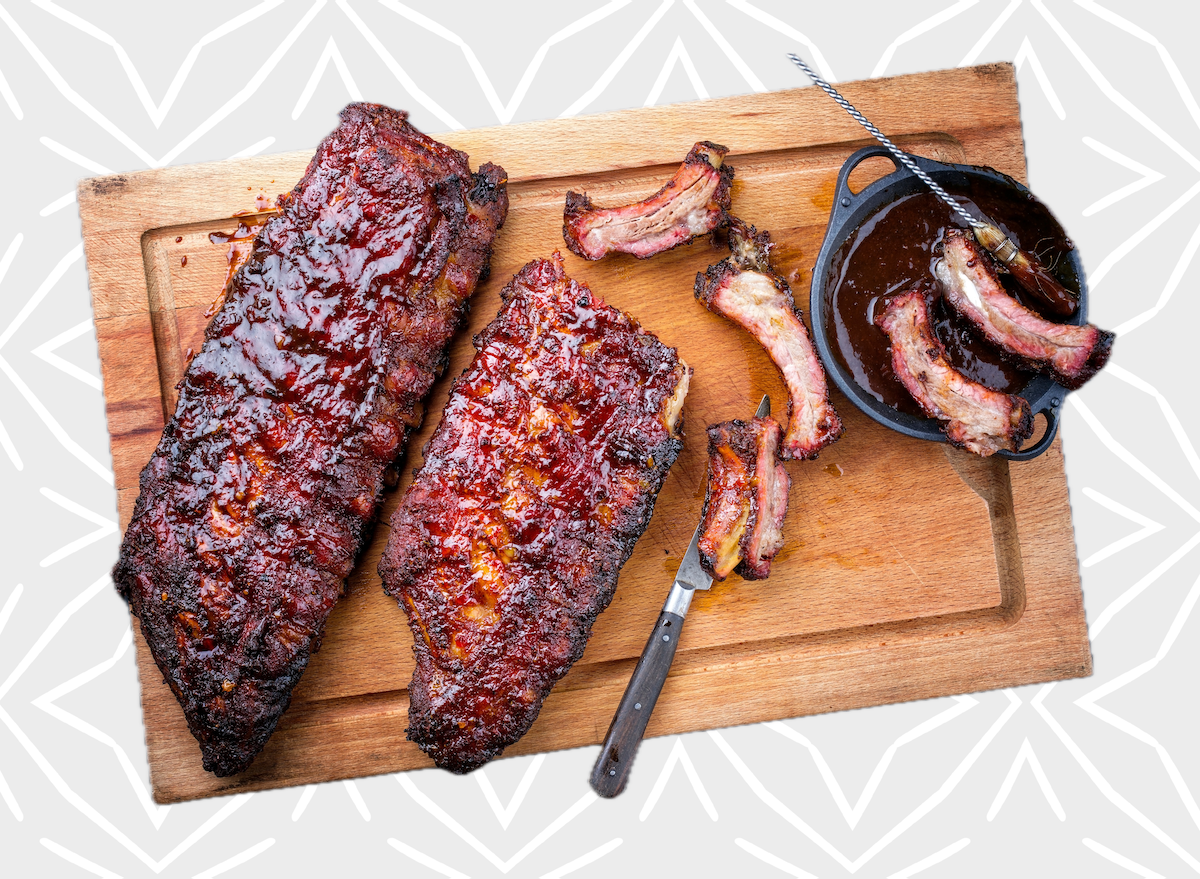
The allure of barbecue stems from a historical process that began with preservation and evolved into a culinary art form. Smoking meat involves a delicate balance of low heat, moisture, and, most critically, the type of wood used. Each wood varietal contributes its unique aromatic compounds, which interact with the meat’s proteins and fats over extended cooking periods. Hickory, a hardwood native to North America, stands as a cornerstone in the pantheon of barbecue woods. Its smoke is renowned for delivering a potent, distinctive character—often described as robust, savory, and with an unmistakable hint of bacon-like richness. This flavor profile is not merely an additive; it becomes an integral part of the meat’s structure, permeating every fiber to create a depth that cannot be replicated through artificial means.
In contrast, liquid smoke, while a convenient and economical alternative, represents a departure from this artisanal approach. Produced by capturing and condensing smoke, then dissolving it in water, this industrial product offers a quick way to imbue food with a smoky aroma without the time, expense, or specialized equipment required for traditional smoking. While food scientists have refined its composition, liquid smoke fundamentally lacks the complexity, nuance, and textural contribution that real wood smoke provides. The subtle variations in temperature, humidity, and the dynamic interaction of smoldering wood with meat—elements crucial to developing a coveted "smoke ring" and achieving unparalleled tenderness—are entirely absent in the liquid smoke process. For barbecue purists and those seeking an authentic experience, the distinction is paramount, elevating the craft of true pitmasters and those who champion their methods.
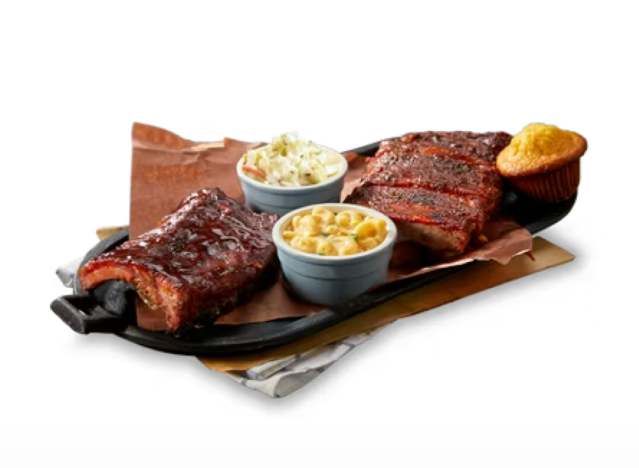
Despite the operational challenges associated with maintaining genuine smokehouses across multiple locations, several prominent restaurant chains have committed themselves to this authentic process. Their dedication ensures that the robust flavor and succulent texture characteristic of traditionally smoked ribs remain accessible to a broader audience. These establishments invest in dedicated smokers, skilled pitmasters, and a steady supply of natural hickory wood, upholding a standard that resonates with the connoisseur.
Famous Dave’s Pit Ribs exemplifies a dedication to competitive-grade barbecue. The chain is celebrated for its commitment to slow-smoking techniques. At Famous Dave’s, ribs undergo a meticulous process, commencing with a hand application of a signature spice blend that typically features smoked paprika, brown sugar, salt, garlic, and a hint of cayenne pepper, with celery seeds added for an extra layer of flavor. These ribs are then placed in custom-designed pits, where they are infused with pure hickory smoke for approximately three hours. This precise duration ensures the meat achieves a tender texture while absorbing the intense, characteristic hickory essence. The final touch involves basting the ribs with their proprietary, handcrafted sauces, culminating in a product that aims to deliver a true pit-smoked experience to every diner.
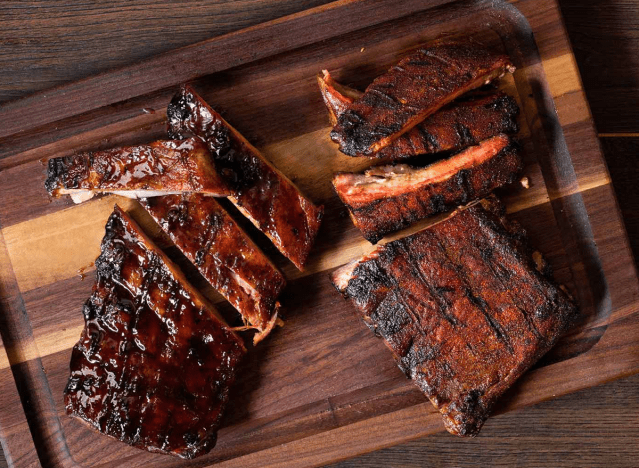
Another standard-bearer for authentic smoking is Red Hot & Blue. Originating with a distinct Memphis-style influence, this establishment prides itself on being a genuine smokehouse. Their approach begins with the careful selection of premium pork cuts, chosen specifically for their optimal balance of lean meat and marbling—a critical factor in achieving exceptional tenderness and moisture retention during the long cooking process. The real magic, however, unfolds in their smokers, where the ribs are slow-cooked over a carefully chosen blend of seasoned hickory woods. This method is instrumental in developing a deep, smoky flavor that penetrates the meat, contributing to the renowned fall-off-the-bone tenderness that patrons anticipate from true barbecue. Red Hot & Blue’s adherence to these traditional methods solidifies its reputation as a destination for succulent, richly flavored ribs.
The very name Hickory River Smokehouse BBQ signals its commitment to traditional smoking methods. This chain distinguishes itself by employing real hickory wood for all its dry-rubbed meats. Their menu extends beyond ribs to encompass a comprehensive range of barbecue staples, including brisket, baby back ribs, pork shoulder, turkey breast, and half chickens. Each cut is carefully selected and generously hand-rubbed with their proprietary spice blend. The crucial next step takes place in their on-site smokehouses, where these meats are slowly smoked over hickory wood for hours. This patient process yields a consistently juicy and award-winning smokehouse flavor. The experience is further enhanced by their special recipe barbecue sauce and a selection of famous sides, all designed to complement the rich, smoky main courses.
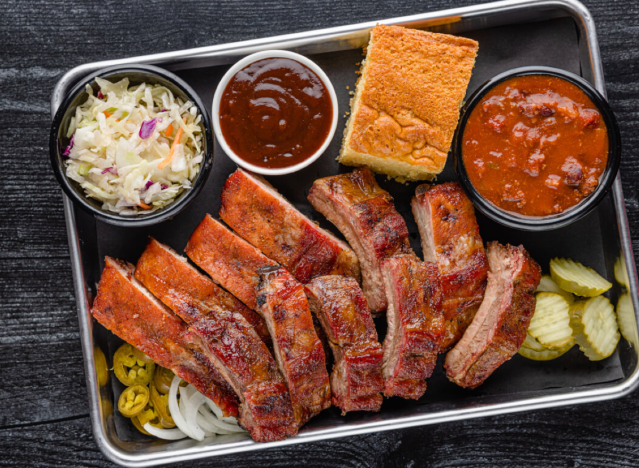
Expanding from its Midwestern roots, City Barbeque has grown into a multi-state operation while maintaining its steadfast dedication to authentic barbecue. The chain utilizes a unique setup featuring three hickory-burning smokers at each location, ensuring that all meats, including their highly regarded St. Louis-cut pork ribs, are slow-cooked to perfection. This commitment to multiple smokers highlights their operational investment in genuine smoking. The objective is to achieve a texture where the meat pulls cleanly from the bone with a gentle tug, rather than disintegrating entirely—a hallmark of well-executed barbecue. City Barbeque’s philosophy embraces the breadth and depth of barbecue styles found across the country, yet it firmly anchors its core offerings in the authentic, wood-fired tradition.
On the West Coast, Lucille’s Smokehouse BBQ brings its own distinctive flair to the authentic barbecue scene. The restaurant places significant emphasis on the combination of genuine hickory smoke with expertly crafted seasonings and a range of bold, house-made sauces. Their process ensures that the meats, especially their ribs, are deeply infused with the characteristic smoky aroma and flavor that only real wood can provide. Lucille’s has cultivated a loyal following, partly due to its trio of signature BBQ sauces: Original, Hot & Spicy, and Memphis. These sauces are meticulously developed to complement the smoked meats, offering a spectrum of flavor profiles from sweet and tangy to piquant and vinegar-forward, allowing guests to customize their barbecue experience while celebrating the rich foundation of hickory-smoked meat.
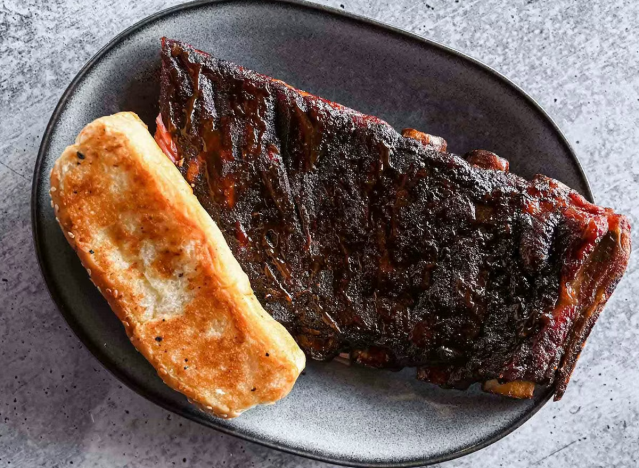
Finally, Jim ‘N Nick’s Bar-B-Q stands out for its unwavering commitment to high-quality, scratch-made offerings, all while maintaining accessibility in pricing. This chain adheres to traditional slow-cooking methods, utilizing hickory smoke to imbue its meats with deep, authentic flavor. While their menu features a variety of smoked items, their ribs are a particular highlight, delivering a classic barbecue experience. Jim ‘N Nick’s commitment extends beyond the main course; they are equally famous for their house-made sides and their renowned biscuits, which accompany most meals. This comprehensive approach, combining genuine smoking, quality ingredients, and an emphasis on value, ensures that patrons receive a complete and satisfying barbecue experience rooted in time-honored practices.
In an increasingly standardized culinary world, the enduring appeal of authentic barbecue lies in its connection to tradition and the unmistakable depth of flavor that only real wood smoke can provide. These six national chains demonstrate that it is indeed possible to scale genuine culinary practices without compromising on quality or integrity. By choosing to smoke their ribs over actual hickory wood, they not only preserve a cherished American culinary art form but also cater to a growing segment of consumers who value authenticity and seek out the true, rich essence of pit-smoked perfection. Their collective efforts serve as a vital reminder of the artistry inherent in barbecue and the profound difference that genuine preparation makes to the dining experience.
About the Author