A groundbreaking investigation in 2023 unveiled a surprising connection between serotonin, a neurochemical widely recognized for its role in mood regulation, and the health of the heart’s crucial mitral valve. This multicenter research, spearheaded by scientists at Columbia University’s Department of Surgery in collaboration with the Pediatric Heart Valve Center at Children’s Hospital of Philadelphia (CHOP), the University of Pennsylvania, and the Valley Hospital Heart Institute, proposed that diminished activity of the serotonin transporter (SERT) could accelerate detrimental changes in valves already compromised by degenerative mitral regurgitation (DMR). The findings, which received support from the National Heart, Lung, and Blood Institute, were co-led by Dr. Giovanni Ferrari of Columbia and Dr. Robert J. Levy of CHOP, and subsequently published in the esteemed journal Science Translational Medicine. This discovery redirects the scientific gaze beyond serotonin’s conventional neurological and digestive functions, opening new avenues for understanding and potentially managing a common form of cardiovascular illness.
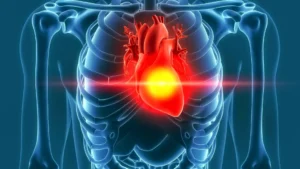
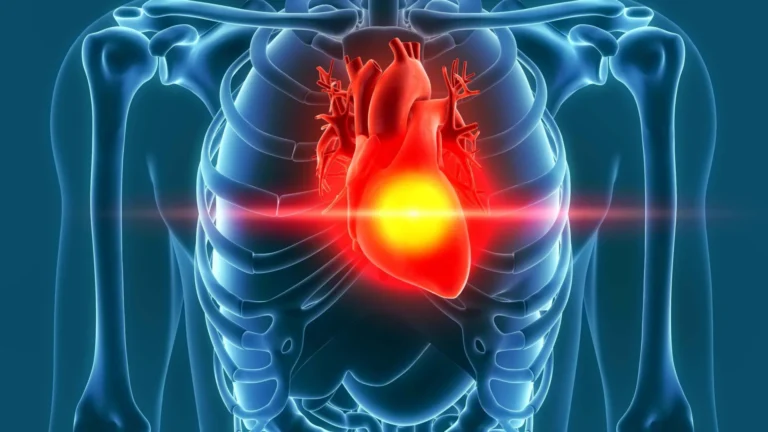
At the core of this research lies the mitral valve, a small yet indispensable component of the heart’s complex circulatory system. Situated strategically between the left atrium and the left ventricle, this valve serves as a critical one-way gateway. Its primary function is to ensure that oxygen-rich blood, freshly returned from the lungs to the left atrium, flows unidirectionally into the powerful left ventricle, which is responsible for propelling this blood throughout the entire body. With each rhythmic contraction of the heart, the mitral valve’s two delicate flaps are designed to close precisely and completely, preventing any backflow into the upper chamber.
Degenerative mitral regurgitation represents one of the most prevalent forms of valvular heart disease. In this condition, the normally pliable and thin valve tissue undergoes a process of deterioration. The leaflets, which should meet perfectly to create a tight seal, can become thickened, stretched, or distorted, losing their optimal shape and flexibility. Consequently, the valve’s closure becomes incomplete, allowing a portion of the blood to leak backward into the left atrium with every heartbeat—a phenomenon known as regurgitation. This inefficiency forces the heart to work harder to maintain adequate circulation. Over time, the sustained strain can lead to a cascade of adverse effects: elevated pressure within the pulmonary circulation, reduced forward flow of oxygenated blood to the body, and the potential development of debilitating symptoms such as chronic fatigue and shortness of breath. Prolonged regurgitation can also contribute to serious cardiac complications, including atrial fibrillation, an irregular heart rhythm, and congestive heart failure, a condition where the heart struggles to pump sufficient blood to meet the body’s metabolic demands, often leading to permanent structural damage to the cardiac muscle itself. While various pharmacological interventions can alleviate symptoms and mitigate complications, they offer no remedy for the underlying degeneration of the mitral valve tissue. For severe cases, surgical intervention, either repair or replacement of the valve, remains the definitive treatment option. Dr. Ferrari, who serves as the scientific director of the Cardiothoracic Research Program at Columbia, emphasized that "surgical correction is often necessitated when the valve’s integrity is significantly compromised to protect the heart from irreversible damage." Current clinical protocols for evaluating valvular heart disease typically rely on a comprehensive assessment of symptoms, detailed imaging of valve anatomy, quantification of leak severity, and an evaluation of the heart’s overall function and pulmonary circulatory response.
Serotonin, or 5-hydroxytryptamine (5-HT), is a monoamine neurotransmitter with a remarkably diverse portfolio of functions throughout the human body, extending far beyond its well-known role in modulating emotional states. It actively participates in regulating sleep cycles, influencing digestive processes, contributing to memory formation, and even playing a part in blood clotting. Within the central nervous system, it functions as a critical chemical messenger, transmitting signals between nerve cells to impact mood and overall well-being. The intricate relationship between serotonin signaling and conditions such as anxiety and depression has long been a subject of intensive study, though these complex disorders cannot be attributed to a simple deficiency of this single chemical. Serotonin exerts its effects by binding to specific receptors located on the surface of target cells, thereby triggering a cellular response. A specialized protein, known as the serotonin transporter (SERT), or 5-HTT, plays a crucial role in terminating this signaling cascade. SERT facilitates the reuptake of serotonin from the synaptic cleft (the space between nerve cells) or extracellular fluid back into the cell, allowing the neurotransmitter to be recycled and reused. This process is fundamental to regulating serotonin availability. Selective serotonin reuptake inhibitors (SSRIs), a class of medications widely prescribed for depression and anxiety, exert their therapeutic effects by inhibiting SERT activity. By blocking the reuptake mechanism, SSRIs increase the concentration of serotonin in the extracellular space, prolonging its presence and enhancing its signaling. Common examples include fluoxetine (Prozac) and sertraline (Zoloft). Given that SSRIs deliberately reduce SERT activity, the research team hypothesized that this very mechanism could inadvertently influence the delicate tissue of heart valves, particularly in individuals whose valves were already undergoing degenerative changes.
To investigate this hypothesis, the Columbia-led team embarked on a multi-pronged research approach. They initiated a retrospective analysis of clinical data from over 9,000 patients who had undergone either repair or replacement surgery for DMR. This large-scale patient cohort provided a robust foundation for identifying potential associations. Additionally, the researchers examined 100 mitral valve biopsies, meticulously analyzing these small tissue samples in a laboratory setting. The clinical data revealed a significant association: patients taking SSRIs were observed to require surgical intervention for severe mitral regurgitation at a notably younger age compared to those not on these medications. Dr. Ferrari noted that this finding indicated a correlation, not a direct cause-and-effect relationship, highlighting the limitations inherent in observational studies, which cannot definitively rule out other confounding factors that might influence the timing of surgery.
To delve deeper into the biological mechanisms that might underpin this observed association, the researchers extended their investigations to include animal models and human valve cells. They utilized transgenic mice engineered to lack the SERT gene entirely, observing that these animals developed abnormally thickened mitral valves. Furthermore, normal mice administered high doses of SSRIs also exhibited a similar thickening of their heart valves. These compelling experimental results provided strong evidence supporting the notion that unusually low SERT activity could indeed contribute to adverse structural remodeling of the mitral valve tissue.
Adding another layer of complexity and personalized insight, the study also focused on a specific region within the SERT gene known as 5-HTTLPR, which plays a role in regulating the transporter’s activity level. The scientists identified distinct genetic variants within this region that influenced SERT function in mitral valve cells. Specifically, a "long" variant was associated with reduced SERT activity, particularly in individuals who inherited two copies of this variant, one from each parent (referred to as the "long-long" genotype). Intriguingly, DMR patients carrying this "long-long" variant were found to undergo mitral valve surgery more frequently than patients with other genetic profiles. Laboratory experiments subsequently offered a plausible explanation for this heightened vulnerability: mitral valve cells derived from patients with the "long-long" variant demonstrated an exaggerated response to serotonin exposure, leading to an increased production of collagen. While collagen is essential for providing structural integrity and strength to tissues, an excessive accumulation can cause the valve to become abnormally thick and stiff, thereby distorting its shape and impeding its normal movement. Moreover, these cells with the "long-long" variant exhibited greater sensitivity to fluoxetine, a common SSRI. These findings collectively suggest a scenario where an already damaged valve becomes particularly susceptible to accelerated degeneration when factors like increased serotonin exposure, diminished transporter activity, and specific genetic predispositions converge.
These pioneering findings naturally raise intriguing questions about the future of patient care. For individuals diagnosed with DMR and carrying the "long-long" genetic variant, the researchers proposed that continued SSRI usage might further depress SERT activity within the mitral valve. This led to the suggestion of potentially screening DMR patients for the 5-HTTLPR genotype using a simple DNA test from a blood sample or mouth swab. Theoretically, identifying patients with inherently lower SERT activity could enable clinicians to tailor management strategies, perhaps necessitating closer monitoring or earlier consideration of surgical intervention. Dr. Ferrari commented on this possibility, stating, "Early identification of DMR patients with reduced SERT activity could pinpoint those who might benefit from earlier surgical correction, thereby protecting the heart and potentially averting the progression to congestive heart failure." However, it is crucial to note that this type of genetic testing has not yet been integrated into standard cardiac care guidelines, which continue to prioritize symptomatic presentation, valve morphology, leak severity, cardiac function, and advanced imaging results. Extensive clinical trials would be indispensable to establish whether incorporating genetic testing demonstrably improves treatment decisions and, more importantly, leads to superior patient outcomes.
It is equally vital to clarify what these findings do not imply. The research did not indicate any detrimental effects from standard SSRI doses or the presence of the "long-long" variant in cells derived from healthy human mitral valves. Dr. Ferrari emphasized, "A healthy mitral valve likely possesses the resilience to tolerate lower SERT activity without undergoing deformation. It is improbable that reduced SERT alone could initiate the degeneration of a healthy mitral valve." This underscores that SSRIs are generally considered safe for the majority of patients. The strongest signal of concern emerged in individuals whose mitral valves had already commenced a degenerative process, suggesting an increased susceptibility in a pre-existing compromised state. Furthermore, the human data, being observational, could not conclusively establish that antidepressants directly caused an accelerated progression of the disease. Consequently, these findings do not warrant discontinuing or altering antidepressant treatment without the explicit guidance and supervision of a prescribing clinician. The original research also highlighted two practical avenues for future investigation: first, whether DMR patients who respond well to SSRIs should receive more frequent monitoring for signs of valve worsening; and second, if patients showing an inadequate response to an SSRI might benefit from switching to an alternative class of antidepressant rather than simply increasing the SSRI dosage. Both approaches, however, await rigorous validation through formal clinical trials.
The scientific narrative surrounding serotonin and heart valve health has continued to evolve and expand beyond the initial 2023 discovery. Subsequent research has bolstered the plausibility of serotonin’s involvement in cardiac valve remodeling. In 2024, a study focusing on animal models demonstrated that mice with deficient SERT activity exhibited greater susceptibility to fibrotic changes not only in their cardiac valves but also in their left ventricular heart muscle. Fibrosis, characterized by the accumulation of stiff, scar-like tissue, can severely impair the normal movement and function of cardiac structures. This investigation specifically implicated the HTR2B receptor, one of the cell receptors activated by serotonin, as a significant driver of this damaging fibrotic response. Mitral valve cells, in particular, appeared to be highly responsive to serotonin signaling, broadening the potential concern beyond isolated mitral valve thickening to a more widespread impact on cardiac tissue, though animal findings cannot definitively predict outcomes in humans receiving standard antidepressant doses.
Further evidence emerged in a 2025 study that explored serotonin’s role in aortic stenosis, a distinct form of heart valve disease affecting the valve that controls blood flow out of the heart. Aortic stenosis develops when this valve thickens, stiffens, and narrows, impeding blood ejection. By comparing 38 individuals with severe aortic stenosis to 38 matched control participants, researchers found that patients with severe stenosis exhibited higher serum levels of serotonin and its primary metabolic breakdown product. This observation lent support to the hypothesis that serotonin signaling might be implicated in multiple types of valvular pathologies. However, the limited sample size of 76 individuals and the cross-sectional nature of the study meant it could not definitively determine whether elevated serotonin levels contributed to the disease, were a consequence of it, or reflected another unrelated biological process.
The connection between reduced SERT activity and aortic valve disease gained additional traction with a report in February 2026. This study analyzed valve tissue from 66 patients undergoing replacement surgery for severe aortic stenosis, comparing it against normal donor valves. The diseased valves consistently displayed reduced SERT expression and amplified serotonin receptor signaling. Moving to in vivo experimentation, researchers tested an experimental compound designed to block HTR2B in mice. This compound showed promise, helping to preserve valve structure and improve blood flow measurements during an early stage of fibrotic remodeling. Experiments on human valve cells further suggested that diminished SERT activity could render valve cells more sensitive to detrimental biological signals. These results position HTR2B as an intriguing potential therapeutic target. Nevertheless, it is imperative to acknowledge that this compound is not an approved treatment for heart valve disease, and the mouse model represented early fibrotic changes rather than the advanced, heavily calcified aortic stenosis typically seen clinically. Extensive additional animal studies, followed by rigorous human clinical trials, would be absolutely necessary to ascertain the safety and efficacy of HTR2B blockade in patients.
Adding a broader epidemiological perspective, a 2026 systematic review and meta-analysis synthesized data from multiple clinical studies investigating medications that modulate SERT activity. The pooled analysis reported a statistically significant association between the use of these drugs and heart valve disease, yielding an odds ratio of 2.76. While an odds ratio provides a comparative measure of the odds of an outcome between groups, it does not directly predict an individual patient’s risk and, crucially, does not definitively prove that the medication caused the outcome. This comprehensive review encompassed a wider spectrum of SERT-modifying drugs beyond commonly prescribed SSRIs. The authors themselves underscored that mechanistic evidence remains limited, emphasizing the critical need for more granular research to disentangle the specific effects of different drugs, varying doses, treatment durations, underlying health conditions, and any pre-existing valvular abnormalities.
In summation, the cumulative body of research published since 2023 significantly strengthens the argument for serotonin signaling as a plausible contributor to the complex process of heart valve remodeling. These findings suggest that the initial observations regarding the mitral valve may represent a broader biological pathway rather than an isolated phenomenon. This burgeoning understanding also opens exciting prospects for the future, including the potential for utilizing genetic information to identify patients at heightened risk or the development of targeted therapies aimed at inhibiting HTR2B. Such a strategy could theoretically block harmful fibrotic signaling within the valves without broadly disrupting serotonin’s myriad essential functions throughout the rest of the body. However, significant questions persist. Future research must prioritize longitudinal studies that track patients over extended periods, compare the effects of individual medications and dosages, account for other cardiovascular risk factors, and rigorously determine whether SERT testing meaningfully improves clinical care and patient outcomes. Furthermore, extensive human clinical trials would be an indispensable prerequisite before any HTR2B-targeting treatment could be considered for routine clinical application. For the present, consistent and vigilant cardiology care remains the paramount priority for individuals living with degenerative mitral regurgitation. While the evolving evidence offers a compelling mechanistic explanation for why some damaged valves may deteriorate more rapidly, it does not supersede established clinical evaluation, advanced imaging techniques, or individualized medical decisions regarding antidepressant treatment.
About the Author