As individuals progress beyond their sixtieth year, maintaining physical independence and a high quality of life often hinges significantly on the robustness of their lower body musculature. The capacity to perform fundamental movements such as rising from a chair, ascending stairs, walking confidently, and maintaining equilibrium forms the bedrock of an active and autonomous existence. When the muscle groups responsible for these actions exhibit diminished strength, even routine daily tasks can become increasingly challenging, potentially leading to a cascade of reduced activity, increased dependency, and heightened health risks. Within the realm of fitness assessment, a straightforward yet remarkably insightful exercise emerges as a powerful indicator of an individual’s lower body functional strength: the bodyweight squat.
The physiological rationale behind prioritizing lower body strength in later life is compelling. A phenomenon known as sarcopenia, characterized by age-related loss of muscle mass and strength, typically commences in the fourth decade of life and accelerates after 60. This progressive decline not only compromises physical capabilities but also correlates with a higher propensity for falls, fractures, and diminished metabolic health. Strong leg muscles act as a crucial protective buffer, improving balance mechanisms, enhancing reaction time, and providing the necessary power to recover from stumbles. Beyond merely preventing injuries, robust lower limb strength contributes to the sustained ability to engage in cherished activities, whether it’s gardening, playing with grandchildren, traveling, or simply navigating one’s home environment with confidence and ease. Furthermore, muscle tissue is metabolically active, playing a vital role in glucose regulation and overall energy expenditure, which can positively influence weight management and reduce the risk of chronic conditions. The psychological uplift derived from maintaining physical prowess and self-sufficiency cannot be overstated, fostering a sense of empowerment and contributing to overall mental well-being.
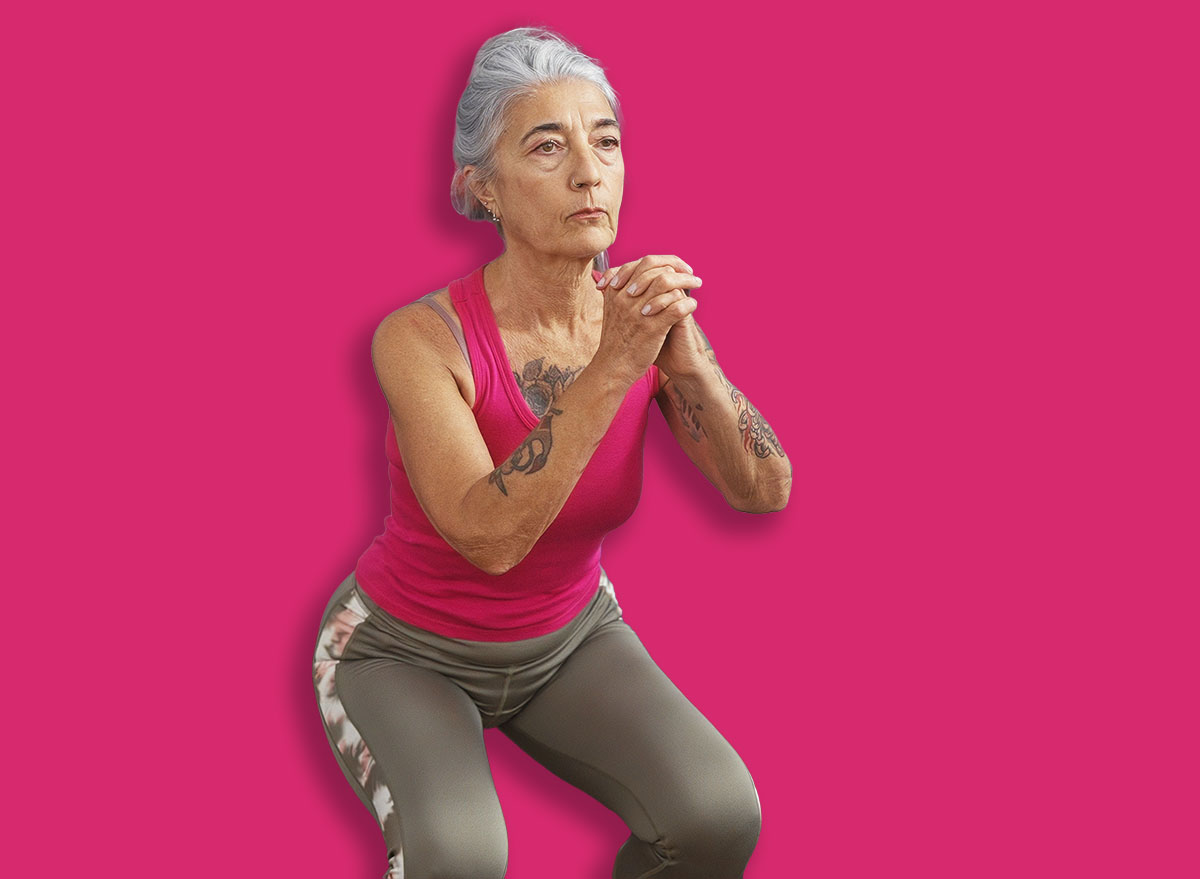
The bodyweight squat stands out as an exceptional diagnostic tool due to its inherent nature as a compound, multi-joint exercise that mirrors numerous everyday movements. It demands the coordinated effort of several major muscle groups, including the quadriceps (responsible for knee extension), gluteals (powering hip extension and driving the body upward), hamstrings (providing knee flexion and hip extension assistance, along with knee stability), and the core musculature (essential for maintaining spinal integrity and an upright posture throughout the movement). This comprehensive recruitment means that the squat not only assesses raw muscular strength but also offers insights into an individual’s coordination, mobility across the hip, knee, and ankle joints, and muscular endurance. Unlike assessments requiring specialized equipment or complex setups, the bodyweight squat can be performed virtually anywhere, offering an accessible and practical method for self-evaluation or professional screening. Its ability to quickly highlight areas of weakness or compensatory movement patterns makes it an invaluable initial step in any fitness journey focused on enhancing lower body function.
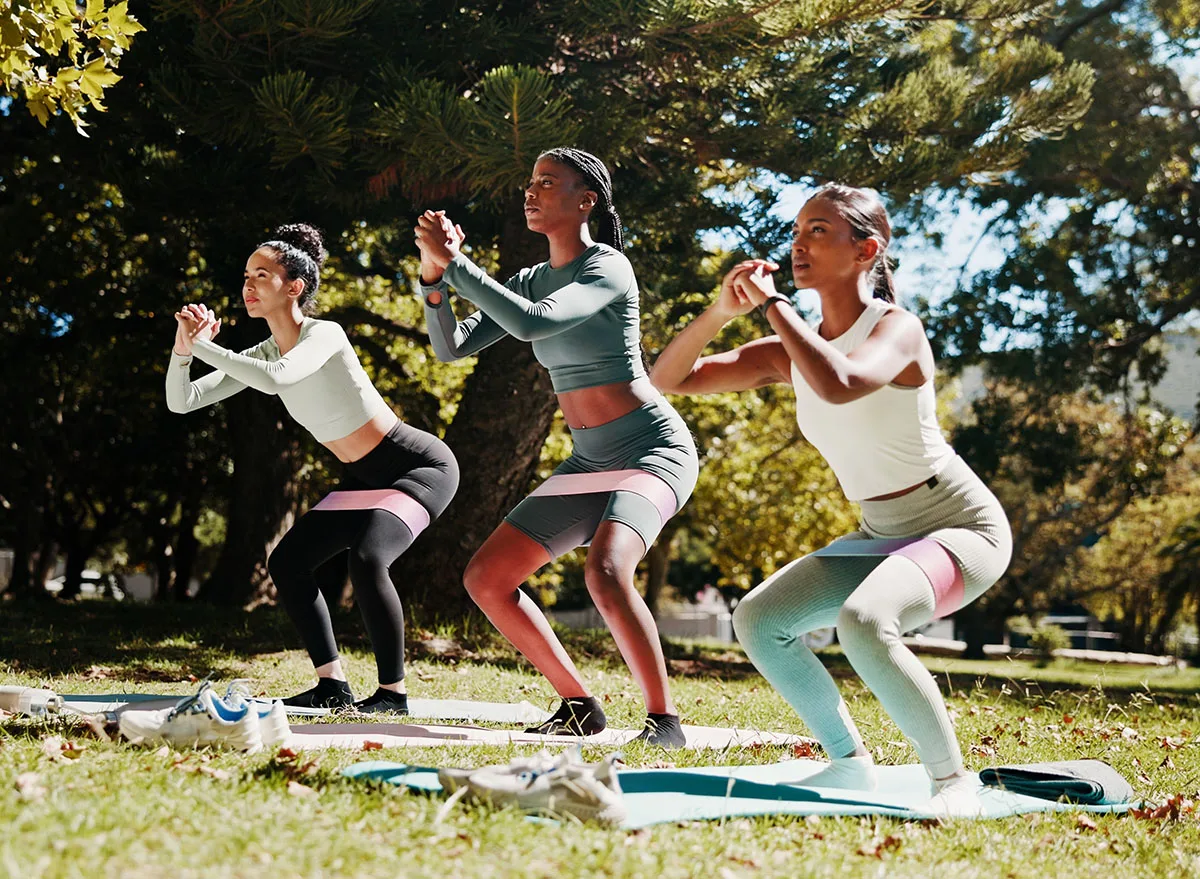
For the assessment to yield meaningful and reliable results, executing the bodyweight squat with meticulous attention to form is paramount. Prioritizing correct technique over the sheer number of repetitions is crucial, not only for the accuracy of the evaluation but also to safeguard the joints, particularly the knees and lower back, from potential strain. Before commencing the test, a brief warm-up, such as light cardio and dynamic stretches targeting the hips and ankles, is advisable. Individuals with pre-existing medical conditions or chronic pain should consult a healthcare professional before undertaking any physical assessment. The procedure typically involves standing with feet positioned approximately shoulder-width apart, with toes pointing slightly outward, and the chest held high. The movement initiates by pushing the hips backward as if preparing to sit into an imaginary chair, simultaneously bending the knees. Throughout the descent, it is critical to keep the heels firmly planted on the floor, maintain an engaged core to prevent the torso from rounding forward, and strive for a controlled, deliberate motion. The goal is to lower the body until the thighs are roughly parallel to the floor, or to the deepest comfortable position that allows for maintaining proper form without discomfort. From this bottom position, the upward phase is initiated by pressing through the entire foot, particularly the heels, and consciously engaging the gluteal muscles to drive back to the starting standing position. Breathing should remain steady and consistent throughout the exercise, avoiding breath-holding. The objective of the test is to perform continuous, controlled repetitions until form breaks down or fatigue prevents further execution. Any significant compromise in posture, knee tracking (knees collapsing inward or bowing outward), or loss of heel contact indicates the end of a valid repetition set.
Interpreting the outcomes of the bodyweight squat test provides a valuable snapshot of one’s current lower body capabilities. While specific numerical benchmarks can vary significantly based on research populations and assessment protocols, fitness professionals generally categorize performance qualitatively to guide individuals. A lower number of completed, well-formed repetitions might indicate a need for focused strength and endurance development, potentially signaling increased vulnerability to mobility challenges and a higher risk of falls. Such results suggest that foundational strength for activities of daily living could be compromised. Conversely, achieving a moderate number of repetitions typically implies adequate functional strength for basic tasks, yet still leaves ample room for improvement to enhance resilience and activity levels. Individuals who can perform a higher number of controlled squats often demonstrate robust lower body strength and muscular endurance, placing them within a stronger cohort compared to their demographic peers. This level of performance is frequently associated with greater independence, reduced risk of age-related mobility decline, and an enhanced capacity to participate in a wider array of physical activities. It is important to view these results not as fixed limitations but as a dynamic measure that can be significantly improved with consistent effort. Moreover, personal factors such as body composition, previous injury history, and general activity levels should always be considered when interpreting individual results. For a precise and personalized assessment, consulting with a certified personal trainer or a physical therapist is recommended, as they can provide tailored benchmarks and guidance.
For those looking to cultivate greater lower body strength and improve their squat performance, a progressive and consistent training regimen is key. Fitness professionals often observe that significant progress can be made within a few weeks through dedicated practice. The foundation of this improvement lies in regularly practicing bodyweight squats two to three times per week, with an unwavering focus on mastering impeccable form. Initially, if performing full-range bodyweight squats presents a challenge, modified variations such as chair squats or box squats serve as excellent starting points. These involve sitting down onto a stable chair or box and standing back up, gradually building the necessary strength and confidence. As strength improves, the height of the chair or box can be progressively lowered, or the assistance can be reduced until full bodyweight squats become achievable.
Beyond direct squat practice, incorporating supplementary exercises that target the primary and assisting muscles involved in the squat movement can accelerate progress. Glute bridges, which focus on hip extension, help strengthen the powerful gluteal muscles. Step-ups, performed onto a sturdy bench or step, build unilateral leg strength and improve balance. Calf raises enhance ankle stability and the propulsive power of the lower leg. Wall sits can improve muscular endurance in the quadriceps and glutes by holding a static squat position against a wall. Lunges are another excellent exercise for developing single-leg strength, balance, and hip mobility. Incorporating resistance bands into these exercises can provide an additional layer of progressive overload. Adherence to general fitness principles, including adequate protein intake for muscle repair and growth, sufficient rest for recovery, and proper hydration, further supports the body’s adaptation and strengthening processes. For a structured and safe progression, particularly when dealing with specific mobility issues or health concerns, engaging a qualified fitness professional or physical therapist can provide invaluable expertise, ensuring exercises are performed correctly and are appropriately tailored to individual needs and goals.
Ultimately, the journey to enhanced lower body strength extends far beyond the number of squats one can perform. It represents an investment in long-term health, independence, and an enriched life experience. Improvements in squat performance translate directly into tangible benefits: climbing stairs becomes less taxing, walking for extended periods feels more comfortable, and the simple act of standing up from a seated position requires less conscious effort. This newfound or regained physical capability fosters a profound sense of empowerment, enabling individuals to maintain active lifestyles, participate more fully in their communities, and continue pursuing hobbies and interests without physical limitations acting as barriers. Embracing regular assessment and consistent effort in strengthening the lower body is not merely about achieving a higher score on a fitness test; it is about cultivating a future characterized by sustained mobility, vitality, and enduring independence, well into the later decades of life.
About the Author