As individuals navigate the journey past their sixth decade, maintaining robust physical capacity becomes increasingly vital for sustaining an active lifestyle and preserving independence. Among the myriad metrics used to gauge physical fitness, the humble pushup emerges as a remarkably insightful and accessible assessment tool, offering a comprehensive snapshot of an individual’s upper body strength, muscular endurance, and core stability. This foundational bodyweight exercise directly correlates with the ability to perform numerous daily tasks with ease and confidence, making its performance a significant benchmark for healthy aging. Understanding what one’s pushup capability signifies and how to improve it can empower seniors to proactively manage their physical well-being.
The decline in muscle mass and strength, medically termed sarcopenia, is a natural part of the aging process, typically accelerating after age 50. This physiological shift can lead to reduced mobility, increased risk of falls, and diminished capacity for self-care. Engaging in regular resistance training, such as pushups, is a potent countermeasure, helping to mitigate these effects and foster a higher quality of life. The pushup, in particular, stands out due to its multi-joint nature and its requirement for full-body coordination, making it a powerful predictor of functional fitness.
The Pushup: A Premier Assessment Tool for Comprehensive Strength
The efficacy of the pushup as a diagnostic for physical prowess stems from its demand for integrated strength across multiple muscle groups. It’s not merely an exercise for the chest and arms; it’s a dynamic movement that recruits the pectoralis major (chest), deltoids (shoulders), and triceps brachii (back of the arms) as primary movers. Simultaneously, it necessitates rigorous activation of the core musculature—including the rectus abdominis, obliques, and erector spinae—along with the glutes and quadriceps, to maintain a rigid, straight body line from head to heels. This synergistic engagement ensures that the entire anterior kinetic chain works cohesively, mirroring the demands of real-world activities.
Beyond sheer muscular force, the pushup also measures muscular endurance. A single, perfectly executed pushup demonstrates a baseline of strength, signifying the ability to press one’s own body weight against gravity. However, the capacity to perform multiple repetitions with consistent form reveals the staying power of these muscle groups—their ability to resist fatigue and continue producing force over time. This endurance component is crucial for everyday actions such as repeatedly lifting groceries, pushing open heavy doors, gardening for extended periods, or safely transitioning from a seated or prone position to standing.
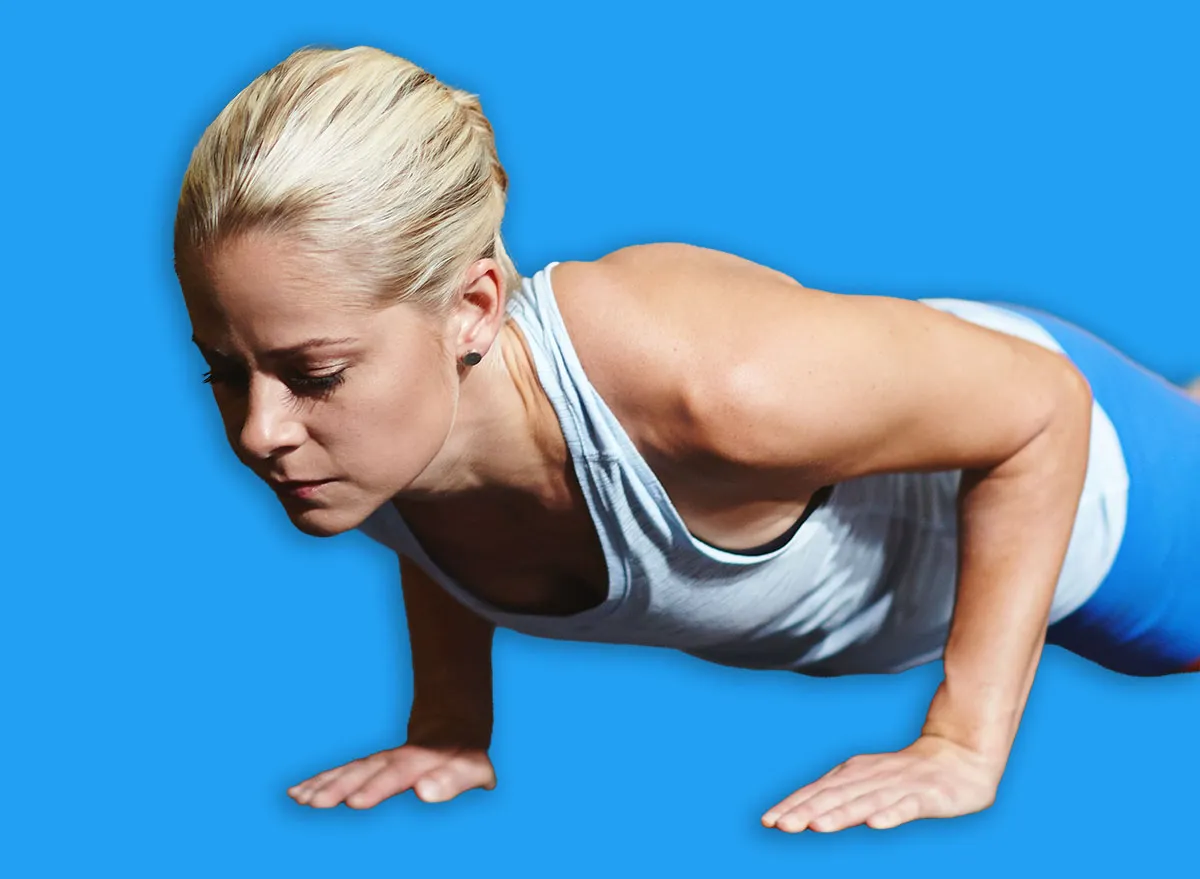
Furthermore, the pushup inherently promotes and assesses shoulder joint stability. As the hands remain fixed on the ground and the body lowers and rises, the shoulder blades must articulate smoothly and controllably against the rib cage. This controlled movement, supported by the rotator cuff muscles, enhances the integrity of the glenohumeral joint, contributing to better posture and reducing the risk of injury during other upper body movements. A well-executed set of pushups thus indicates a sophisticated interplay of strength, coordination, and joint stability.
Mastering the Biomechanics of a Proper Pushup
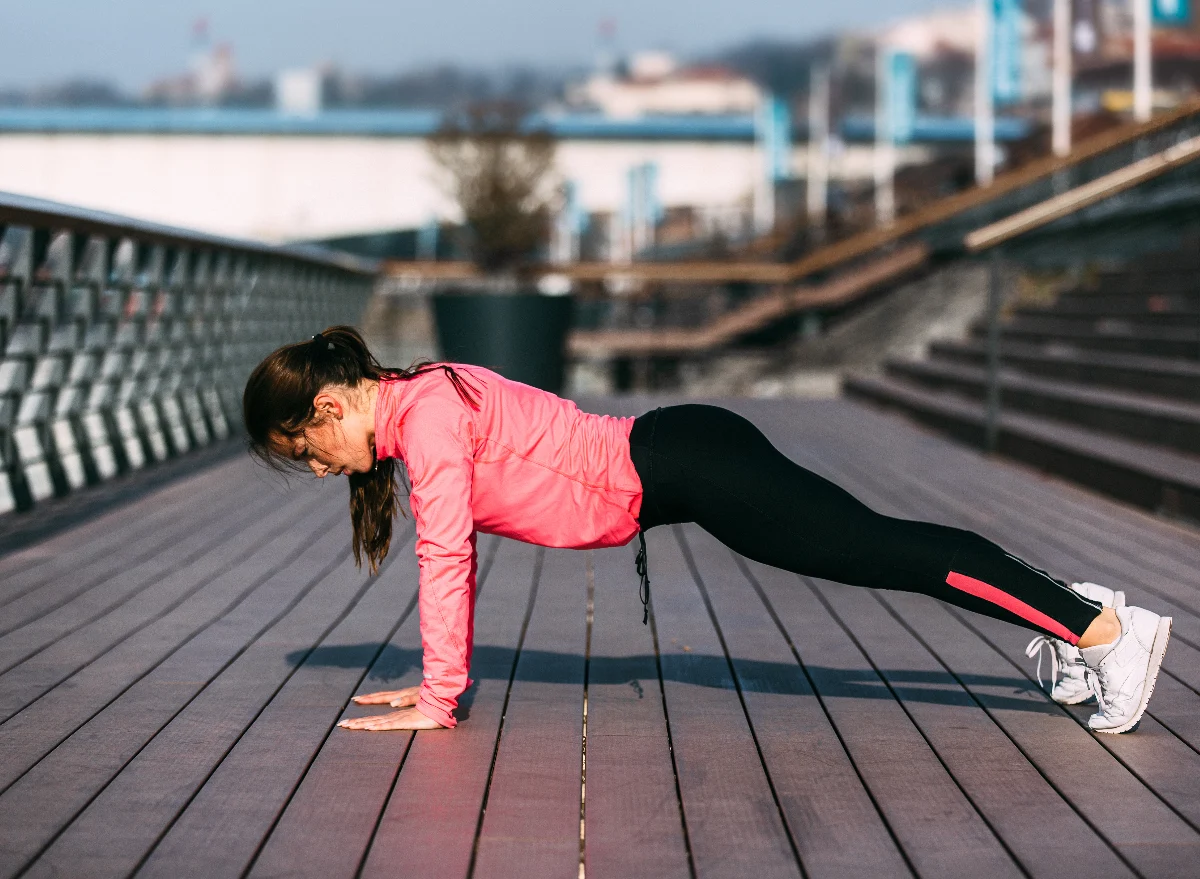
To ensure an accurate assessment and maximize the benefits of the exercise, correct form is paramount. A pushup should be executed with precision, emphasizing control over speed. The foundational setup involves placing hands slightly wider than shoulder-width apart, fingers pointing forward or slightly outward. The body should form a straight, rigid line from the crown of the head through the shoulders, hips, and heels, avoiding any sagging in the midsection or excessive arching of the lower back. Activating the core by drawing the navel towards the spine and squeezing the glutes helps maintain this plank-like posture.
The descent phase requires controlled lowering of the body until the chest is approximately an inch or two from the floor, or until the elbows reach at least a 90-degree angle, forming a "W" shape with the upper arms. Throughout this phase, the elbows should track relatively close to the body, not flaring out excessively. The upward phase involves powerfully pressing through the palms, extending the elbows, and returning to the starting straight-arm position while maintaining the rigid body line. Each repetition should be smooth and deliberate, without momentum or jerky movements. Compromising form to achieve a higher rep count diminishes the diagnostic value and increases the potential for injury. For those unable to perform a full floor pushup with proper form, modified variations such as incline pushups (using a wall, countertop, or bench) or knee pushups offer excellent avenues for building foundational strength.
Interpreting Pushup Performance for Adults Over 60
Once performed with strict adherence to form, the number of successful repetitions provides a meaningful gauge of upper body functional strength. It’s important to remember that these are general guidelines, and individual variations in body composition, previous activity levels, and specific health conditions will always play a role.
-
1-5 Repetitions (Developing Strength): This range indicates a foundational level of upper body strength. It suggests that while the individual can initiate the movement, sustained effort or significant load-bearing capacity may still be developing. For individuals in this category, focusing on mastering modified pushups (e.g., wall, incline, or knee pushups) with perfect form is the most effective strategy for building a stronger base. This level signifies the importance of consistent effort to enhance functional capacity for everyday tasks like pushing light objects or self-support during transitions.
-
6-14 Repetitions (Good Functional Strength): Performing within this range demonstrates a good level of functional upper body strength and endurance. Individuals here likely possess sufficient strength for most routine daily activities, such as carrying moderate loads, pushing shopping carts, or confidently rising from the floor. This represents a solid foundation for continued physical activity and generally reflects a lower risk of mobility limitations. It also suggests adequate muscular resilience for engaging in regular exercise routines.
-
15-24 Repetitions (Robust & Proficient Strength): Achieving this number of clean pushups places an individual in a highly proficient category for their age group. This level of performance signifies robust upper body strength, excellent muscular endurance, and superior core stability. Individuals in this range typically experience significant ease in performing demanding physical tasks, maintain a high degree of independence, and are well-equipped for more strenuous activities like gardening, home improvement projects, or recreational sports. Their physical resilience contributes significantly to an active and engaged lifestyle.
-
25+ Repetitions (Exceptional & Elite Performance): Successfully completing 25 or more well-formed pushups at age 60 or beyond is truly exceptional. This achievement points to an elite level of upper body strength, endurance, and overall body control. Individuals in this category possess outstanding physical capacity, demonstrating a remarkably preserved physiological state that often mirrors that of younger adults. This level of fitness is associated with profound functional independence, a very low risk of age-related mobility challenges, and a capacity for sustained, vigorous physical activity. It speaks volumes about consistent dedication to physical well-being over the years.
Strategies for Enhancing Pushup Strength and Endurance
Regardless of one’s current performance level, improving pushup capacity is an achievable goal through consistent, progressive training. The key lies in applying the principle of progressive overload—gradually increasing the challenge to stimulate muscle adaptation.

- Start with the Right Variation: Begin with a pushup variation that allows for 8-12 repetitions with perfect form. For many, this will be an incline pushup against a wall, a sturdy counter, or a bench. As strength increases, gradually lower the incline until full floor pushups become manageable.
- Focus on Form Over Quantity: Prioritize immaculate technique. A few perfect repetitions are far more beneficial than many sloppy ones. Using a mirror or recording oneself can help identify and correct form deficiencies.
- Incorporate Tempo Training: Slow down the eccentric (lowering) phase. For example, take 2-3 seconds to lower the body, pause briefly at the bottom, and then press back up. This increases time under tension, building strength and control.
- Practice Consistently: Aim for 2-3 pushup-focused workouts per week, allowing for adequate recovery in between sessions. A typical session might involve 3-4 sets of your chosen pushup variation, performed to near-failure with good form.
- Strengthen Supporting Muscles: Complement pushup training with exercises that target the antagonist and synergistic muscles. Rows (e.g., bent-over rows, inverted rows) are crucial for balancing pressing strength with pulling strength. Planks and other core exercises directly enhance the midsection stability required for proper pushup execution. Overhead presses and triceps extensions can further bolster pressing power.
- Progressive Overload Techniques: Once you can comfortably perform 12-15 repetitions of a particular variation, either decrease the incline, transition to a more challenging variation (e.g., from knee pushups to full pushups), or increase the number of sets. Adding resistance (e.g., a resistance band or a weight vest) can also be considered for advanced individuals.
- Breathing Control: Learn to breathe effectively during the exercise. Typically, inhale during the lowering phase and exhale forcefully during the pressing phase. This helps stabilize the core and provides energy for the movement.
Broader Implications for Healthy Aging
The ability to perform pushups effectively extends far beyond a simple fitness score; it is a powerful indicator of an individual’s physical resilience and their potential for continued independence. Maintaining strong upper body and core musculature directly translates into a greater capacity to navigate the physical demands of life, reducing reliance on others and fostering a sense of self-efficacy. This sustained physical capability contributes significantly to mental well-being, boosting confidence, reducing anxiety related to physical limitations, and promoting active engagement in social and community activities.
In conclusion, the pushup serves as a remarkably insightful, accessible, and comprehensive assessment tool for upper body strength and functional capacity in adults over 60. By understanding its biomechanics, interpreting performance levels, and committing to progressive training strategies, individuals can significantly enhance their physical well-being, unlock greater longevity, and safeguard their independence for years to come. The pursuit of pushup mastery is, in essence, an investment in a more vibrant, capable, and fulfilling future.
About the Author