As autumn descends and temperatures cool, the allure of a rich, comforting stew becomes undeniable, transforming humble ingredients into a deeply satisfying meal. While the art of stew-making might seem straightforward, a truly exceptional pot of slow-cooked goodness hinges critically on one fundamental decision: the selection of the meat. Far from being a mere component, the right cut serves as the very foundation upon which flavor, texture, and overall enjoyment are built. To navigate this crucial choice, culinary professionals and seasoned home cooks alike often turn to the expertise of butchers, those guardians of meat knowledge who understand the nuances of muscle, fat, and connective tissue.
Jorge Thomas, a distinguished chef and founder of Swaledale Butchers, offers invaluable insights into elevating homemade stews from merely adequate to truly remarkable. His perspective challenges the common assumption that any diced beef will suffice for a slow-cooked dish, emphasizing that the inherent qualities of the meat itself dictate the final outcome. The journey to a tender, flavorful stew, he suggests, commences long before the pot ever touches the stove, rooted in a thoughtful selection at the butcher counter or grocery store.
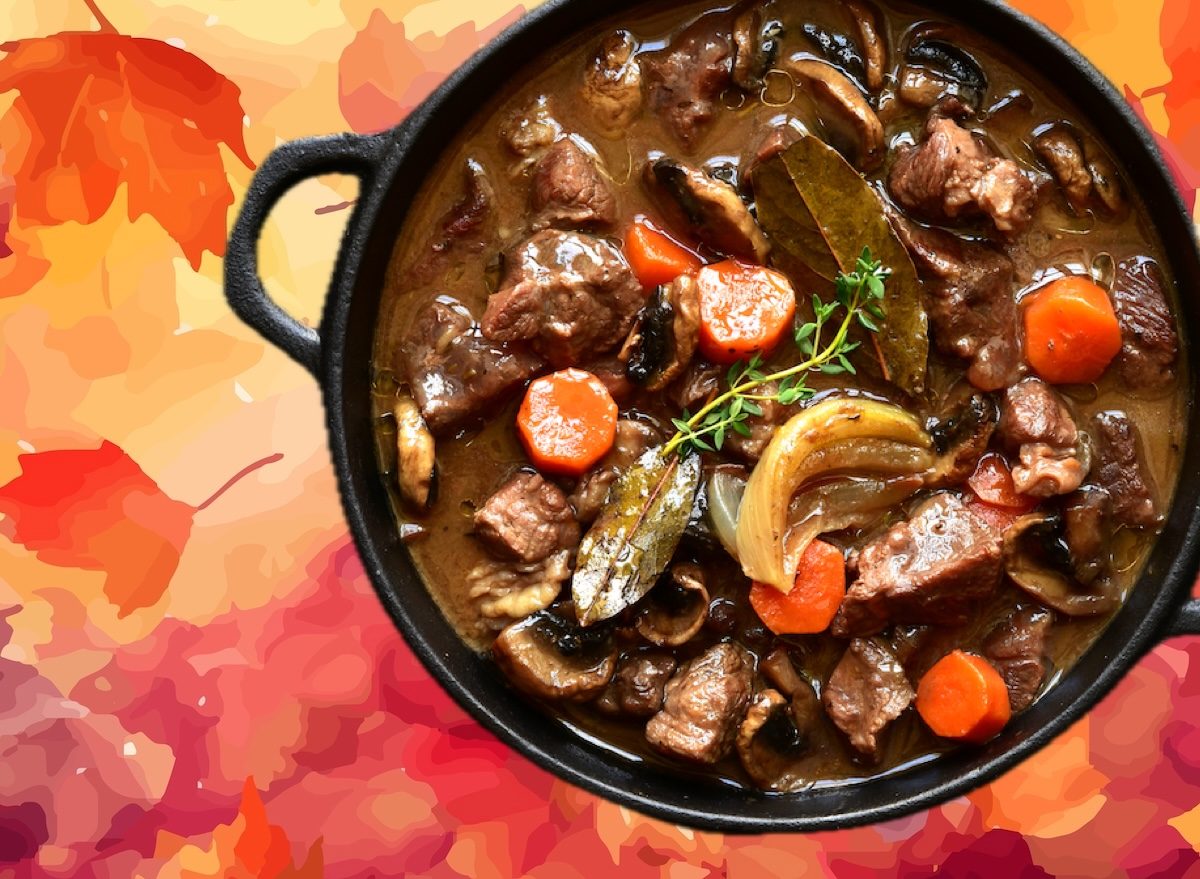
The fundamental principle guiding superior stew meat choice lies in understanding the culinary chemistry of slow cooking. Unlike quick-searing steaks or roasts, stews benefit immensely from cuts rich in connective tissue, particularly collagen, and a healthy degree of marbling. When subjected to prolonged, moist heat—the hallmark of braising—collagen undergoes a miraculous transformation, slowly dissolving into gelatin. This gelatin is the secret behind a silky, full-bodied sauce and meat that literally falls apart with the gentlest touch. Leaner cuts, devoid of this crucial collagen and intramuscular fat, simply dry out and toughen when cooked for extended periods, resulting in a disappointing, stringy texture. The ideal cuts for stew come from parts of the animal that have done more "work," developing robust muscle fibers interwoven with these essential elements.
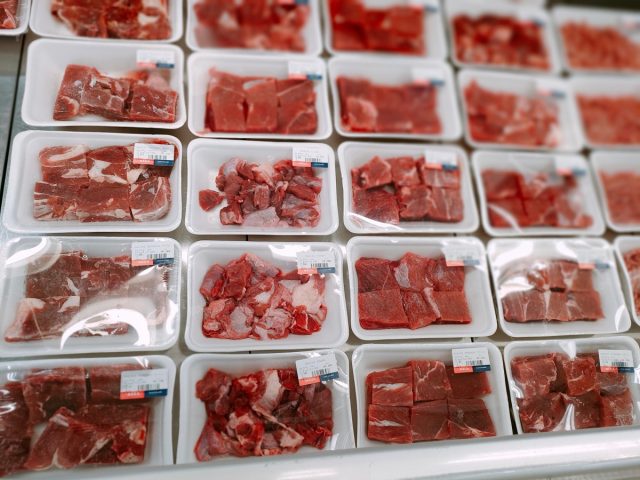
One of the most pervasive misconceptions in home cooking, according to Thomas, is the reliance on pre-packaged "stew meat." These convenient packs, while seemingly a shortcut, frequently contain an assortment of trimmings from various, often leaner, parts of the animal. Such cuts lack the critical balance of fat and collagen required to achieve that melt-in-your-mouth tenderness and deep flavor that defines a truly great stew. The initial temptation for convenience often leads to a dry, uninspiring dish, underscoring Thomas’s assertion that "the mistake is usually made in the shop, not at the stove." Discerning cooks must look beyond the generic label and actively seek out specific cuts renowned for their suitability for slow cooking.
Optimizing Beef for the Stew Pot
For those crafting a traditional beef stew, several cuts stand out for their ability to deliver exceptional results.
-
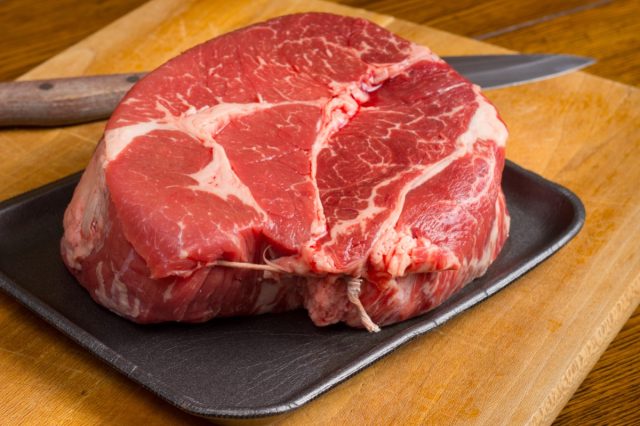
Beef Chuck (Shoulder): Widely regarded as the quintessential choice for beef stew, the chuck primal comes from the shoulder region of the steer. This area is characterized by hardworking muscles, which means it boasts a rich network of connective tissue and intramuscular fat. This inherent composition makes beef chuck perfectly suited for low-and-slow cooking methods. As it simmers, the collagen breaks down into gelatin, infusing the braising liquid with body and richness, while the fat contributes moisture and a profound beefy flavor. The muscle fibers, initially firm, become incredibly tender and succulent. Thomas specifically recommends beef chuck for its reliable balance of flavor, fat, and structure, making it an excellent all-purpose option for most home cooks. Its versatility allows it to shine in a wide array of stew preparations, from classic French boeuf bourguignon to hearty American pot roasts.
-
Beef Shin (Foreleg): For those seeking an even richer, more gelatinous stew, beef shin is an unparalleled choice, though it demands a touch more patience. This cut, originating from the lower leg, is exceptionally rich in collagen and often includes a marrow-rich bone if purchased as osso buco cross-cuts. The extensive connective tissue found in beef shin is its greatest asset for stewing. Over several hours of gentle simmering, this collagen renders into a luxurious gelatin, transforming the cooking liquid into a thick, glossy, and intensely flavorful sauce. This characteristic mouthfeel is virtually impossible to replicate with leaner cuts. The meat itself, once tenderized, offers a deep, concentrated beef flavor. Thomas highlights that while it requires a longer cooking duration, the reward is a stew with an unparalleled depth of body and a silken texture that elevates the entire dish.
-
Short Ribs: When the goal is a truly opulent and intensely flavored beef stew, short ribs are the go-to selection. These cuts, typically from the plate, chuck, or brisket primal, contain a significant amount of bone, fat, and highly marbled meat. The presence of the bone contributes immensely to the broth, leaching out marrow and additional collagen during cooking, which further enriches the stew. The generous marbling within the meat slowly melts, basting the muscle fibers from within and yielding an incredibly tender, juicy, and flavorful result. The combination of bone, fat, and robust beef provides a depth of flavor that is both luxurious and deeply satisfying, transforming a rustic stew into a gourmet experience. Thomas emphasizes their capacity to "help the pot along" by contributing a foundational richness that permeates the entire dish.
Exploring Lamb for Distinctive Stews
While beef often dominates the stew landscape, lamb offers a uniquely flavorful alternative, especially for those desiring a different aromatic profile.
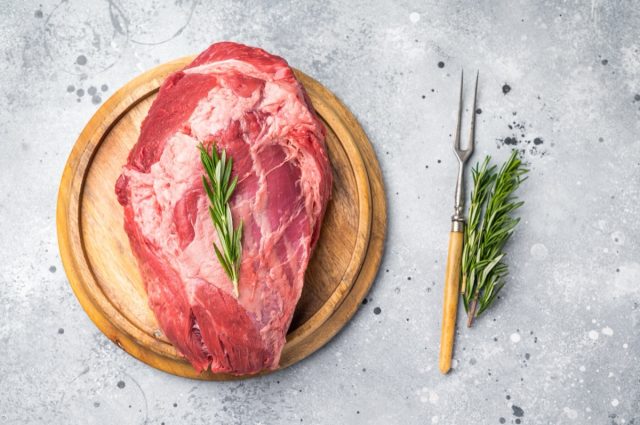
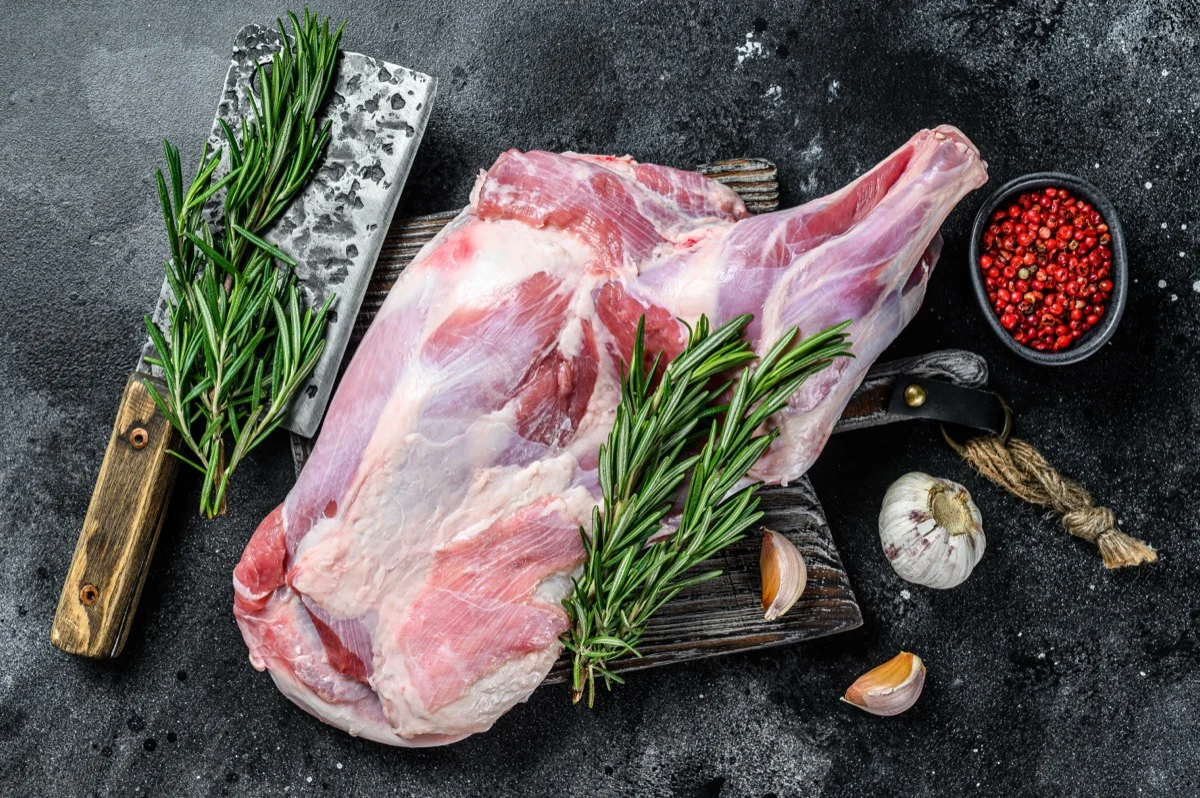
- Lamb Shoulder: For an authentic and deeply flavored lamb stew, the shoulder cut is overwhelmingly preferred over leaner options like the leg. Lamb shoulder possesses a higher fat content and a complex network of connective tissue, both crucial for maintaining moisture and developing flavor during extended cooking. The fat slowly renders, keeping the meat succulent and contributing a rich, characteristic lamb flavor to the braising liquid. The muscle fibers of the shoulder are also well-suited to breaking down into fork-tender pieces. This robust cut stands up beautifully to bold herbs like rosemary and thyme, garlic, red wine, and a variety of root vegetables, making it incredibly versatile for Mediterranean, Middle Eastern, or classic British-inspired stews. Thomas specifically advocates for lamb shoulder’s superior fat and flavor profile compared to the leaner leg, making it the ideal foundation for a truly memorable lamb stew.
Beyond the Cut: Enhancing Your Stew’s Potential
While the meat selection is paramount, several other techniques can further amplify the success of your stew. Searing the meat deeply before adding liquid is crucial; this process, known as the Maillard reaction, creates complex flavor compounds and a rich brown crust that adds significant depth to the final dish. The choice of braising liquid—be it robust beef or chicken stock, red wine, or even dark beer—also plays a vital role in building flavor. Maintaining a gentle, consistent simmer over several hours allows the connective tissues to slowly tenderize and flavors to meld, preventing the meat from seizing up. Finally, many stews, particularly those rich in collagen, benefit from resting or even reheating the next day. This allows the gelatin to fully set, creating a more viscous, flavorful sauce, and gives all the ingredients time to integrate, often resulting in an even more harmonious and delicious meal.
In conclusion, the pursuit of an exceptional stew is a culinary journey that begins with an informed decision at the butcher’s block. By understanding the unique properties of cuts like beef chuck, beef shin, short ribs, and lamb shoulder, home cooks can move beyond generic "stew meat" and confidently select ingredients that are inherently designed for the magic of slow cooking. This deliberate choice, guided by professional insights, ensures that every spoonful delivers the desired tenderness, richness, and profound flavor that defines a truly comforting and unforgettable meal.
About the Author