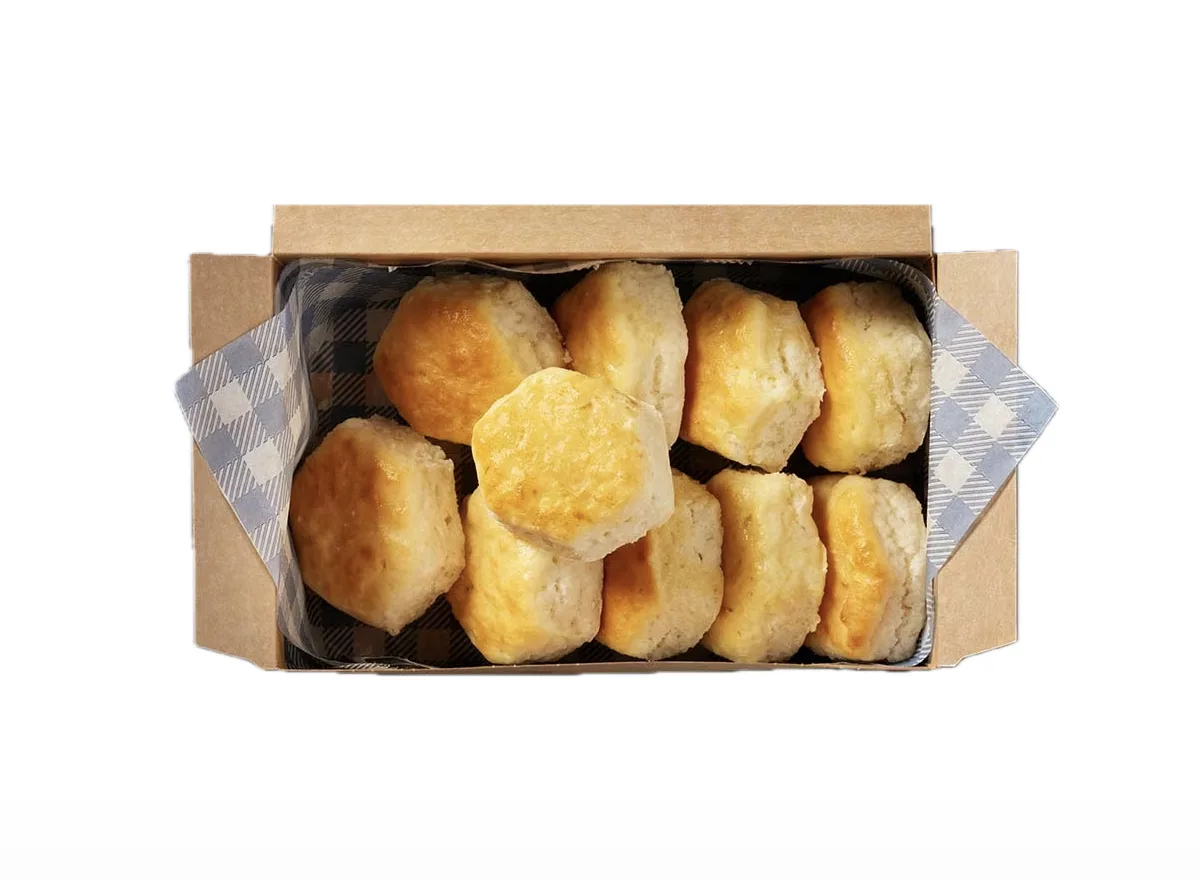
The buttermilk biscuit holds an iconic status within American culinary tradition, particularly in the Southern United States, where it transcends mere sustenance to embody a rich cultural heritage. More than just a simple bread product, a truly exceptional biscuit is a delicate balance of crisp exterior and tender, airy interior, often characterized by distinct layers that separate with ease. The pursuit of this quintessential comfort food extends beyond home kitchens, with numerous national restaurant chains striving to replicate the authentic, "made-from-scratch" quality that evokes nostalgia and satisfies a deep-seated craving. Achieving consistent excellence in biscuit production across hundreds or even thousands of locations presents a formidable logistical and culinary challenge, yet several establishments have distinguished themselves in delivering a product widely acclaimed for its warmth, freshness, and unparalleled fluffiness. This exploration delves into the efforts of select chain restaurants that have mastered the art of the buttermilk biscuit, examining their operational strategies and the public’s perception of their offerings.
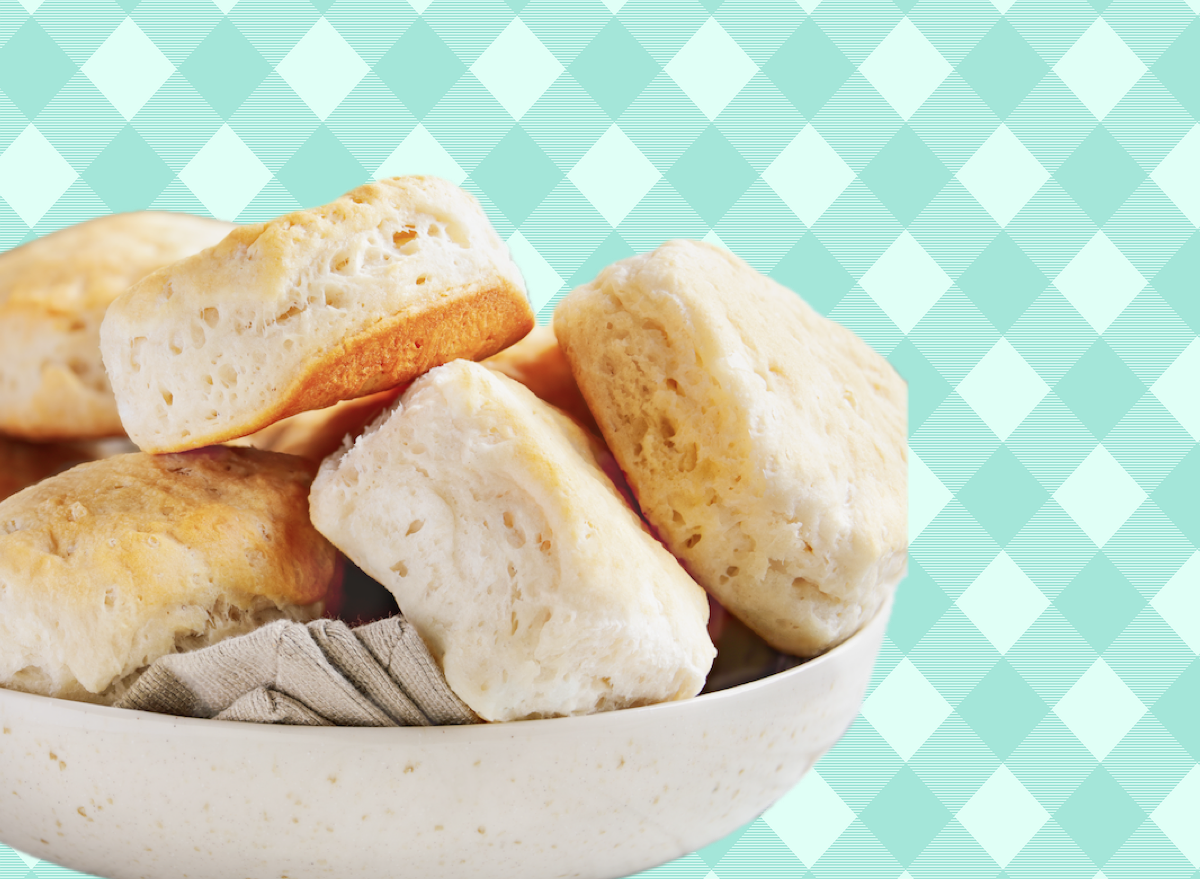
The foundation of a superior buttermilk biscuit lies in a few critical components and precise techniques. High-quality flour, often a soft winter wheat variety, provides the necessary structure. Crucially, cold fat—typically butter, lard, or a combination—is cut into the flour mixture, creating pockets that, when baked, release steam and contribute to the biscuit’s signature flakiness and lift. Buttermilk, the acidic ingredient, reacts with baking soda to produce carbon dioxide, aiding in leavening and imparting a subtle tanginess while tenderizing the dough. Minimal handling is paramount to prevent overworking the gluten, which can result in a tough texture. For commercial operations, replicating this delicate balance on a grand scale, ensuring consistent ingredient quality, and maintaining skilled labor across diverse locations is a testament to dedicated culinary engineering. The promise of a fresh, warm biscuit, baked hourly, becomes a significant draw for patrons seeking a taste of home-style goodness in a convenient setting.
Hardee’s, a prominent player in the fast-food landscape, particularly recognized for its morning menu, has staked a considerable portion of its brand identity on its signature breakfast biscuits. The company explicitly highlights its commitment to a "made-from-scratch" philosophy, emphasizing that batches of their warm, voluminous biscuits emerge from ovens approximately every 15 minutes. This frequent baking schedule is a strategic effort to guarantee peak freshness, a crucial factor in the consumer experience of a quality biscuit. Hardee’s has positioned its biscuit as a cornerstone of its breakfast offerings, often comparing its quality favorably against competitors. Online discourse frequently features customers expressing strong loyalty, with many asserting the superior quality of Hardee’s biscuits, sometimes for decades, over other mainstream fast-food alternatives. This sustained public approval underscores the success of their operational model in consistently delivering a product that resonates with a significant segment of the breakfast market, proving that speed does not necessarily compromise perceived quality in this specific category. The perceived difference often lies in the texture and moistness, which Hardee’s strives to maintain through its rapid production cycle.
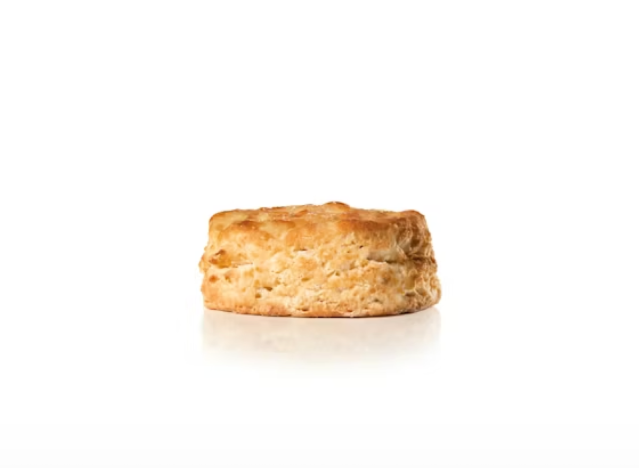
Another Southern-inspired chain, Bojangles, has cultivated a fierce regional following largely on the strength of its authentic buttermilk biscuits. Deeply rooted in the culinary traditions of the American South, the brand prides itself on an unwavering dedication to preparing its biscuits from scratch. For Bojangles, the biscuit is not merely an accompaniment but a central element of its menu, frequently paired with its distinctively seasoned fried chicken or used as the base for various breakfast sandwiches. This commitment to traditional preparation methods distinguishes Bojangles in a competitive quick-service industry. Customer testimonials frequently elevate Bojangles’ biscuits to an almost legendary status, with many online commentators declaring them unparalleled in the fast-food sector. The consistent praise reflects a successful brand strategy that prioritizes the preservation of regional flavors and time-honored cooking techniques, transforming a humble staple into a key differentiator and a significant driver of customer loyalty. Their reputation suggests that patrons are willing to seek out establishments that uphold these culinary standards.
Popeyes Louisiana Kitchen, renowned globally for its distinctive New Orleans-style fried chicken, also features a buttermilk biscuit that commands significant attention. While often serving as a complementary side to its spicy chicken offerings, the Popeyes biscuit has garnered a robust fan base of its own. Unlike some lighter, airier varieties, Popeyes’ rendition is often characterized by a denser, more substantial texture, offering a hearty counterpoint to its flavorful main dishes. This unique textural profile, combined with its signature savory taste, has made it a subject of lively discussion among consumers. Social media platforms, including various online polls and forums, frequently place Popeyes’ biscuits at the top of rankings for fast-food biscuits. Some enthusiastic diners describe the experience of consuming a Popeyes biscuit as requiring a beverage close at hand, alluding to its rich, somewhat dry, and crumbly nature—a characteristic that, for many, contributes to its authentic appeal rather than detracting from it. This robust texture is often seen as a sign of a traditional, unadulterated biscuit, capable of standing up to gravy or being enjoyed plain. The brand’s success in this category demonstrates that a single menu item can significantly enhance the overall dining experience and contribute substantially to customer satisfaction and brand identity.
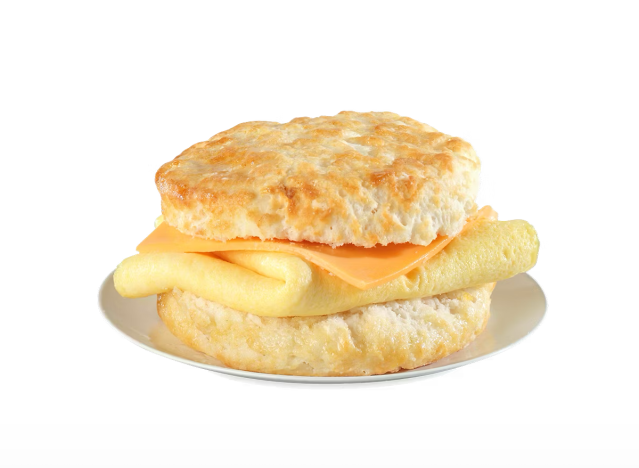
Cracker Barrel Old Country Store, with its distinctive blend of restaurant and retail store, presents itself as an embodiment of traditional American, particularly Southern, hospitality and home-style cooking. Its buttermilk biscuits are integral to this image, traditionally baked fresh and served perpetually warm, often accompanied by apple butter, preserves, or gravy. The chain’s dedication to this particular menu item was profoundly tested and reaffirmed during a significant operational shift. At one point, Cracker Barrel transitioned from baking its biscuits fresh daily to using a frozen product. This change, intended perhaps for efficiency or consistency, met with immediate and substantial customer backlash. Patrons, deeply invested in the perceived authenticity of Cracker Barrel’s offerings, voiced widespread dissatisfaction, signaling that the alteration compromised a core aspect of their dining experience. The company, recognizing the profound importance of this feedback, swiftly reversed its decision, reinstating its commitment to freshly baked biscuits. This incident serves as a powerful illustration of consumer power and the critical role that signature items play in a brand’s identity and customer loyalty. Cracker Barrel leveraged this experience in its subsequent marketing, reassuring guests of the return of their beloved, fresh-baked biscuits, thereby reinforcing the narrative of a brand that listens to its community and values its heritage. The episode underscored that for certain brands, authenticity is not just a marketing slogan but an expectation that must be consistently met.
The sustained success of these national chains in delivering highly regarded buttermilk biscuits highlights several key trends in the contemporary food service industry. Firstly, it demonstrates a strong consumer demand for authentic, high-quality comfort food, even within fast-casual and quick-service environments. Secondly, it showcases the significant investment in operational excellence required to consistently produce "made-from-scratch" items at scale, involving meticulous ingredient sourcing, standardized preparation protocols, and efficient baking cycles. Furthermore, the public’s engagement, whether through fervent online praise or decisive backlash, underscores the emotional connection many individuals have with traditional foods like the buttermilk biscuit. These establishments are not merely serving meals; they are offering a taste of tradition, a moment of comfort, and a connection to a cherished culinary past. Their ability to achieve and maintain a reputation for serving some of the "fluffiest" biscuits is a testament to a blend of culinary skill, operational prowess, and a deep understanding of their customer base’s desires, cementing the buttermilk biscuit’s place as a celebrated staple in the American dining landscape.
About the Author