
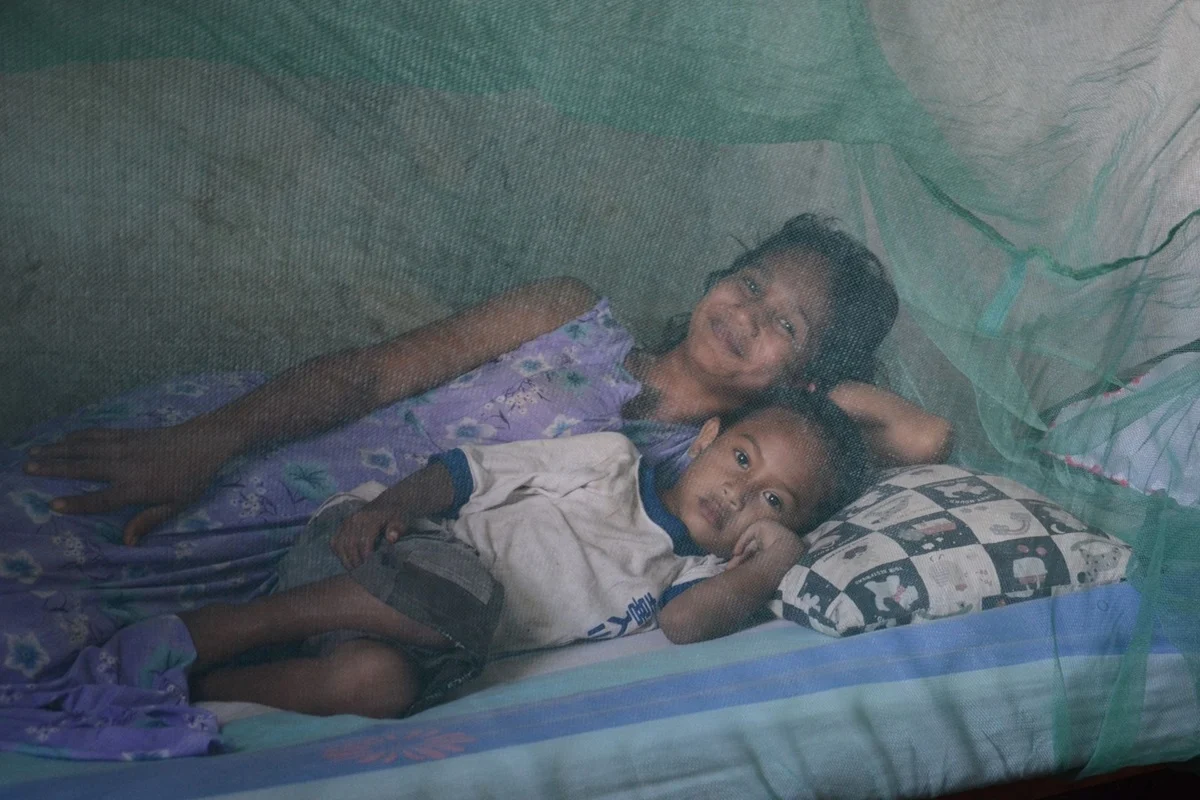
In a monumental public health triumph, Timor-Leste has officially been declared malaria-free by the World Health Organization (WHO), marking a profound milestone for the Southeast Asian nation. This certification is a testament to two decades of sustained, strategic effort that began almost immediately after the country re-established its independence in 2002. The achievement underscores the formidable power of political will, innovative health strategies, and dedicated community engagement in overcoming significant public health challenges.
Dr. Tedros Adhanom Ghebreyesus, the Director-General of the WHO, extended heartfelt congratulations to the people and government of Timor-Leste, emphasizing the profound lessons embedded in their success. He articulated that Timor-Leste’s journey serves as compelling evidence that the eradication of malaria is an attainable goal when a potent combination of robust political leadership, scientifically informed interventions, consistent domestic and international financial backing, and the tireless dedication of healthcare professionals converge.
The rigorous process for WHO certification of malaria elimination demands irrefutable proof that the indigenous chain of transmission has been definitively broken across the entire nation for a minimum of three consecutive years. This stringent criterion ensures that the victory is not merely temporary but represents a sustainable cessation of local disease spread. With this significant announcement, Timor-Leste joins an elite group, becoming the 47th country and the first territory globally to achieve this distinction. Within the WHO South-East Asia region, it stands as the third nation to be certified, following the Maldives in 2015 and Sri Lanka in 2016, further solidifying the region’s progress against the vector-borne disease.
Dr. Élia António de Araújo dos Reis Amaral, the Minister of Health for Timor-Leste, articulated the national sentiment with profound emotion, declaring, "We did it." She reflected on malaria’s historical presence as a "relentless enemy – silent, persistent, and deadly," acknowledging the tragic loss of countless lives to a preventable illness. The Minister lauded the unwavering perseverance of health workers, the steadfast resolve of communities, and the crucial support from partners like the WHO. She highlighted the astonishing reduction from over 223,000 cases to zero, framing the elimination as an honorable tribute to those lost and a safeguard for lives now saved. Dr. Amaral stressed the critical importance of continued vigilance and proactive community engagement to prevent any re-entry of the disease.
Timor-Leste’s journey from a high-burden nation to malaria-free status is particularly remarkable given its nascent state following decades of conflict and its subsequent re-independence in 2002. The nation, still grappling with the complexities of state-building, swiftly recognized the debilitating impact of malaria on its population and economic development. Within a year of independence, in 2003, the Ministry of Health demonstrated extraordinary foresight and resolve by establishing the National Malaria Programme. This dedicated initiative was tasked with the comprehensive planning, meticulous implementation, and vigilant monitoring of malaria control efforts nationwide.
Despite commencing operations with a lean team of just two dedicated officers, the program’s foundational success was quickly cemented, driven by astute technical guidance, robust administrative oversight, and an unwavering commitment to meticulous execution. This early institutionalization of a national strategy proved pivotal. Within a few short years, the country integrated advanced diagnostic and therapeutic tools into its public health arsenal. Rapid diagnostic tests (RDTs) were introduced, allowing for quick and accurate identification of malaria parasites, even in remote settings. Concurrently, artemisinin-based combination therapy (ACT), the most effective antimalarial treatment available, was adopted as part of the National Malaria Treatment Guidelines, ensuring patients received prompt and effective care. Furthermore, a proactive measure involved the widespread distribution of free long-lasting insecticide-treated nets (LLINs) to communities identified as most vulnerable to infection.
A significant escalation of nationwide vector control strategies occurred in 2009, bolstered by critical support from the Global Fund to Fight AIDS, Tuberculosis and Malaria. This collaboration enabled Timor-Leste to expand its distribution of LLINs and implement indoor residual spraying (IRS) campaigns. IRS involves coating the internal surfaces of dwellings with insecticides, providing a protective barrier against mosquitoes. Simultaneously, malaria diagnosis capabilities were decentralized and strengthened, utilizing both microscopy and RDTs at local health posts, ensuring accessibility to testing at the point of care across all regions.
The young nation also confronted significant systemic challenges, particularly a severe shortage of skilled health workers and medical doctors. In response, Timor-Leste embarked on a comprehensive investment in and development of its three-tier health system. This robust structure comprises national hospitals at the apex, followed by reference hospitals, and a broad base of community health centers (CHCs) and local health posts. This strategic decentralization aimed to ensure that the vast majority of residents could access essential healthcare services within approximately an hour’s walk, a critical consideration in a geographically diverse country. Complementing this infrastructure, the government enshrined a policy of free universal healthcare, ensuring that citizens receive health services at no cost at the point of care. To bridge gaps in remote and underserved areas, monthly mobile clinics and extensive community outreach programs were also established, bringing vital health services directly to the people.
The triumph over malaria in Timor-Leste stands as a powerful testament to the indispensable role of national leadership and the synergistic power of collaborative partnerships. The close cooperation between the Ministry of Health, the WHO, local communities, non-governmental organizations, international donors, and various governmental sectors was fundamental to this success. A critical innovation was the implementation of a real-time, integrated case-based surveillance system. This sophisticated mechanism allowed for rapid data collection on suspected and confirmed malaria cases, facilitating swift investigative and responsive actions. Concurrently, a cadre of well-trained health workers ensured the timely detection and screening of malaria cases, including rigorous monitoring at national borders to prevent imported infections. These comprehensive, integrated efforts meticulously paved the way for the country to earn its official malaria-free certification.
Dr. Arvind Mathur, the WHO Representative to Timor-Leste, encapsulated the profound significance of this achievement, describing Timor-Leste’s malaria-free certification as "a defining national triumph." He lauded the "bold leadership, tireless efforts of health workers, and the resolve of its people." Dr. Mathur highlighted the nation’s steadfast focus as a young state, emphasizing its diligent approach to testing, treating, and swiftly investigating every potential case. He eloquently noted that "ending transmission and maintaining zero deaths takes more than science; it takes grit," underscoring the sheer determination required. This victory, he concluded, safeguards present and future generations and powerfully illustrates the extraordinary achievements possible when a determined country mobilizes its will and resources.
Understanding WHO Malaria-Free Certification:
The rigorous process culminating in a malaria-free certification is a multi-stage validation. The final decision rests with the WHO Director-General, who acts upon a detailed recommendation provided by the Technical Advisory Group on Malaria Elimination and Certification (TAG-MEC). This recommendation is further substantiated by validation from the Malaria Policy Advisory Group (MPAG). The certification is not merely an acknowledgment of reduced cases but a formal recognition that a country has successfully interrupted indigenous malaria transmission for at least three consecutive years, possesses a robust surveillance system to detect and respond to any re-establishment of transmission, and has a comprehensive program in place to prevent re-introduction. This stringent methodology ensures the sustainability of the achievement and provides a globally recognized benchmark for public health success. Timor-Leste’s certification is not just an end to a long battle, but a beacon of hope and a practical blueprint for other nations striving for malaria elimination.
About the Author












