The culinary landscape of American chain restaurants underwent significant transformations throughout the 1990s, a decade often romanticized for its distinct cultural identity. While this era introduced many innovations, it also witnessed the quiet disappearance of numerous beloved menu items that, even today, continue to resonate with a generation of diners. These vanished dishes were often casualties of evolving consumer tastes, operational complexities, intense market competition, and shifts in corporate strategy, leaving behind a legacy of potent gastronomic nostalgia. Examining these discontinued favorites offers a fascinating glimpse into the intricate dynamics of the fast-food industry and the powerful hold that specific flavors and dining experiences exert on collective memory.
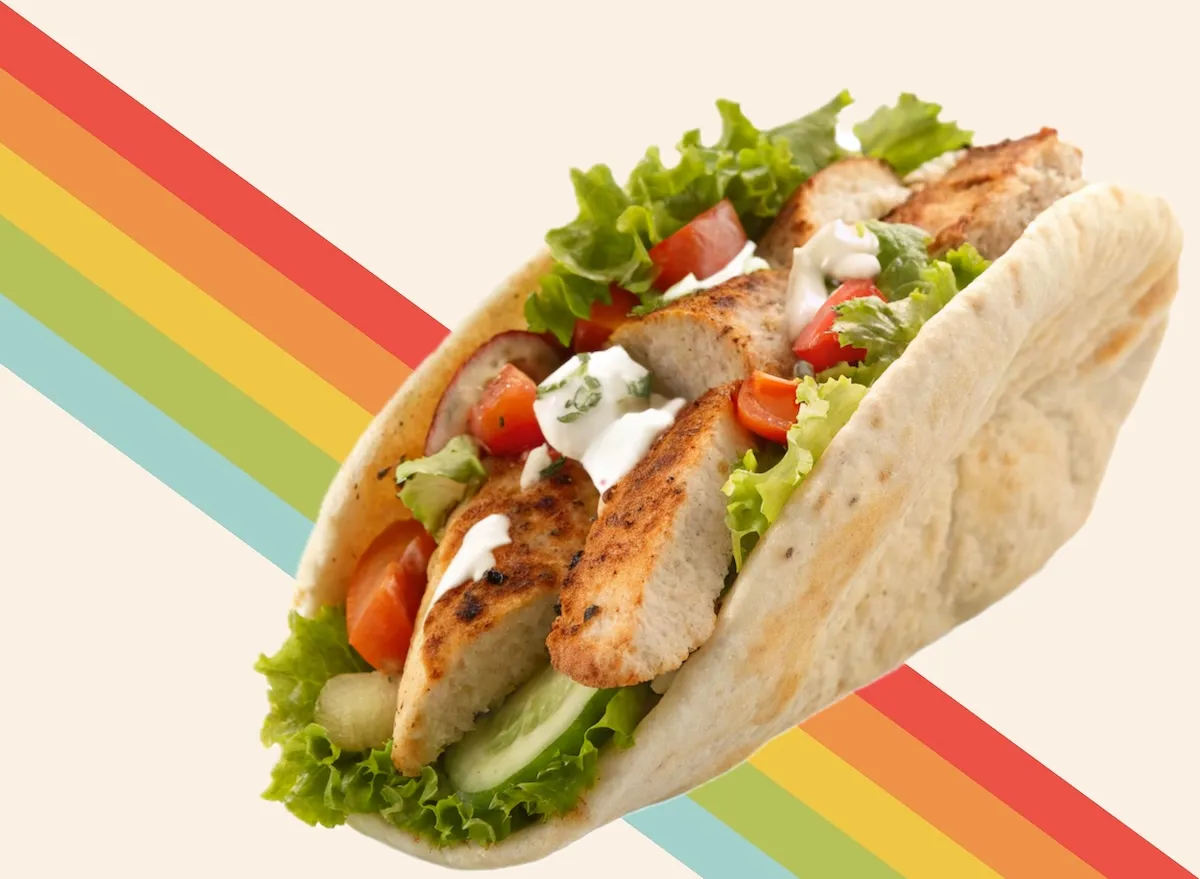
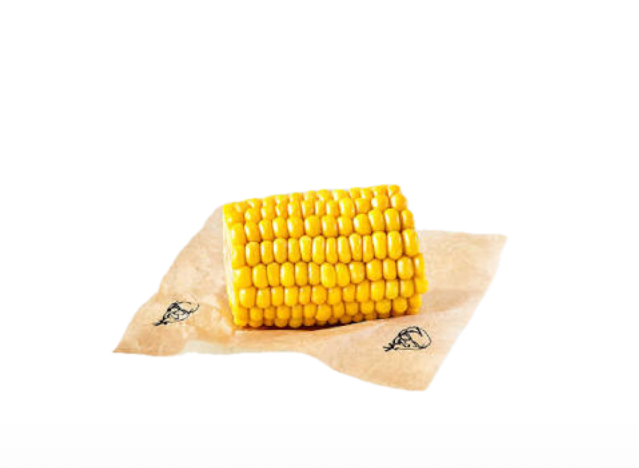
One such item that sparked considerable affection was the KFC Corn on the Cob. For many, a bucket of Kentucky Fried Chicken in the 1990s felt incomplete without this sweet, buttery side, typically served steamed in its signature yellow plastic bag. The simplicity of corn on the cob, a staple side dish in many American households, found a natural place alongside KFC’s fried chicken, offering a comforting, homestyle complement to the chain’s iconic offerings. Its eventual removal from most menus in the early 2000s prompted an enduring sense of loss among patrons. Social media platforms, particularly online forums, frequently feature discussions from individuals recalling its unique texture and flavor, often described as "juicy but not soggy" and "slathered in butter." The decision to discontinue such a popular item likely stemmed from a confluence of factors, including the drive for menu streamlining, cost-efficiency in ingredient sourcing and preparation, and the introduction of newer, perhaps more profitable, side options designed to appeal to broader or changing demographics. Fast-food chains constantly evaluate their menus, balancing consumer demand with logistical feasibility and profitability.
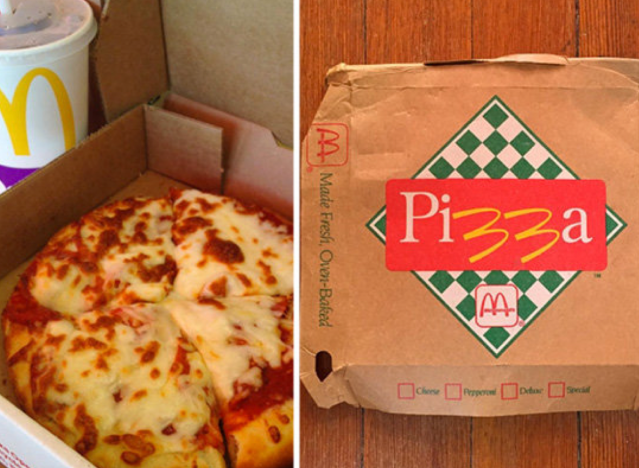
McDonald’s, a global titan in the fast-food arena, ventured into uncharted territory in the 1980s with the introduction of McPizza, an ambitious attempt to diversify its product line. This offering gained particular traction in the 1990s before its widespread discontinuation around the turn of the millennium. The concept, originating in Chicago, represented a bold move for a chain primarily known for its burgers and fries. However, integrating pizza production into McDonald’s existing kitchen infrastructure proved challenging. Traditional fast-food kitchens are designed for rapid assembly and quick cooking times, whereas pizza preparation requires specialized ovens, longer cooking durations, and distinct ingredient management, all of which could disrupt the efficiency of the drive-thru model that McDonald’s perfected. The extended wait times associated with baking a fresh pizza often clashed with customer expectations for speed at a McDonald’s restaurant. While a single, notable exception exists at the "world’s largest McDonald’s" in Orlando, Florida, where a digital ordering system still allows for customized pizza selection, the vast majority of locations shed the item due to operational hurdles and the competitive pressure from established pizza chains. The McPizza serves as a prime example of a fast-food giant pushing the boundaries of its core competency, ultimately learning valuable lessons about brand identity and operational constraints.
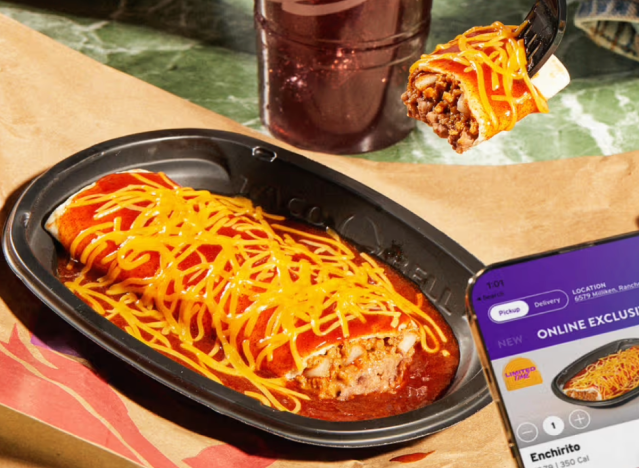
Another item that commanded a loyal following was Taco Bell’s Enchirito. This hybrid creation, a portmanteau of enchilada and burrito, was a long-standing fixture on Taco Bell’s menu, with its name officially registered with the United States Patent and Trademark Office as early as May 1970. It was celebrated for its distinctive combination of flavors and textures, consisting of a flour tortilla filled with seasoned ground beef, beans, and onions, smothered in red sauce and melted cheese, and often garnished with black olives. Its initial discontinuation in 1993 sparked considerable outcry, leading to several temporary revivals over the years, demonstrating the powerful consumer attachment to this unique dish. Accounts from former employees paint a vivid picture of its evolution, from its early days in aluminum trays to paper boats, and lament the eventual removal of black olives and changes in cheese-melting techniques. These nostalgic recollections often emphasize the superior quality and distinctiveness of the "original" Enchirito, highlighting how even minor changes to a beloved recipe can be keenly felt by consumers. The periodic resurgence of the Enchirito on limited-time offer (LTO) menus underscores the strategic value chains place on leveraging nostalgia to drive engagement and sales, even if permanent reintroduction proves challenging due to supply chain complexities or a desire to keep the core menu lean.
Wendy’s, known for its "fresh, never frozen" beef, also experimented with expanded offerings, most notably with the Wendy’s SuperBar. Introduced in the 1980s and flourishing in the 1990s, this all-you-can-eat buffet concept moved beyond the traditional salad bar to include a "Pasta Bar" and a "Mexican Fiesta Bar," alongside its array of fresh greens and toppings. The SuperBar allowed customers to customize their meals extensively, appealing to a growing consumer interest in perceived healthier or more varied options within a fast-food setting. However, its popularity ultimately contributed to its downfall. Maintaining the SuperBar to high standards of cleanliness, freshness, and food safety proved to be an immense operational challenge. High traffic volumes meant constant replenishment, vigilant cleaning, and significant labor costs. Concerns over hygiene, potential food waste, and the difficulty of ensuring consistent quality across numerous locations eventually led to its discontinuation. Despite these operational hurdles, many former patrons express deep affection for the SuperBar, reminiscing about the freedom to construct their ideal meal and the value it offered. Its demise marked a broader shift in the fast-food industry away from self-serve buffets towards pre-portioned, standardized menu items that are easier to manage and ensure consistent quality.
Another significant change at McDonald’s involved its iconic dessert: the Deep-Fried Apple Pies. For decades, these crispy, piping-hot pastries, encased in a simple cardboard pouch, were a quintessential part of the McDonald’s experience. Their golden-brown, bubbly crust, achieved through deep-frying, provided a satisfying crunch that was distinct from many other fast-food desserts. However, in 1992, McDonald’s made a pivotal decision to replace the deep-fried version with a baked alternative. This change was largely driven by a growing public health consciousness and a desire to present a "healthier" image. The baked pies, while still sweet and warm, lacked the characteristic crispness and indulgent texture of their fried predecessors, leading to widespread disappointment among long-time fans. Online discussions frequently feature vivid descriptions of the original pies’ "crackle" when bitten and express a fervent wish for their return. While the baked apple pie remains a menu staple, the nostalgic demand for the deep-fried version highlights how deeply ingrained specific preparation methods and sensory experiences can become in consumer expectations and memories. Some international McDonald’s locations, however, continue to offer the fried version, much to the delight of traveling enthusiasts.
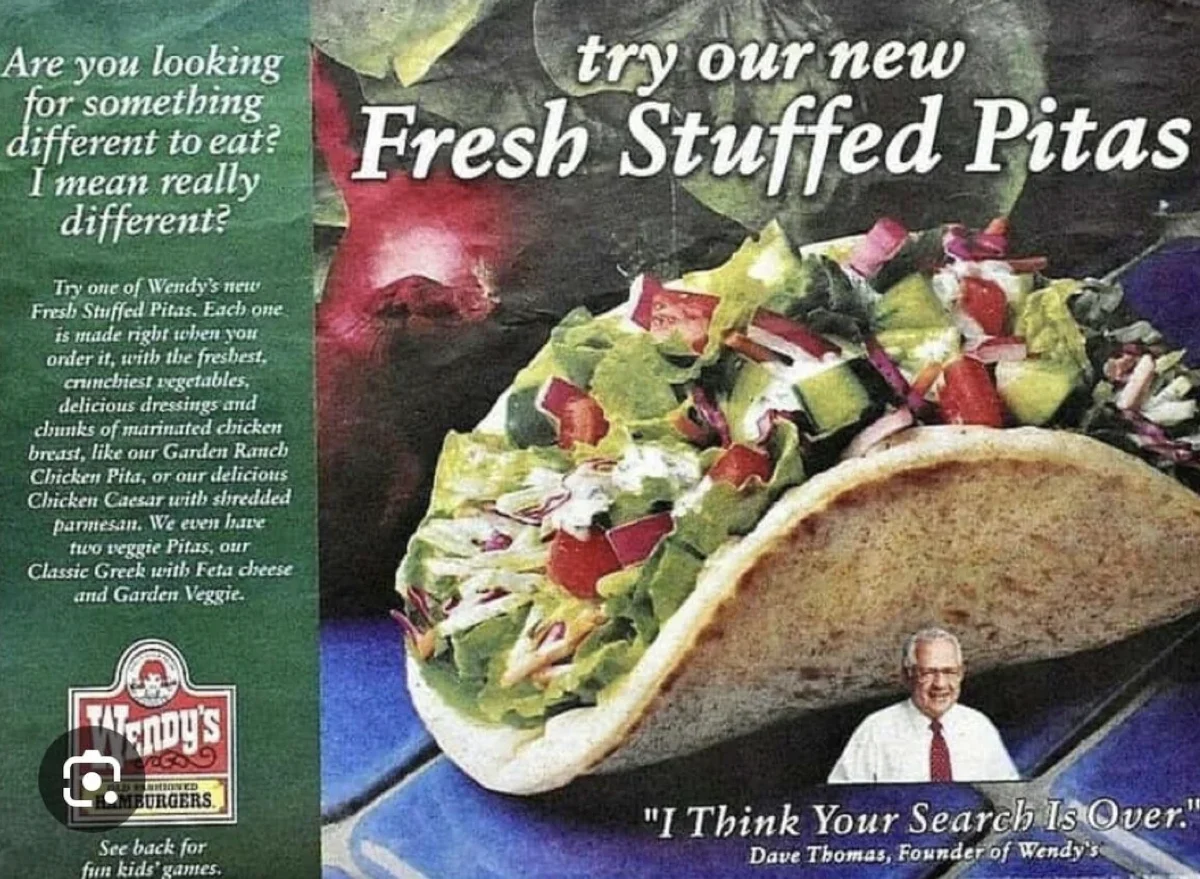
Wendy’s again sought to broaden its appeal in the mid-to-late 1990s with the introduction of Fresh Stuffed Pitas. Launched in 1997, these pitas were positioned as a lighter, fresher alternative to traditional fast-food fare, filled with a variety of vegetables and grilled chicken. They were available in several distinct flavors, including Garden Ranch Chicken, Chicken Caesar, Classic Greek, and Garden Veggie, reflecting a trend towards more diverse and "health-conscious" options. These pitas were particularly well-received by customers looking for something beyond burgers and fries, with many praising their fresh ingredients and unique flavor profiles. The Chicken Caesar and Classic Greek varieties, in particular, often receive high praise in retrospective discussions. Despite their popularity, the Fresh Stuffed Pitas, like many innovative fast-food items, likely faced challenges related to ingredient complexity, preparation time, and perhaps a lack of consistent consumer demand compared to Wendy’s core offerings. The complexity of preparing and assembling multiple pita varieties with fresh ingredients could have slowed down service times, a critical metric in the fast-food industry. Their discontinuation leaves a void for those who appreciated Wendy’s attempt to offer a more "fast-casual" style option within its traditional quick-service model.
Finally, Burger King, known for its flame-broiled burgers, also attempted to cater to the burgeoning health-conscious market of the early 1990s with the BK Broiler. Introduced in 1990, this grilled chicken sandwich was a deliberate move to provide a healthier alternative to the predominantly fried chicken options available elsewhere. The BK Broiler featured a flame-broiled chicken patty, topped with crisp lettuce, fresh tomato, and a distinctive dill ranch sauce, all served on an oat-dusted roll. At a time when fried chicken sandwiches were the norm, the BK Broiler stood out as a "revolutionary" option due to its preparation method and unique flavor profile. It resonated strongly with consumers seeking lighter choices without sacrificing taste. However, in the early 2000s, it was eventually phased out, making way for other chicken offerings, including the Chicken Whopper. Many loyal fans still advocate for its return, arguing that its grilled nature and specific flavor profile would once again be a refreshing counterpoint to the myriad of fried chicken sandwiches saturating the current market. They often suggest a modern revival could include spicy variations to tap into contemporary tastes, demonstrating the enduring impact of this pioneering grilled chicken sandwich.
The disappearance of these beloved items from chain restaurant menus reflects a complex interplay of economic pressures, evolving consumer preferences, operational efficiencies, and the relentless pursuit of new market trends. While their physical presence may be gone, their memory persists, fueled by nostalgia and online communities, serving as a testament to the powerful, often emotional, connection between food and personal history.
About the Author