As individuals navigate the mid-century mark and beyond, the preservation of physical capabilities becomes increasingly paramount for maintaining independence, quality of life, and overall well-being. Among the various components of fitness, robust lower body strength stands out as a critical determinant of functional longevity, influencing everything from the ease of daily movements to the prevention of falls. While many exercises can gauge lower body power, a seemingly simple test—the isometric squat hold—offers a remarkably comprehensive and revealing snapshot of an individual’s current physical vitality, particularly for those in their fifth decade of life and beyond. This static assessment challenges the muscular system, revealing not just raw power but also endurance and joint mobility, providing insights into one’s capacity to navigate the physical demands of aging with confidence.
The isometric squat hold distinguishes itself as an exceptionally insightful assessment tool because it demands simultaneous engagement of several crucial physical attributes. Unlike dynamic movements that involve continuous motion, an isometric contraction requires muscles to exert force without changing length, holding a specific position against resistance. In the context of a squat, this means maintaining a deep, stable posture for an extended duration. This unyielding challenge quickly brings to light the true capabilities of the lower body, including the quadriceps, hamstrings, glutes, and core musculature. It is a test that cannot be faked or rushed, providing an honest evaluation of one’s foundational physical resilience.
At its core, the value of the squat hold stems from its direct application of isometric principles. Isometric training involves contracting muscles and holding them in a static position. This form of exercise is highly effective for building strength at specific joint angles, which translates directly into improved stability and control during everyday activities. For instance, the ability to rise from a low chair, descend stairs safely, or maintain balance while reaching for an object all rely heavily on the kind of sustained muscle engagement fostered by isometric work. As we age, the cumulative effects of sarcopenia—the age-related loss of muscle mass and strength—can significantly impair these abilities. Engaging in isometric exercises helps to counteract this decline, preserving and even enhancing the neuromuscular pathways that dictate strength and coordination. Furthermore, isometric holds can activate a greater number of motor units, leading to more efficient muscle fiber recruitment and enhanced overall strength without the high impact associated with dynamic lifting, making them particularly suitable for older adults or those with joint concerns.
Beyond sheer strength, the isometric squat hold serves as a powerful indicator of muscular endurance. While strong legs are essential for executing movements with force, endurance is what allows those muscles to sustain their output over prolonged periods. Imagine standing in line at the grocery store, taking a long walk, or performing household chores; these activities require the continuous, low-level activation of the lower body muscles to prevent fatigue and maintain posture. The squat hold directly measures this capacity, challenging the quadriceps, glutes, and hip stabilizers to maintain effort as time progresses and fatigue inevitably sets in. A longer hold time signifies a greater ability to resist fatigue, translating into increased ease and safety in performing daily tasks that demand sustained physical effort. This endurance component is vital for maintaining an active lifestyle and reducing the perception of effort during routine activities, thereby enhancing overall quality of life.
The final critical component evaluated by the squat hold is joint mobility, particularly in the hips, knees, and ankles. Achieving and maintaining a proper squat depth requires a healthy range of motion and flexibility in these key joints, coupled with adequate stability from the surrounding musculature. Many older adults experience a reduction in joint mobility due to factors such as arthritis, sedentary lifestyles, or previous injuries. The squat hold test inherently demands that these joints work in harmony, allowing the body to settle into a deep, controlled position. Regular practice, even with modified variations, can gradually improve this mobility, leading to greater comfort at depth and a reduced risk of injury during dynamic movements. Enhanced hip, knee, and ankle mobility contributes significantly to better balance, a more efficient gait, and a broader repertoire of pain-free movement, all of which are crucial for active aging.
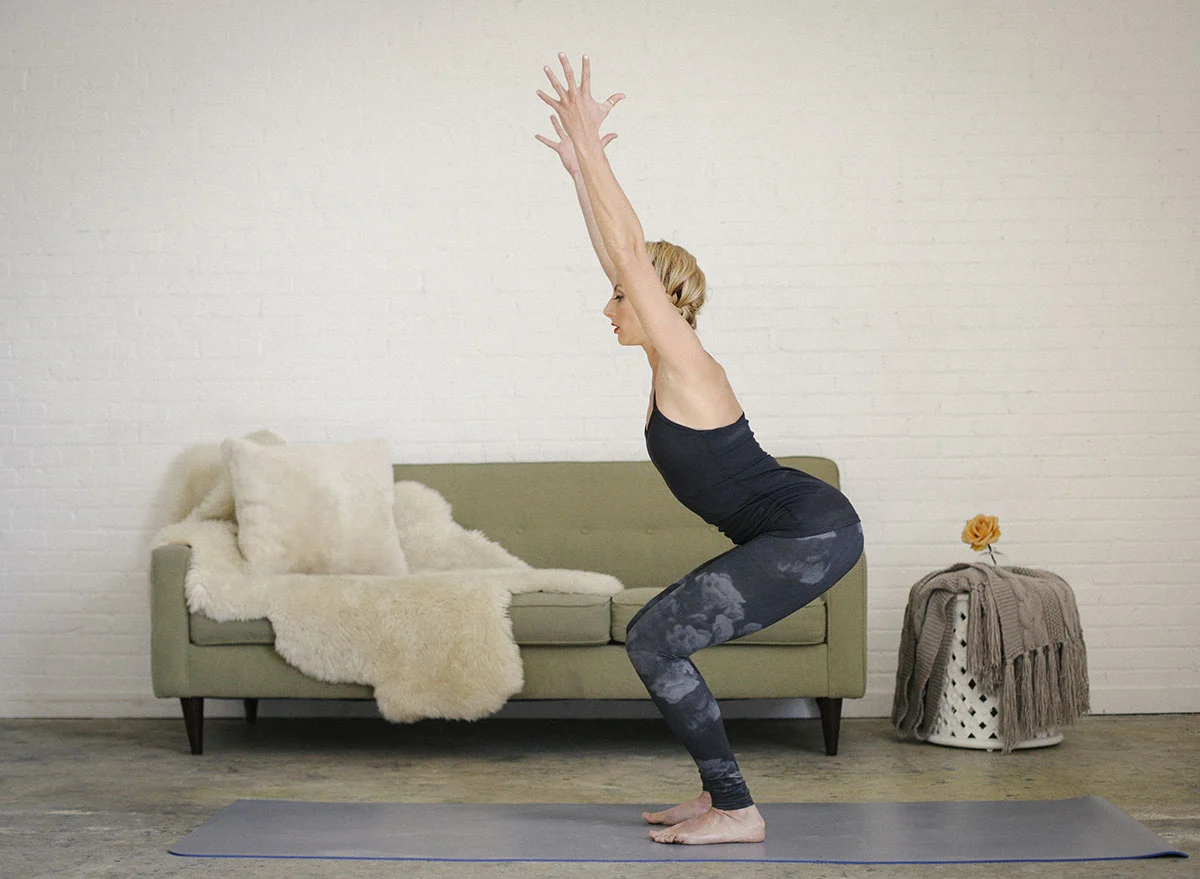
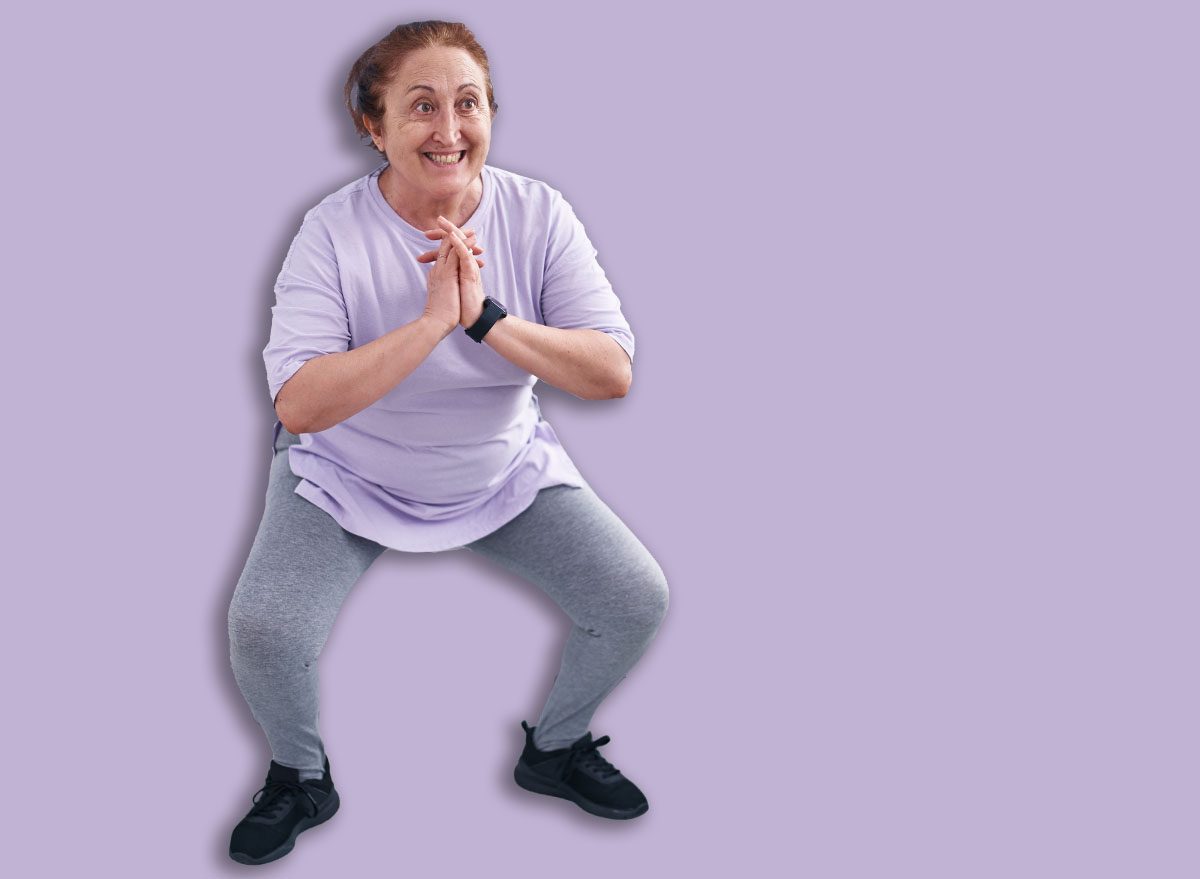
To perform an effective and informative squat hold, precise technique is paramount. Begin by standing with feet approximately shoulder-width apart, toes pointing slightly outward. Initiate the movement by sending your hips back and down, as if you are about to sit into a chair. Throughout the descent, maintain a tall torso, keeping your chest lifted and your gaze forward. Ensure your knees track in alignment with your toes, avoiding any inward collapse or outward splaying. The objective is to lower yourself until your thighs are at least parallel to the floor, forming a 90-degree angle at the knees. In this position, distribute your weight evenly through your midfoot, feeling grounded and stable. Once the desired depth is reached, hold that static position, focusing on steady, controlled breathing and maintaining tension throughout your legs and core. The hold concludes when form begins to falter—whether your hips rise, your chest drops significantly, or your feet lift from the ground. For those just starting or needing assistance, variations such as holding onto a wall, using a box or chair to guide depth, or performing a goblet squat hold (holding a weight at chest level for counter-balance) can provide valuable support while building strength and confidence. Assisted TRX or resistance band variations can also help individuals work towards unassisted holds.
The duration an individual over 50 can maintain a correct squat hold offers meaningful insights into their lower body health and functional capacity. These benchmarks provide a general framework for understanding performance:
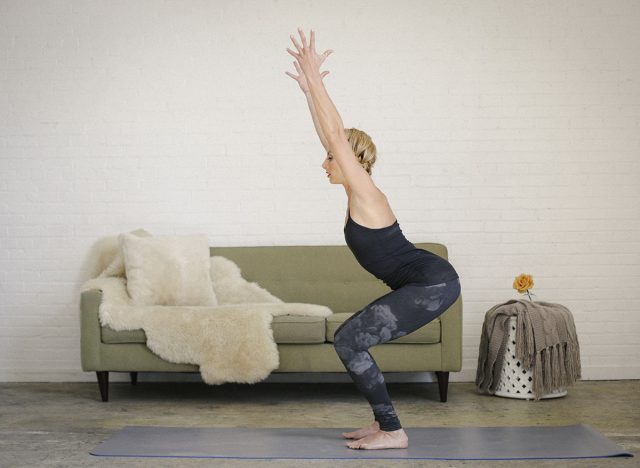
- Less than 20 seconds: This duration typically suggests a foundational level of strength and endurance. It indicates that significant improvements in lower body musculature, stability, and mobility are warranted. Individuals in this category might experience challenges with prolonged standing, navigating stairs, or rising from lower surfaces, highlighting areas for focused developmental work.
- 20 to 45 seconds: Achieving this range signifies a developing level of lower body capability. It suggests that the legs can support a stable squat position with moderate control, providing a useful base for many daily movements and routine activities. This performance indicates a satisfactory level of functional independence for most common tasks.
- 45 to 75 seconds: This is a proficient range, demonstrating robust strength and endurance in the quadriceps, glutes, and core. Individuals in this category likely possess solid hip and knee control, exhibit good comfort at depth, and can maintain organized posture even as fatigue builds. This level of performance supports a generally active lifestyle with ease and resilience.
- Greater than 75 seconds: This duration is indicative of exceptional lower body strength, muscular endurance, and comprehensive squat mobility for individuals over 50. Holding a clean squat for this long often means the legs can maintain significant force, the hips and ankles provide excellent support and range of motion, and the core effectively stabilizes the torso throughout the demanding hold. This level of performance is frequently observed in individuals whose lower body capabilities significantly surpass a large majority of their age demographic, suggesting a very high degree of functional independence, reduced fall risk, and enhanced overall physical vitality. Such a performance signifies a lower body with remarkable staying power, directly contributing to an elevated quality of life in later years.
Improving one’s squat hold duration and, by extension, overall lower body health after 50 requires a multifaceted and consistent approach. The journey involves a strategic blend of strength training, dedicated mobility work, and progressive time under tension. The aim is not merely to lengthen the hold, but to foster legs that feel genuinely powerful and stable in the position, hips and ankles that articulate smoothly through their full range, and a core that provides unwavering support, all while maintaining calm and controlled breathing. Initial progress often comes from prioritizing proper form over raw duration; mastering the position first will make longer, more challenging efforts much more attainable and safer in the long run.
Integrating various training modalities is key. Dynamic exercises, such as bodyweight squats, goblet squats, lunges, and step-ups, are crucial for building foundational strength and muscle mass. Incorporating heavier resistance, as appropriate and under guidance, can further stimulate muscle growth and neural adaptation. To specifically target endurance, practice the squat hold regularly, gradually increasing the duration by 5-10 seconds per session, ensuring form remains impeccable. Beyond static holds, consider exercises that demand sustained effort, such as walking lunges or high-repetition bodyweight squats. Mobility drills are equally vital; exercises like hip flexor stretches, ankle dorsiflexion work (e.g., calf stretches against a wall), and deep squat mobility flows can significantly enhance joint range of motion, allowing for greater depth and comfort in the squat. Furthermore, a strong and stable core is indispensable for supporting the spine during a squat, so include core-strengthening exercises like planks, bird-dog, and anti-rotation movements. Consistency is the bedrock of progress; regular, thoughtful practice, combined with adequate nutrition—especially protein intake—and sufficient rest, will yield the most significant improvements. Consulting with a qualified fitness professional can provide personalized guidance and ensure exercises are performed safely and effectively, tailoring a program to individual needs and limitations.
In conclusion, the isometric squat hold serves as a potent and accessible barometer of lower body strength, endurance, and mobility, offering profound insights into an individual’s functional health past the age of 50. Achieving and sustaining a deep, stable squat for over 75 seconds is a remarkable feat, indicative of lower body capabilities that often far exceed average for one’s age group, signaling a robust foundation for active and independent living. This strength manifests in the ease with which one navigates stairs, rises from chairs, enjoys long walks, and handles the myriad everyday moments where capable legs empower a life lived with vitality and confidence. By understanding what this test reveals and proactively implementing strategies to improve, individuals can take meaningful steps towards securing a future defined by enduring physical resilience and enhanced well-being.
About the Author