
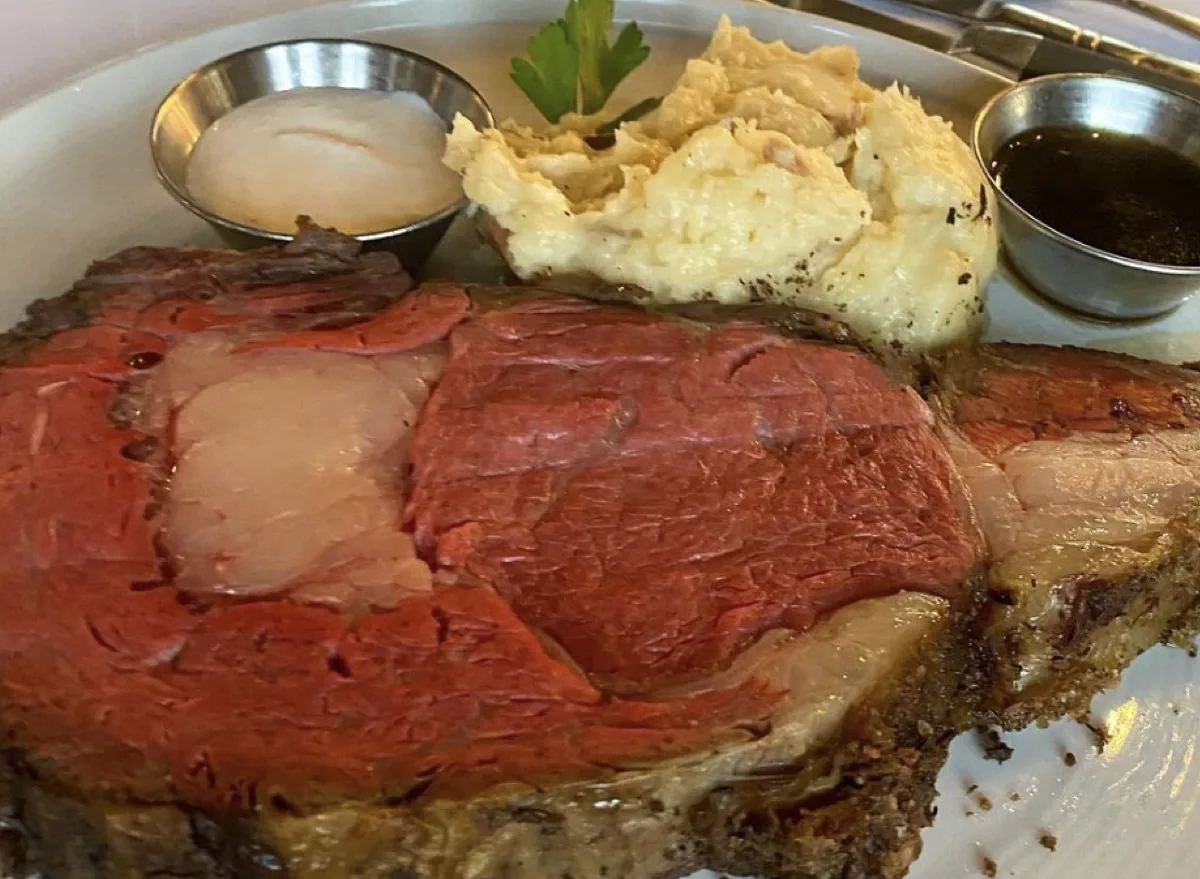
In an era increasingly defined by rapid service and streamlined culinary processes, the ceremonial act of tableside preparation represents a cherished link to a more refined epoch of dining. Among the most iconic expressions of this classic hospitality is the tableside carving of prime rib, a practice that elevates a meal into a theatrical event. While such elaborate presentations have largely receded from mainstream dining establishments due to evolving trends, operational efficiencies, and labor considerations, a select group of upscale restaurants steadfastly upholds this opulent tradition, offering patrons not just a meal, but an immersive culinary spectacle. These establishments understand that the appeal extends far beyond mere sustenance, tapping into a desire for personalization, sensory engagement, and a touch of nostalgic grandeur.

Historically, tableside service, often referred to as "French service," emerged from European fine dining traditions, gaining prominence in the late 19th and early 20th centuries. It signified the pinnacle of restaurant sophistication, where skilled waitstaff performed intricate tasks like filleting fish, flambéing desserts, or mixing salads directly at the guest’s table using a specialized cart known as a gueridon. This meticulous approach allowed for a dynamic interaction between the server and the diner, ensuring dishes were served at their freshest while simultaneously providing entertainment and demonstrating the kitchen’s mastery. The decline of this labor-intensive style accelerated in the latter half of the 20th century, as rising operational costs, a shift towards more casual dining, and a focus on kitchen efficiency led many restaurants to centralize food preparation. Yet, for certain signature dishes, particularly the revered prime rib, the allure of tableside carving has proven resilient.
Prime rib, also known as a standing rib roast, is a cut of beef from the primal rib section. Its designation as "prime" often refers to its superior quality and marbling, though it can also colloquially denote its prestigious status on a menu. The traditional preparation involves slow-roasting the large, bone-in cut for several hours at a low temperature. This method is crucial for achieving the characteristic tenderness, succulent texture, and rich, deep flavor that defines a perfectly cooked prime rib. The slow heat gently renders the fat, basting the meat from within, while preserving its natural juices. The result is a roast with a deeply caramelized exterior and a tender, pink interior, ranging from rare to medium, depending on the diner’s preference. When this majestic roast arrives at the table on a gleaming silver cart, ready to be carved to order, it transforms the simple act of eating into an unforgettable ritual. The scent of roasted beef, the visual artistry of the carving, and the anticipation of the perfectly sliced portion all contribute to an experience that transcends the ordinary.
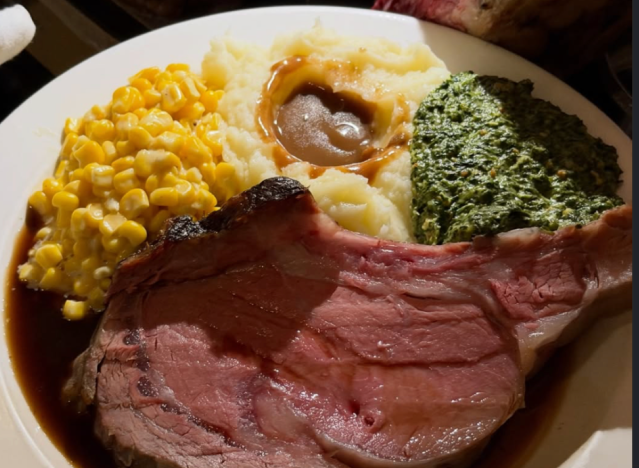
Among the most renowned custodians of this grand tradition is Lawry’s The Prime Rib. Founded in Beverly Hills, California, in 1938 by Lawrence L. Frank and Walter Van de Kamp, Lawry’s was conceived with a singular focus: to perfect and celebrate the art of prime rib. From its inception, the restaurant established a distinctive dining concept centered around the tableside carving ritual. Guests are greeted by servers, often referred to as "Carvers," who arrive with large, polished silver carts, custom-designed to keep the massive roasts warm and moist. The spectacle begins as the Carver expertly slices the meat to the guest’s desired thickness and doneness, allowing for immediate customization. This meticulous attention to detail extends to the preparation, with the prime rib traditionally slow-roasted on a bed of rock salt, a technique that ensures even cooking and exceptional tenderness, while also imparting a subtle seasoning. The theatrical presentation, combined with the consistent quality of the meat and accompanying classic sides like Yorkshire pudding, mashed potatoes, and creamed spinach, has cemented Lawry’s reputation as the quintessential destination for prime rib, making dinner an immersive event rather than just a meal. Its international presence, including locations in Chicago, Dallas, and Las Vegas, as well as several Asian cities, further attests to the enduring appeal of its specialized offering.
Extending the legacy of Lawry’s, two other distinguished establishments, Tam O’Shanter and Five Crowns, also proudly carry forward the tableside carving tradition as part of the Lawry’s Family of Restaurants.
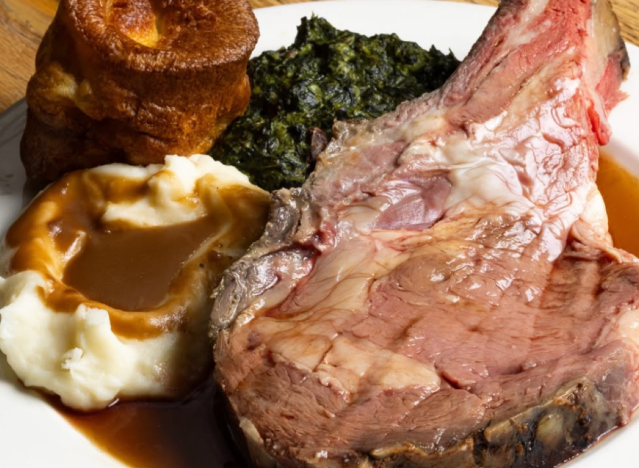
Tam O’Shanter, a historic Los Angeles institution established in 1922, predates Lawry’s itself and represents a rich tapestry of Hollywood history and culinary heritage. Designed to evoke an old Scottish inn, its cozy, pub-like atmosphere and dark wood interiors transport diners to a bygone era. Here, the prime rib carving service is deeply rooted in an authentic English tradition, aligning perfectly with the restaurant’s thematic ambiance. Patrons are presented with a selection of cuts, each with its own character. The "TAM O’SHANTER CUT," priced at $65, remains the most popular and traditional choice, offering a generous portion of the succulent roast. For those with a heartier appetite, the "PRINCE CHARLIE CUT," at $78, provides an extra-thick, bone-in portion, promising an even richer flavor profile. Every prime rib meal at Tam O’Shanter is a complete experience, accompanied by essential accoutrements such as fluffy mashed Idaho potatoes, savory gravy, light and airy Yorkshire pudding, freshly prepared horseradish for a piquant kick, and a choice of classic creamed spinach or creamed corn, completing a truly traditional feast. The continuity of this service at Tam O’Shanter highlights a commitment to preserving an authentic dining experience that transcends fleeting culinary trends.
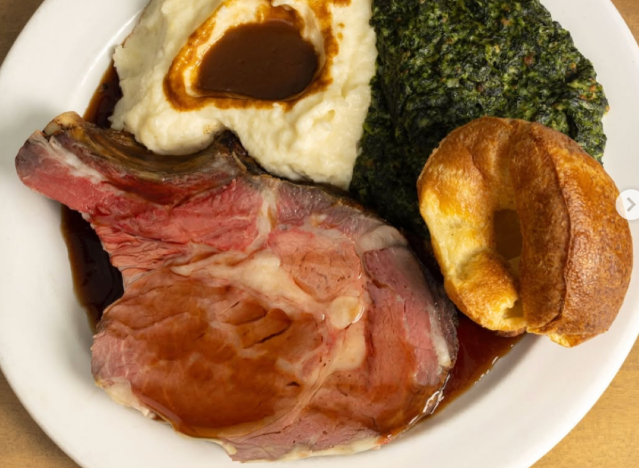
Similarly, Five Crowns in Corona Del Mar, California, offers its own distinctive take on the Lawry’s family tradition. Housed in a charming replica of an English country inn, complete with Tudor-style architecture and antique furnishings, Five Crowns provides an elegant and intimate setting for its roast service. The restaurant’s ambiance perfectly complements the classic presentation of its prime rib, emphasizing a sense of old-world charm and refined hospitality. Their menu boasts a remarkable array of nine distinct prime rib options, all stemming from the original preparation method that brought fame to Lawry’s in 1938 – a culinary heritage passed down through four generations. Each selection is meticulously prepared and includes traditional accompaniments like a rich au jus, the signature Yorkshire pudding, and freshly whipped cream horseradish. The "Crown Cut," priced at $65, stands as the most popular and traditional choice, a testament to its enduring appeal. For individuals seeking a lighter portion, the "California Cut," offered at $51, provides a perfectly satisfying experience without overwhelming the palate. Five Crowns ensures that regardless of the chosen cut, guests receive a meticulously prepared meal, served with grace and a deep respect for tradition.
Beyond the direct lineage of Lawry’s, other distinguished establishments also embrace the art of tableside prime rib carving. Gandy Dancer in Ann Arbor, Michigan, a prominent member of the Landry’s restaurant group, provides a unique setting for this classic offering. Housed within a beautifully restored 19th-century Michigan Central Railroad depot, the restaurant exudes a historic charm that perfectly aligns with its traditional culinary offerings. Gandy Dancer’s tableside prime rib service is a highly anticipated weekend special, available exclusively on Fridays after 3:30 PM, and all day Saturday and Sunday. This limited availability transforms the prime rib into a coveted treat, making a weekend visit to Gandy Dancer a special occasion in itself. The slow-roasted prime rib, celebrated for its melt-in-your-mouth tenderness, is expertly sliced to order from a silver cart. Each serving is thoughtfully paired with creamy smashed redskin potatoes, a savory au jus, and a tangy horseradish sour cream, providing a harmonious balance of flavors and textures. The restaurant frequently promotes this offering, underscoring its commitment to providing a premium, experiential dining option that differentiates it in the competitive culinary landscape.
The continued existence and popularity of tableside prime rib carving in these establishments speak volumes about the enduring human desire for experiences that transcend mere consumption. In an increasingly digital and fast-paced world, the deliberate slowness, the personalized attention, and the visual spectacle of a skilled server expertly carving a magnificent roast at one’s table offer a powerful antidote. It evokes a sense of occasion, fosters conversation, and creates lasting memories. These restaurants are not just serving food; they are curating moments, preserving a cherished aspect of culinary history, and demonstrating that true luxury often lies in the art of personalized service and meticulous craftsmanship. As diners increasingly seek authentic, memorable, and high-quality experiences, the tradition of tableside prime rib carving stands as a timeless testament to the enduring appeal of classic elegance in fine dining.
About the Author










