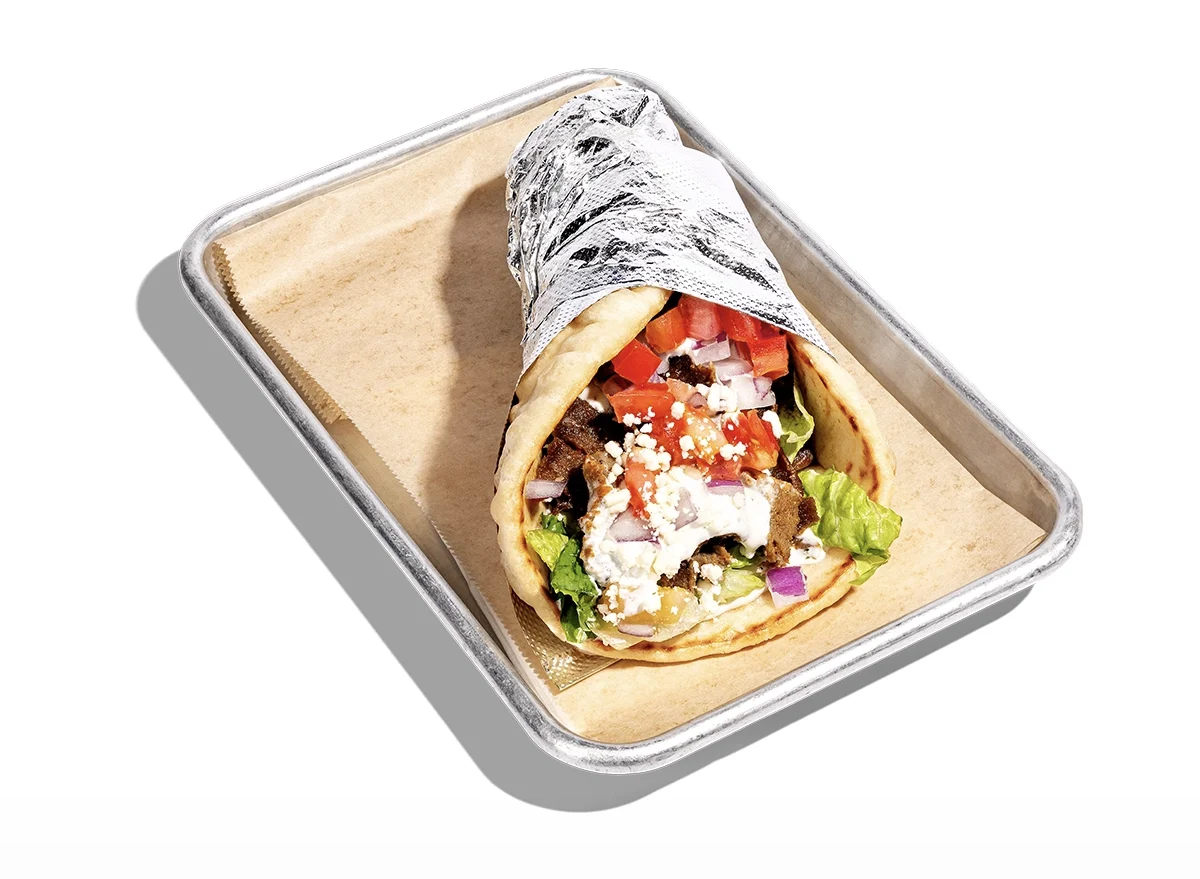
The culinary landscape of the United States has undergone a profound transformation over recent decades, marked by an increasing appetite for diverse international flavors. Among the many global dishes that have found a steadfast home in American cuisine, the gyro stands out as a particularly beloved and increasingly ubiquitous option. Traditionally associated with independent Greek and Mediterranean eateries, this savory dish, characterized by its thinly sliced, vertically roasted meat, fresh vegetables, and creamy tzatziki sauce enveloped in warm pita bread, has now permeated the menus of numerous national restaurant chains. This expansion signifies not merely a trend but a strategic response to evolving consumer preferences, as diners seek both convenience and authentic, high-quality international fare. This article explores the phenomenon of the gyro’s rise in mainstream dining and highlights five chain restaurants that have garnered significant acclaim from patrons for their exceptional takes on this Mediterranean classic.
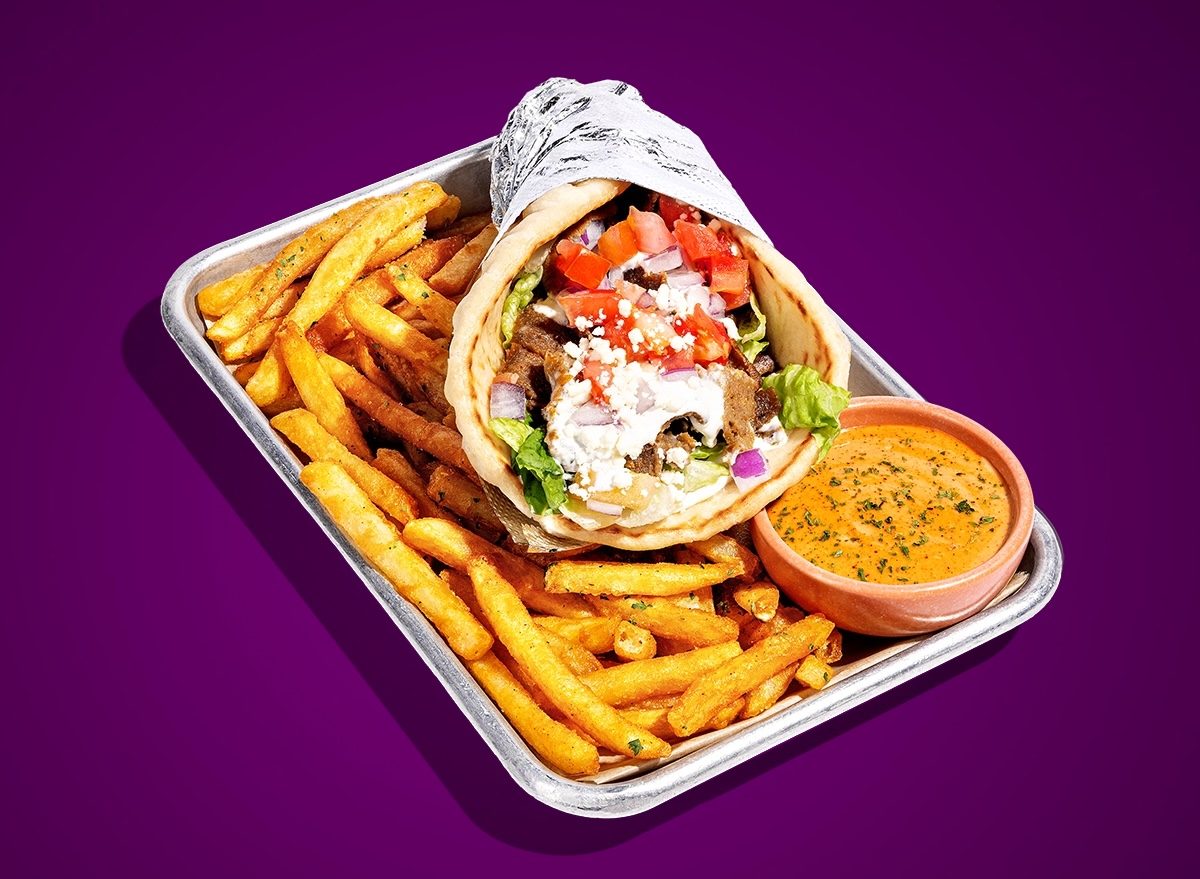
The gyro, deriving its name from the Greek word for "turn," referring to the rotating spit on which the meat is cooked, is a staple of Greek street food. Its history can be traced back to the Ottoman Empire’s döner kebab, which later evolved into the Greek gyro and the Arab shawarma, each adapting to local tastes and ingredient availability. Authentic gyros typically feature a blend of spiced beef and lamb, pressed into a large cone, slow-cooked on a vertical rotisserie, and then shaved off in tender, flavorful strips. Accompaniments often include tomatoes, onions, and a generous dollop of tzatziki, a refreshing yogurt-cucumber-garlic sauce. The widespread adoption of this dish by larger restaurant corporations signals a broader acceptance of Mediterranean cuisine, celebrated for its robust flavors and often perceived health benefits. Consumers today are more adventurous than ever, and chains are recognizing the commercial imperative to offer globally inspired options that can be scaled without compromising on taste or quality.
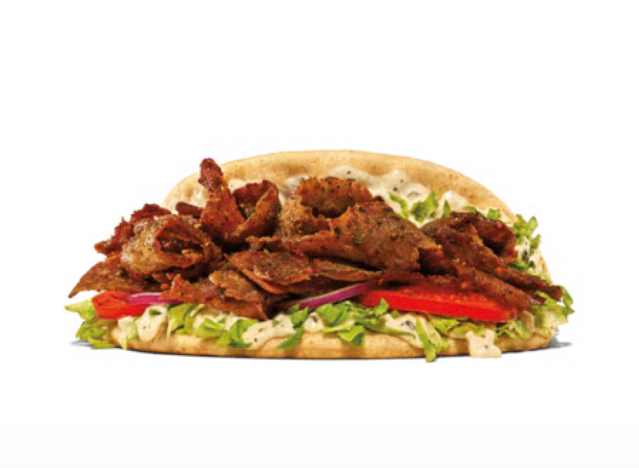
One surprising contender in the realm of highly-rated gyros is Arby’s, a fast-food giant primarily renowned for its roast beef sandwiches. This chain’s foray into Mediterranean-inspired cuisine with its Greek Gyro has remarkably resonated with its customer base, challenging preconceived notions about what a quick-service establishment can offer. Arby’s description of its gyro—featuring "flame-seared, knife-carved gyro meat, with crispy vegetables, creamy tzatziki sauce, and warm pita bread"—underscores its commitment to the core elements of the dish. The unexpected quality has frequently been a topic of enthusiastic discussion among diners, with many expressing genuine astonishment at how effectively Arby’s captures the essence of a good gyro despite its non-traditional brand identity. This strategic menu diversification exemplifies how established chains can successfully innovate by integrating popular ethnic dishes, thereby attracting a broader demographic and maintaining relevance in a competitive market. The positive feedback suggests that Arby’s has managed to deliver a consistent, satisfying product that stands out, even when compared to more specialized Mediterranean eateries.
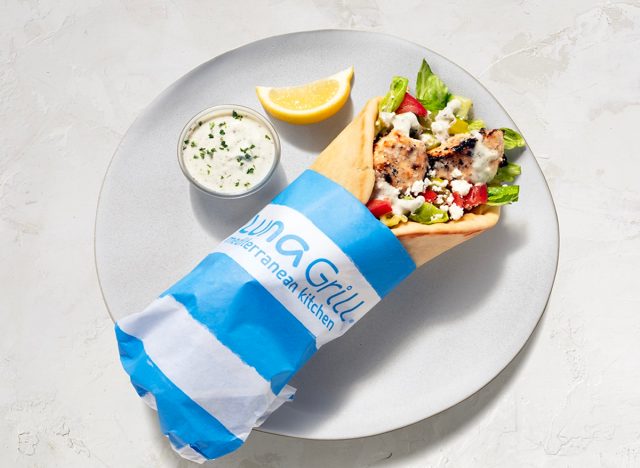
Moving from the unexpected to the specialized, Luna Grill has established itself as a leading fast-casual chain focused squarely on Mediterranean cuisine. Their commitment to fresh, healthful ingredients is central to their brand ethos, and their gyro exemplifies this dedication. The Luna Grill gyro is crafted from a thoughtful blend of beef and lamb, seasoned with a traditional array of Near Eastern spices that imbue the meat with a rich, aromatic profile. Customers frequently laud not only the exceptional flavor and tenderness of the gyro meat but also the generous portion sizes, which provide substantial value. The dining experience at Luna Grill is often described as a step above typical fast food, offering a more refined yet accessible approach to Mediterranean dining. Their success underscores the growing demand for quick-service restaurants that prioritize both flavor and ingredient quality, providing options that feel both indulgent and wholesome.
Another significant player in the Greek food segment is Nick the Greek, a chain that has made Greek street food its primary focus. This specialization allows them to hone their craft, offering a menu that celebrates authentic Greek flavors and preparation methods. Their savory gyro, a cornerstone of their offerings, consistently receives high praise. Diners frequently highlight the freshness of the ingredients, the perfectly cooked meat, and the harmonious blend of flavors. Beyond the main dish, Nick the Greek also garners acclaim for complementary items like their halloumi fries, which demonstrate an understanding of traditional Greek flavors and popular side dishes. The attention to detail, from the crispness of the vegetables to the robust seasoning of the meat and the quality of the pita, ensures a memorable dining experience. The chain’s ability to replicate this quality across multiple locations speaks to effective operational standardization and a deep appreciation for the culinary heritage it represents.
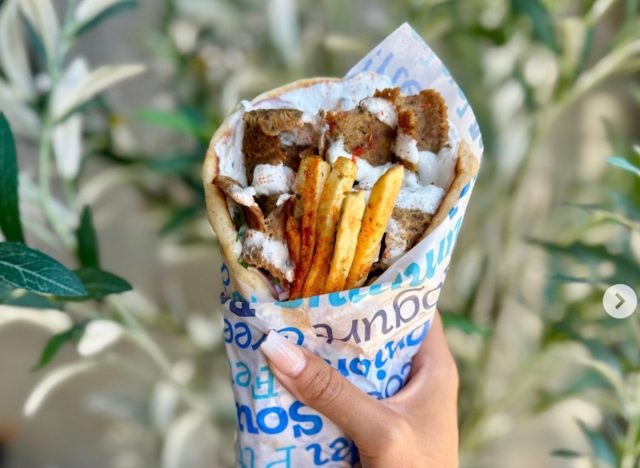
Spitz, a restaurant chain that broadly identifies with "Mediterranean street food" but draws heavily from the döner kebab tradition, offers an outstanding take on the gyro. With a slightly more modern and eclectic approach, Spitz has cultivated a loyal following who appreciate its innovative menu while still delivering on classic flavors. Their menu features a variety of doner and gyro options, allowing for customization and catering to diverse palates. Patrons consistently rank Spitz’s gyro as among the best they have ever tasted, often citing the exceptional quality of the meat, the flavorful sauces, and the overall satisfying experience. The chain’s reputation extends beyond its gyros to include popular side dishes, particularly their highly addictive french fries, which complement the main course perfectly. Spitz’s success illustrates how a chain can build a strong brand identity around a specific type of ethnic cuisine, adapting it to modern tastes while maintaining a high standard of quality.
Finally, Garbanzo Mediterranean rounds out the list with its commitment to delivering traditional Mediterranean fare, including a highly-rated traditional gyro. Garbanzo positions itself as a purveyor of fresh, wholesome Mediterranean food, emphasizing customizable options and a vibrant culinary experience. Their traditional gyro is a testament to this philosophy, featuring well-cooked, flavorful meat tucked into warm, pliable pita bread. Customers frequently commend the freshness of all ingredients, noting that the meat is never overcooked and that the dish includes a generous and well-balanced amount of sauce, crucial for a truly authentic gyro experience. The ability of Garbanzo Mediterranean to consistently provide a high-quality, fresh, and flavorful gyro across its locations highlights the importance of ingredient sourcing and meticulous preparation in a chain setting. Their approach appeals to diners looking for quick, healthy, and satisfying meals that don’t compromise on taste.
The increasing presence of high-quality gyros on the menus of national restaurant chains reflects a significant evolution in the American dining landscape. These establishments, ranging from unexpected fast-food icons to specialized fast-casual Mediterranean brands, are successfully bringing a beloved international dish to a wider audience. The consistent praise from diners for these five chains—Arby’s, Luna Grill, Nick the Greek, Spitz, and Garbanzo Mediterranean—underscores a collective achievement in balancing scalability with flavor authenticity. As consumers continue to seek culinary adventures and convenient, delicious meal options, the gyro’s journey from niche ethnic offering to mainstream favorite is a compelling testament to the dynamic nature of the food industry and the power of consumer demand to shape gastronomic trends. This trend not only broadens access to diverse cuisines but also challenges traditional perceptions of quality and authenticity within the quick-service and fast-casual sectors.
About the Author