
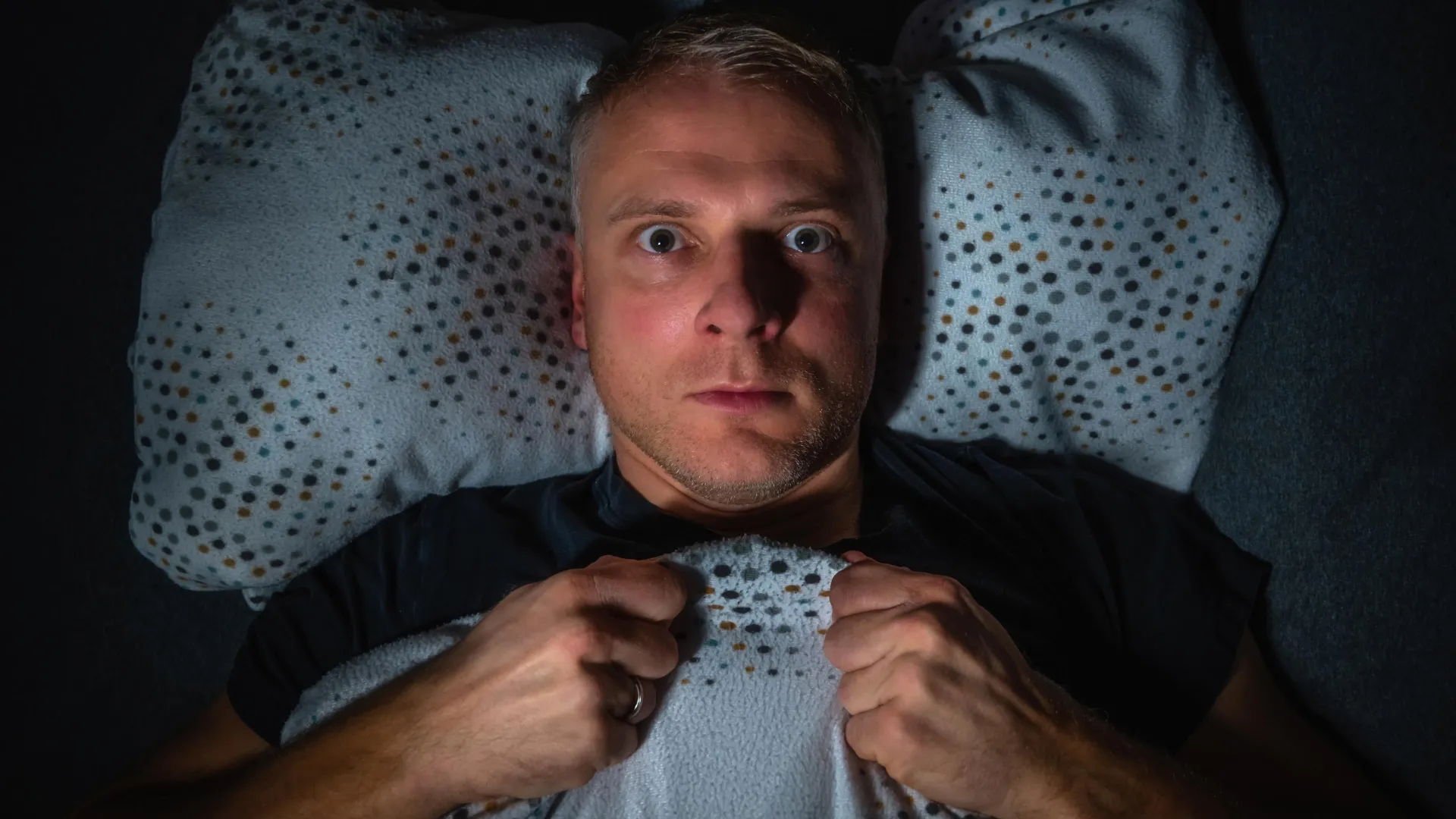
Nightmares represent a profoundly distressing manifestation of post-traumatic stress disorder (PTSD), a complex psychological condition that can emerge following exposure to catastrophic events, severe accidents, acts of violence, combat engagements, or other deeply traumatic experiences. For individuals afflicted with PTSD, sleep offers little respite, as it can trigger vivid and intrusive replays of the traumatic incident, fostering a pervasive sense of re-experiencing the event. These recurrent nocturnal disturbances can lead to chronic sleep deprivation and cultivate a profound apprehension associated with bedtime, further exacerbating the psychological burden.
Existing pharmacological interventions have historically offered only limited success in mitigating the persistent and debilitating nightmares associated with trauma. In response to this therapeutic gap, researchers at Charité – Universitätsmedizin Berlin embarked on an investigation to ascertain the potential benefits of a prescription medication containing tetrahydrocannabinol (THC), a principal psychoactive constituent of cannabis. The outcomes of this rigorous inquiry, subsequently disseminated in the esteemed scientific journal Nature Medicine, revealed a notable positive response to the treatment among a substantial proportion of study participants, with a significant subset reporting the complete cessation of their nightmares.
The inherent difficulty in treating PTSD-related nightmares stems from the profound and enduring impact of overwhelming traumatic experiences. Following such events, the brain’s capacity to effectively process and integrate these memories can become severely compromised. Traumatic memories may be stored in a fragmented or dysregulated manner, leading to involuntary and uncontrollable intrusions during both waking and sleeping hours. During sleep, individuals with PTSD may find themselves compelled to relive the trauma with an alarming intensity, often awakening abruptly in a state of panic. While conventional treatments, including antidepressants and medications designed to lower blood pressure, are sometimes employed, their efficacy in directly addressing the nightmares themselves is often constrained, providing limited relief from the core symptom. Notably, Germany has yet to formally approve any medication specifically targeted at the treatment of trauma-induced nightmares.
Professor Stefan Röpke, a leading expert in trauma-related disorders at the Department of Psychiatry and Neurosciences, Benjamin Franklin Campus, Charité, alongside his collaborative research team and additional academic partners, turned their attention to tetrahydrocannabinol, commonly recognized as THC. As the primary psychoactive component of cannabis, THC exerts its influence through interaction with the body’s endocannabinoid system, a crucial regulatory network involved in processes such as sleep, stress management, and the processing of emotional memories. Professor Röpke elucidates the theoretical underpinnings of this approach, stating, "There is evidence suggesting that during REM sleep – the intense dream phases in which the brain processes experiences and regulates emotions – THC reduces dream activity and thereby alleviates nocturnal stress responses." This mechanism suggests a potential for THC to modulate the intensity and frequency of distressing dreams.
The exploration of cannabis-derived therapeutics for conditions refractory to standard treatments has gained traction, particularly in managing chronic pain when conventional therapies prove insufficient or elicit intolerable side effects. In Germany, the legal landscape surrounding medical cannabis evolved significantly with the enactment of the "Cannabis for medical purposes" law in 2017, which broadened the scope for both medicinal and scientific utilization of cannabinoids, whether derived from natural sources or synthesized. For this particular investigation, the researchers administered Dronabinol, a pharmaceutical preparation containing THC isolated from the cannabis plant and delivered in liquid drop form. The primary objective was to rigorously assess the safety and efficacy of this compound in diminishing nightmares linked to PTSD.
The study design involved a cohort of over 170 individuals diagnosed with post-traumatic stress disorder and experiencing frequent, severe nightmares. Over a ten-week period, participants were randomly assigned to receive either Dronabinol or a placebo, meticulously flavored to mimic cannabis and presented in an identical appearance. Both groups administered their assigned treatment nightly, immediately prior to retiring for sleep. To ensure objectivity and mitigate bias, a double-blind, placebo-controlled methodology was employed, meaning neither the participants nor the attending healthcare professionals were aware of which treatment each individual was receiving. This approach is widely regarded as the benchmark for evaluating the efficacy and safety of medical interventions.
The results of the ten-week trial demonstrated a statistically significant reduction in nightmare severity among participants who received Dronabinol compared to those in the placebo group. On a standardized scale designed to quantify nightmare burden, the average decrease in severity was 3.7 points for individuals in the Dronabinol arm of the study, whereas the placebo group reported an average reduction of 2.2 points. This disparity represented a discernible and meaningful improvement for the individuals involved. Professor Röpke further detailed the qualitative outcomes, noting, "More than a third of the patients treated with Dronabinol reported that they no longer experienced any nightmares after ten weeks. Another 21 percent reported that their nightmare burden had been at least halved. And about five out of six patients in the dronabinol group felt their health had markedly improved."
Importantly, the cannabinoid appeared to exert a targeted effect on nightmares and sleep quality without significantly impacting other facets of PTSD. The researchers were unable to conclusively demonstrate that Dronabinol reduced the overall severity of post-traumatic stress disorder or any co-occurring depressive symptoms. Nevertheless, the symptomatic relief experienced by the majority of participants was substantial. By effectively interrupting the cyclical re-experiencing of trauma during the night, the treatment facilitated more peaceful and restorative sleep for many.
The safety profile of Dronabinol in this study was encouraging, with no severe adverse events reported. Mild to moderate side effects, such as dizziness, headaches, and increased appetite, were observed more frequently in the Dronabinol group, but these were generally manageable. Crucially, upon cessation of the evening doses at the conclusion of the study period, researchers observed no signs of withdrawal symptoms, suggesting a favorable tolerability profile. Future research endeavors are planned to investigate the long-term safety and sustained efficacy of this treatment over extended durations. Additionally, researchers aim to ascertain whether individuals might develop a tolerance to the drug over prolonged use, which could influence future treatment protocols. This groundbreaking research was initiated and led by Charité, with contributions from scientists at the Psychiatric University Clinic of Charité at St. Hedwig Hospital, the University Medical Center Hamburg-Eppendorf, and the Central Institute for Mental Health in Mannheim. The work received support from Bionorica SE.
About the Author












