Maintaining an active and independent lifestyle into later years often hinges on the strength and stability of key anatomical structures, with the hips playing a profoundly central role. As individuals progress beyond the age of sixty, a natural decline in muscle mass, known as sarcopenia, frequently impacts the efficacy of crucial muscle groups such as the glutes, hip flexors, and deep stabilizers surrounding the hip joint. This physiological shift can manifest in reduced gait speed, shorter strides, and a noticeable decrease in balance, collectively elevating the risk of falls and diminishing overall confidence in daily activities. While stretching offers valuable benefits for flexibility, a focused approach on strengthening these vital hip muscles proves more effective in restoring functional power and ensuring long-term mobility.
For many older adults, the prospect of rigorous gym workouts or complex standing exercises can be daunting due to concerns about balance, joint impact, or simply a lack of time. This is where a targeted regimen of bed-based exercises emerges as an exceptionally accessible and highly effective strategy. These movements harness the inherent support of a mattress, mitigating balance challenges and minimizing direct impact on the joints, thereby creating a safe and encouraging entry point into strength training. Clinical Exercise Physiologist Suzana De Pina emphasizes the critical importance of actively engaging these often-overlooked muscle groups. She highlights that despite the vital role of hip power in maintaining balance and overall well-being, specific strengthening efforts for the hips and legs are frequently neglected, leading to their progressive weakening with age. The gentle yet potent nature of bed exercises offers a practical solution, allowing individuals to proactively build strength and resilience from the comfort of their own homes.
The distinction between flexibility and strength is particularly pertinent in the context of hip health for older demographics. While a good range of motion is undeniably beneficial, true functional mobility, stability, and the ability to perform daily tasks with ease—such as ascending stairs, rising from a chair, or simply walking confidently—are primarily driven by muscle strength. Strengthening exercises actively challenge muscles to contract and generate force, leading to increased muscle mass, improved neurological control, and enhanced joint support. In contrast, stretching primarily focuses on lengthening muscles and improving joint range of motion. By prioritizing strengthening movements, particularly those that engage multiple muscle groups around the hip, individuals can more effectively rebuild the foundational power necessary to counteract age-related decline and significantly reduce the risk of debilitating falls. The structured support provided by a bed surface during these exercises allows for a more controlled and focused muscle engagement, making them an ideal starting point for those seeking to enhance their hip function without the complexities or risks associated with upright exercise.
Here are five expertly recommended bed-based exercises designed to bolster hip strength and improve overall mobility, offering a path to greater independence and quality of life:
1. Trunk Rotations
This foundational exercise is not merely a stretch for the back; it is a critical component for enhancing the coordinated movement between the hips and the core. Rotational mobility is essential for countless daily activities, from turning to reach an object to walking efficiently. By engaging the deep core muscles and gently mobilizing the lumbar spine, trunk rotations improve the neuromuscular control that dictates how your trunk and pelvis work together. This integration is paramount for dynamic stability and preventing compensatory movements that can lead to pain or injury.
- Execution: Begin by lying flat on your back on the bed, bending your knees so your feet are flat on the mattress, hip-width apart. Extend your arms out to the sides, forming a "T" shape with your palms facing up, allowing your shoulders to relax. Slowly and gently lower both knees to one side, keeping your shoulders as close to the bed as possible. Feel a gentle stretch and engagement in your lower back, hips, and obliques. Hold this position for 15-30 seconds, breathing deeply and rhythmically. Engage your core to slowly bring your knees back to the center, then repeat the movement on the opposite side. Aim for 5-10 repetitions on each side, maintaining a slow and controlled pace throughout the exercise. Focus on the gentle rotation rather than forcing the movement.
2. Modified Bridges
The gluteal muscles, comprising the gluteus maximus, medius, and minimus, are the powerhouses of the hip, crucial for hip extension, external rotation, and abduction. They are fundamental for activities like standing up, walking, climbing stairs, and maintaining an upright posture. This modified bridge variation specifically targets these essential muscles, along with the adductors (inner thigh muscles), which play a significant role in stabilizing the knee and maintaining proper hip alignment during movement. Performing this exercise in bed provides superior support, allowing for maximal glute activation without the added challenge of balancing on a hard surface.
- Execution: Lie on your back on the bed with your knees bent and feet flat on the mattress, positioned directly under your knees and hip-width apart. Ensure your lower back is comfortably pressed into the bed. With your arms resting by your sides, palms down, engage your abdominal muscles slightly to brace your core. Exhale as you slowly lift your hips off the bed, driving through your heels and squeezing your glutes at the top of the movement. Strive to create a straight line from your shoulders to your knees, avoiding excessive arching of the lower back. Hold this peak contraction for 1-2 seconds, focusing on the engagement of your glutes and hamstrings. Inhale as you slowly lower your hips back down to the starting position with control. Perform 10-15 repetitions, focusing on the quality of each movement rather than speed.
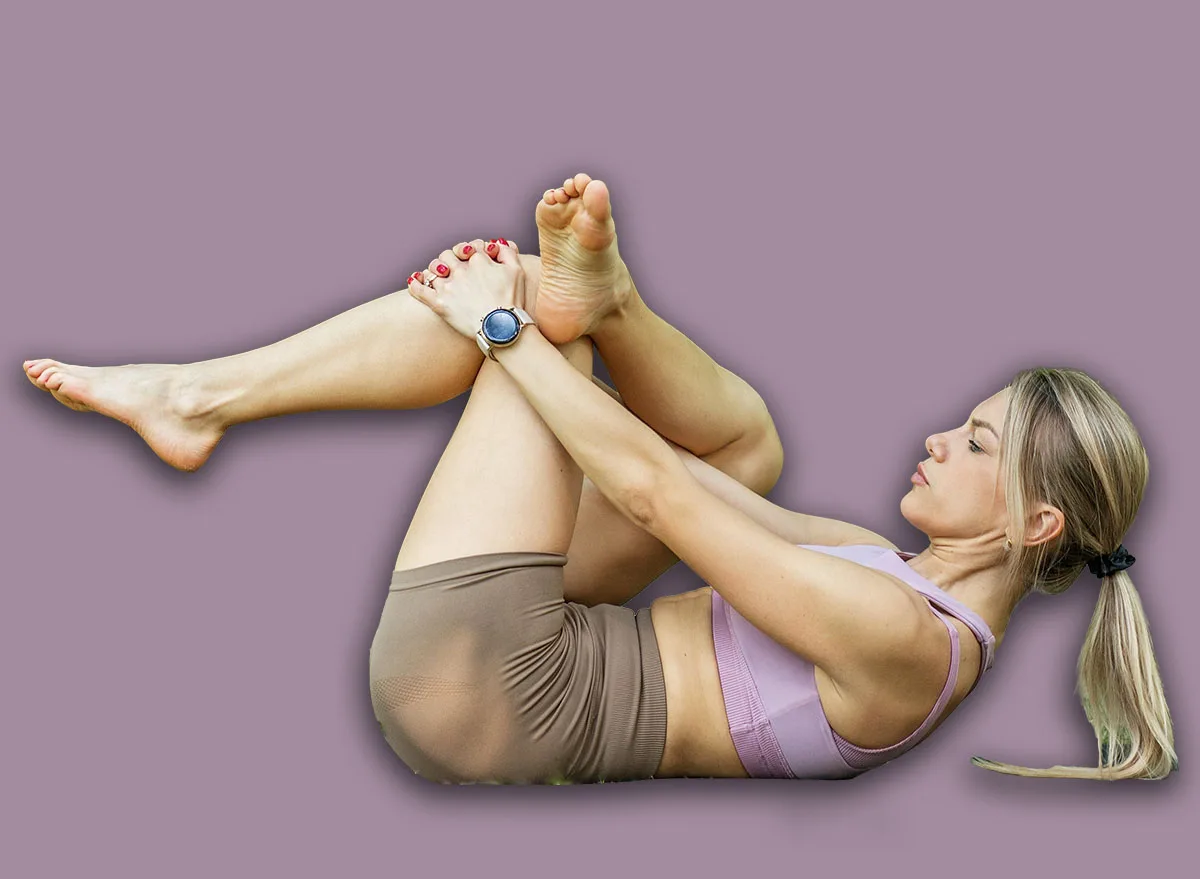
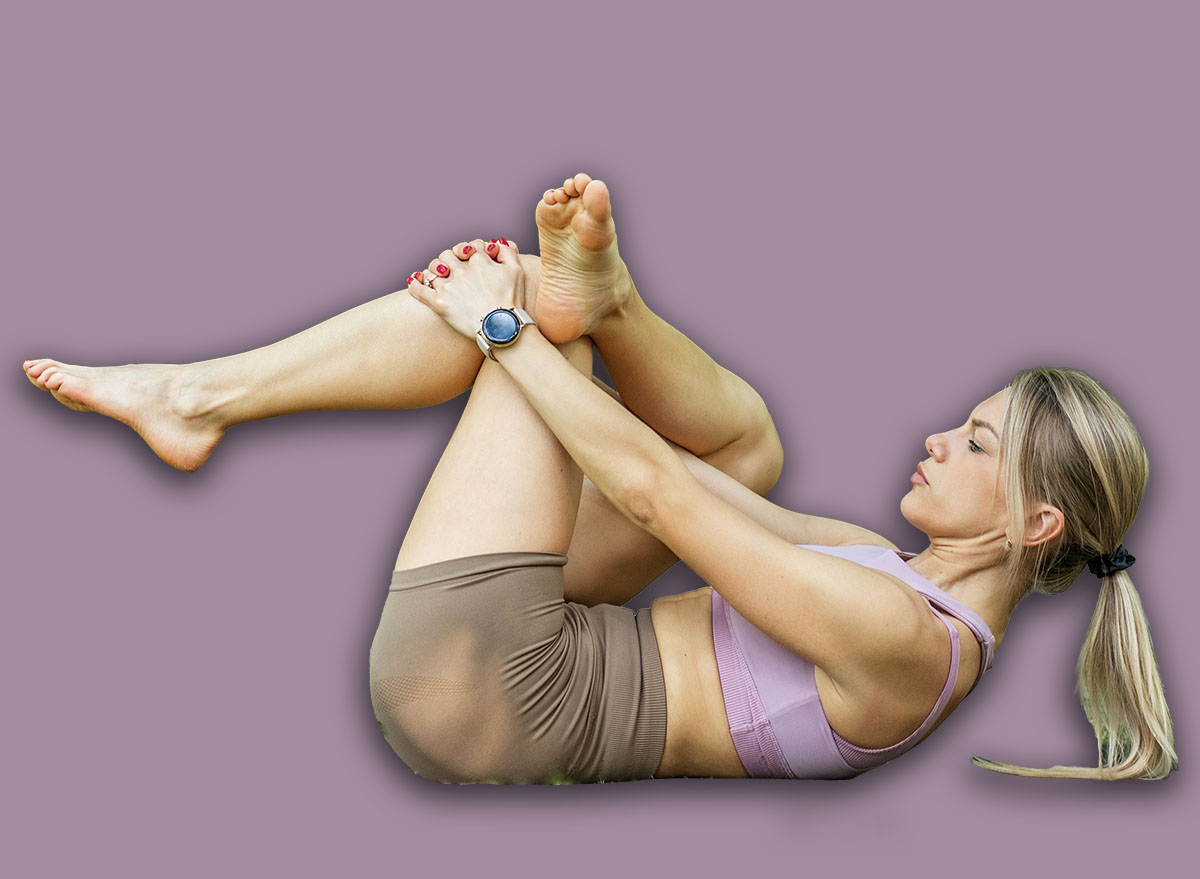
3. Hip Bends (Knee-to-Chest)
This exercise is a dual-purpose movement that effectively enhances hip mobility while simultaneously activating and gently strengthening the hip flexors and core. Tight hip flexors, often exacerbated by prolonged sitting, can contribute significantly to lower back pain, poor posture, and restricted movement patterns. By gently drawing the knee towards the chest, this movement promotes a controlled lengthening of the hip extensors on the active side, while allowing the hip flexors to engage and release. It also encourages a mild stretch in the gluteal region, improving the overall range of motion around the hip joint.
- Execution: Lie comfortably on your back on the bed with both legs extended. Slowly bend one knee and draw it towards your chest, using your hands to gently hug your shin or the back of your thigh. Aim to keep your lower back flat against the bed as much as possible, avoiding any excessive arching. Feel a gentle stretch in your glute and lower back, and a release in the hip flexors of the opposite leg if it remains extended. Hold this position for 20-30 seconds, breathing deeply and allowing your muscles to relax into the stretch. Release the leg slowly back to the starting position, then repeat with the other leg. Alternate between legs for 3-5 repetitions on each side.
4. Figure 4 Stretch
The Figure 4 stretch is a highly effective dynamic movement for addressing stiffness and improving external rotation in the hip joint, particularly targeting the piriformis muscle and other deep external rotators. These small, yet powerful muscles are crucial for hip stability and can become tight, leading to discomfort or even symptoms resembling sciatica if they impinge on the sciatic nerve. This exercise promotes greater flexibility and mobility in the hip capsule, fostering healthier joint mechanics and alleviating tension that can restrict movement. Performing it in bed offers a stable platform, allowing for a deeper and more controlled stretch.
- Execution: Begin by lying on your back on the bed, with your knees bent and feet flat on the mattress. Lift one leg and place the ankle of that leg across the knee of your opposite leg, forming a "figure 4" shape with your legs. Gently allow the knee of the crossed leg to fall open towards the side. To deepen the stretch, carefully lift your supporting leg off the bed and interlace your fingers behind its thigh, gently pulling it towards your chest. You should feel a stretch in the glute and outer hip of the crossed leg. Hold this position for 20-30 seconds, breathing deeply and consciously relaxing into the stretch. Release slowly and switch legs, performing 3-5 repetitions on each side.
5. Supine Hip Flexor Stretch
The hip flexors, particularly the iliopsoas muscle group, are instrumental in lifting the knees and bending at the waist. Over time, these muscles can become shortened and tight, contributing to an anterior pelvic tilt, which can exacerbate lower back pain and impair walking mechanics. This supine variation of the hip flexor stretch offers a controlled way to lengthen these muscles, promoting improved posture and a more expansive range of motion in the hips. By stabilizing the pelvis on the bed, the stretch can be directed precisely to the hip flexors, ensuring efficacy and comfort.
- Execution: Lie on your back on the bed, positioned so that one leg can hang freely off the edge of the mattress (or simply extend fully on the bed). Draw the knee of your opposite leg towards your chest, gently hugging it with your hands. Allow the leg that is extended or hanging off the bed to relax completely, feeling the stretch along the front of your hip and thigh. Ensure your lower back remains flat against the bed, preventing any arching that might lessen the stretch in the hip flexors. Hold this gentle stretch for 20-30 seconds, focusing on deep, calming breaths. As you exhale, try to relax deeper into the stretch. Slowly release the hugged leg and switch sides, performing 3-5 repetitions on each leg.
Consistency is the cornerstone of any effective exercise regimen. Integrating these gentle yet powerful bed exercises into your daily routine, perhaps right after waking or before sleep, can yield significant improvements in hip strength, flexibility, and overall functional mobility. It is always advisable to listen to your body, avoiding any movements that cause sharp pain, and to start with fewer repetitions or shorter holds, gradually increasing as your strength and comfort improve. For individuals with pre-existing medical conditions or chronic pain, consulting with a healthcare professional or a physical therapist before commencing any new exercise program is a prudent step to ensure the routine is appropriate for their specific needs. By proactively nurturing hip health, older adults can empower themselves to navigate life with greater ease, confidence, and independence for years to come.
About the Author