The global health community grapples with the persistent challenge of Clostridioides difficile infection (CDI), a debilitating and often recurrent condition that places a significant burden on healthcare systems and patient well-being. A groundbreaking development from researchers at the Institute of Biology Leiden (IBL) in the Netherlands offers a beacon of hope: a novel experimental antibiotic, EVG7, which demonstrates remarkable efficacy against the resilient pathogen while crucially safeguarding the delicate balance of the gut microbiome. This innovative approach, detailed in the journal Nature Communications, promises a paradigm shift in how recurrent CDI is managed, moving beyond broad-spectrum eradication towards a more nuanced, ecosystem-preserving therapeutic strategy.
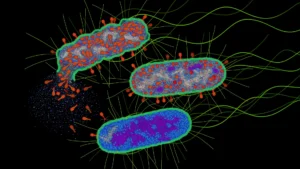
Clostridioides difficile, formerly known as Clostridium difficile, is an anaerobic, spore-forming bacterium responsible for a spectrum of intestinal diseases, ranging from mild diarrhea to severe pseudomembranous colitis, toxic megacolon, and even death. It primarily targets individuals whose normal gut flora has been disrupted, most commonly by prior antibiotic use, which creates an ecological niche for C. difficile to proliferate. Elderly patients, those with compromised immune systems, and individuals undergoing prolonged hospitalization are particularly vulnerable. The bacterium’s pathogenicity stems from its ability to produce potent toxins (TcdA and TcdB) that damage the intestinal lining, leading to inflammation and severe fluid loss. Beyond its immediate impact, the insidious nature of CDI lies in its high rates of recurrence. Traditional treatments, while often effective in the short term, frequently fail to prevent the infection from returning weeks or even days later, trapping patients in a cycle of illness and re-treatment.
The current standard of care for CDI typically involves antibiotics such as metronidazole or vancomycin. While these drugs can initially clear the infection, their broad-spectrum activity comes at a significant cost: they decimate not only the pathogenic C. difficile but also a vast array of beneficial bacteria that constitute the healthy gut microbiome. This collateral damage creates an environment ripe for relapse. C. difficile spores, resistant to most antibiotics, can lie dormant during treatment and then germinate in the absence of competitive native flora, leading to a resurgence of the infection. Recurrence rates can be as high as 25-30% after an initial episode and even higher following subsequent infections, highlighting a critical unmet medical need. This cycle of dysbiosis and reinfection underscores the urgency for treatments that selectively target the pathogen without indiscriminately harming the host’s microbial ecosystem.
Enter EVG7, an experimental glycopeptide antibiotic developed within the research group of Professor Nathaniel Martin at IBL, with lead author Elma Mons spearheading the investigation. Designed as a more potent and efficient successor to vancomycin, EVG7’s initial studies in murine models have yielded striking results, particularly regarding its ability to prevent recurrent CDI. The most compelling finding, perhaps counter-intuitive, was that a remarkably low dose of EVG7 proved superior in preventing recurrence compared to both higher doses of the same drug and traditional vancomycin treatments. This observation challenges conventional wisdom in antibiotic therapy, suggesting that for certain pathogens, less can indeed be more when the goal extends beyond immediate eradication to long-term prevention of relapse.
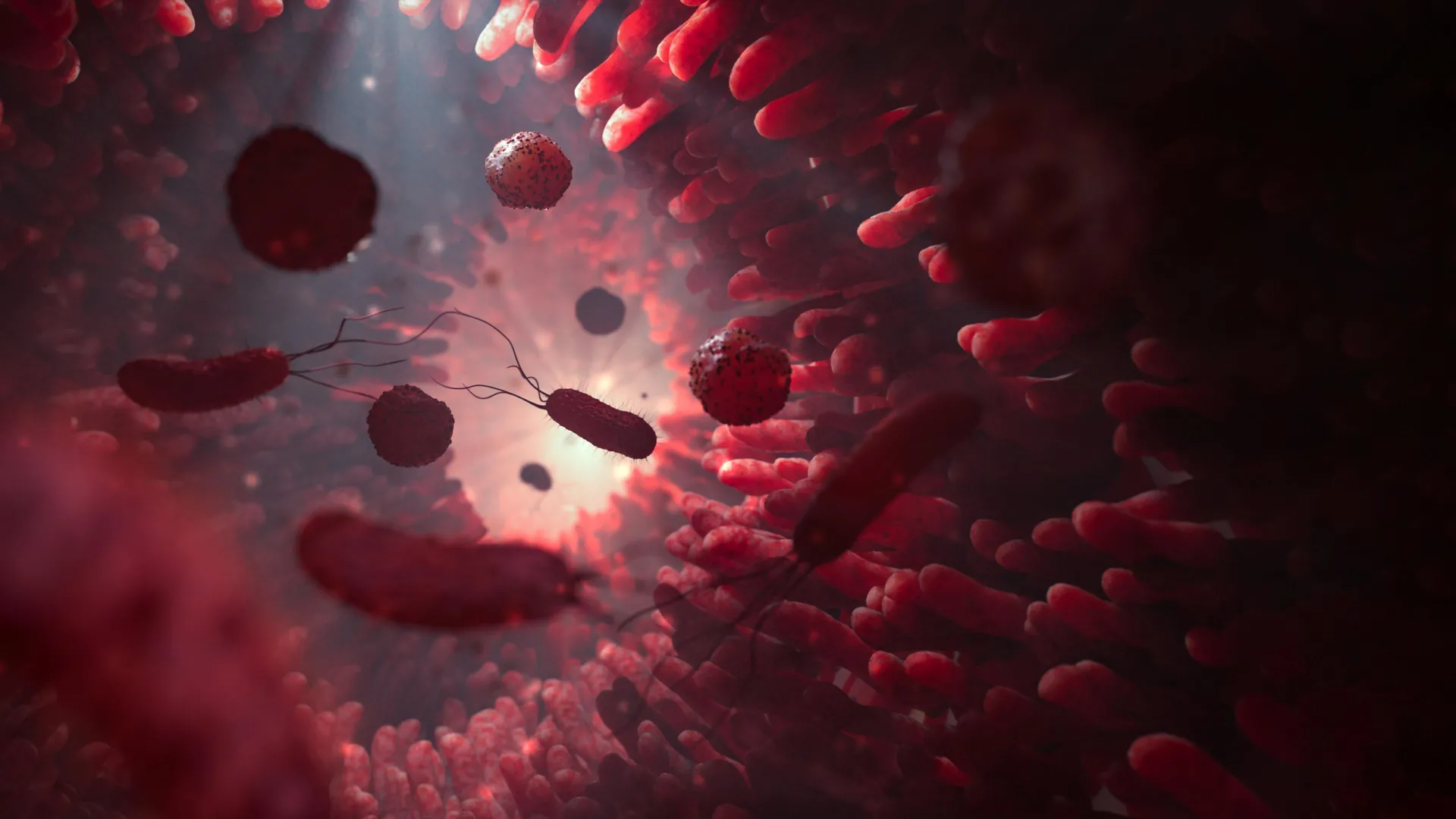
The key to EVG7’s success appears to lie in its selective preservation of the gut microbiome. The human gut hosts trillions of microorganisms, collectively known as the gut microbiome, which play vital roles in digestion, nutrient absorption, immune system development, and protection against pathogens. When this intricate community is disrupted, the host becomes susceptible to various ailments, including CDI. The research team meticulously analyzed the microbial composition of mice treated with EVG7 and observed that animals receiving the optimal low dose maintained a significantly healthier and more diverse gut microbiome. Crucially, beneficial bacteria, particularly members of the Lachnospiraceae family, were preserved in abundance. These bacteria are known to contribute to gut health by producing short-chain fatty acids like butyrate, which nourish colon cells and maintain gut barrier integrity, and by competitively excluding pathogens.
Elma Mons elaborated on this critical distinction: "Existing antibiotics often wipe out large portions of the microbiome, including helpful microbes that support gut health. EVG7 appears to leave most of these protective bacteria intact." This sparing effect is paramount because these resilient beneficial microbes act as a natural defense mechanism. They compete with C. difficile for resources and space, produce antimicrobial compounds, and maintain a hostile environment that inhibits the germination of dormant C. difficile spores and prevents the re-establishment of the infection. This strategic preservation of the host’s natural defenses represents a significant departure from the broad-spectrum eradication approach that has historically dominated antibiotic development. It aligns with a growing consensus within the medical community to prioritize microbiome health in patient care.
The implications of using smaller antibiotic doses often raise concerns about the potential for fostering antibiotic resistance, a looming global public health crisis. Inadequate drug concentrations can fail to eliminate all target bacteria, instead subjecting them to sublethal stress that can drive the evolution of resistance mechanisms. Mons acknowledged this concern, stating, "That happens when you don’t completely kill the bacteria but merely irritate them. They can then come back stronger." However, EVG7 appears to circumvent this problem. Despite its low effective dose, the drug retains sufficient potency to thoroughly eliminate C. difficile, thereby minimizing the opportunity for resistance development. Early indications from the research suggest that EVG7 is less likely to induce resistance, an attribute of immense value in the ongoing battle against antimicrobial-resistant pathogens.
The development of EVG7 signifies more than just a new drug; it represents a conceptual evolution in antimicrobial therapy. For decades, the focus has been on developing increasingly potent antibiotics to kill bacteria, often without sufficient consideration for the collateral damage inflicted on the host’s microbial residents. The success of EVG7, predicated on its ability to selectively target the pathogen while preserving the vital gut ecosystem, ushers in an era of targeted antimicrobial strategies. This approach not only enhances efficacy by preventing recurrence but also minimizes the broader ecological impact of antibiotic use, potentially reducing the overall selective pressure for resistance in the microbial community.
Translating this promising laboratory discovery into a readily available clinical treatment, however, presents substantial hurdles. The journey from preclinical studies to human trials is arduous and capital-intensive. Before EVG7 can be tested in human patients, rigorous toxicity studies must be completed to ensure its safety profile. If these studies are successful, the drug would then progress to Phase I, II, and III clinical trials, a process that can span several years and cost hundreds of millions of dollars. Securing the necessary funding for antibiotic development remains a significant challenge. As Mons highlighted, "For antibiotics, that’s not easy. Pharmaceutical companies make far less profit on them than on, say, cancer drugs, so interest is limited." The short course of treatment for most acute infections, coupled with the imperative to conserve new antibiotics for specific cases to mitigate resistance, often makes them less financially attractive investments for pharmaceutical giants compared to drugs for chronic conditions.
Despite these economic realities, the researchers remain optimistic about EVG7’s potential. The financial burden of recurrent CDI, including prolonged hospitalizations, re-treatments, and associated complications, is substantial. A highly effective, recurrence-preventing treatment like EVG7 could significantly reduce healthcare costs and improve patient outcomes and quality of life. The collaborative nature of this research, involving groups from Leiden University Medical Center and North Carolina State University, underscores the global effort required to tackle complex health challenges like CDI.
In conclusion, the emergence of EVG7 offers a profound glimmer of hope for patients afflicted by Clostridioides difficile infection. By marrying potent antimicrobial action with astute preservation of the gut microbiome, this experimental antibiotic charts a course toward a more sophisticated and sustainable approach to infectious disease treatment. While the path to clinical availability is fraught with challenges, the scientific community’s dedication to innovative solutions like EVG7 underscores a commitment to overcoming the limitations of current therapies and ushering in an era where antimicrobial interventions are not just effective, but also ecologically intelligent. This represents a pivotal step towards not merely curing an infection, but truly restoring health.
About the Author