A groundbreaking investigation conducted by a team of experts at Flinders University and Flinders Medical Centre has unveiled a critical insight into the progression of colorectal cancer, revealing that the concurrent presence of two distinct types of benign growths within the bowel significantly amplifies the likelihood of developing advanced precancerous lesions. Published in the esteemed journal Clinical Gastroenterology and Hepatology, these findings underscore a complex interplay between adenomatous and serrated polyps, challenging conventional understandings of risk stratification and emphasizing the urgent need for refined screening and surveillance protocols. The research offers a pivotal contribution to the global effort aimed at mitigating the impact of colorectal cancer, a formidable health challenge worldwide.
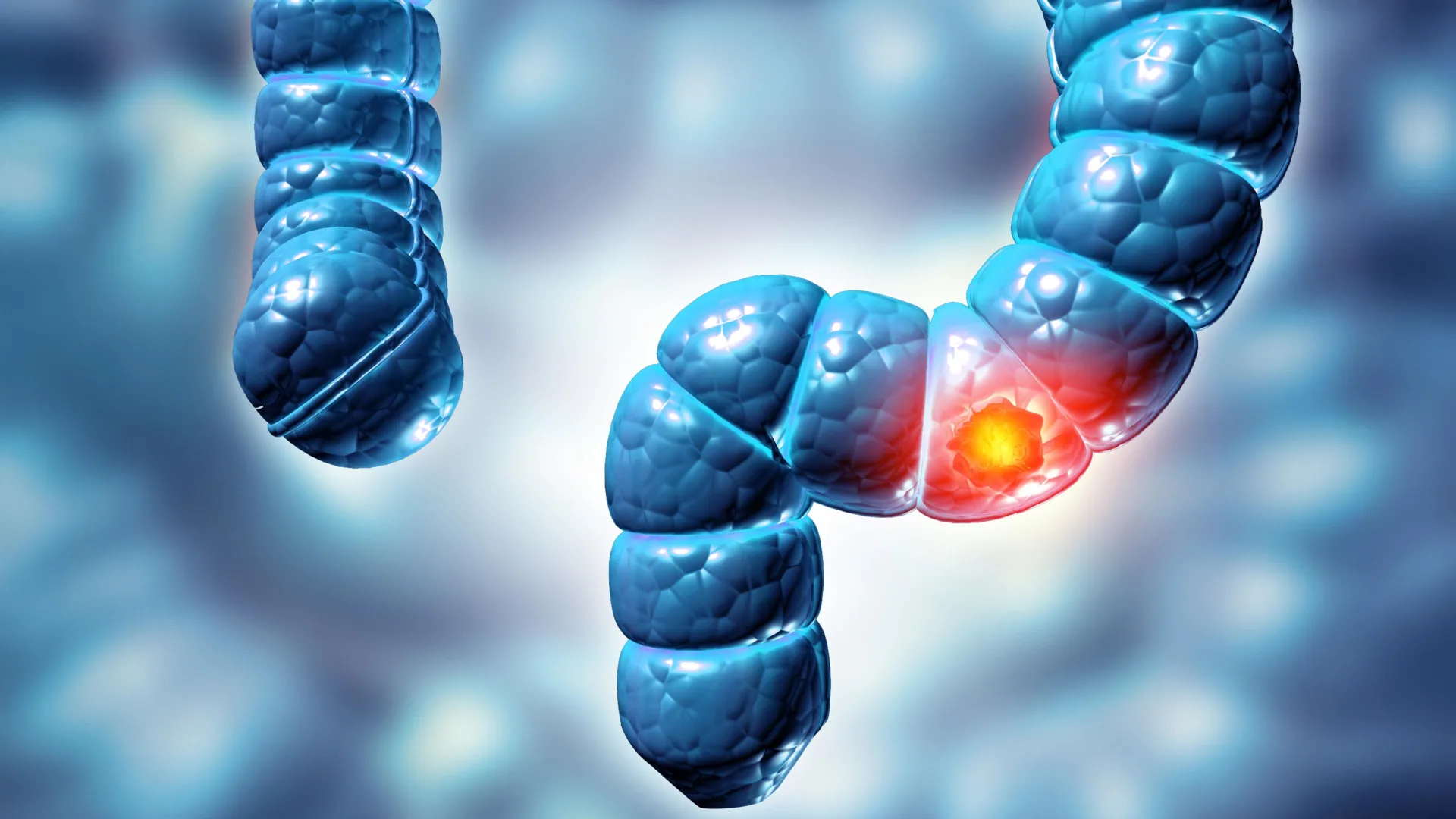
Colorectal cancer, often referred to as bowel cancer, stands as a pervasive global health crisis, consistently ranking among the most frequently diagnosed malignancies and a leading cause of cancer-related mortality across numerous nations, including Australia. Its insidious nature often means that early stages are asymptomatic, making proactive screening and detection paramount. The disease typically originates from the inner lining of the large intestine or rectum, evolving from small, non-cancerous growths known as polyps. While the vast majority of these polyps remain benign throughout an individual’s lifetime, a subset possesses the inherent potential for malignant transformation, transitioning from harmless cellular clusters to life-threatening cancerous tumors over an extended period. Understanding the specific types of polyps and their growth patterns is therefore central to effective prevention and early intervention strategies.
The medical community has long recognized that not all polyps carry the same risk profile. Historically, adenomatous polyps have been the primary focus of surveillance efforts due to their well-established progression along the adenoma-carcinoma sequence. These growths, characterized by abnormal glandular tissue, are broadly classified into tubular, tubulovillous, and villous adenomas, with increasing villous components generally correlating with a higher risk of dysplasia and subsequent malignant change. Their detection and removal during colonoscopy have been instrumental in reducing colorectal cancer incidence and mortality rates globally.
More recently, however, another distinct category, known as serrated polyps, has garnered increasing attention for its unique molecular pathways to malignancy. Unlike adenomas, serrated polyps exhibit a saw-toothed or serrated architectural pattern in their glandular crypts. This group encompasses several subtypes, including hyperplastic polyps, sessile serrated lesions (SSLs), and traditional serrated adenomas (TSAs). While hyperplastic polyps are generally considered benign with negligible malignant potential, SSLs and TSAs are now recognized as significant precursors to colorectal cancer, often progressing through the "serrated pathway," which involves distinct genetic and epigenetic alterations, such as the CpG island methylator phenotype (CIMP) and mutations in the BRAF gene. These serrated lesions can be particularly challenging to detect during routine colonoscopies due to their often flat, subtle, or mucus-capped appearance, making thorough and meticulous endoscopic examination crucial.
The Flinders investigation delved into the complex interplay between these two principal types of precancerous lesions. By meticulously analyzing an extensive dataset comprising over 8,400 colonoscopy records, the research team identified a striking and clinically significant correlation. Their comprehensive analysis revealed that individuals presenting with both adenomatous and serrated polyps synchronously—meaning both types were detected during the same colonoscopic examination—faced a substantially elevated risk of developing advanced precancerous changes. Specifically, this co-occurrence was associated with an astonishing fivefold increase in the likelihood of advanced lesions when compared to individuals who harbored only one type of polyp. This dramatic escalation in risk highlights a potential synergistic effect between these two distinct polyp types, suggesting that their simultaneous presence may accelerate the trajectory towards malignancy.
Dr. Molla Wassie, the lead author of this pivotal study and a dedicated researcher at the FHMRI Bowel Health Service, underscored the significance of these findings. "While polyps are a common occurrence and typically innocuous, our research clearly demonstrates that the synchronous appearance of both adenomas and serrated polyps—what we term synchronous lesions—is a profound indicator of a sharply increased susceptibility to serious bowel pathology or frank cancer," Dr. Wassie stated. This observation compels a re-evaluation of standard risk assessment models, which have historically considered these polyp types largely in isolation.
A particularly noteworthy discovery within the study was the prevalence of this synchronous presentation. The researchers found that nearly half of all patients diagnosed with serrated polyps also had adenomas. This unexpectedly high rate of co-occurrence suggests that the simultaneous development of these distinct precancerous lesions may be far more common than previously assumed. This statistic holds profound implications, implying that a substantial proportion of individuals with serrated polyps may unknowingly be at a heightened, compounded risk due to the hidden presence of adenomas, or vice versa. This finding points towards potential shared etiological factors or a common susceptibility that facilitates the emergence of both lesion types within the same individual.
The study’s robust methodology, encompassing one of the largest cohorts examined for this specific co-occurrence, lends considerable weight to its conclusions. Dr. Wassie further elaborated on the broader scientific context: "Our results strongly reinforce a growing body of international evidence which posits that adenomatous and serrated polyps may represent distinct yet simultaneously active pathways leading to colorectal cancer. This understanding critically emphasizes the imperative for both early detection and vigilant, systematic monitoring." This perspective challenges the simplistic view of a single, linear progression to cancer, instead suggesting a more intricate, multi-pathway model where different oncogenic processes can unfold in parallel, potentially converging to accelerate disease development.
Furthermore, the research posited that serrated polyps might progress to malignancy at a faster rate than their adenomatous counterparts. This hypothesis, if confirmed by further longitudinal studies, would necessitate a significant recalibration of current screening intervals and follow-up schedules. Traditional surveillance guidelines, often tailored to the known growth rates and malignant potential of adenomas, might prove inadequate for individuals harboring serrated lesions, especially those found synchronously with adenomas. The distinct molecular characteristics of serrated polyps, particularly their propensity for rapid epigenetic changes, could indeed contribute to a more aggressive progression timeline. This highlights the urgent need for personalized surveillance strategies that meticulously account for the specific histological types, numbers, and locations of polyps identified during colonoscopy.
The implications for clinical practice are far-reaching. The current paradigm for colorectal cancer screening and prevention heavily relies on colonoscopy for the detection and removal of precancerous polyps. This study unequivocally reinforces the critical importance of regular endoscopic screening, particularly as individuals age. Polyps naturally become more prevalent with advancing age, reflecting a longer cumulative exposure to various risk factors and the accumulation of genetic mutations over time. Therefore, meticulous and complete endoscopic examinations are essential to identify and eradicate these growths before they can undergo malignant transformation.
"The key to effective prevention lies in the timely identification and complete removal of these growths," Dr. Wassie reiterated. "For individuals who have been diagnosed with both types of polyps, adhering rigorously to their prescribed colonoscopy follow-up schedule is not merely advisable, but absolutely crucial." This personalized approach to surveillance, moving beyond a one-size-fits-all model, is paramount for optimizing patient outcomes. Gastroenterologists and endoscopists must be acutely aware of the heightened risk associated with synchronous lesions and consider shorter surveillance intervals or more intensive follow-up protocols for these high-risk individuals.
The findings also provide compelling evidence for a broader public health message. Individuals aged 45 and above, or those with a recognized family history of colorectal cancer or associated bowel conditions, are strongly encouraged to engage in proactive discussions with their general practitioner. Such consultations can facilitate informed decisions regarding appropriate screening options. In Australia, the National Bowel Cancer Screening Program provides accessible screening options, typically involving a Fecal Immunochemical Test (FIT), which detects microscopic blood in stool samples—an early indicator that warrants further investigation, such as a colonoscopy. Awareness of these programs and active participation are vital steps in national cancer prevention efforts.
This impactful research was made possible through the generous support of several key initiatives. The Southern Cooperative Program for the Prevention of Colorectal Cancer (SCOOP), initially funded under the National Demonstration Hospitals Program Phase 3, provided foundational support for the broader research framework. Additionally, Dr. Molla Wassie’s significant contributions were bolstered by an NHMRC Investigator Grant (#2009050), underscoring the commitment of national funding bodies to advancing critical medical research.
In conclusion, the Flinders University study serves as a powerful reminder of the complex and dynamic nature of colorectal cancer development. The identification of a fivefold increased risk for advanced precancerous changes in patients with synchronous adenomatous and serrated polyps represents a pivotal advancement in our understanding of disease progression. These findings necessitate a paradigm shift in how precancerous lesions are assessed and managed, calling for more personalized and intensified surveillance strategies. By recognizing the synergistic potential of co-occurring polyp types and adhering to rigorous screening protocols, the medical community can significantly enhance its ability to prevent colorectal cancer, ultimately saving countless lives and reducing the immense burden of this prevalent disease.
About the Author