In an era characterized by escalating consumer expenses and persistent inflationary pressures, the pursuit of value has become a paramount consideration for diners across various segments. While many restaurant establishments have adjusted pricing structures and scaled back complimentary offerings, a select group of casual dining chains continues to uphold a long-standing tradition: unlimited beverage refills. This practice, once a ubiquitous feature of American eateries, now stands out as a significant differentiator, enhancing the perceived value of a meal and fostering customer loyalty in a competitive market. Understanding the strategic rationale behind these policies, as well as the enduring appeal to consumers, provides insight into a subtle yet impactful aspect of the hospitality industry.
The concept of providing endless drink refills originated as a competitive strategy, particularly among fast-food and casual dining brands seeking to attract and retain customers by offering an undeniable value proposition. In a landscape where portion sizes and pricing are under constant scrutiny, the assurance of unlimited beverages — typically soft drinks, iced tea, and coffee — allows patrons to feel they are maximizing their investment without incurring additional costs. This psychological benefit often translates into an enhanced dining experience, especially for families or groups who might otherwise face accumulating drink charges. For restaurants, while the immediate cost of additional syrup or coffee may seem negligible, the cumulative effect on margins can be substantial, necessitating a delicate balance between guest satisfaction and operational profitability.
Despite the obvious expense implications, the business case for maintaining free refill policies often centers on driving traffic, increasing the average check value through food sales, and cultivating a positive brand image. A customer choosing a restaurant specifically for its refill policy is more likely to order an entrée, appetizer, or dessert, thereby offsetting the cost of the beverages. Moreover, the goodwill generated by such a perk contributes to repeat business and positive word-of-mouth, invaluable assets in today’s digitally connected consumer environment. However, many chains have gradually phased out or limited these offerings due to rising ingredient costs, increased labor expenses associated with server-provided refills, and growing concerns over sustainability and waste management. This makes the commitment of the remaining establishments particularly noteworthy.
Among the prominent brands still championing this customer-centric approach are Red Robin, Chili’s Grill & Bar, TGI Fridays, Texas Roadhouse, and LongHorn Steakhouse. Each of these chains integrates the unlimited beverage offering into its distinct brand identity and overall dining experience, demonstrating that this amenity remains a viable and valued component of their service model.
Red Robin, widely recognized for its gourmet burgers, exemplifies a comprehensive "bottomless" philosophy that extends beyond just drinks. Patrons are not only offered unlimited refills on their favorite soft drinks and other non-alcoholic beverages, but the restaurant is also celebrated for its complimentary, endless servings of steak fries accompanying its burger selections. This dual commitment to generosity reinforces Red Robin’s image as a destination for hearty meals and abundant value. The ability to continually replenish one’s glass, perhaps with a classic root beer float, while enjoying an uninterrupted supply of crispy fries, contributes significantly to a relaxed, satisfying, and extended dining experience, making it a favorite for families and casual gatherings. This policy is frequently cited by diners as a key reason for their patronage, underscoring its impact on perceived value.
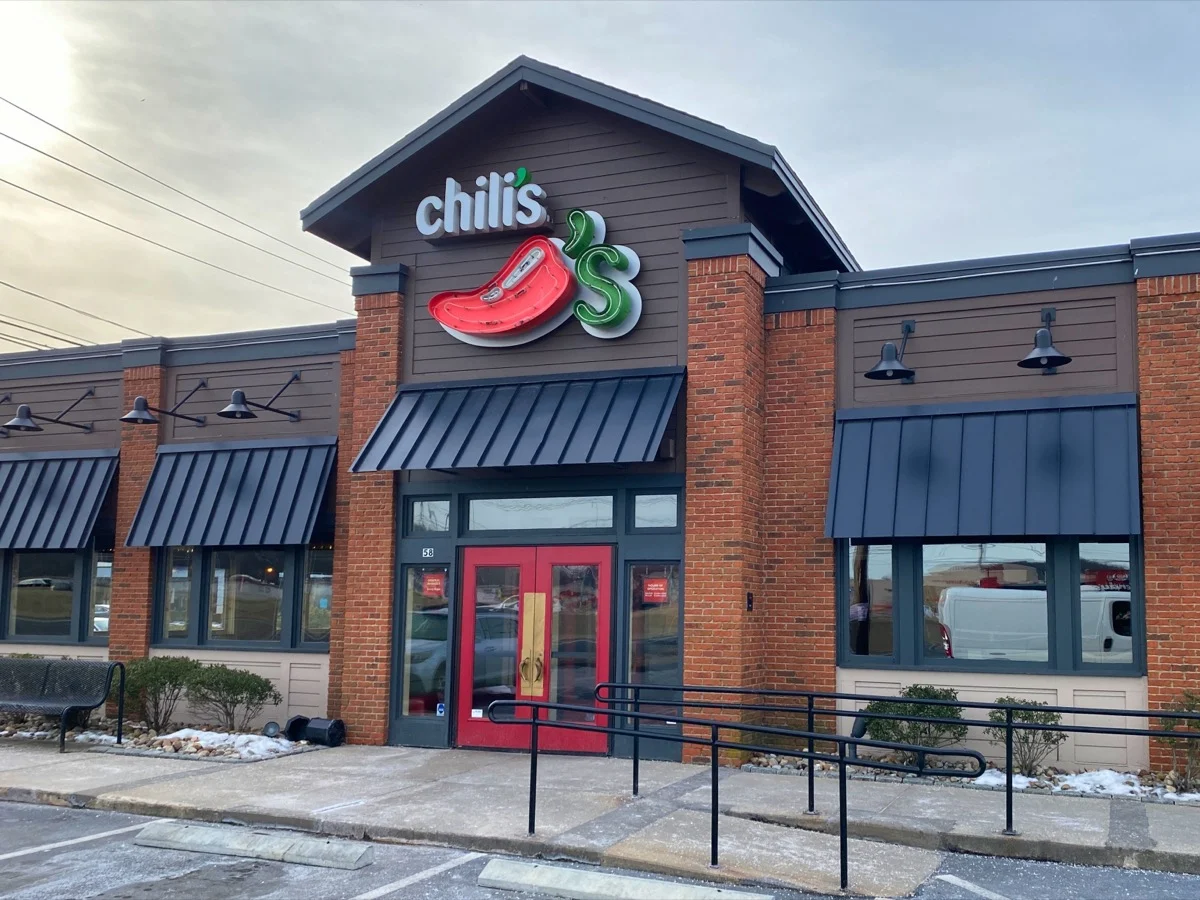
Chili’s Grill & Bar, a long-standing fixture in the casual dining segment, also maintains a policy of offering unlimited refills on a selection of its non-alcoholic drinks. As guests indulge in the brand’s popular Tex-Mex inspired dishes and American comfort food, such as their famous baby back ribs, they can depend on a steady supply of soft drinks and iced tea without incurring additional charges. This approach aligns with Chili’s identity as an accessible, family-friendly restaurant designed for a relaxed atmosphere and prolonged social interaction. The provision of free refills complements the communal dining experience, allowing patrons to enjoy their meals and conversations without the interruption or additional expense of ordering multiple individual beverages. It represents a consistent commitment to customer satisfaction within its operational framework.
TGI Fridays, another iconic name in casual dining, continues to extend the courtesy of free refills on coffee and fountain beverages. Known for its lively ambiance and extensive menu of American classics, the restaurant has historically positioned itself as a social hub where guests can unwind and enjoy a comfortable meal. The unlimited drink policy supports this ethos, enabling diners to linger over their food and conversation, whether it’s a casual lunch or an evening out. The availability of unlimited coffee, in particular, caters to those who might enjoy a prolonged post-meal chat or require a pick-me-up, further enhancing the overall value proposition that TGI Fridays offers its diverse clientele. This enduring practice harks back to an earlier era of casual dining hospitality, maintaining a sense of traditional generosity.
Texas Roadhouse, celebrated for its hand-cut steaks, made-from-scratch sides, and vibrant country-western theme, also incorporates free refills into its customer service model. The restaurant emphasizes a generous, welcoming atmosphere, where hearty portions and exceptional value are central to the experience. Their extensive selection of non-alcoholic drinks, including various soft drinks, is all eligible for complimentary refills. This policy particularly appeals to families and individuals seeking a substantial meal without the added financial burden of multiple drink purchases. It reinforces the brand’s commitment to providing a wholesome, satisfying, and value-driven dining experience, consistent with its image as a place where guests receive ample hospitality and robust American fare.
Similarly, LongHorn Steakhouse, an establishment recognized for its expertly grilled steaks and rustic Western décor, extends free refills across a wide array of non-alcoholic beverages. Unlike some competitors who might limit this perk to fountain sodas, LongHorn offers unlimited refills on iced tea, lemonade, and all standard fountain drinks. Furthermore, for those who prefer a warm beverage to accompany their dessert or meal, coffee is also included in their complimentary refill program. This comprehensive approach to beverage service enhances the overall dining value for guests enjoying a premium steakhouse experience at a casual price point. It reflects a dedication to ensuring that every aspect of the meal contributes to customer satisfaction, from the main course to the accompanying drinks.
In conclusion, while the trend in the broader restaurant industry has largely shifted away from widespread free refill policies due to evolving economic conditions and operational considerations, these five prominent casual dining chains stand as notable exceptions. Their continued commitment to offering unlimited beverages underscores a strategic decision to prioritize customer value and satisfaction as a cornerstone of their brand identity. By maintaining this increasingly rare perk, Red Robin, Chili’s Grill & Bar, TGI Fridays, Texas Roadhouse, and LongHorn Steakhouse differentiate themselves, fostering loyalty and attracting diners who appreciate the tangible economic benefit and enhanced dining experience that complimentary refills provide in today’s cost-conscious market. This enduring practice serves as a powerful reminder of how seemingly small gestures can significantly impact consumer perception and business success in the competitive food service sector.
About the Author