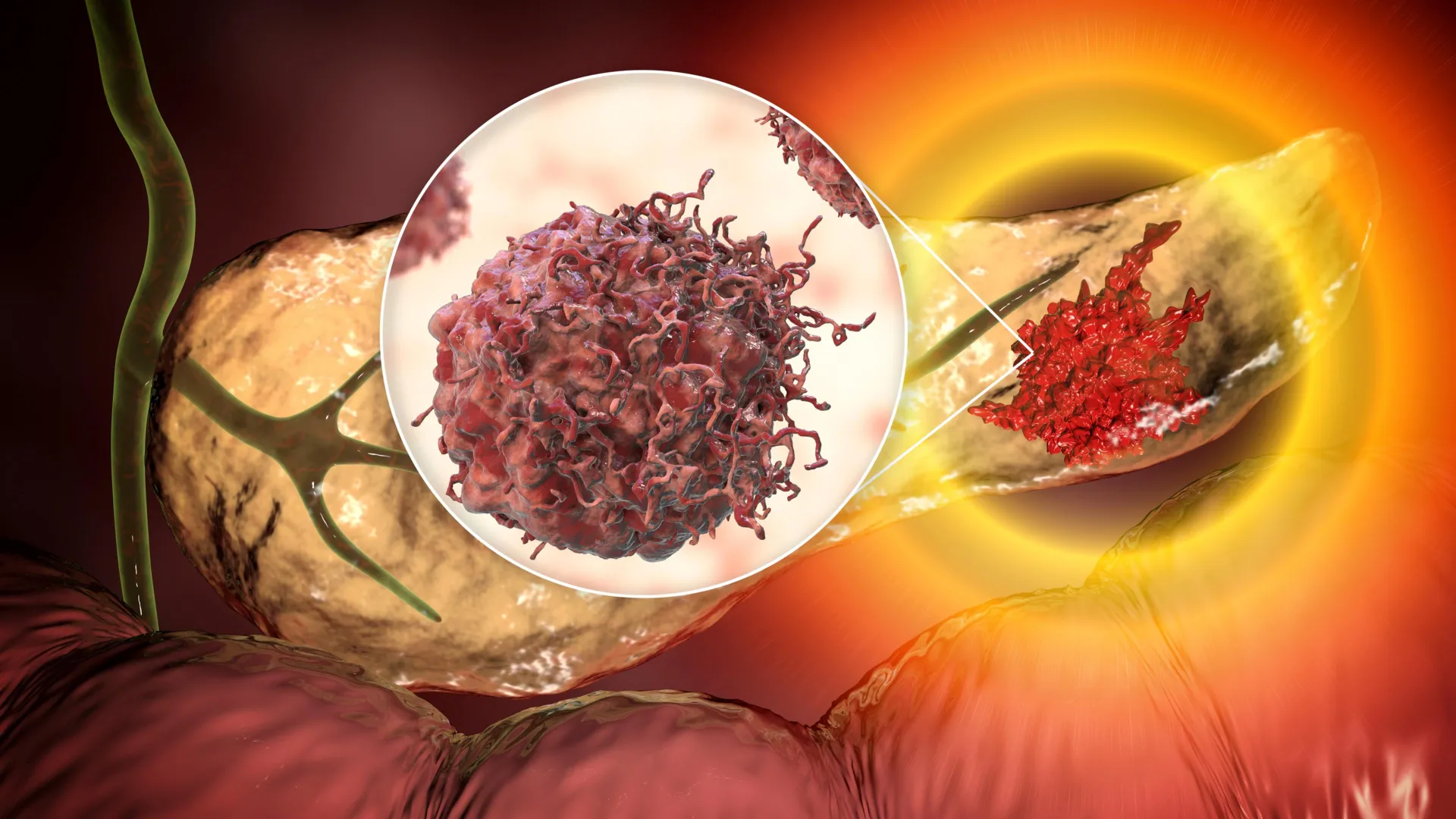
Pancreatic cancer, specifically pancreatic ductal adenocarcinoma (PDAC), presents one of the most formidable challenges in contemporary oncology, routinely leading to devastating patient outcomes. Its insidious nature means that symptoms often manifest only once the disease has progressed to an advanced, often metastatic stage, severely limiting therapeutic options and contributing to an exceptionally grim prognosis. With current statistics indicating that only approximately 10% of individuals diagnosed with this malignancy survive beyond five years, the urgent imperative for innovative diagnostic strategies capable of detecting the disease in its nascent phases has long been recognized by the global medical community. In a significant stride toward addressing this critical diagnostic void, an interdisciplinary team of investigators, operating with crucial financial backing from the National Institutes of Health (NIH), has engineered a sophisticated multi-marker blood assay. This pioneering approach, meticulously documented in the esteemed journal Clinical Cancer Research, offers a compelling pathway to uncover PDAC substantially earlier, potentially revolutionizing patient management and survival rates.
The inherent lethality of pancreatic cancer stems from a confluence of biological and clinical factors. Unlike many other malignancies, for which established screening protocols (e.g., mammography for breast cancer, colonoscopy for colorectal cancer) facilitate early detection and intervention, no reliable, widely applicable screening method currently exists for PDAC in the general population. The pancreas, an organ nestled deep within the abdomen, is difficult to access and examine. Furthermore, early-stage pancreatic tumors typically do not generate specific symptoms that would prompt medical investigation. When symptoms do emerge—such as unexplained weight loss, jaundice, or abdominal pain—they often signal that the cancer has already grown substantially or spread to distant sites. This biological aggression, coupled with the anatomical concealment and late symptomology, conspires to make pancreatic cancer a diagnosis frequently rendered too late for curative treatment. The vast majority of diagnoses occur when surgical resection, the only potentially curative intervention, is no longer feasible.
Recognizing this profound unmet clinical need, researchers from the University of Pennsylvania’s Perelman School of Medicine in Philadelphia, alongside collaborators at the Mayo Clinic in Rochester, Minnesota, embarked on a comprehensive investigation. Their objective was to identify and validate novel biological markers that could serve as accurate indicators of early-stage PDAC. The investigative methodology involved a rigorous analysis of stored blood specimens obtained from both individuals afflicted with pancreatic cancer and a control group without the disease. The team meticulously assessed the utility of several known and emerging biomarkers, including carbohydrate antigen 19-9 (CA19-9) and thrombospondin 2 (THBS2). CA19-9, a glycoprotein, is currently the most commonly utilized blood marker for pancreatic cancer, primarily employed for monitoring disease progression and treatment efficacy rather than initial diagnosis. However, its limitations as a standalone screening tool are well-documented; elevated levels can also be observed in various non-malignant conditions, such as pancreatitis or bile duct obstructions, leading to potential false positives. Moreover, a subset of the population, due to genetic variations, does not produce CA19-9, rendering the marker entirely uninformative for these individuals. THBS2, another protein previously explored in pancreatic cancer research, also exhibits insufficient sensitivity and specificity when used in isolation. These inherent shortcomings underscored the necessity for a more robust and precise diagnostic strategy.
The breakthrough in the research stemmed from the identification of two previously unutilized protein biomarkers: aminopeptidase N (ANPEP) and polymeric immunoglobin receptor (PIGR). Through their meticulous analysis of archived blood samples, the scientists discerned that concentrations of both ANPEP and PIGR were notably elevated in individuals diagnosed with early-stage pancreatic cancer when compared to healthy controls. ANPEP, a membrane-bound metalloprotease, is known to be involved in cell growth, differentiation, and angiogenesis, processes often dysregulated in cancer. PIGR plays a crucial role in mucosal immunity by transporting polymeric immunoglobulins, and its aberrant expression has been linked to various cancers. The discovery of these novel markers, demonstrating clear and statistically significant differences between cancer patients and healthy individuals, represented a pivotal advancement in the diagnostic quest.
The true power of this research, however, materialized when these newly identified biomarkers—ANPEP and PIGR—were integrated into a diagnostic panel alongside the established markers, CA19-9 and THBS2. This multi-marker strategy was predicated on the understanding that individual biomarkers, each with their own diagnostic strengths and weaknesses, could collectively provide a far more comprehensive and accurate picture of disease presence. The synergistic effect of combining these four distinct indicators proved to be profoundly impactful. The newly developed four-marker panel exhibited remarkable diagnostic efficacy, accurately distinguishing pancreatic cancer cases from non-cases across all stages with an impressive overall accuracy rate of 91.9%. Crucially, this high accuracy was achieved with a commendably low false positive rate of just 5% in non-cancerous individuals, minimizing the risk of unnecessary patient anxiety and invasive follow-up procedures. For the most critical category—early-stage pancreatic cancer (stages I and II)—the test demonstrated an 87.5% detection rate, a figure that holds immense promise for shifting the paradigm of PDAC management.
Dr. Kenneth Zaret, the study’s lead investigator from the University of Pennsylvania’s Perelman School of Medicine, underscored the significance of these findings, stating that the incorporation of ANPEP and PIGR into the existing biomarker framework has substantially enhanced the diagnostic capability for pancreatic cancer, particularly at a juncture when therapeutic interventions are most likely to be effective. This improved detection capability is not merely a statistical achievement; it carries profound implications for patient care, potentially expanding the window for curative surgical resection or more effective systemic therapies.
A particularly salient feature of this novel diagnostic assay is its demonstrated ability to differentiate pancreatic cancer from benign pancreatic conditions, such as pancreatitis. Pancreatitis, an inflammation of the pancreas, can present with symptoms that mimic pancreatic cancer and can also cause elevations in certain biomarkers, including CA19-9. The capacity of the four-marker panel to accurately distinguish between these conditions is critical. It mitigates the likelihood of misdiagnosis, thereby reducing unwarranted patient concern, preventing unnecessary diagnostic procedures, and ensuring that individuals with benign conditions are not subjected to the emotional and physical toll of cancer suspicion. This specificity is a vital attribute for any potential screening tool, contributing significantly to its clinical utility and reliability.
While the retrospective findings of this study are exceptionally encouraging, the scientific journey toward clinical implementation necessitates further rigorous investigation. Dr. Zaret emphasized the critical next steps, highlighting the need for extensive validation in larger, prospective cohorts. Such "prediagnostic" studies, focusing on individuals before they exhibit any symptoms, are indispensable for firmly establishing the test’s utility as a bona fide screening tool. The primary target population for such screening efforts would include individuals deemed to be at elevated risk for developing pancreatic cancer. This high-risk demographic encompasses those with a strong family history of the disease, individuals identified through genetic screening to possess predisposing mutations, or patients with a personal history of pancreatic cysts or chronic pancreatitis, conditions known to increase the risk of malignant transformation.
The transition from a promising research discovery to a clinically adopted diagnostic test is a multifaceted process that involves extensive clinical trials, regulatory approvals (such as from the U.S. Food and Drug Administration), and considerations of cost-effectiveness and accessibility. However, the foundational research, bolstered by the substantial support from NIH grants (U01CA210138, P50CA102701, S10 OD023586-01, P30 DK020579, UL1 TR002345, P30CA091842, and U01CA210138), provides a robust scientific bedrock for these future endeavors. Should subsequent large-scale prospective studies confirm the diagnostic prowess demonstrated in this initial research, this four-marker blood panel could usher in a new era for pancreatic cancer management, transforming a disease often discovered too late into one that is increasingly detectable and treatable. This development represents a beacon of hope in the ongoing battle against one of medicine’s most formidable adversaries, offering the genuine prospect of improved survival and enhanced quality of life for countless individuals worldwide.
About the Author