In a profound declaration for global public health, the World Health Organization (WHO) has officially bestowed upon Timor-Leste the coveted certification of malaria elimination. This significant announcement marks a monumental achievement for the young Southeast Asian nation, underscoring a two-decade-long journey of unwavering commitment, strategic intervention, and profound national resilience since its independence in 2002. The successful eradication of indigenous malaria transmission places Timor-Leste among a select group of countries that have conquered one of humanity’s most persistent and debilitating diseases, offering a powerful testament to what focused public health initiatives can accomplish even in resource-constrained environments.
Dr. Tedros Adhanom Ghebreyesus, the Director-General of the WHO, extended his congratulations, emphasizing that Timor-Leste’s success serves as compelling evidence that malaria can be decisively halted when a powerful combination of robust political will, intelligently designed interventions, consistent financial backing from both domestic and international sources, and the tireless dedication of health professionals converge. This comprehensive approach proved instrumental in transforming a nation once burdened by high malaria prevalence into a beacon of disease control.
The rigorous process of achieving malaria-free certification by the WHO demands an irrefutable demonstration that the entire country has successfully interrupted the chain of local malaria transmission for a minimum of three consecutive years. This stringent criterion ensures that the elimination is not merely a temporary reduction but a sustained victory against the parasitic disease. With this latest certification, the global tally of nations and territories recognized as malaria-free by the WHO now stands at 48. Within the WHO South-East Asia region, Timor-Leste joins the ranks of the Maldives, certified in 2015, and Sri Lanka, which achieved its status in 2016, further solidifying the region’s progress in combating this ancient scourge.
Dr. Élia António de Araújo dos Reis Amaral, the Minister of Health for the Government of Timor-Leste, expressed profound pride in the accomplishment, reflecting on the arduous path taken. She described malaria as a "relentless adversary – often unseen, persistent, and lethal," acknowledging the tragic loss of countless lives to a preventable illness. The Minister lauded the unwavering spirit of the nation’s health workers, the steadfast resolve of its communities, and the crucial support from partners like the WHO. Her words encapsulated the nation’s transformation from confronting over 223,000 reported cases to achieving zero indigenous transmissions, emphasizing that this elimination honors both those who perished and those whose lives are now safeguarded. She underscored the critical necessity of sustained vigilance and continued community engagement to prevent any reintroduction of the disease.
Timor-Leste’s journey from a high-burden nation to malaria-free status is particularly remarkable given its historical context. Following its independence in 2002 after decades of conflict and occupation, the nascent nation faced immense challenges in establishing foundational infrastructure and public services, including a functional healthcare system. Despite these formidable obstacles, the newly formed government swiftly recognized the pervasive threat of malaria to its population’s health and socio-economic development. This recognition spurred the Ministry of Health into decisive action, establishing the National Malaria Programme in 2003, a dedicated entity designed for the comprehensive planning, implementation, and rigorous monitoring of malaria control efforts nationwide.
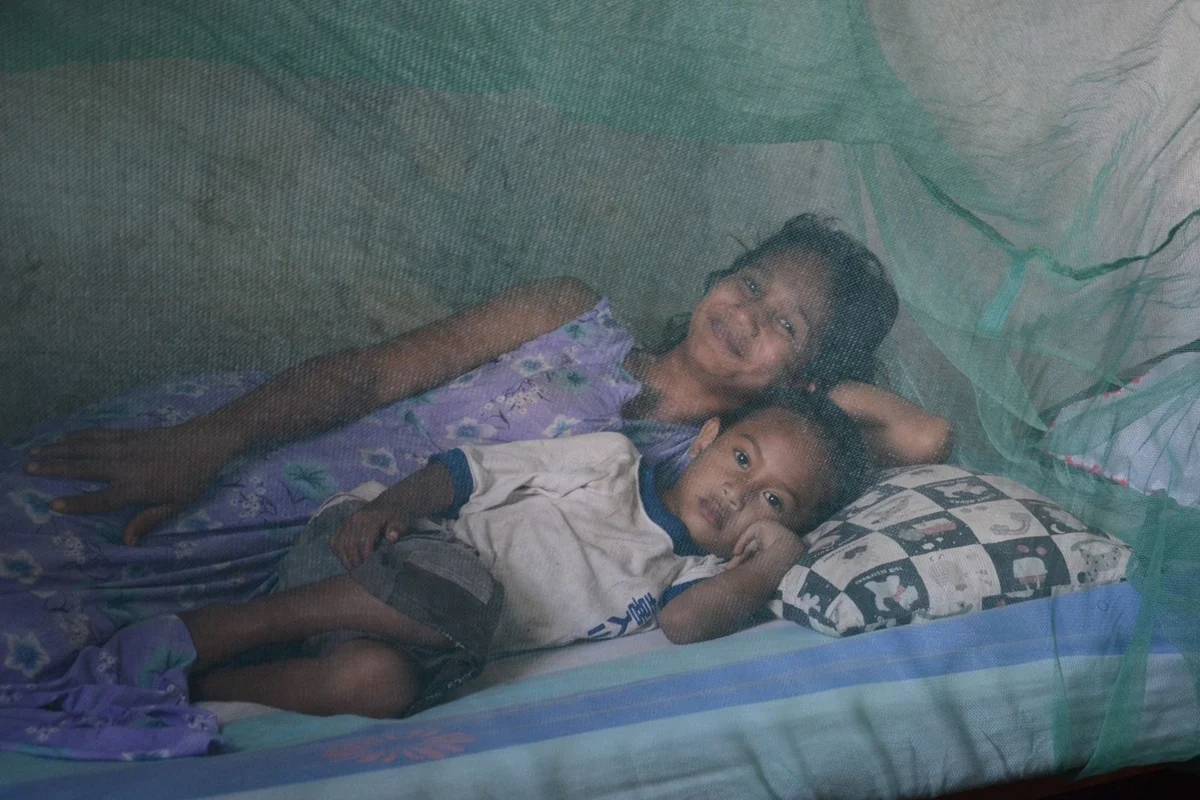
Initially operating with a lean team of just two full-time officers, the National Malaria Programme laid critical groundwork for future progress. Its success in these early stages was attributed to robust technical leadership, the cultivation of strong managerial capabilities, and an meticulous attention to detail in strategy and execution. Within a few years of its inception, the program systematically introduced essential diagnostic and treatment protocols. Rapid diagnostic tests (RDTs) became standard tools for quick and accurate identification of malaria cases, while artemisinin-based combination therapies (ACTs), highly effective against the malaria parasite, were integrated into the National Malaria Treatment Guidelines. Simultaneously, the proactive distribution of free, long-lasting insecticide-treated nets (LLINs) commenced, targeting communities identified as being at the highest risk of infection.
A pivotal moment in the nation’s anti-malaria campaign arrived in 2009 with crucial support from the Global Fund to Fight AIDS, Tuberculosis, and Malaria. This partnership enabled Timor-Leste to significantly scale up its vector control initiatives across the entire country. The widespread distribution of LLINs continued, complemented by indoor residual spraying (IRS) campaigns, which involved applying insecticides to the interior surfaces of homes to kill mosquitoes. Concurrently, the accessibility and accuracy of malaria diagnosis were dramatically expanded. Microscopy, the gold standard for parasite detection, and RDTs were deployed at the point of care across all local health posts, ensuring that diagnoses were available even in remote areas.
One of the most profound challenges faced by Timor-Leste was the severe shortage of skilled health workers and medical professionals. To overcome this, the nation made strategic investments in developing a comprehensive three-tier health system. This robust framework comprised national hospitals providing specialized care, regional reference hospitals, community health centers (CHCs) offering primary healthcare services, and an extensive network of health posts designed to be easily accessible. The government’s ambitious policy aimed to ensure that the vast majority of residents could access essential medical care within an hour’s walk of their homes. Further reinforcing this commitment to public health equity, citizens were provided with free health services at the point of care, aligning with the government’s overarching policy of free universal healthcare. To bridge geographical gaps and reach underserved populations in rural and remote areas, monthly mobile clinics and dedicated community outreach programs were established, bringing essential medical services directly to the people.
The triumph of Timor-Leste in eradicating malaria stands as a powerful testament to the indispensable role of strong national leadership and the efficacy of robust, multi-sectoral collaboration. The concerted efforts between the Ministry of Health, the World Health Organization, local communities, various non-governmental organizations, international donors, and multiple government sectors were foundational to this success. A critical innovation was the implementation of a real-time integrated case-based surveillance system. This sophisticated system enabled rapid data collection on suspected and confirmed malaria cases, facilitating swift analysis and immediate response actions. Concurrently, a cadre of well-trained health workers ensured the timely detection and thorough screening of malaria cases, including meticulous monitoring at border crossings to prevent re-importation. These comprehensively integrated efforts paved the way for the country to meet the stringent criteria and be officially certified as malaria-free.
Dr. Arvind Mathur, the WHO Representative to Timor-Leste, characterized the malaria-free certification as a "defining national triumph," born from courageous leadership, the relentless dedication of health professionals, and the unwavering determination of the Timorese people. He highlighted that despite being a relatively young nation, Timor-Leste maintained an unyielding focus on its objective, consistently implementing rigorous testing, effective treatment, and thorough investigation protocols. Dr. Mathur emphasized that transcending disease transmission and sustaining zero deaths requires more than just scientific prowess; it demands profound grit and perseverance. This hard-won victory, he asserted, will safeguard current and future generations, serving as an enduring illustration of what a resolute nation can achieve in the face of daunting public health challenges. The legacy of Timor-Leste’s malaria elimination is not just a health victory, but a powerful narrative of nation-building through collective action and visionary leadership.
About the Author