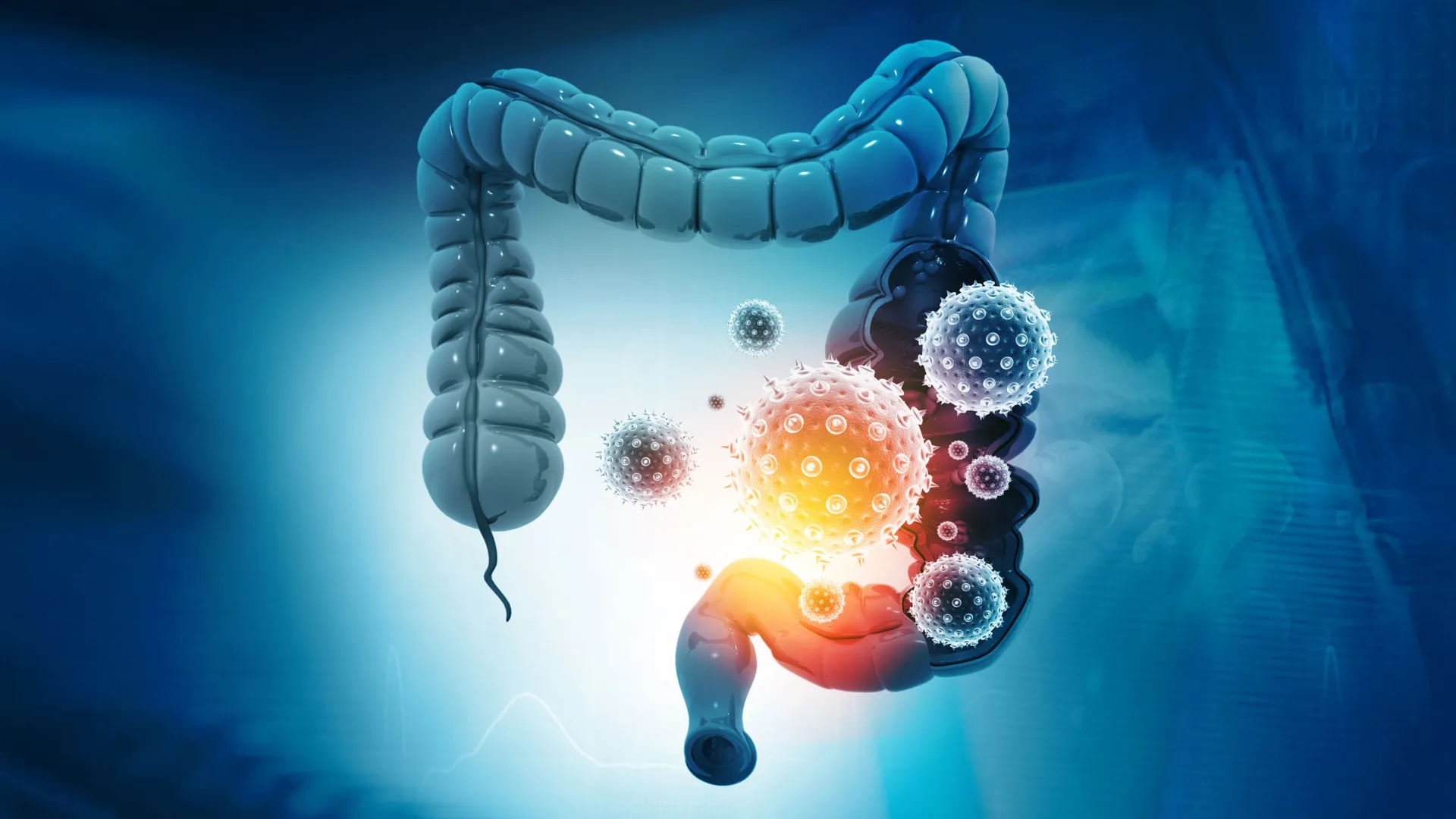
The global burden of colorectal cancer, a disease tragically claiming the second-highest number of lives worldwide, underscores a critical need for more accessible and effective early detection strategies. While current gold-standard screening methods like colonoscopy offer high diagnostic precision, their invasive nature, associated discomfort, and significant cost often present formidable barriers, leading to delayed diagnoses and diminished treatment efficacy for a substantial portion of the population. Addressing this pressing challenge, a groundbreaking advancement emerging from the University of Geneva (UNIGE) promises to redefine colorectal cancer screening, potentially offering a less burdensome and more widely adoptable alternative.
Researchers at UNIGE have pioneered a novel diagnostic approach, leveraging the intricate ecosystem of the human gut microbiome. Their work has culminated in the creation of the first comprehensive catalog of human gut bacteria, meticulously detailed to the subspecies level, providing an unprecedented understanding of the functional variations within microbial communities. This sophisticated catalog has been instrumental in developing a machine learning-powered system capable of identifying colorectal cancer through the analysis of simple stool samples. The implications of this development, detailed in the prestigious journal Cell Host & Microbe, extend beyond cancer diagnostics, offering profound insights into the complex interplay between gut microbiota and overall human health, as well as its role in the pathogenesis of various diseases.
The imperative for improved screening tools is amplified by the unfortunate reality that many colorectal cancer cases are identified at advanced stages, where therapeutic options become considerably more limited. This situation is particularly concerning given the observed, albeit unexplained, rise in colorectal cancer incidence among younger demographics. The inherent limitations of current screening protocols, coupled with the growing prevalence of the disease, highlight an urgent demand for non-invasive, user-friendly, and cost-effective diagnostic methodologies.
For decades, the scientific community has acknowledged the significant influence of the gut microbiome on the development and progression of colorectal cancer. However, translating this knowledge into clinically applicable diagnostic and therapeutic tools has proven to be a complex endeavor. A primary hurdle has been the considerable functional diversity that can exist even within different strains of the same bacterial species. Some microbial subtypes may actively promote oncogenesis, while others may be innocuous or even protective, making broad species-level analysis insufficient for accurate disease prediction.
To overcome this diagnostic ambiguity, the UNIGE research team strategically shifted their focus from analyzing broad bacterial species or highly variable individual strains to examining an intermediate taxonomic level: the subspecies. Professor Mirko Trajkovski, a leading figure in the research and a distinguished professor at UNIGE’s Faculty of Medicine, elaborated on this pivotal decision. He explained that while analyzing individual bacterial strains introduces immense variability that is difficult to standardize across diverse populations, and analyzing species alone can mask crucial functional differences, the subspecies level offers a crucial balance. This resolution, Trajkovski noted, is sufficiently specific to discern functional distinctions in bacterial activity that contribute to diseases like cancer, while remaining general enough to enable the detection of these patterns across varied populations and geographical regions.
The development of this sophisticated diagnostic tool necessitated the processing of immense volumes of biological data. Matija Trickovic, a PhD student in Trajkovski’s laboratory and the study’s lead author, described the computational challenge as requiring an innovative approach to mass data analysis. "As a bioinformatician," Trickovic stated, "the challenge was to come up with an innovative approach for mass data analysis. We successfully developed the first comprehensive catalogue of human gut microbiota subspecies, together with a precise and efficient method to use it both for research and in the clinic." This meticulously curated catalog, combined with a robust analytical framework, forms the backbone of their groundbreaking detection system.
The true efficacy of this novel approach was revealed when the UNIGE team integrated their meticulously developed bacterial subspecies catalog with existing clinical datasets. They then employed this integrated information to construct a machine learning model designed to identify colorectal cancer solely from stool samples. The performance of this model surpassed even their optimistic projections. "Although we were confident in our strategy, the results were striking," remarked Matija Trickovic. "Our method detected 90% of cancer cases, a result very close to the 94% detection rate achieved by colonoscopies and better than all current non-invasive detection methods." This remarkable 90% detection rate positions the stool-based test as a highly competitive alternative to invasive colonoscopies, significantly outperforming existing non-invasive screening methods.
Looking ahead, the researchers anticipate that further refinement of the model with additional clinical data could lead to an even greater degree of accuracy, potentially matching or even exceeding the performance of colonoscopies. The practical implications are profound: this stool test could be integrated into routine health screenings, serving as a highly effective first-line diagnostic. Colonoscopies, in this new paradigm, could be reserved for individuals who receive a positive result from the stool test, thus streamlining the diagnostic pathway, reducing patient discomfort, and optimizing healthcare resource allocation.
The potential applications of this research extend far beyond the realm of colorectal cancer detection. The UNIGE team is currently preparing for a clinical trial in collaboration with the Geneva University Hospitals (HUG) to further validate and refine the method, specifically focusing on its ability to identify different stages and types of cancerous lesions. Crucially, the analytical framework developed by Trajkovski and Trickovic offers a powerful platform for investigating the broader influence of the gut microbiome on human health. By dissecting the functional differences between subspecies within the same bacterial species, scientists can unlock new understandings of how microbial communities contribute to a wide spectrum of health conditions, from metabolic disorders to autoimmune diseases.
"The same method could soon be used to develop non-invasive diagnostic tools for a wide range of diseases, all based on a single microbiota analysis," concluded Professor Mirko Trajkovski, highlighting the transformative potential of their work. This unified analytical approach promises to revolutionize our ability to diagnose and manage diseases by providing a holistic view of the gut’s contribution to health and illness, paving the way for personalized medicine and proactive health management strategies. The development marks a significant leap forward in democratizing access to critical health screenings and deepening our understanding of the intricate biological systems that govern human well-being.
About the Author