Resurrecting Vancomycin: Novel Chemical Strategy Reclaims Power Against Formerly Invincible Pathogens
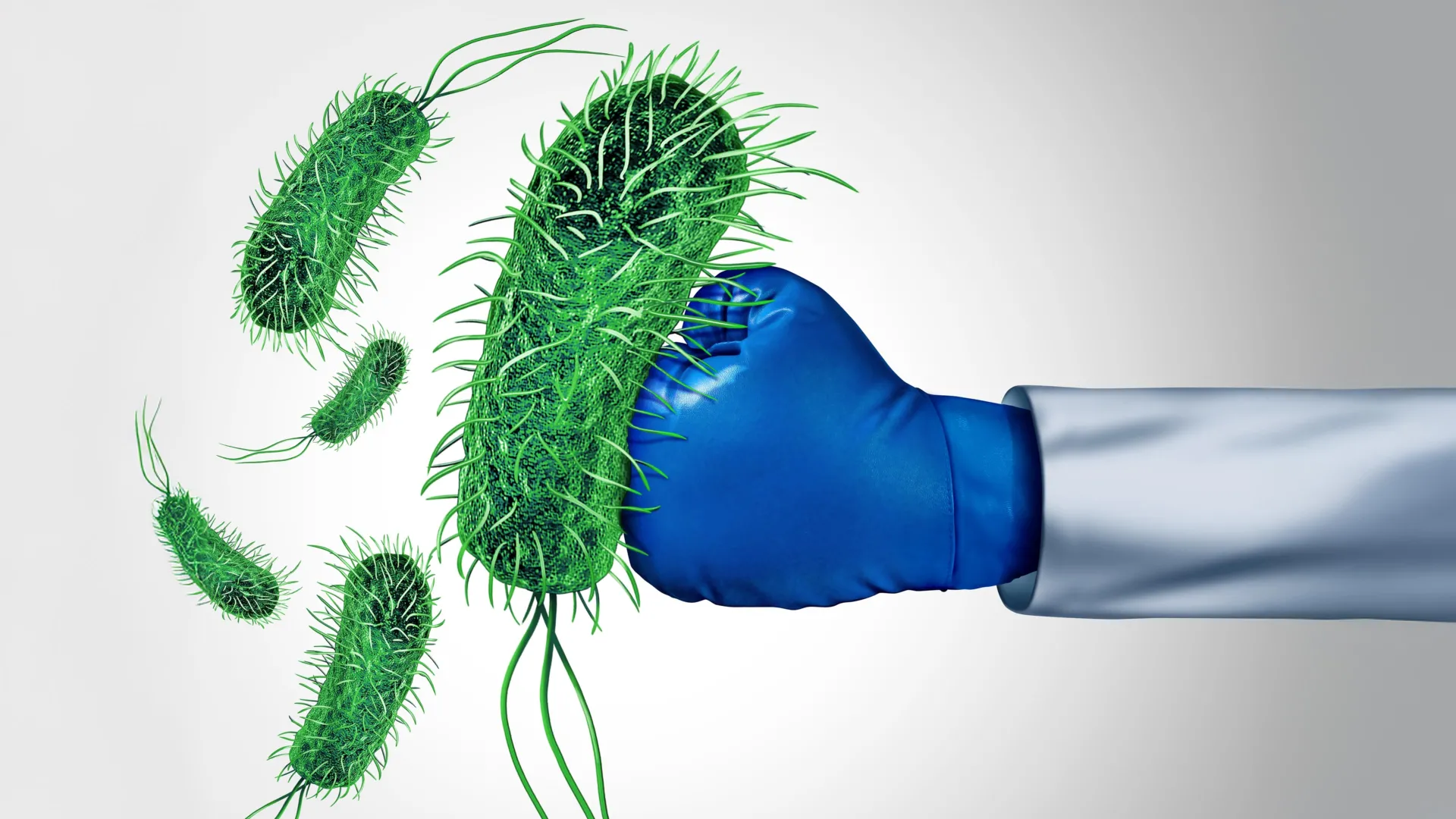
The escalating threat of antimicrobial resistance represents a critical juncture for contemporary healthcare, posing a formidable challenge to medical advancements and patient well-being. As microbial adversaries continually adapt, established pharmaceutical interventions that once provided robust defenses are progressively losing their efficacy. This diminishing effectiveness translates into a more arduous battle against commonplace infections, concurrently amplifying the inherent risks associated with essential medical procedures, including elective surgeries, oncological therapies, and organ transplantation. The ability of bacteria to develop sophisticated mechanisms to circumvent the action of antibiotics is a global health crisis demanding urgent and innovative solutions.
In this evolving landscape, scientific endeavors are increasingly focused not solely on the arduous quest for entirely novel antimicrobial agents but also on revitalizing the therapeutic potential of existing drugs. This strategic pivot forms the cornerstone of research into antibiotic adjuvants – auxiliary molecular entities that, while not directly lethal to bacteria, are engineered to restore or enhance the potency of established antibiotics. This approach leverages the groundwork of decades of antibiotic development, seeking to overcome acquired resistance through synergistic mechanisms rather than through a perpetual cycle of discovering entirely new classes of drugs.
At the forefront of advancing drug discovery methodologies, Professor John Moses and his dedicated cohort at Cold Spring Harbor Laboratory (CSHL) have dedicated years to refining chemical synthesis pathways, aiming to accelerate and optimize the creation of new therapeutic molecules. Their pioneering work centers on a sophisticated technique termed diversity-oriented clicking (DOC), a methodology conceived and perfected within the Moses laboratory. Employing this versatile framework, the research team has meticulously constructed an expansive molecular repository, a chemical library comprising over 150 distinct compounds. This curated collection has already proven instrumental, contributing significantly to both the understanding of antibiotic resistance mechanisms and the development of new strategies in cancer research.
The latest breakthrough, achieved through a crucial interinstitutional collaboration with Scripps Research, demonstrates the profound impact of this molecular library. By harnessing compounds derived from this collection, scientists have successfully resurrected the efficacy of vancomycin, a cornerstone antibiotic renowned for its potency against severe bacterial infections. Vancomycin has historically been a vital weapon against formidable pathogens such as methicillin-resistant Staphylococcus aureus (MRSA) and Clostridium difficile (C. diff). However, these bacteria possess a remarkable capacity for rapid evolution, leading to the emergence of "superbugs" that can withstand the onslaught of even frontline treatments like vancomycin, subsequently posing a grave threat within healthcare settings and communities worldwide.
The crux of this recent investigation involved a concerted effort by researchers from Professor Moses’s group at CSHL and Professor Howard Hang’s team at Scripps. Their shared objective was to identify a precise vulnerability that could be exploited to re-sensitize resistant bacteria to vancomycin. Their focused inquiry zeroed in on a specific bacterial enzyme, designated secreted antigen A (SagA), which plays a crucial role in the survival and pathogenesis of certain resistant strains. The team ingeniously employed a small molecule, pghi-4, originally identified within the Moses laboratory in 2020, to effectively inhibit the activity of SagA.
When challenged with a panel of drug-resistant Enterococcus faecium strains, the simultaneous application of vancomycin and pghi-4 yielded a remarkable restoration of the antibiotic’s bactericidal capabilities. This synergistic effect underscores the potential of targeting specific bacterial processes that are essential for resistance development. For Professor Moses, the significance of this finding extends beyond the immediate clinical implications; he highlights that the genesis of this discovery was not a direct pursuit of a new antibiotic but rather a consequence of fundamental exploration in chemical science. "This discovery emerged from foundational chemical research," he explained, emphasizing that the development of novel reaction methodologies paved the way for identifying an inhibitor targeting a critical enzyme involved in antibiotic resistance. This continuous refinement of their chemical toolkit ensures the library remains current and readily available for collaborators to leverage in their diverse research endeavors.
The strategic decision to make this meticulously curated molecular library accessible to the broader scientific community embodies a vision for accelerated therapeutic development. By facilitating access to these novel compounds, the CSHL team anticipates that similar innovative approaches could be replicated, leading to the development of effective treatments for a spectrum of challenging drug-resistant infections. Potential applications could extend to combating recalcitrant strains of diseases like tuberculosis, which continue to devastate populations globally.
"This work embodies a philosophical approach to chemistry that is inherently designed to expedite drug discovery in its most fundamental sense," Professor Moses articulated. "By employing chemical reactions that are dependable, robust, and intelligently conceived, we can construct new molecules with greater efficiency. This is precisely the methodology that guided our efforts in this study." As the global burden of antibiotic resistance intensifies, these findings serve as a powerful testament to the fact that significant medical breakthroughs may arise from reimagining the chemical underpinnings of existing pharmaceuticals. The future of combating drug-resistant pathogens might not necessarily commence with the arduous discovery of an entirely new antibiotic but rather with the precise engineering of a molecular partner that empowers an older, yet still potent, therapeutic agent to regain its formidable efficacy.
The research leading to these significant findings was generously supported by funding from several esteemed institutions, including the National Institutes of Health, the National Cancer Institute, the Australian Research Council, the New York State Biodefense Commercialization Fund, the F.M. Kirby Foundation, and the Starr Foundation, underscoring the collaborative and well-supported nature of this critical scientific endeavor.

Related News