
As individuals navigate the landscape of aging, maintaining optimal physical function becomes increasingly vital for preserving independence and overall quality of life. Among the myriad components of physical well-being, spinal mobility stands out as a foundational element, often overlooked but profoundly impactful on daily comfort and the capacity to perform routine tasks. A supple and resilient spine facilitates not only smooth movement but also underpins the health of associated structures like the shoulders, neck, and hips. Neglecting the spine’s range of motion can precipitate stiffness, discomfort, and a cascade of compensatory issues throughout the musculoskeletal system.
In contemporary society, many individuals, irrespective of age, find themselves engaged in lifestyles that inadvertently diminish spinal health. Prolonged periods of sitting, whether at a desk, in a vehicle, or simply while relaxing, encourage a forward-flexed posture. This habitual stance can lead to a rounding of the upper back, a forward jutting of the head, and a general shortening of the anterior musculature. Even during rest, nocturnal positions can contribute to muscular imbalances and joint rigidity. Sleeping curled up, favoring one side, or maintaining awkward postures for extended hours can leave the body feeling constricted and misaligned upon waking. Addressing these cumulative stresses requires a conscious effort to introduce varied movements into the daily routine, thereby counteracting the prevailing patterns of stillness and unidirectional motion.
Dr. Anna Di, a distinguished chiropractor and corrective exercise specialist, emphasizes a pragmatic approach to mobility training for older adults, particularly for exercises performed in the home environment. Her philosophy centers on a dual objective: first, to incorporate movements that mirror the functional demands of everyday activities, and second, to introduce motions that are typically absent from most people’s daily repertoire. This strategic combination aims to "reset" the body, gently awaken diverse movement pathways, and reacquaint the nervous system with the full spectrum of its capabilities, ensuring comfort and adaptability across multiple planes of motion. The convenience of performing these beneficial routines directly from one’s bed offers an accessible starting point, transforming the wake-up process into an opportunity for restorative self-care.
The thoracic spine, specifically, plays a pivotal role in upper body function. Located in the middle back, it provides the structural foundation for the rib cage and is intimately connected to shoulder girdle mechanics and neck posture. Insufficient mobility in this region can severely compromise arm elevation, rotation, and overall shoulder health, leading to stiffness or pain in the neck and upper back. Similarly, the lumbar spine, or lower back, relies on surrounding musculature and hip flexibility for stability and pain-free movement. A holistic approach to spinal health, therefore, necessitates attention to all segments of the vertebral column and their synergistic relationship with the hips and shoulders.
Integrating gentle mobility exercises into a morning or evening routine, directly from the comfort of a bed, presents a low-impact yet highly effective strategy for older adults. The soft, supportive surface of a mattress can reduce the perceived intensity of movements, making them more approachable for those experiencing stiffness or joint discomfort. This environment fosters a sense of security and encourages consistent practice, which is key to long-term improvements in flexibility and reduced stiffness.
Here are five specific movements, designed to be performed in bed, that contribute significantly to spinal health and overall physical well-being:
1. The Corkscrew Torso Rotation
This dynamic stretch is a cornerstone for introducing comprehensive rotational movement throughout the entire torso, a motion often severely neglected in daily life. Most human activities, from walking to working at a computer, involve forward-facing planes, leading to a gradual loss of rotational capacity. The Corkscrew Torso Rotation actively engages the cervical spine (neck), thoracic spine (mid-back), and lumbar spine (lower back), promoting flexibility across all three regions. As one arm extends backward and the head follows the motion, the chest simultaneously opens, counteracting the common hunched posture. This multi-segmental rotation helps to "lubricate" the spinal joints, improve nerve signal transmission, and release tension that accumulates from static postures. Regularly incorporating this movement can enhance the body’s comfort with turning and twisting, critical for tasks like looking over one’s shoulder while driving, reaching for objects, or simply navigating tight spaces with ease. The gentle, controlled nature of the movement in bed makes it an ideal way to awaken the spine without putting undue stress on the body.
2. Knees Side-to-Side with Open Arms
For individuals new to mobility work or those with significant limitations, the Knees Side-to-Side with Open Arms offers a gentler introduction to spinal rotation. While lying on the back, allowing the knees to fall from one side to the other, a subtle yet effective twisting motion is imparted to the lower back and pelvis. This movement helps to gently articulate the lumbar vertebrae and mobilize the sacroiliac joints, which are often sources of stiffness and discomfort. Simultaneously, extending the arms out to the sides with palms facing up facilitates a mild opening of the chest and shoulders. This dual action addresses both the lower back and upper body, areas frequently affected by postural imbalances. The gentle oscillation of the lower body, combined with the chest expansion, helps to release tension, improve circulation, and prepare the spine for the day’s activities. It’s an excellent preparatory movement that builds foundational rotational capacity before progressing to more complex stretches.
3. Alternating Single Knee-to-Chest Pull
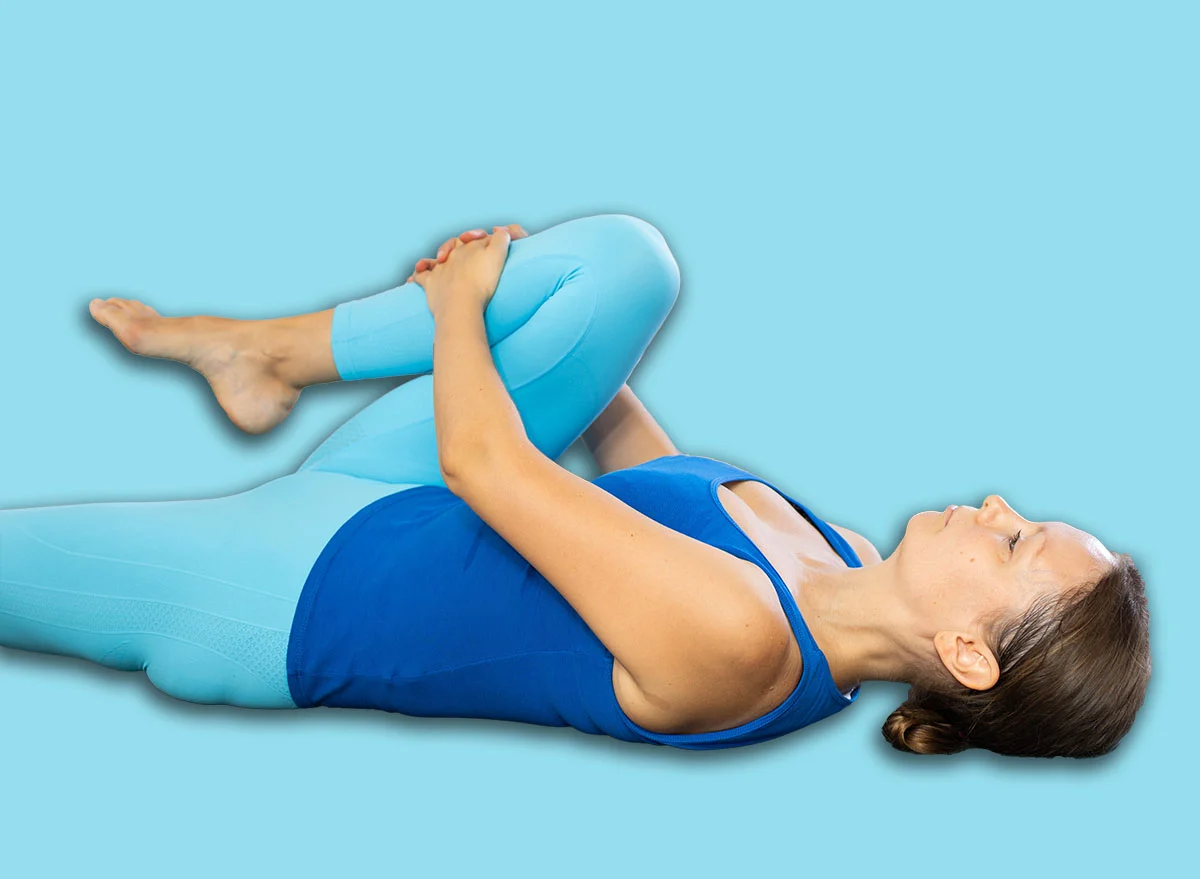
After several hours of nocturnal stillness, the joints of the hips and lower back can feel stiff and unyielding. The Alternating Single Knee-to-Chest pull is a simple yet profoundly effective exercise for reintroducing movement and promoting circulation in these crucial areas. By gently drawing one knee towards the chest, the practitioner creates a mild stretch in the gluteal muscles and hamstrings while simultaneously flexing the hip joint. This action also imparts a gentle decompression and flexion to the lumbar spine, helping to release any overnight compression. Performing this action alternately on each side ensures balanced mobilization. Dr. Di highlights its value in getting the major joints of the lower body moving, thereby signaling to the body that it’s time to transition from rest to activity. This movement is not just about stretching; it’s about awakening the synovial fluid in the joints, improving their "lubrication," and enhancing overall ease of movement for standing and walking.
4. Knee-to-Chest with Hip External Rotation
Building upon the basic knee-to-chest movement, this variation introduces an additional plane of motion: outward hip rotation. Instead of merely flexing the hip forward and backward, guiding the knee outward expands the range of motion, targeting the often-tight external rotators of the hip. This compound movement is particularly beneficial because many daily activities and sedentary postures restrict the hips to a relatively narrow, forward-backward range. Introducing outward rotation helps to "lubricate" the hip joint more comprehensively, moving it through a wider and more natural arc. The hips are ball-and-socket joints, designed for multi-directional movement, and consistently neglecting their full range can lead to stiffness and even pain in the lower back or knees. By actively engaging in this broader range of motion, individuals can improve hip flexibility, reduce strain on the lumbar spine, and enhance their ability to perform tasks requiring hip abduction and external rotation, such as stepping out of a car or maintaining balance.
5. Pelvic Tilts
Pelvic tilts are fundamental for reconnecting with and strengthening the deep core muscles, particularly the transversus abdominis, which plays a critical role in stabilizing the lumbar spine and controlling pelvic position. Given the pervasive tendency to slouch—whether seated, standing, or even sleeping in a curled position—many individuals lose awareness and control over their pelvic alignment. This exercise involves gently rocking the pelvis back and forth, flattening the lower back against the bed and then arching it slightly. This subtle movement helps to re-educate the body on how to articulate the pelvis independently of the upper body, thereby improving lumbar spine mobility and promoting better postural control. Dr. Di notes its importance in helping individuals regain control over their lower abdominal muscles, which are crucial for maintaining an upright posture and preventing excessive lumbar lordosis (swayback) or kyphosis (rounding of the upper back). Consistent practice of pelvic tilts can significantly reduce lower back pain, improve core stability, and foster a more aligned and comfortable posture throughout the day.
Incorporating these gentle, bed-based exercises into a daily regimen can yield profound benefits for older adults. Beyond the immediate relief of stiffness, consistent practice of these mobility routines contributes to enhanced balance, reduced risk of falls, and a greater capacity for independent living. By proactively addressing spinal and hip flexibility, individuals can significantly improve their overall physical comfort, energy levels, and psychological well-being. These movements are not merely exercises; they are an investment in sustained vitality and a commitment to nurturing the body’s intrinsic ability to move with ease and grace through all stages of life. The simplicity and accessibility of these routines make them an invaluable tool in the pursuit of lifelong physical health.
About the Author










