The insidious progression of cancer, particularly its ability to spread from a primary site to distant organs, represents the most formidable challenge in oncology and is responsible for the vast majority of cancer-related fatalities. While scientists have made remarkable strides in understanding the genetic underpinnings of tumor formation, the precise mechanisms dictating why some malignant cells embark on this perilous journey of metastasis, while others remain confined, have largely eluded comprehensive explanation. A groundbreaking investigation conducted by researchers at the University of Geneva (UNIGE) has now shed critical new light on this complex phenomenon, pinpointing crucial genetic determinants that predispose certain tumor cells to disseminate throughout the body. Building upon these pivotal discoveries, the team has engineered an innovative artificial intelligence (AI) platform, dubbed Mangrove Gene Signatures (MangroveGS), capable of translating these intricate genetic cues into highly reliable predictions of metastatic potential across a spectrum of cancer types. This significant advancement, detailed in the prestigious journal Cell Reports, holds profound implications for revolutionizing personalized cancer management and identifying novel therapeutic targets to combat this devastating aspect of the disease.
For far too long, the prevailing perception of cancer cells has been that of chaotic, uncontrolled entities, acting without inherent logic. However, Professor Ariel Ruiz i Altaba, a leading figure in the Department of Genetic Medicine and Development at the UNIGE Faculty of Medicine and the study’s principal investigator, challenges this simplistic view. He posits that cancer should be re-envisioned not as a purely anarchic process, but rather as a perversion of normal developmental pathways. Genetic and epigenetic alterations—changes in gene expression without altering the underlying DNA sequence—can inadvertently reactivate ancient biological programs that are typically silenced after embryonic development. It is this aberrant reawakening of cellular plasticity and migratory capacities, normally crucial for tissue formation and repair, that paradoxically fuels tumor growth and, critically, metastasis. This perspective suggests that cancer progression is not entirely random but follows a distorted set of biological rules, making the challenge one of deciphering this altered biological logic to predict and counteract its most lethal manifestations.
Metastatic disease accounts for approximately 90% of all cancer-related deaths, underscoring its devastating impact. Cancers of the colon, breast, and lung are particularly prone to this aggressive spread. The clinical reality often involves detecting circulating tumor cells in the bloodstream or lymphatic system only after the disease has already initiated its secondary colonization of distant tissues, severely limiting treatment options and prognosis. Despite extensive research into the specific mutations that drive primary tumor development, no single genetic alteration has been definitively identified as the sole determinant of a cell’s propensity to detach from the primary tumor and embark on a migratory path. The intrinsic difficulty lies in simultaneously characterizing the complete molecular profile of a cell, which typically necessitates its destruction for analysis, while also observing its functional behavior, which requires it to remain viable.
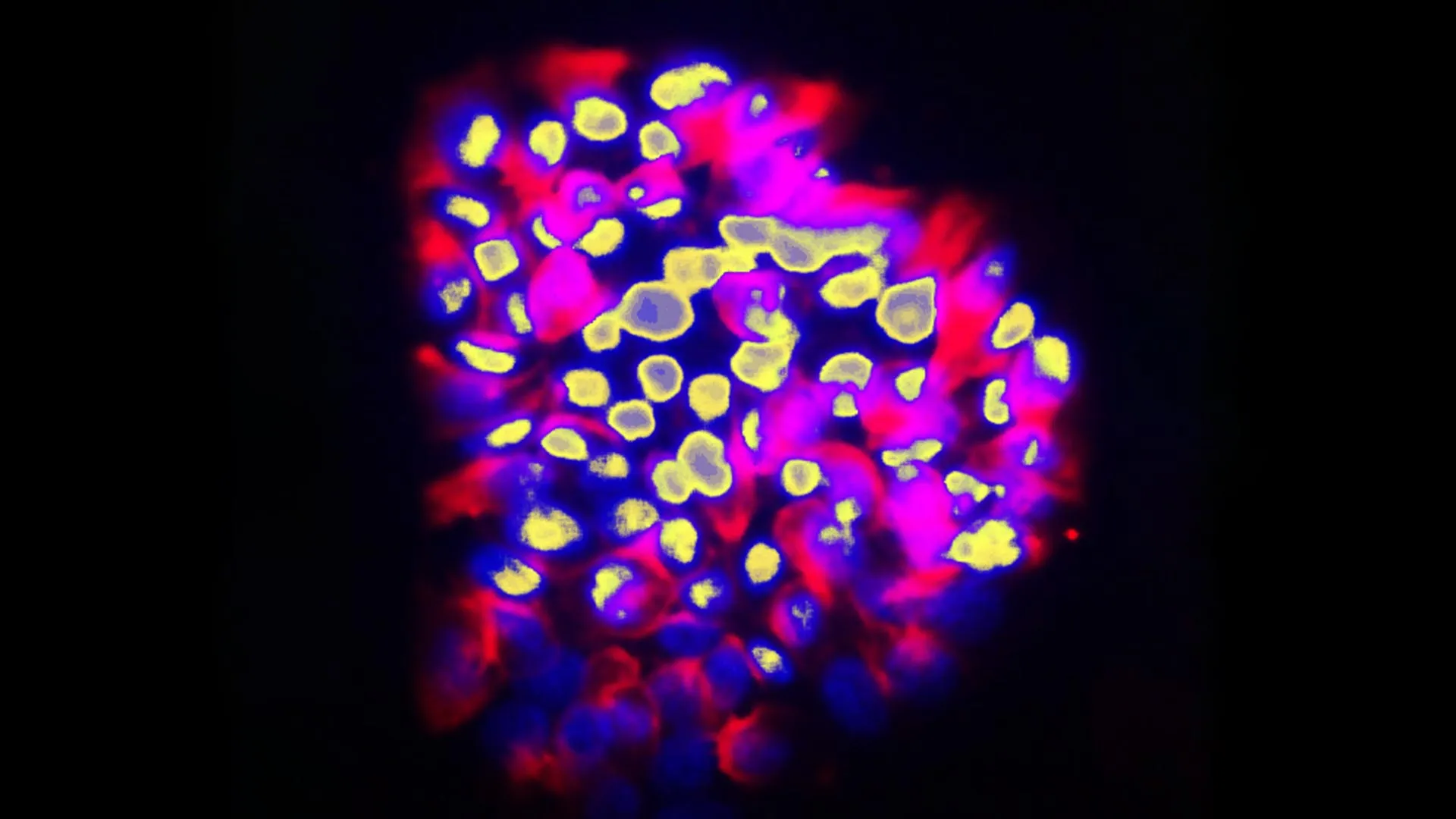
To surmount this fundamental experimental hurdle, the UNIGE team devised an ingenious methodological approach. They meticulously isolated individual tumor cells from primary colon cancers, subsequently cloning and cultivating these cells in vitro in laboratory settings. This allowed for the generation of genetically identical cell populations, or clones, derived from the original tumor. As explained by Arwen Conod, a key contributor to the research, these clonal populations were then rigorously assessed both in vitro (in laboratory dishes) and in vivo (within mouse models). This dual evaluation allowed the researchers to directly observe and quantify the inherent capacity of these specific cell clones to traverse biological barriers, a critical step in the metastatic cascade, and ultimately to form secondary tumors in distant sites. This systematic approach provided an unprecedented opportunity to link specific molecular identities to actual metastatic function.
Through this meticulous investigation, the research team conducted a comprehensive analysis of the transcriptional activity of hundreds of genes across approximately thirty distinct cell clones, all originating from two primary colon tumors. This extensive genomic profiling unveiled distinct patterns of gene expression that correlated remarkably well with each cell clone’s observed capacity for motility and metastatic dissemination. A crucial insight emerged from this analysis: the metastatic potential was not simply attributable to the profile of an individual cancer cell in isolation. Rather, it was determined by the intricate interplay and collective behavior of groups of related cancer cells, suggesting a more complex, cooperative biological mechanism underpinning metastatic capability. This understanding shifts the focus from singular cellular defects to the dynamic interactions within heterogeneous tumor cell populations.
The wealth of genomic data and the identified gene signatures were subsequently integrated into a sophisticated artificial intelligence framework. Aravind Srinivasan, instrumental in the development of the AI tool, highlighted the distinctive innovation of their system, named Mangrove Gene Signatures (MangroveGS). Unlike previous approaches that might rely on a limited number of biomarkers, MangroveGS leverages dozens, even hundreds, of these newly identified gene signatures. This expansive genomic input renders the AI model exceptionally robust and resilient to the inherent biological variability observed between individual patients or even within different regions of the same tumor. This comprehensive data integration is a cornerstone of its predictive power.
Following an extensive training regimen using a vast dataset, the MangroveGS model demonstrated an impressive capability to predict both metastasis and the recurrence of colon cancer with an accuracy approaching 80%. This performance notably surpassed that of existing prognostic methodologies. Intriguingly, the predictive gene signatures initially derived from colon cancer cells proved to be highly transferable and effective in assessing metastatic risk in other significant cancer types, including malignancies of the stomach, lung, and breast. This cross-cancer applicability suggests that the underlying biological programs reactivated during metastasis might share common molecular pathways, regardless of the tissue of origin.
The practical implementation of MangroveGS is designed for seamless integration into clinical workflows. The system is engineered to process tumor samples directly obtained from hospital pathology departments. Upon collection, tumor cells undergo RNA sequencing, a process that quantifies the activity of all genes within the sample. This RNA expression data is then fed into the MangroveGS platform, which rapidly generates a comprehensive metastasis risk score. This crucial prognostic information can then be securely transmitted to oncologists and their patients via an encrypted digital platform, ensuring both speed and confidentiality.
The transformative potential of MangroveGS for patient care is multi-faceted. As Professor Ruiz i Altaba emphasizes, this information will be instrumental in preventing the unnecessary overtreatment of patients identified as being at low risk of metastasis. Such overtreatment often leads to severe side effects, diminishes quality of life, and imposes significant, avoidable healthcare costs. Conversely, for individuals classified as high-risk, the tool will facilitate the intensification of monitoring protocols and the timely administration of more aggressive or innovative therapeutic interventions, potentially intercepting metastatic progression before it becomes entrenched. Beyond individual patient management, MangroveGS offers a powerful mechanism for optimizing the design and execution of clinical trials. By enabling the selection of trial participants who are most likely to benefit from a particular experimental therapy – those at high risk of metastasis – the system can significantly reduce the number of volunteers required for studies, thereby enhancing their statistical power and accelerating the identification of truly effective treatments. Ultimately, this precision-guided approach ensures that promising therapeutic benefits are delivered to the patients who stand to gain the most, ushering in a new era of truly personalized and effective cancer care. The development of MangroveGS represents a pivotal step forward in the fight against cancer, offering hope for more accurate prognoses and targeted interventions that could fundamentally alter the trajectory of this complex disease.
About the Author