
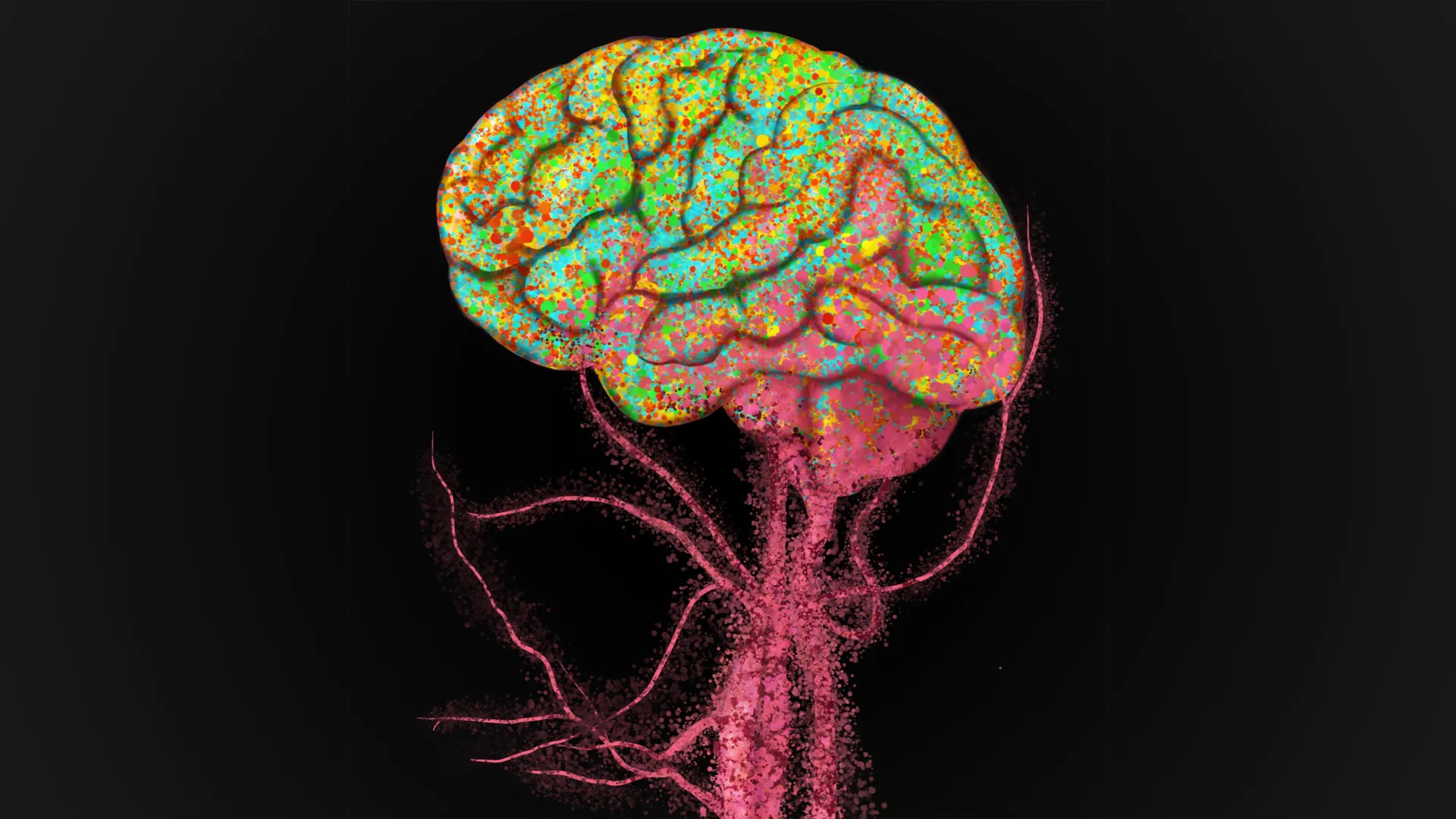
For an extended period, the scientific consensus held that the brain’s immunological landscape operated in relative isolation from the systemic immune network, protected by the formidable blood-brain barrier and populated by its own distinct cellular guardians. This long-held perspective, however, is undergoing a profound reevaluation thanks to groundbreaking research emerging from Stanford University, which has unveiled compelling evidence of a significant influx of peripheral immune cells into the human brain as individuals advance in age. This discovery carries substantial implications, potentially reshaping our fundamental understanding of neurobiological aging and paving the way for novel therapeutic avenues for a spectrum of neurological disorders. The findings, which received partial support from the Knight Initiative for Brain Resilience at the Wu Tsai Neurosciences Institute, were recently published in the esteemed scientific journal Nature.
"Our traditional conceptualization of the brain has often depicted it as a self-contained entity," remarked Julia Belk, a postdoctoral scholar in pathology at Stanford Medicine and the lead author of this pivotal study. "However, our research demonstrates that a considerable contingent of immune cells from the body’s broader circulatory system actively penetrates the human brain during the aging process." This revelation challenges the established paradigm, suggesting a far more dynamic interplay between the central nervous system and the peripheral immune system than previously assumed.
Belk’s intellectual journey into the complexities of neurobiology was ignited during her doctoral studies in the Department of Computer Science within Stanford’s School of Humanities and Sciences. Her participation in Sarafan ChEM-H’s Chemistry/Biology Interface Predoctoral Training Program proved instrumental, fostering an interdisciplinary approach that harmoniously integrated foundational scientific principles, computational methodologies, and clinical medicine. This unique training trajectory ultimately facilitated a crucial collaboration with Siddhartha Jaiswal, an associate professor of pathology at Stanford Medicine, a member of the Institute for Stem Cell Biology and Regenerative Medicine, and a senior author on the current study.
Earlier investigations spearheaded by Jaiswal and his team had delved into the genetic profiles of thousands of individuals, some of whom had been meticulously monitored over several decades. These prior efforts established a compelling correlation: individuals possessing specific clones of immune cells, arising from mutations in blood stem cells, exhibited a markedly reduced propensity for developing Alzheimer’s disease. This intriguing observation prompted the hypothesis that these atypical immune cells might be engaging with the brain in some yet-to-be-determined manner. Subsequent research within the same group provided initial indications that some of these mutated cells could indeed breach the brain’s protective barriers. The mutations in question are linked to a condition known as clonal hematopoiesis of indeterminate potential, a phenomenon observed in only a fraction of the population. Nevertheless, this initial finding spurred a broader inquiry: could the infiltration of blood-derived immune cells into the brain be a common occurrence in aging humans?
"Contrary to the majority of immune cells, which are perpetually replenished by hematopoietic stem cells originating from the bone marrow, the immune cells resident within the brain were historically believed to maintain and renew themselves throughout an individual’s life without any external contribution," explained Jaiswal. "Our initial work hinted that this assumption might not universally hold true."
This notion directly confronted a long-standing tenet concerning microglia, the brain’s resident immune cells. For many years, the prevailing scientific belief was that microglia were established during fetal development and persisted as a self-sufficient population, undergoing minimal replenishment from external sources. Within this framework, the migration of systemic immune cells into the brain and their integration into the microglial population was considered highly improbable.
Belk and her colleagues, however, began to entertain an alternative hypothesis. If peripheral immune cells were capable of entering the brain in certain individuals, perhaps this process was not an anomaly but rather a regular, albeit previously unrecognized, feature of human aging. The idea that immune cells originating from the bloodstream could play a role in the pathogenesis or progression of Alzheimer’s disease was both novel and a subject of considerable scientific debate. In recognition of the potential impact of such research, Jaiswal and his collaborators secured funding from the Knight Initiative for Brain Resilience in 2022, an initiative dedicated to fostering innovative approaches to understanding brain resilience and neurodegenerative diseases.
Leveraging partial support from a Knight Initiative Innovation Award, Belk, Jaiswal, and co-senior author Howard Chang, the Virginia and D. K. Ludwig Professor of Cancer Research and a professor of genetics at Stanford Medicine, embarked on a mission to elucidate the mechanisms underlying the observed resilience to Alzheimer’s conferred by peripheral immune cells. However, before directly addressing this question, a fundamental prerequisite was to definitively establish whether immune cells originating from the bloodstream could, in fact, repopulate the brain’s microglial compartment.
To rigorously investigate this hypothesis, the research team meticulously examined human brain tissue samples. These precious biological specimens were obtained through the Stanford Rapid Autopsy Center, under the direction of co-author Jody Hooper, a professor of pathology at Stanford Medicine, and also from the University of Washington’s Alzheimer’s Disease Sequencing Project. These comprehensive programs collect both blood and post-mortem brain tissue from individuals diagnosed with and without Alzheimer’s disease, providing an unparalleled opportunity to directly compare the immunological profiles of the bloodstream with those found within brain tissue following death.
The primary scientific hurdle lay in accurately pinpointing the origin of the immune cells identified within the brain. Given the continuous proliferative capacity of immune cells, the researchers needed to reconstruct their cellular lineage, essentially tracing their "family trees." The objective was to differentiate between immune cells that were descendants of the initial microglial population present since birth and those that originated from blood stem cells in the bone marrow at later stages of life.
The breakthrough came through an ingenious comparative analysis of DNA extracted from immune cells in blood samples and those from brain tissue. By identifying shared somatic mutations – random alterations that accumulate in DNA over time – the scientists employed these genetic variations as biological markers of ancestry, akin to a personalized genetic testing service that traces familial lineage. As individuals age, spontaneous mutations gradually accumulate in their blood stem cells. Immune cells that are subsequently generated by these mutated stem cells inherit these identical mutations. Consequently, the presence of matching mutations in two distinct populations of immune cells strongly indicates a shared progenitor cell.
"If we observe the identical mutations in both the peripheral blood and the brain’s microglial cells, it provides us with a very high degree of confidence that the brain immune cells are indeed descendants of the immune cells circulating in the bloodstream," Belk elaborated.
Employing this sophisticated approach, combined with advanced techniques developed during their prior research, Belk and her colleagues meticulously compared immune cells from paired blood and brain samples. The genetic signatures unequivocally matched, providing robust evidence that immune cells from the body had successfully navigated into the brain, a process observed to occur as early as middle age. Further experimental analyses revealed an additional astonishing finding: once these peripheral immune cells infiltrated the brain, they underwent a remarkable transformation, differentiating into specialized microglia. The researchers also noted that this observed phenomenon does not appear to occur in other species, such as mice or non-human primates, suggesting it may be a uniquely human characteristic of aging.
Beyond fundamentally challenging established concepts of brain immunology, this groundbreaking discovery opens up exciting new avenues for the development of therapeutic interventions targeting the brain. "Now that we have confirmed that these peripheral immune cells can indeed enter the brain, we can conceptualize a wide array of novel engineering strategies to harness these cells for beneficial purposes," Jaiswal stated.
One promising application involves genetically engineering these peripheral immune cells to specifically target and degrade amyloid and tau aggregates, the pathological hallmarks associated with neurodegenerative diseases. Such modified cells could potentially be administered prophylactically, before the accumulation of these neurotoxic protein deposits begins to cause significant damage. This finding also holds the potential to broaden research into the intricate relationship between the health and history of blood stem cells and their influence on the brain. Given that a substantial proportion of microglia in aging humans appear to originate from blood stem cells, any factors that impact the cells within the blood or bone marrow could consequently exert an influence on brain health.
"Our findings strongly suggest that the life trajectory of blood stem cells could significantly modulate an individual’s risk for brain diseases by altering the characteristics and function of microglia," Jaiswal concluded. For Belk, the research holds particular significance as it illuminates an aspect of brain aging that appears to be distinctly human. "I find this particularly exhilarating because it reveals a uniquely human characteristic of aging that had previously remained entirely unknown to us."
About the Author












