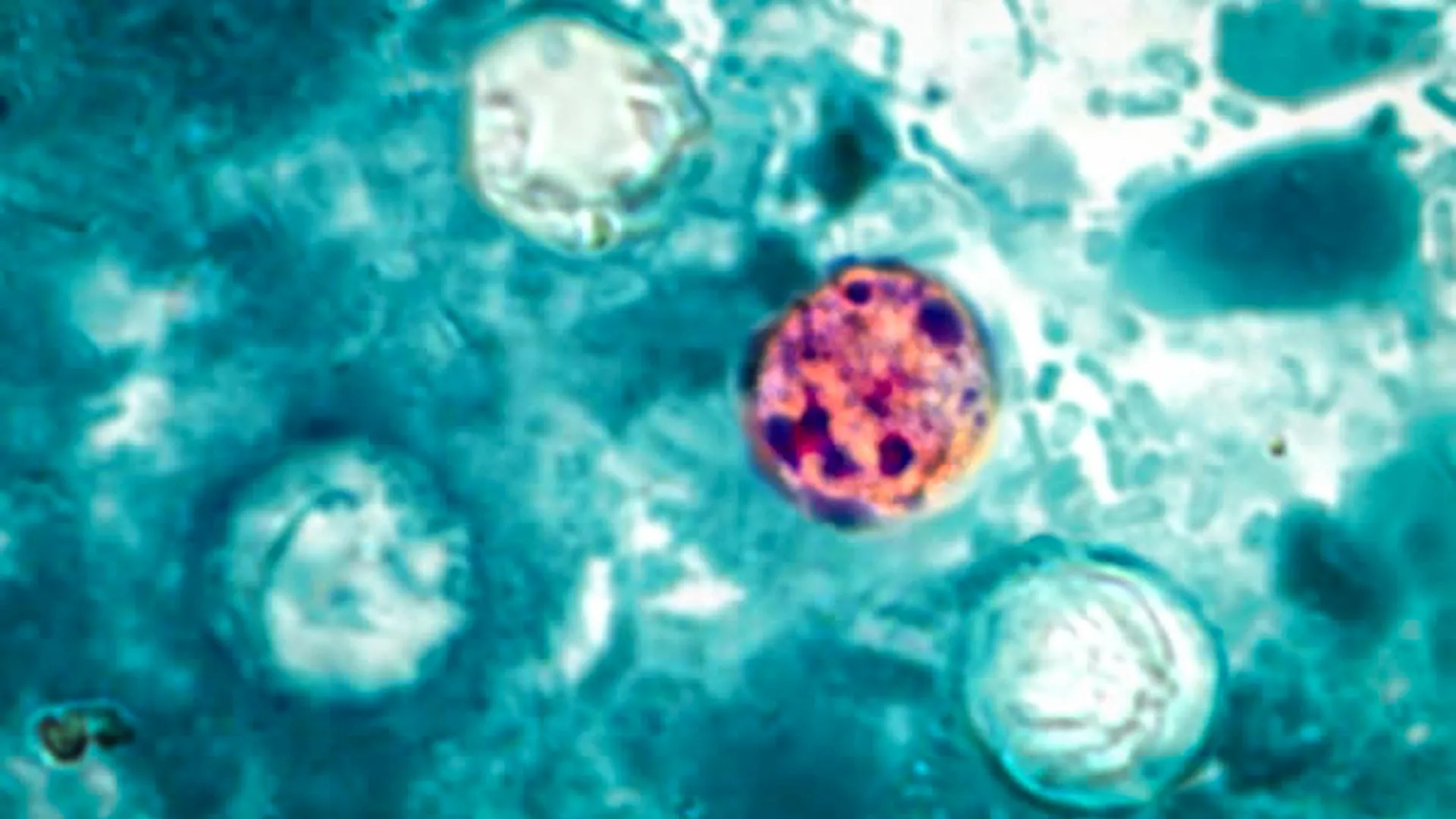
A significant increase in cases of cyclosporiasis, a parasitic infection, has prompted a comprehensive, multi-agency public health investigation across several Midwestern states. Federal health authorities, including the U.S. Centers for Disease Control and Prevention (CDC) and the U.S. Food and Drug Administration (FDA), are collaborating with state and local health departments to pinpoint the source of these widespread illnesses. The surge, which began to escalate in early May, has led to hundreds of confirmed infections, with officials actively working to identify the specific contaminated food item or items responsible for the outbreak.
Understanding Cyclosporiasis: The Parasite and Its Impact
Cyclosporiasis is an intestinal illness caused by the microscopic parasite Cyclospora cayetanensis. Unlike bacterial or viral infections, Cyclospora is a protozoan parasite, meaning it’s a single-celled organism with complex life cycles. Humans become infected by consuming food or water contaminated with oocysts (the infective stage) of the parasite. Crucially, the parasite is not directly transmitted from person to person; it requires time outside the host to become infectious, typically days to weeks under specific environmental conditions. This characteristic often links outbreaks to fresh produce that has been contaminated in the field or during processing, especially produce grown in regions where the parasite is endemic or where sanitation practices are compromised.
The symptoms of cyclosporiasis primarily affect the gastrointestinal system. The most common and often debilitating symptom is watery, sometimes explosive, diarrhea. This can be accompanied by a range of other discomforts, including loss of appetite, significant weight loss, abdominal cramping, bloating, increased gas, nausea, and fatigue. Vomiting, low-grade fever, and body aches can also occur. The incubation period, or the time between exposure to the parasite and the onset of symptoms, typically ranges from one week, but can vary from as short as two days to as long as two weeks or more. Without appropriate medical treatment, symptoms can persist for days, weeks, or even extend for a month or longer, often with a relapsing pattern where symptoms improve and then worsen again. While generally not life-threatening, the illness can be severe enough to necessitate hospitalization, particularly in vulnerable populations such as young children, the elderly, or individuals with weakened immune systems.
The Current Scope of the Outbreak
As of July 13, more than 400 individuals across four Midwestern states have been officially reported to the CDC as infected with Cyclospora in connection with this particular outbreak. The confirmed cases have been identified in Michigan, Ohio, West Virginia, and Kentucky. Investigators have noted that affected individuals reported the onset of their illness on or after June 22, 2026. This date provides a crucial anchor for epidemiological studies, allowing investigators to narrow down potential exposure windows.
Public health experts caution that the reported figure of over 400 cases likely represents only a fraction of the actual number of people affected. Several factors contribute to this potential undercounting. Firstly, some individuals experiencing mild symptoms may recover without seeking medical attention or undergoing diagnostic testing for Cyclospora. Secondly, the time lag inherent in reporting and confirming cases means that recent illnesses may not yet be included in the official count. This delay can be attributed to the incubation period, the time it takes for an individual to seek medical care, for samples to be collected and processed, and for the results to be reported to state and federal health agencies. Furthermore, officials believe the geographic spread of the outbreak may extend beyond the four currently identified states, as cases in other regions might still be under investigation or simply not yet linked to this specific multi-state cluster.
The Complexities of Foodborne Outbreak Investigations
Identifying the source of a foodborne illness outbreak like cyclosporiasis is an intricate and often painstaking process, demanding extensive collaboration among various public health and regulatory bodies. The CDC plays a pivotal role in coordinating multi-state investigations, providing epidemiological expertise, laboratory support, and data analysis to connect disparate cases. The FDA focuses its efforts on tracing contaminated food products through the complex supply chains, from retail establishments back to distributors, processors, and ultimately, farms. State and local health departments are on the front lines, conducting detailed interviews with sick individuals, collecting clinical samples, and implementing local public health interventions.
A primary tool in these investigations is the patient interview. Public health officials meticulously gather information from affected individuals about their demographic details—age, race, ethnicity, and other relevant data—and, most critically, a comprehensive list of all foods they consumed during the two weeks prior to the onset of their symptoms. This two-week window corresponds to the typical incubation period of Cyclospora. By analyzing patterns in the reported food histories across numerous patients, epidemiologists aim to identify a common exposure: a specific food item, a restaurant, or a grocery store that could link the cases together. This process often involves sophisticated statistical analysis to determine which foods are consumed disproportionately by sick individuals compared to healthy controls.
Unique Challenges Posed by Cyclospora
Cyclospora outbreaks present particular challenges that distinguish them from many other foodborne illness investigations. One significant hurdle is the parasite’s resistance to common disinfectants, including chlorine, making it difficult to eliminate from water sources or food surfaces through conventional washing methods. While thorough washing of produce is always recommended for general food safety, it may not be sufficient to remove Cyclospora oocysts, especially if they are embedded in the produce or present internally.
Another challenge is the often-international nature of the food supply chain. Many fresh produce items consumed in the United States, particularly during certain seasons, are imported from countries where Cyclospora is endemic. Tracing a contaminated product back to its origin can involve navigating multiple international suppliers, distributors, and farms, each with varying food safety standards and record-keeping practices. This complexity makes rapid identification and removal of the contaminated product from the market incredibly difficult. Furthermore, the relatively long incubation period means that by the time an outbreak is recognized and investigated, the contaminated product may have already been consumed, removed from shelves, or even gone out of season, making traceback efforts even more arduous.
Historical Context of Cyclospora Outbreaks
Cyclospora outbreaks are not new to the United States. Over the past few decades, numerous significant outbreaks have been linked to various types of fresh produce, highlighting a recurring public health concern. Notable past incidents have involved imported raspberries, fresh basil, and pre-packaged salad mixes. These historical outbreaks underscore the vulnerability of the food supply to this parasite and the persistent need for stringent food safety measures throughout the agricultural and distribution sectors, both domestically and internationally. Each past outbreak has provided valuable lessons, refining investigation techniques and emphasizing the importance of international collaboration in food safety. The pattern of these outbreaks often coincides with warmer months, when people consume more fresh produce and when environmental conditions may favor the parasite’s development.
Public Health Implications and Prevention
Beyond the immediate health crisis, a widespread outbreak of cyclosporiasis carries significant public health implications. It places a considerable burden on healthcare systems, leads to lost productivity for affected individuals, and can erode consumer confidence in the safety of certain food products. For the food industry, such outbreaks can result in substantial economic losses due to recalls, investigations, and damage to brand reputation. These incidents serve as a stark reminder of the critical importance of robust food safety protocols at every stage of the food supply chain, from farm to fork.
To mitigate the risk of infection, consumers are advised to remain vigilant. While there are no specific steps to completely eliminate the risk of Cyclospora from fresh produce, general food safety practices are always important. These include washing hands thoroughly with soap and water before and after handling food, washing fruits and vegetables under running water before eating, cutting, or cooking (even if you plan to peel them), and avoiding cross-contamination between raw and ready-to-eat foods. It is also crucial for consumers to stay informed about ongoing food recalls and public health alerts related to foodborne illnesses.
Guidance for Individuals and Healthcare Providers
For individuals who suspect they may have cyclosporiasis, prompt medical attention is essential. Anyone experiencing symptoms such as prolonged watery diarrhea, especially if accompanied by other gastrointestinal distress, should contact a healthcare provider immediately. Diagnosis typically involves specialized stool tests to detect Cyclospora oocysts. Treatment for cyclosporiasis generally involves specific antibiotic medication, commonly trimethoprim-sulfamethoxazole, which can significantly shorten the duration and severity of the illness.
If diagnosed with cyclosporiasis, individuals may be contacted by local or state health officials. Cooperating fully with these investigators by providing detailed information about foods consumed in the two weeks prior to illness onset is critical. Every piece of information shared helps public health agencies piece together the epidemiological puzzle, identify the contaminated source, and prevent further illnesses.
Healthcare providers also play a crucial role in controlling outbreaks. They are urged to report all confirmed cases of cyclosporiasis to their local health department without delay. This reporting is vital for tracking the spread of the illness and for initiating timely investigations. Additionally, healthcare professionals can access comprehensive clinical guidance on the diagnosis, treatment, and management of cyclosporiasis patients through resources provided by the CDC and other medical organizations, ensuring that affected individuals receive appropriate and effective care. The collective efforts of individuals, healthcare providers, and public health agencies are paramount in effectively responding to and ultimately resolving these complex foodborne illness events.
About the Author