As individuals navigate the landscape of aging, particularly beyond the age of sixty, many encounter shifts in body composition that present unique fitness challenges. A common concern is the accumulation of central body fat, often referred to as a "waistline overhang," which can impact not only aesthetics but also overall health and functional capacity. While the immediate inclination for many is to target the abdominal region with traditional floor-based exercises like crunches or dedicated ab machines, a growing body of expert consensus, supported by physiological understanding, suggests that a more integrated, functional approach yields superior and more sustainable results. This strategy emphasizes dynamic, standing movements that engage multiple muscle groups synergistically, fostering a more robust core and an elevated metabolic rate.
Understanding the physiological changes that occur after the sixth decade is crucial to appreciating the efficacy of this approach. With age, the human body naturally experiences a decline in lean muscle mass, a process known as sarcopenia, which contributes to a slower resting metabolism. Hormonal fluctuations, such as reduced estrogen in women post-menopause and declining testosterone in men, can also predispose the body to store fat preferentially around the midsection (visceral fat), a type of fat linked to increased risks of cardiovascular disease, type 2 diabetes, and metabolic syndrome. Furthermore, core strength is not merely about visible abdominal muscles; it encompasses the deep stabilizing muscles that support the spine, improve posture, and are fundamental for balance and preventing falls—critical aspects of maintaining independence and quality of life in older adulthood. Therefore, exercise protocols for this demographic should prioritize movements that address these multifaceted needs, rather than isolating individual muscles.
Experienced fitness professionals often observe that exercises demanding simultaneous activation of the legs, hips, and upper body, alongside continuous core engagement, provide a far more comprehensive benefit. This integrated muscle recruitment elevates heart rate more effectively than isolated movements, leading to greater caloric expenditure during and after the workout. Moreover, these functional exercises mirror the demands of daily life, such as lifting groceries, maintaining balance while walking, or reaching overhead, thereby enhancing practical strength and mobility. A certified strength coach, observing patterns over years, highlights that individuals tend to feel leaner and stronger through their core when their workouts involve a broader spectrum of movement and muscle collaboration, rather than focusing solely on isolated abdominal contractions. The core, in these dynamic contexts, acts as a central stabilizer, constantly adjusting to maintain equilibrium, which intrinsically strengthens the deep abdominal and oblique muscles responsible for a well-supported and resilient midsection.
In contrast, traditional supine (lying down) abdominal exercises, while effective for strengthening specific superficial abdominal muscles, often fall short in addressing the broader physiological requirements for reducing central adiposity and improving functional core stability in older adults. They typically don’t engage enough major muscle groups to significantly boost metabolism, nor do they adequately challenge the balance and coordination systems essential for preventing age-related declines. The following five standing exercises are examples of movements that embody this full-body, functional principle, offering a potent combination of strength building, calorie burning, and core stabilization.
Dynamic Knee Lifts (High Knees Variation)
Dynamic knee lifts are an excellent example of a movement that marries cardiovascular conditioning with powerful core engagement. As each knee drives upwards towards the chest, the lower abdominal muscles and hip flexors work in concert to stabilize the torso and propel the leg. The rapid, rhythmic nature of this exercise significantly elevates heart rate, promoting increased energy expenditure. Many individuals instinctively brace their core to maintain an upright posture throughout the movement, further enhancing abdominal strength. Consistent practice of this exercise contributes to improved midsection strength, coordination, and overall cardiovascular endurance.
- Muscles Engaged: Primarily hip flexors, lower abdominals, quadriceps, and calves.
- Execution Insight: Stand tall with your chest lifted. Begin by alternately lifting your knees towards your chest at a brisk pace, ensuring controlled movement. Focus on activating your core to prevent leaning back.
- Recommended Structure: Perform 3 sets of 30 seconds, with a 30-second recovery period between each set.
- Adaptations: For a lower impact version, perform marching knee lifts. Resistance bands can be added around the thighs for increased challenge.
- Form Cue: Maintain an erect posture; lift knees rather than allowing your torso to flex forward or backward excessively.
Full-Body Rhythmic Jumps (Jumping Jacks Variation)
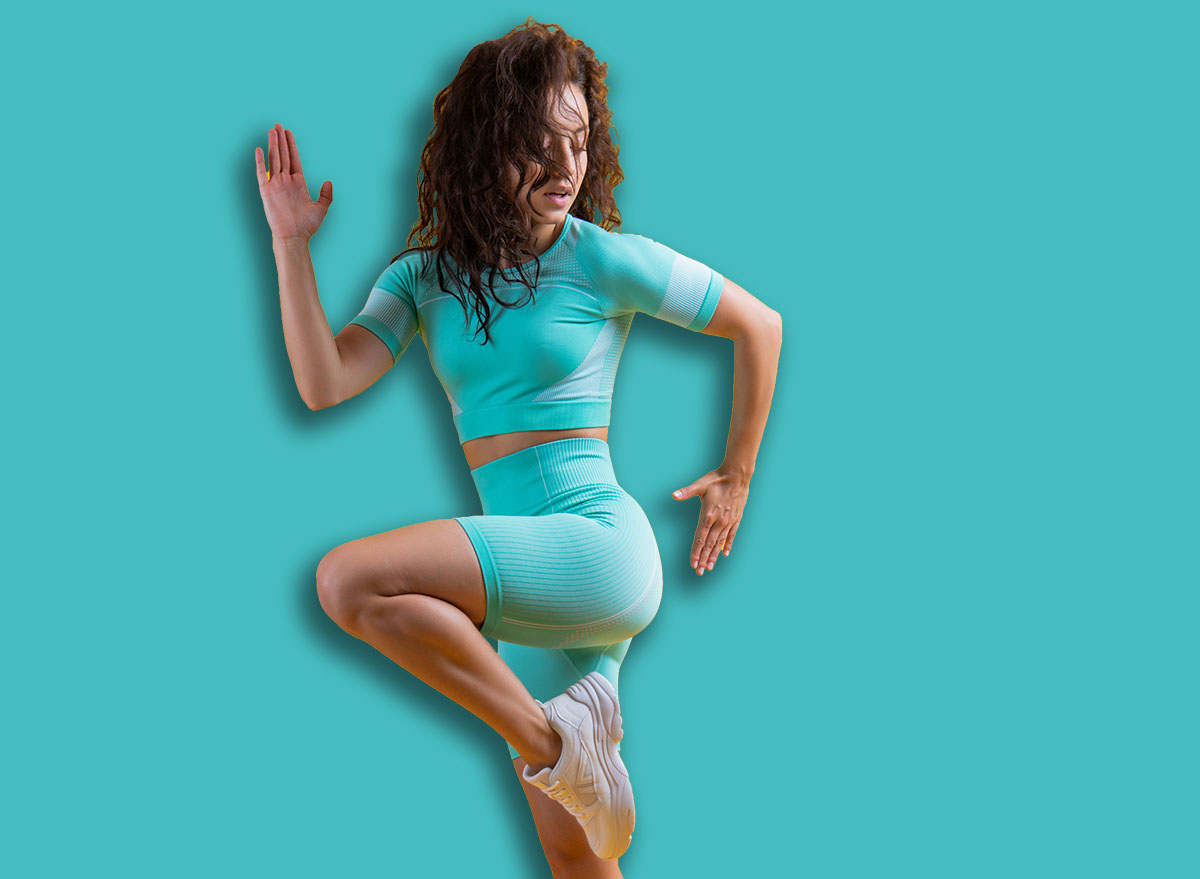
Full-body rhythmic jumps, widely known as jumping jacks, are a time-tested exercise for full-body conditioning and metabolic activation. This movement involves the harmonious coordination of the arms and legs, compelling the core musculature to stabilize the trunk against dynamic forces. The continuous motion rapidly elevates heart rate and boosts overall energy output, making it an efficient calorie burner. Regular inclusion of full-body rhythmic jumps in a fitness regimen aids in strengthening the core stabilizers while simultaneously enhancing cardiovascular endurance and coordination, both vital for active aging.
- Muscles Engaged: Shoulders, hips, calves, and the entire core musculature.
- Execution Insight: Start standing with feet together and arms at your sides. Simultaneously raise your arms overhead and spread your legs wide, then return to the starting position in a fluid motion.
- Recommended Structure: Complete 3 sets of 30 seconds, resting for 30 seconds between sets.
- Adaptations: For reduced impact, perform step jacks, stepping one leg out at a time.
- Form Cue: Land gently on the balls of your feet, maintaining a consistent and controlled rhythm.
Overhead Power Slams (Medicine Ball Slams)
Overhead power slams with a medicine ball are an impactful exercise that fuses power, coordination, and comprehensive body engagement. The explosive downward motion activates the entire core, with significant force generated from the hips and shoulders. This dynamic action necessitates a unified effort from the body, leading to substantial caloric expenditure due due to the recruitment of large muscle groups. Over time, consistent practice of medicine ball slams contributes to strengthening the muscles that encapsulate and support the waistline, enhancing both power and core resilience.
- Muscles Engaged: Core, shoulders, latissimus dorsi, and hips.
- Execution Insight: Hold a medicine ball with both hands, stand with feet shoulder-width apart. Raise the ball overhead, then forcefully slam it down to the ground between your feet, engaging your core and bending at the hips and knees. Catch the rebound and repeat.
- Recommended Structure: Aim for 3 sets of 10 to 12 repetitions, allowing for a 45-second recovery period between sets.
- Adaptations: Vary the slam direction (e.g., rotational slams) for different oblique engagement. Use a lighter ball if needed.
- Form Cue: Initiate the slam by powerfully engaging your core before driving the ball downward, protecting your lower back.
Explosive Leg Drives (Squat Jumps)
Explosive leg drives, or squat jumps, are highly effective for simultaneously training the lower body and core while cultivating explosive power. The eccentric phase (lowering into the squat) activates the quadriceps and glutes, while the concentric phase (the jump) demands rapid force production. Throughout both the jump and the landing, the core muscles are crucial for stabilizing the torso, preventing undue stress on the spine. This comprehensive movement vigorously challenges the entire lower body, leading to increased energy output and potential benefits for bone density. Regular incorporation of squat jumps helps build both muscular strength and cardiovascular conditioning.
- Muscles Engaged: Quadriceps, glutes, calves, and core.
- Execution Insight: Begin in a standard squat position. Explode upwards into a jump, extending your arms for balance. Land softly, absorbing the impact by immediately descending back into a squat.
- Recommended Structure: Perform 3 sets of 8 to 10 repetitions, with a 60-second rest interval between sets.
- Adaptations: For a lower impact alternative, perform regular squats or pause squats. Box squat jumps can also be used to control depth and landing.
- Form Cue: Ensure a soft landing, distributing impact through your hips and knees to protect your joints.
Unilateral Loaded Walk (Suitcase Carry)
The unilateral loaded walk, commonly known as the suitcase carry, presents a subtle yet profoundly effective challenge to the core. By holding a weight on one side of the body, the abdominal muscles, particularly the obliques and deeper core stabilizers, are compelled to activate continuously to prevent the torso from leaning laterally. This creates sustained isometric tension, which is excellent for building enduring core strength. The act of walking while maintaining this loaded posture further engages the hips and shoulders, enhancing functional strength, grip endurance, and postural integrity. Over time, the suitcase carry significantly strengthens the muscles that contribute to a well-defined and stable waistline.
- Muscles Engaged: Obliques, deep core stabilizers, shoulders, and grip musculature.
- Execution Insight: Hold a kettlebell or dumbbell in one hand, keeping your shoulders level and avoiding any lean towards the weighted side. Walk a predetermined distance or for a set time, then switch hands and repeat.
- Recommended Structure: Execute 3 sets, carrying the weight for 30 to 40 seconds per side, with a 45-second rest between sets.
- Adaptations: Vary the type of carry (e.g., farmer carry with weights in both hands, front rack carry with weight at shoulder height) for different challenges.
- Form Cue: Actively resist the urge to lean; maintain a perfectly upright and level posture throughout the walk.
Beyond Movement: Holistic Lifestyle for Sustained Midsection Health
While the integration of these dynamic standing exercises forms a powerful foundation for enhancing core strength and managing central adiposity, their effectiveness is significantly amplified when paired with supportive daily habits. A truly holistic approach to reducing waistline circumference after 60 extends beyond the gym and into daily choices that influence metabolic health and body composition.
- Nutritional Stewardship: Prioritize a diet rich in whole, unprocessed foods. Emphasize lean protein sources, abundant fruits and vegetables, and healthy fats. Adequate protein intake is vital for preserving muscle mass, which naturally boosts metabolism. Fiber-rich foods promote satiety and aid digestive health. Mindful eating practices can also help regulate caloric intake and prevent overconsumption.
- Quality Sleep: Sufficient, restorative sleep is a cornerstone of metabolic health. Chronic sleep deprivation can disrupt hormone regulation, increasing cortisol (a stress hormone linked to abdominal fat storage) and impacting ghrelin and leptin, hormones that control hunger and satiety. Aim for 7-9 hours of quality sleep nightly.
- Stress Management: Persistent stress elevates cortisol levels, which can contribute to increased visceral fat accumulation. Incorporating stress-reducing techniques such as meditation, deep breathing exercises, spending time in nature, or engaging in hobbies can profoundly impact body composition and overall well-being.
- Consistent Hydration: Drinking adequate water supports metabolic processes, helps regulate appetite, and maintains overall bodily functions crucial for health and weight management.
- Commitment to Consistency: Sustainable results in fitness and body composition are rarely achieved through sporadic effort. Regularity in both exercise and healthy lifestyle choices is paramount for long-term success and maintaining an active, vibrant life post-60.
In conclusion, for individuals over 60 aiming to improve their midsection health and reduce central body fat, a paradigm shift from isolated abdominal work to comprehensive, functional standing exercises is highly recommended. These movements not only offer superior caloric expenditure and muscle recruitment but also build practical strength, improve balance, and support overall well-being. When integrated with a mindful approach to nutrition, sleep, and stress management, this holistic strategy paves the way for a stronger core, a healthier metabolism, and an enhanced quality of life for years to come. Always consult with a healthcare provider or a certified fitness professional before embarking on a new exercise program, especially when navigating specific health considerations associated with aging.
About the Author