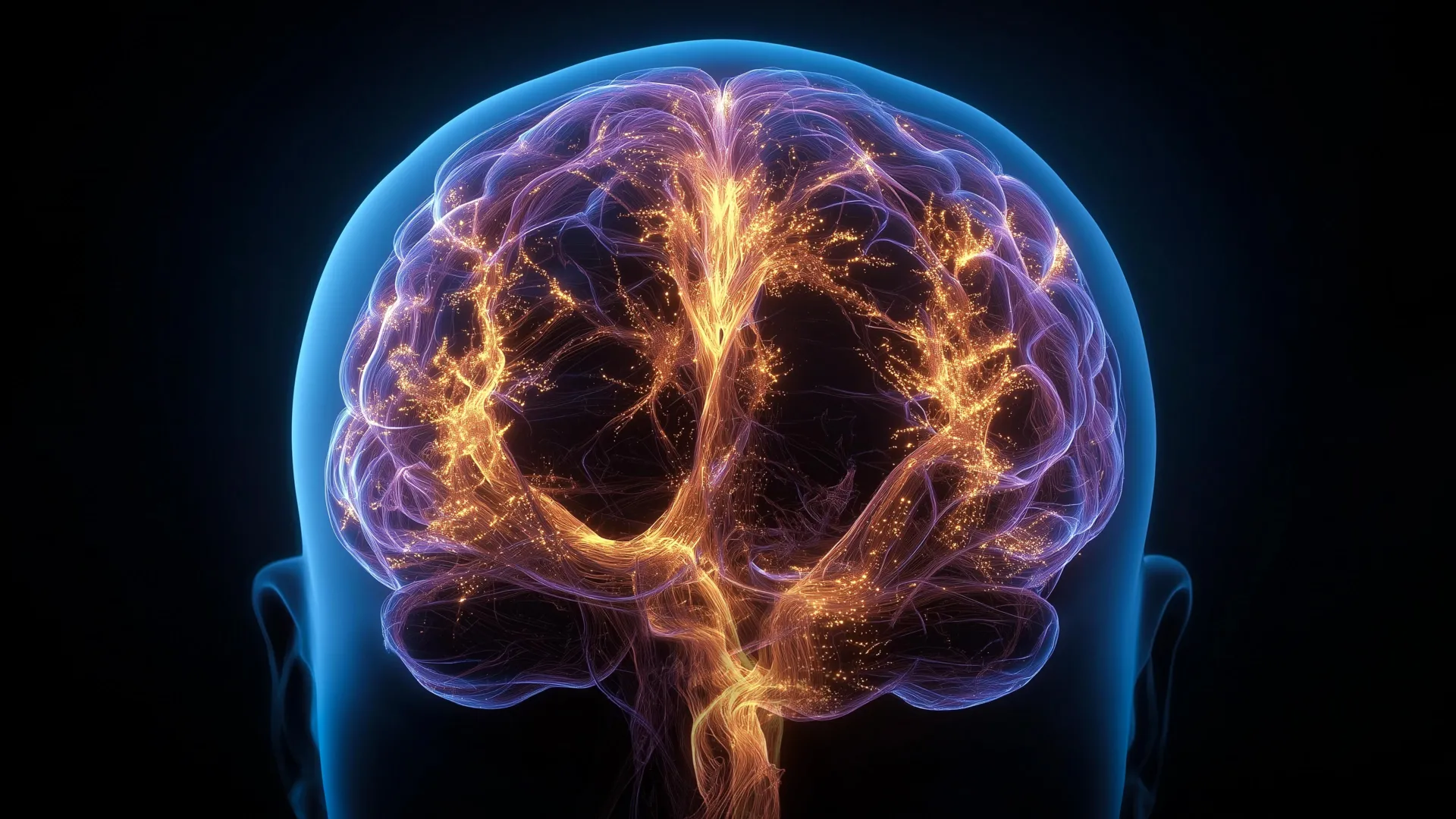
The human brain, a complex organ responsible for thought, memory, and emotion, faces an inevitable decline in function as individuals age. This age-related deterioration is a significant global health challenge, particularly given the rising prevalence of neurodegenerative conditions such as Alzheimer’s disease and other forms of dementia. Affecting millions worldwide annually, these conditions impose immense personal and societal burdens, underscoring the urgent need for effective preventive strategies. Amidst this medical imperative, emerging scientific understanding increasingly points to a surprisingly accessible intervention: regular physical activity. Far beyond its well-documented benefits for cardiovascular health and muscular strength, recent investigations suggest that consistent exercise plays a pivotal role in safeguarding cognitive faculties by directly influencing the brain’s intrinsic waste disposal system.
A comprehensive analysis led by Dr. James Broatch from Victoria University (VU) has significantly advanced our understanding of how physical activity might confer such neuroprotective benefits. Published in the esteemed journal Trends in Neurosciences under the title "Exercise as a regulator of glymphatic function," this peer-reviewed paper synthesized existing research, shedding light on the intricate relationship between movement and brain health. The core of this research revolves around the glymphatic system, a specialized brain-wide network discovered relatively recently, in the early 2010s, which is fundamentally responsible for clearing metabolic byproducts and toxins that accumulate in the central nervous system.
Unlike the peripheral lymphatic system that drains waste from the rest of the body, the glymphatic system operates uniquely within the brain and spinal cord. It functions primarily by facilitating the rapid exchange of cerebrospinal fluid (CSF) with interstitial fluid (ISF) within the brain parenchyma. This intricate "plumbing" system utilizes a network of perivascular spaces surrounding cerebral blood vessels, lined by astrocyte endfeet that express aquaporin-4 (AQP4) water channels. These channels are crucial for driving the bulk flow of CSF into the brain, flushing out metabolic waste products, including neurotoxic proteins like amyloid-beta and tau, which are hallmarks of Alzheimer’s disease. The system is particularly active during sleep, when neuronal activity decreases and the brain’s extracellular space expands, allowing for more efficient clearance. Consequently, any disruption to glymphatic function, whether due to aging, poor sleep, or certain neurological disorders, can lead to the accumulation of detrimental substances, contributing to neuroinflammation and progressive neuronal damage.
Dr. Broatch’s team meticulously reviewed a breadth of studies involving both animal models and human subjects, identifying several key physiological processes through which exercise appears to bolster glymphatic activity. The findings suggest that physical exertion, particularly the kind that elevates heart rate, initiates a cascade of systemic and neural adaptations beneficial for brain detoxification. One of the most prominent mechanisms identified is the improvement in cardiovascular health. Regular exercise is well-established to reduce systemic blood pressure and enhance the elasticity of blood vessels, thereby mitigating vascular stiffness. A healthy cerebral vasculature is paramount for efficient glymphatic flow, as the perivascular spaces are directly dependent on the integrity and function of these vessels. By ensuring robust blood flow and reducing the risk of cerebrovascular disease, exercise indirectly supports the structural and functional health of the glymphatic network, ensuring that the brain’s waste removal system operates optimally.
Furthermore, physical activity plays a critical role in modulating neuroinflammation, a chronic inflammatory response within the brain that is increasingly recognized as a key contributor to neurodegenerative diseases. Exercise has been shown to reduce inflammatory markers throughout the body and, crucially, within the brain itself. This anti-inflammatory effect helps to protect neurons from damage and maintain the integrity of the blood-brain barrier, which is vital for regulating the brain’s internal environment. By dampening neuroinflammatory processes, exercise creates a more conducive environment for efficient glymphatic clearance, preventing the accumulation of inflammatory debris that could otherwise impede waste removal.
Another significant pathway through which exercise benefits brain health is its impact on neuronal activity and synaptic plasticity. Regular movement promotes the activation of neurons, fostering neurogenesis (the birth of new brain cells, particularly in the hippocampus, a region critical for memory) and synaptogenesis (the formation of new synaptic connections). This enhanced neural activity is accompanied by the release of neurotrophic factors, such as Brain-Derived Neurotrophic Factor (BDNF), which support neuronal survival, growth, and differentiation. While the direct link to glymphatic function is still an area of active investigation, a healthier, more active neuronal network is likely to be more resilient and capable of supporting the complex metabolic demands associated with efficient waste clearance.
Perhaps one of the most compelling connections highlighted by the research is the profound influence of exercise on sleep quality. The glymphatic system performs the majority of its critical cleanup work during deep sleep, specifically during slow-wave sleep (SWS). As individuals age, the quality and duration of deep sleep often diminish, creating a paradoxical challenge where the need for efficient brain waste clearance increases, but the physiological opportunity for it decreases. Dr. Broatch underscored this irony, noting that "if we don’t have opportunities for the brain to essentially clean out the junk from the day, we know that build-up is damaging, especially as we age. Sleep is more crucial than ever to play this role, but the irony is, good quality sleep can often be harder to get as we get older." Exercise serves as a potent intervention in this regard. It demonstrably improves sleep architecture, increasing the proportion of deep sleep and enhancing slow-wave activity, which directly correlates with more effective glymphatic clearance. By facilitating more restorative sleep, physical activity indirectly but powerfully supports the brain’s ability to "take out the trash" and prevent the accumulation of neurotoxic waste products.
Moreover, the analysis suggested that exercise helps lower resting norepinephrine levels. Norepinephrine, a neurotransmitter involved in arousal and attention, generally exhibits higher levels during wakefulness and lower levels during sleep. Dysregulation of norepinephrine can disrupt sleep cycles and potentially impact glymphatic flow. By helping to regulate these neurochemical balances, exercise may contribute to a more stable sleep-wake cycle, further optimizing the conditions for glymphatic activity.
While the findings present a compelling case for the neuroprotective role of exercise, Dr. Broatch emphasized that much remains to be explored. Key questions persist regarding the optimal dosage of exercise: how much is most effective, which specific types of activity (aerobic, resistance, balance, flexibility) yield the greatest benefits, and whether these recommendations should be tailored for individuals already experiencing cognitive decline or diagnosed with neurodegenerative diseases. These are critical areas for future research, some of which Dr. Broatch’s team is actively pursuing, to translate these promising insights into concrete, evidence-based public health guidelines.
The journey from understanding fundamental mechanisms to developing clinical interventions is complex, but the current body of evidence offers profound implications. In a world grappling with an aging demographic and the rising tide of dementia, preventive strategies are paramount. The realization that a lifestyle factor as accessible as physical activity can directly bolster the brain’s intrinsic detoxification system provides yet another powerful incentive for individuals of all ages to integrate regular movement into their daily routines. As Dr. Broatch succinctly put it, "If nothing else, this is yet another reminder that regular movement — especially the type that lifts your heart rate — is so important for every part of your health. The earlier we can develop these good habits, the better as we age." This perspective underscores a holistic approach to brain health, where physical activity stands as a cornerstone alongside other crucial elements like nutrition, social engagement, cognitive stimulation, and stress management, all working in concert to foster resilience against the challenges of cognitive aging. The ongoing scientific endeavor to unravel the precise mechanisms linking exercise to neuroprotection offers not just hope, but a tangible pathway toward preserving cognitive vitality throughout the lifespan.
About the Author