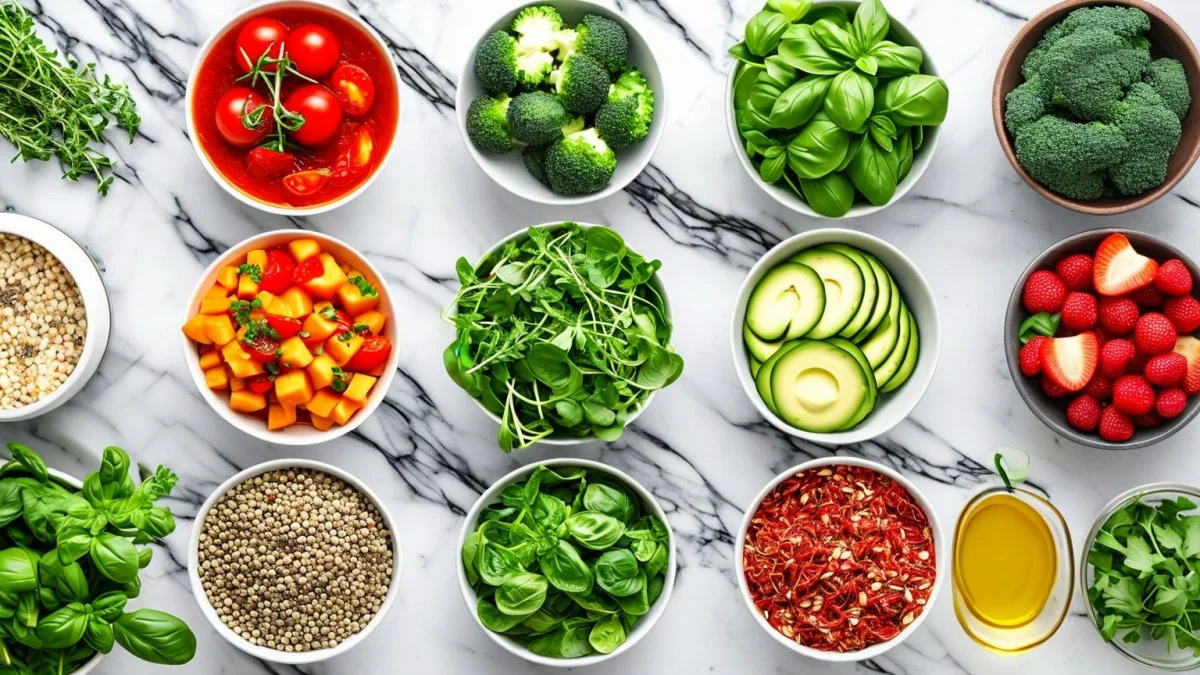
A recent consultation with a client revealed a startling expenditure, with a grocery bill exceeding two hundred dollars solely dedicated to assembling a single "ultimate power bowl," a dish prominently featured on social media platforms. The shopping cart overflowed with sought-after ingredients such as goji berries, acai powder, hemp hearts, and spirulina. Ironically, despite this investment in trendy, high-cost components, the client reported a decline in their overall well-being, feeling worse than before the dietary overhaul. This scenario is not an isolated incident; it underscores a widespread misconception that achieving superior nutrition necessitates the acquisition of rare or expensive ingredients. Extensive research and practical application in nutritional counseling consistently demonstrate that nutrient-dense meals can be effectively constructed using accessible, budget-friendly alternatives that demonstrably surpass the efficacy of costly "superfoods."
The fundamental principle underpinning effective nutrition lies not in the exotic nature of an ingredient, but in its inherent concentration of vitamins, minerals, and antioxidants, alongside its bioavailability. Contrary to popular belief, the foods boasting the highest nutritional profiles are not exclusively found in specialized health food stores or commanding premium prices. A wealth of common, everyday ingredients offers a superior nutritional return on investment when compared to their trendy, often imported counterparts. Consider the comparison between blueberries and goji berries. While goji berries can retail for approximately fifteen dollars per pound, offering a certain level of antioxidants, conventional blueberries, available at roughly three dollars per pound, provide comparable antioxidant capacity. Furthermore, the human body’s ability to absorb and utilize nutrients – a concept known as bioavailability – is often more efficient with familiar, whole foods. This enhanced absorption means that the nutrients present in common ingredients are more readily assimilated and put to use by the body, making them a more effective choice.
Beyond the intrinsic nutritional value of individual foods, the cornerstone of sustainable health improvement rests upon consistency. The pursuit of dietary perfection, characterized by sporadic consumption of expensive, trendy ingredients, is far less impactful than the regular incorporation of nutrient-rich, everyday foods. When the components of one’s meals are affordable, the likelihood of maintaining a consistent, healthy eating pattern increases significantly. This sustained engagement with nutritious foods allows the body to benefit from a steady supply of essential micronutrients, fostering a more robust and resilient physiological state. The psychological aspect is also crucial; the ability to regularly enjoy healthy meals without financial strain contributes to long-term adherence and positive dietary habits.
A closer examination of the carbohydrate base of nutrient-dense bowls reveals numerous economical alternatives that rival more expensive grains. For instance, quinoa, often priced around six dollars per pound, can be effectively substituted with ingredients that offer comparable or superior benefits at a fraction of the cost. Steel-cut oats, for example, provide a wealth of fiber, which contributes to slower glucose release into the bloodstream, promoting sustained energy levels and improved digestive health. This contrasts with some processed quinoa products, which may lead to more rapid fluctuations in blood sugar. Brown rice, another affordable staple, offers complex carbohydrates and essential minerals, serving as a versatile and nourishing foundation for any bowl. Sweet potatoes, rich in beta-carotene and complex carbohydrates, offer a vibrant color and a satisfying sweetness, while also providing significant dietary fiber. Farro, an ancient grain, offers a nutty flavor and a chewy texture, packed with protein and fiber, and often available at a more accessible price point than quinoa. The adoption of these power-packed carbohydrates not only reduces grocery costs but also frequently leads to reported improvements in digestive regularity and a more stable energy supply throughout the day, as clients frequently attest.
The realm of protein sources also presents ample opportunities for cost-effective, nutrient-rich choices, often at savings of seventy percent or more compared to trendy options. While protein powders and exotic seeds like hemp hearts are frequently featured in expensive power bowls, traditional protein sources often possess superior amino acid profiles and better nutrient absorption rates. Hemp hearts, for example, can cost upwards of twelve dollars per pound. In their place, sunflower seeds, available for approximately three dollars per pound, and pumpkin seeds, priced around four dollars per pound, offer comparable protein content and a richer profile of essential minerals such as magnesium, which is often better absorbed from these familiar sources. Similarly, instead of expensive protein powders, which can reach forty dollars per pound, consider the benefits of Greek yogurt or cottage cheese, both typically costing around four dollars per pound. These dairy products not only provide high-quality casein protein, known for its sustained satiety effect, but also offer the added advantage of beneficial probiotics, contributing to gut health. Chia seeds, another premium-priced ingredient at eight dollars per pound, can be readily replaced by ground flaxseeds, costing approximately three dollars per pound. Ground flaxseeds deliver a comparable amount of omega-3 fatty acids and boast higher concentrations of lignans, plant compounds that play a role in hormone balance. Research consistently suggests that whole food proteins are more readily recognized and utilized by the body than their processed counterparts, leading to more efficient nutrient assimilation.
The ubiquitous pursuit of antioxidants, often driven by the marketing of expensive supplements and exotic ingredients, overlooks the abundance of potent antioxidant champions hiding in plain sight within common foods. The Oxygen Radical Absorbance Capacity (ORAC) scores, a measure of a food’s antioxidant potential, consistently reveal that everyday fruits, vegetables, and leafy greens outperform many of their pricey, specialized counterparts. For instance, common berries such as strawberries and raspberries, readily available and affordable, exhibit high ORAC values, rivaling or exceeding those of goji berries. Dark leafy greens like spinach and kale, often costing less than two dollars per pound, are packed with a diverse array of antioxidants and phytonutrients, offering a broader spectrum of protective compounds than isolated antioxidant powders. Colorful vegetables like bell peppers, carrots, and tomatoes are rich in vitamins and carotenoids, contributing significantly to the body’s antioxidant defense system. The advantage of these whole foods extends beyond antioxidant capacity; they also provide water-soluble vitamins that can be diminished or lost during the processing of powdered supplements. This diverse intake of common antioxidant-rich foods has been observed to be more effective in reducing inflammation markers in clients than relying on single, expensive "superfood" ingredients.
Constructing balanced and nutritionally superior power bowls without breaking the bank is entirely achievable through strategic ingredient selection. By focusing on affordable staples, it is possible to create satisfying meals that cost under three dollars per serving while delivering exceptional nutritional value. The "Energy Bowl" might feature a base of brown rice, topped with black beans for protein and fiber, corn for sweetness and nutrients, salsa for flavor and antioxidants, and a dollop of plain Greek yogurt for creaminess and probiotics. For those seeking post-exercise replenishment, the "Recovery Bowl" could be built upon a foundation of steel-cut oats, complemented by mashed banana for natural sugars and potassium, a sprinkle of pumpkin seeds for protein and magnesium, and a drizzle of honey for quick energy. To support cognitive function, the "Focus Bowl" could incorporate a base of mixed greens, layered with chickpeas for sustained energy, chopped carrots for vitamin A, a few walnuts for omega-3 fatty acids, and a light vinaigrette dressing.
Several common pitfalls frequently lead individuals to waste both money and valuable nutrients in their quest for healthy bowls. One prevalent mistake is the purchase of pre-made "superfood" blends. These products often contain a significant proportion of filler ingredients, with only trace amounts of the advertised nutrients, representing a premium price paid for marketing rather than genuine nutritional value. Another error is the misguided focus on single nutrients. Nutrition operates synergistically; a diverse array of common foods provides a more comprehensive nutritional package than isolated compounds sourced from expensive ingredients. Preparation methods are also often overlooked. For example, raw kale, while nutritious, offers less bioavailable nutrients than when it is lightly steamed, making cooking techniques a more significant factor than ingredient cost. Finally, inconsistent eating patterns, characterized by occasional indulgence in expensive superfoods rather than regular consumption of nutrient-dense common foods, significantly diminishes the overall health benefits.
The scientific rationale behind the superior efficacy of simple, familiar foods is rooted in nutritional biochemistry and the intricate workings of the human digestive system. Our bodies have evolved to process and absorb nutrients from traditional food combinations more efficiently than from novel or isolated ingredients. Emerging research, including a 2023 study published in the Journal of Nutrition, indicated that participants absorbed up to forty percent more nutrients from traditional food matrices compared to isolated superfood supplements. The study’s authors posited that the inherent structure of familiar foods facilitates more effective nutrient transport mechanisms within the digestive tract. Furthermore, the gut microbiome, a crucial component of overall health, responds more favorably to consistent exposure to a diverse range of familiar plant compounds. This suggests that a regular intake of everyday fruits, vegetables, and grains supports a healthier and more balanced microbial ecosystem, contributing to improved digestion and nutrient absorption. This biological predisposition explains why individuals often experience more profound and sustainable health improvements by incorporating simple, accessible power bowl alternatives into their regular diets.
Implementing a transition towards more cost-effective and nutritionally effective power bowl alternatives can be approached systematically. A practical action plan can guide individuals through gradual changes over a four-week period. During the first week, the focus can be on replacing expensive grain bases like quinoa with steel-cut oats or brown rice, observing any shifts in energy levels. Week two can involve substituting costly seeds and powders with more affordable options such as Greek yogurt, cottage cheese, and common nuts and seeds, paying attention to satiety levels. In the third week, the emphasis shifts to replacing exotic berries and powders with local, seasonal fruits and vegetables, monitoring digestive comfort and overall well-being. The final week is dedicated to experimenting with different combinations using the newly adopted ingredients, aiming to identify three to four enjoyable and easily preparable meal structures. The overarching principle to embrace is that consistency in consuming nutrient-dense, affordable foods yields far greater benefits than sporadic, expensive dietary choices. This approach not only conserves financial resources but also optimizes the body’s ability to absorb and utilize essential nutrients, leading to tangible improvements in health and vitality.
About the Author