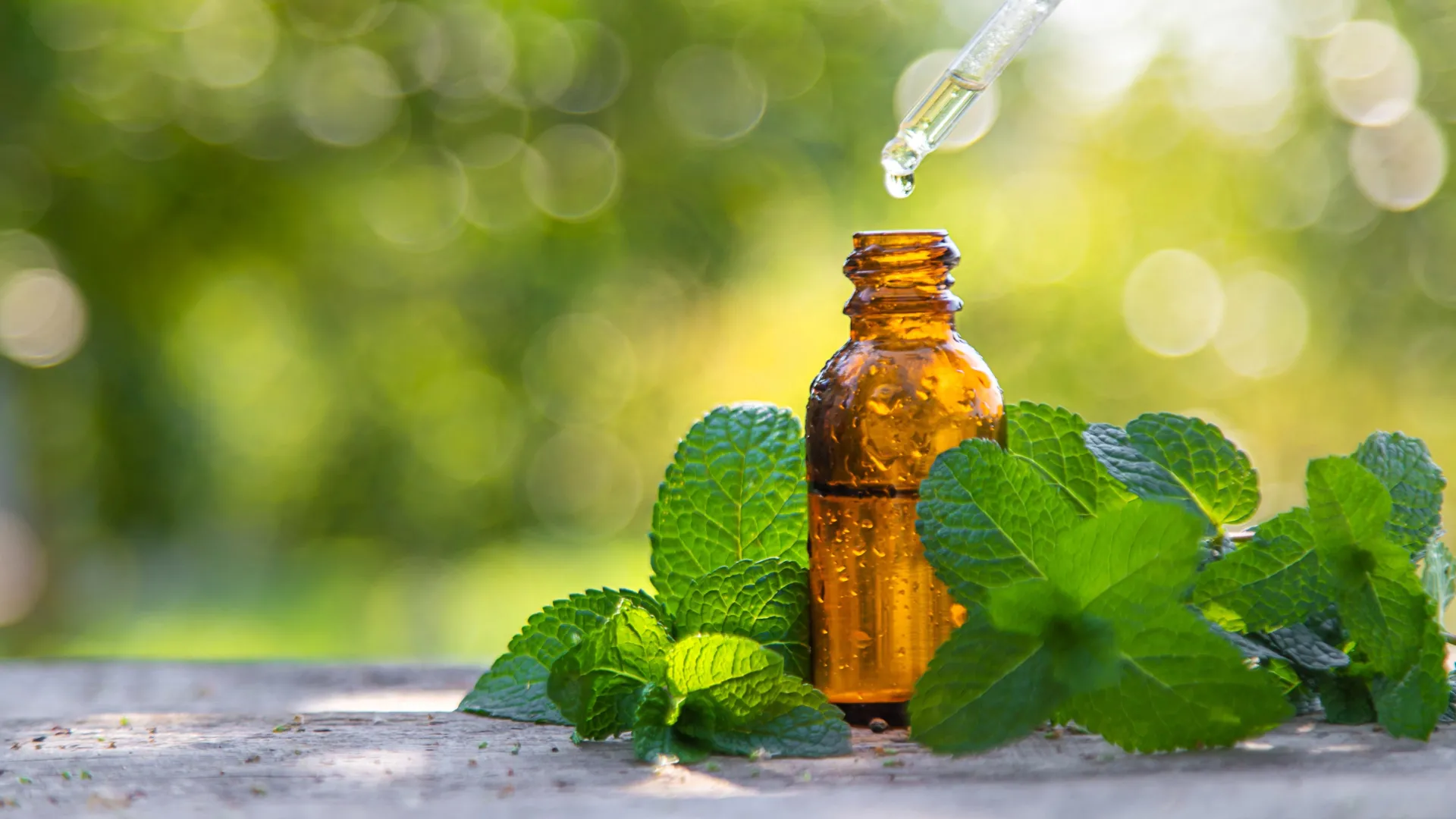
A recent investigation has shed light on the potential of daily peppermint oil consumption as a straightforward strategy for addressing modestly elevated blood pressure levels, presenting a new avenue for managing a pervasive global health concern. This preliminary research suggests that incorporating a specific regimen of peppermint oil could lead to measurable reductions in systolic blood pressure within a relatively short timeframe, offering a promising, accessible, and cost-effective option for individuals grappling with early-stage hypertension. The findings emerge at a crucial juncture, as healthcare systems worldwide continue to seek innovative and sustainable approaches to cardiovascular disease prevention and management.
Hypertension, commonly known as high blood pressure, represents a silent epidemic affecting billions globally. It is defined by persistently elevated pressure in the arteries, the vessels that carry blood from the heart to the rest of the body. Blood pressure readings are typically presented as two numbers: systolic pressure (the top number), which measures the pressure in the arteries when the heart beats, and diastolic pressure (the bottom number), which measures the pressure when the heart rests between beats. Sustained high blood pressure places undue strain on the cardiovascular system, significantly increasing the risk of serious health complications such as heart attack, stroke, kidney disease, and heart failure. Globally, hypertension is recognized by organizations like the World Health Organization as the leading preventable risk factor for cardiometabolic disease and the single greatest contributor to global mortality, underscoring the urgent need for effective interventions.
Current strategies for managing elevated blood pressure encompass a range of lifestyle modifications—including dietary changes, regular physical activity, weight management, and stress reduction—alongside pharmacological interventions. While prescription medications are highly effective for many, they often come with potential side effects, require consistent adherence, and can represent a significant financial burden over a patient’s lifetime. Furthermore, long-term efficacy and patient compliance with pharmaceutical regimens can vary, prompting a continuous search for complementary or alternative approaches that are well-tolerated and economically viable. It is within this context that natural compounds and dietary supplements are increasingly being scrutinized for their therapeutic potential.
Academics affiliated with the University of Lancashire documented a significant decrease, averaging 8.5 mmHg, in systolic blood pressure—the upper value typically noted in a blood pressure reading—among participants who administered 100 microliters of peppermint oil twice daily over a three-week period. This specific dosage and duration yielded a notable physiological response in the study group, contrasting sharply with a comparison group that received a placebo. The results, meticulously detailed and subsequently published in the peer-reviewed scientific journal PLOS One, indicate that peppermint oil could emerge as a simple, affordable, and generally well-received option for individuals navigating the challenges of slightly elevated blood pressure, potentially offering a valuable addition to existing management protocols.
Dr. Jonnie Sinclair, a distinguished Reader in Sport and Health Sciences and the lead author of this groundbreaking study, emphasized the profound global impact of hypertension. "High blood pressure stands as one of the primary drivers of heart disease and fatalities worldwide, incurring immense treatment costs," Dr. Sinclair articulated. He further elaborated on the complexities of current medical treatments, stating, "While pharmacological agents are routinely employed, their long-term effectiveness isn’t always unequivocally clear, and they frequently precipitate undesirable side effects." This perspective underscores the critical need for alternative interventions that can address the root causes of cardiovascular risk without the associated drawbacks of conventional pharmaceuticals.
The investigation involved a cohort of 40 adult participants, spanning an age range from 18 to 65 years. These individuals were carefully selected based on their blood pressure status, specifically those diagnosed with either prehypertension or stage 1 hypertension. To ensure robust scientific rigor, the participants were randomly allocated into two distinct groups. One group was instructed to consume a small, precisely measured daily quantity of peppermint oil, specifically 100 microliters twice per day. The other group, serving as the control, received a peppermint-flavored placebo, which, crucially, lacked the active therapeutic compounds found in the genuine peppermint oil. This randomized, placebo-controlled design is a gold standard in clinical research, designed to minimize bias and isolate the effects of the intervention. Over the 20-day study period, a marked improvement in blood pressure readings was observed within the group receiving the active peppermint oil, whereas the placebo group demonstrated no statistically significant or clinically meaningful alterations in their blood pressure parameters.
Peppermint (Mentha piperita) is a hybrid mint, a cross between watermint and spearmint, widely recognized for its distinctive aroma and flavor, attributed primarily to its essential oil. This oil is a rich source of various bioactive compounds, prominently including menthol and a diverse array of flavonoids. While the precise mechanisms by which peppermint oil exerts its antihypertensive effects are still under active investigation, researchers hypothesize that these natural constituents play a crucial role. Menthol, a monoterpene alcohol, is known for its ability to activate specific cold-sensitive receptors (TRPM8 channels) in the body, which can lead to vasodilation—the widening of blood vessels. This relaxation of blood vessel walls could directly contribute to a reduction in blood pressure. Furthermore, flavonoids are potent antioxidants and possess anti-inflammatory properties, which could indirectly benefit cardiovascular health by improving endothelial function (the health of the inner lining of blood vessels) and reducing systemic inflammation, both of which are critical factors in the pathogenesis of hypertension. The synergistic action of these compounds may contribute to the observed therapeutic effects.
Beyond the primary focus on systolic blood pressure, the research team conducted a comprehensive assessment of several other physiological and well-being indicators. These supplementary measures included diastolic blood pressure (the bottom number, reflecting pressure when the heart rests), heart rate, various anthropometric body measurements, detailed blood test results, and subjective evaluations of mental well-being and sleep quality. While the published summary primarily highlighted the systolic blood pressure reduction, the inclusion of these additional metrics underscores a holistic approach to understanding the potential broader impacts of peppermint oil supplementation on overall health. Monitoring these factors provides valuable context and helps rule out adverse effects while potentially uncovering other beneficial outcomes not directly related to blood pressure regulation.
The implications of these positive findings are substantial, particularly given the pervasive nature of arterial hypertension as a primary preventable risk factor for cardiometabolic disease and the single largest contributor to global mortality. The economic advantages of such an intervention are particularly compelling. Dr. Sinclair highlighted the inherent benefits: "Peppermint oil is both low in caloric content and remarkably inexpensive, positioning it as a potentially very simple and highly cost-effective intervention capable of benefiting millions of individuals across the globe." This economic accessibility could be transformative, especially in regions with limited healthcare resources or for populations struggling with the high costs of conventional medications. The ease of administration and general tolerability also make it an attractive candidate for widespread adoption as part of a public health strategy.
However, it is crucial to interpret these initial findings within the appropriate scientific context. While encouraging, the study involved a relatively small cohort of 40 participants and was conducted over a short duration of just 20 days. These factors mean that the results, while statistically significant for the study group, should be considered preliminary. Larger, long-term randomized controlled trials involving diverse populations, including individuals with more severe hypertension, are essential to validate these findings, establish optimal dosing regimens, and assess the long-term safety and efficacy of peppermint oil supplementation. Future research should also investigate potential interactions with existing medications, determine if peppermint oil can serve as a standalone treatment or is best used as an adjunct to other therapies, and explore different formulations to maximize bioavailability and patient compliance. Understanding the precise biochemical pathways and target receptors involved would also enhance our knowledge and potentially lead to more targeted interventions.
In conclusion, this pioneering research from the University of Lancashire offers a compelling glimpse into the therapeutic potential of a common botanical extract. By demonstrating a tangible reduction in systolic blood pressure, peppermint oil emerges as a fascinating candidate for further exploration in the realm of hypertension management. Its inherent attributes—affordability, natural origin, and apparent tolerability—position it as a promising non-pharmacological tool. While extensive additional research is unequivocally required to solidify these preliminary observations and translate them into widespread clinical recommendations, the current findings ignite optimism for developing new, accessible, and sustainable strategies to combat the global burden of high blood pressure and enhance cardiovascular well-being.
About the Author