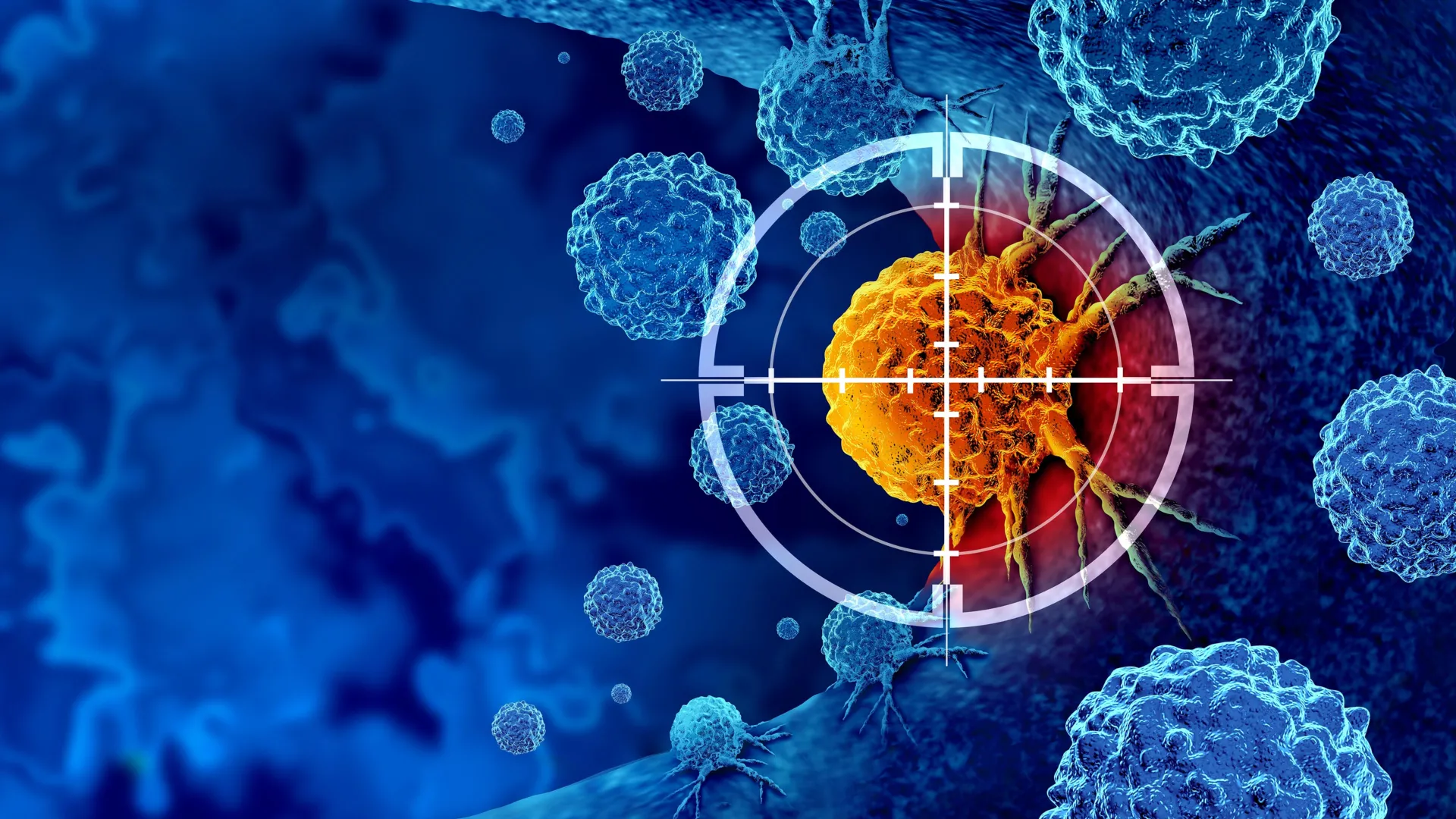
Prostate cancer remains a formidable challenge in oncology, particularly when it progresses to advanced or metastatic stages. Despite significant advancements in medical science, a substantial proportion of these tumors exhibit a notorious resistance to contemporary immunotherapy approaches, which leverage the body’s own immune system to combat malignancies. This inherent recalcitrance often stems from the tumors’ ability to cloak themselves from immune surveillance, rendering them largely impervious to the very mechanisms designed to eradicate them. However, a groundbreaking development in RNA-targeting technology, rooted in CRISPR gene-editing principles, now offers a profound glimmer of hope, demonstrating the potential to re-sensitize these "immune cold" prostate tumors, making them highly susceptible to an orchestrated immune attack.
Immunotherapy has revolutionized the landscape of cancer treatment for several types of malignancies, notably melanoma, lung cancer, and kidney cancer. These treatments, frequently involving immune checkpoint inhibitors, work by disinhibiting the immune system’s T cells, allowing them to recognize and destroy cancer cells. Yet, for many cancers, including the vast majority of prostate tumors, this revolutionary treatment modality often yields limited success. The primary obstacle lies in the immune microenvironment of these tumors, which are characterized by a striking absence of T cells, the crucial immune effector cells. Without a robust infiltration of T cells into the tumor mass, immunotherapies, no matter how potent, struggle to initiate an effective anti-cancer response. The scientific community has long grappled with how to overcome this "immune desert" phenomenon, a critical barrier preventing widespread immunotherapy application.
The journey toward this innovative solution began over a decade ago with a fundamental discovery made by a research team led by Dr. Eric J. Wagner, then at the University of Rochester Medicine. While investigating glioblastoma, an aggressive form of brain cancer, his group observed an intriguing anomaly: many messenger RNAs (mRNAs) within the tumor cells were significantly shorter than their counterparts in healthy cells. Subsequent investigations by Dr. Wagner’s laboratory and other researchers across the globe revealed that this phenomenon of mRNA shortening was not unique to glioblastoma but was a pervasive characteristic across a multitude of cancer types. This shortening, it was hypothesized, conferred a survival advantage to malignant cells, enabling them to adapt, persist, and evade various therapeutic interventions.
To understand the profound implications of this shortening, one must first grasp the role of mRNA. As crucial intermediaries in the cellular machinery, mRNAs carry genetic blueprints from DNA in the nucleus to the ribosomes in the cytoplasm, where these instructions are translated into proteins essential for all cellular functions. The length of an mRNA molecule, particularly its untranslated regions, plays a critical role in its stability and the duration for which it can actively produce protein. Shorter mRNAs tend to exhibit enhanced stability, much like a compact, tightly-wound structure that is less vulnerable to degradation by cellular enzymes. This increased stability means these truncated mRNAs persist longer within the cell, continuously churning out proteins. This unchecked protein production, devoid of normal cellular regulatory mechanisms, can drive cancerous processes and contribute to resistance strategies, effectively allowing tumors to spread their malignant influence with greater autonomy.
A pivotal mechanism by which prostate cancer cells elude immune detection is the suppression or outright loss of the Major Histocompatibility Complex class I (MHC-I) complex on their surface. The MHC-I complex functions as a critical molecular flag, presenting fragments of intracellular proteins, including those derived from mutated or cancerous cells, to circulating T cells. This presentation is fundamental for T cells to recognize a cell as abnormal and initiate an immune response. When the MHC-I complex is diminished or absent, malignant cells become virtually invisible to the immune system, transforming into immune ghosts that proliferate unchecked.
The collaborative research team, spearheaded by scientists at Duke University School of Medicine and including Dr. Wagner’s group, meticulously uncovered a complex chain of biochemical events that elucidates how prostate cancer cells orchestrate the shutdown of this vital MHC-I signaling pathway. At the heart of this suppression lies a specific protein known as SPSB1. Under normal circumstances, SPSB1 levels are tightly regulated. However, in prostate cancer cells, the mRNA responsible for producing SPSB1 undergoes the aforementioned pathological shortening. This truncation renders the SPSB1 mRNA exceptionally stable, leading to an overproduction of the SPSB1 protein. Elevated levels of SPSB1, in turn, trigger a cascade that ultimately leads to the degradation or downregulation of the MHC-I complex on the cancer cell surface. By effectively dismantling this immune signaling beacon, the tumor ensures its stealthy proliferation, insulated from immune attack.
Armed with this intricate understanding of the immune evasion mechanism, the researchers engineered a first-of-its-kind therapeutic intervention designed to specifically counteract the mRNA shortening of SPSB1. Their innovative approach harnessed an RNA-based CRISPR-Cas13 system. Unlike the more commonly known CRISPR-Cas9 systems that typically modify or cut DNA, the Cas13 variant is specifically engineered to target and manipulate RNA molecules. Crucially, in this application, the CRISPR-Cas13 tool was not designed to cleave or destroy the SPSB1 mRNA. Instead, it was meticulously programmed to bind with high specificity to a particular untranslated region at the tail end of the SPSB1 mRNA molecule. By physically occupying this specific site, the CRISPR system effectively prevented the cellular machinery responsible for mRNA shortening from accessing and processing the tail of the SPSB1 mRNA.
This targeted intervention had a profound and desired effect: it forced the pathologically shortened SPSB1 mRNA to revert to its normal, longer length. The restoration of normal mRNA length subsequently destabilized the SPSB1 mRNA, leading to a significant reduction in the amount of SPSB1 protein produced by the cancer cells. With SPSB1 protein levels brought back into check, the inhibitory pressure on the MHC-I complex was lifted, allowing its expression to return to the surface of the prostate cancer cells. This elegant genetic re-engineering effectively restored the tumor’s "immune magnet," making these once-hidden malignant cells visible once again to the patrolling T cells of the immune system.
The efficacy of this novel RNA-targeting CRISPR therapy was rigorously tested in preclinical mouse models bearing prostate tumors. The results, published in Nature Biomedical Engineering, were strikingly positive. When administered in conjunction with existing immune checkpoint therapies, the experimental CRISPR treatment dramatically improved the therapeutic response. The restoration of the MHC-I complex on tumor cells led to a marked increase in T-cell infiltration into the tumor microenvironment. These re-engaged immune cells then efficiently recognized and launched a potent attack against the cancer cells, leading to significant tumor destruction and regression. An additional critical finding from the detailed analysis of the results was the absence of any detectable off-target effects from the experimental CRISPR treatment, a paramount concern for any gene-editing technology, underscoring its potential safety profile.
Dr. Wagner, who is now a professor of Biochemistry and Biophysics and co-director of the Center for RNA Biology, expressed profound optimism regarding these findings. He emphasized the unprecedented nature of this approach, stating that "no one has ever done this before." He highlighted the preclinical model’s success in demonstrating that mRNA molecules can be intentionally re-lengthened, leading to tangible therapeutic benefits. He further articulated the strategic advantage this offers: "Cancer is incredibly adept at evolving and adapting, but it is not infallible. If we can combine the power of immunotherapy with a synergistic drug that significantly boosts the immune response, we could potentially achieve curative outcomes. The cancer simply won’t be able to evolve quickly enough to escape this combined assault."
The implications of this breakthrough extend far beyond prostate cancer. Dr. Wagner, also a member of the Wilmot Cancer Institute’s Genetics, Epigenetics, and Metabolism research program, is now actively exploring the broader applicability of this innovative strategy to other types of "immune cold" cancers. His team has already secured pilot funding from the Wilmot Cancer Institute and Roswell Park Comprehensive Cancer Center to initiate studies testing this RNA-targeting CRISPR technology in pancreatic cancer, another notoriously aggressive malignancy that typically responds poorly to current immunotherapies due to its similarly immune-suppressive microenvironment.
This research, generously supported by the National Cancer Institute at the National Institutes of Health, marks a significant paradigm shift in how scientists approach the challenge of immunotherapy resistance. By meticulously dissecting and then therapeutically manipulating a fundamental cancer-driven alteration in RNA biology, researchers have unveiled a potent new avenue for transforming unresponsive tumors into vulnerable targets for the body’s own defense mechanisms. As this technology progresses toward clinical trials, it holds immense promise for ushering in an era where even the most challenging "cold" tumors might finally be overcome, offering renewed hope to countless patients battling advanced cancers.
About the Author