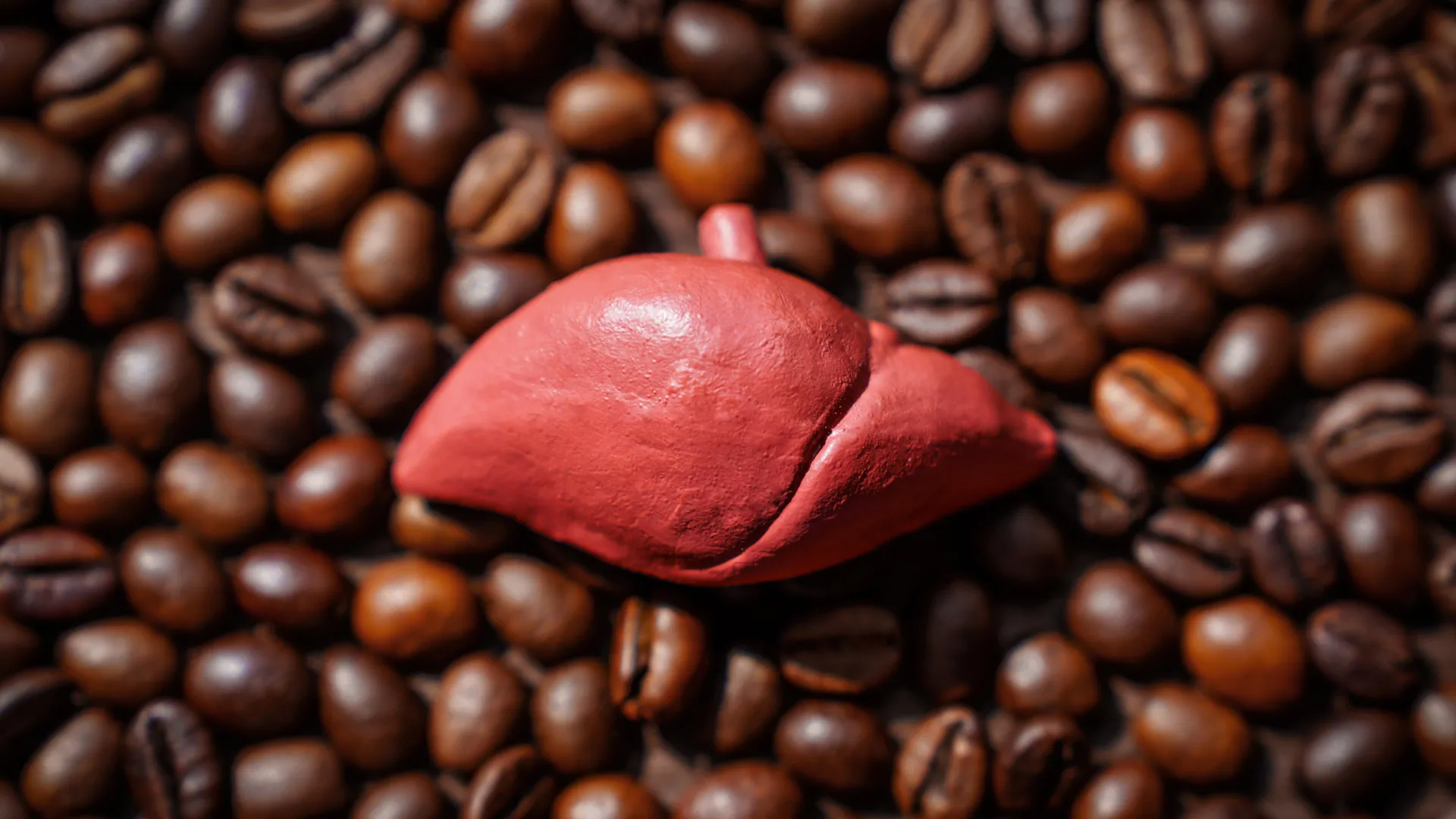
The global burden of chronic liver disease is a significant public health concern, contributing substantially to morbidity and mortality worldwide. Conditions ranging from fatty liver disease (steatosis) to advanced scarring (cirrhosis) and hepatocellular carcinoma (HCC) pose immense challenges to healthcare systems and individual well-being. In this context, a substantial and comprehensive investigation has brought forth compelling evidence suggesting a noteworthy association between regular coffee consumption and a reduced propensity for developing critical liver pathologies, including severe scarring, malignant growths, and fatalities linked to hepatic dysfunction.
This groundbreaking research, originating from Cedars-Sinai Health Sciences University, provides a deeper understanding of the potential protective attributes of coffee beyond mere anecdotal observations. Published in the esteemed journal Clinical Gastroenterology and Hepatology, the study not only substantiates previous indications of coffee’s beneficial effects on the liver but also delves into the underlying physiological mechanisms that might explain this observed relationship. Dr. Hyunseok Kim, an assistant professor of Medicine and a leading hepatologist at Cedars-Sinai, who served as the corresponding author for this publication, emphasized the expansive scope of this particular endeavor. He noted that while earlier investigations hinted at coffee’s positive impact on liver health, many were limited in scale or focused on isolated aspects. This latest study, however, adopted a more holistic approach, tracking an extensive cohort over an extended period and integrating diverse data points, from clinical outcomes to advanced imaging and molecular analyses. This multi-faceted methodology allowed the research team to construct a more robust narrative regarding coffee’s influence on liver vitality.
The foundation of this extensive inquiry was data meticulously gathered from nearly 355,000 adult participants enrolled in the UK Biobank, a vast biomedical database and research resource. Crucially, all individuals included in the analysis had no prior diagnosis of cirrhosis or liver cancer at the commencement of the study period. Leveraging the UK Biobank’s comprehensive linked medical records, the research team systematically monitored participants for the emergence of new cases of cirrhosis, liver cancer, and deaths directly attributable to liver conditions over an impressive median follow-up duration of thirteen years. This longitudinal design, coupled with the sheer volume of participants, lends considerable statistical power and credibility to the findings, allowing for the identification of meaningful long-term trends.
The results unequivocally demonstrated a more favorable hepatic health profile among individuals who regularly consumed coffee compared to their counterparts who abstained from the beverage. A particularly striking pattern emerged among participants with higher daily coffee intake. Those who reported consuming five or more cups each day exhibited a remarkable 32% lower probability of developing cirrhosis, a severe form of liver scarring that can lead to liver failure. Furthermore, this group experienced a 47% reduction in the risk of liver cancer, also known as hepatocellular carcinoma, and a 42% diminished likelihood of succumbing to liver-related mortality, all when contrasted with non-coffee drinkers. These figures underscore a substantial potential benefit associated with more frequent coffee consumption.
Beyond mere statistical correlations with disease incidence, the investigators meticulously explored the physical and molecular indicators of liver well-being. This involved a detailed examination of liver magnetic resonance imaging (MRI) scans and a comprehensive analysis of blood protein measurements. The insights garnered from these advanced diagnostic tools provided crucial biological substantiation for the epidemiological observations. Individuals with higher coffee intake were found to possess reduced levels of liver fat (hepatic steatosis), diminished excessive iron accumulation within the liver, lower degrees of fibrotic tissue development (scarring), and less liver inflammation, all discernible through MRI assessments. Complementing these imaging findings, their blood samples consistently revealed elevated concentrations of proteins indicative of robust liver function, alongside reduced levels of proteins associated with inflammatory processes and the formation of scar tissue. Collectively, these objective biological markers offer compelling evidence for the tangible physiological benefits of coffee consumption on liver health, moving beyond simple correlational data to suggest active mechanisms at play.
An intriguing aspect of the study’s findings was the observation that the positive associations between coffee consumption and improved liver outcomes were not exclusively tied to caffeinated varieties. Decaffeinated coffee also demonstrated similar protective trends, a revelation that strongly suggests caffeine itself may not be the sole, or even primary, bioactive compound responsible for these hepatic benefits. Coffee is a remarkably complex beverage, containing a rich tapestry of naturally occurring compounds, including various polyphenols, diterpenes (such as cafestol and kahweol), chlorogenic acids, and melanoidins. Many of these phytochemicals are renowned for their potent antioxidant and anti-inflammatory properties, and they are known to influence a multitude of biological pathways. It is plausible that these non-caffeine constituents interact with various cellular processes involved in the development and progression of liver disease, such as oxidative stress, inflammation, and fibrogenesis, thereby contributing to the observed protective effects. This opens avenues for future research to precisely identify which of these myriad compounds are the key players in safeguarding liver health.
Despite the compelling nature of these findings, it is imperative to contextualize them within the framework of scientific methodology. The Cedars-Sinai study, like many large-scale epidemiological investigations, was observational in design. This means it meticulously identified associations and correlations between coffee consumption and liver health outcomes but cannot definitively establish a direct cause-and-effect relationship. While the evidence strongly suggests a protective role, it does not prove that coffee consumption directly prevents cirrhosis, liver cancer, or liver-related mortality. The researchers judiciously highlighted this limitation, emphasizing that numerous other lifestyle factors, genetic predispositions, and environmental influences can also impact liver health, and these cannot always be fully accounted for in observational studies.
Furthermore, the research team strongly cautioned against viewing coffee as a standalone panacea for liver ailments. Instead, they underscored that regular coffee intake, for those who already enjoy and tolerate it well, should be considered a complement to, rather not a replacement for, established and evidence-based strategies for maintaining optimal liver health. These foundational preventive measures remain paramount and include sustaining a healthy body weight, which is critical in mitigating the risk of non-alcoholic fatty liver disease (NAFLD), a burgeoning global epidemic. Other crucial practices involve judiciously limiting alcohol consumption to prevent alcoholic liver disease, engaging in regular physical activity, and effectively managing chronic conditions such as elevated blood sugar (diabetes), high blood pressure (hypertension), and dyslipidemia (unhealthy cholesterol levels), all of which are significant risk factors for liver disease progression. Dr. Ju Dong Yang, the medical director of the Liver Cancer Program at Cedars-Sinai and a senior author of the study, reiterated this balanced perspective, stating that while the findings support moderate coffee consumption, individuals should not initiate coffee drinking solely for liver protection based on this study alone.
It is also vital to acknowledge that coffee, particularly its caffeine content, may not be universally suitable for all individuals. Certain pre-existing health conditions necessitate caution or complete avoidance of caffeine. These include uncontrolled hypertension, specific cardiac arrhythmia disorders, severe anxiety conditions, chronic insomnia, and other medical situations where caffeine intake is medically restricted. Individuals with such conditions, or those contemplating a significant increase in their coffee consumption, are strongly advised to consult with their healthcare provider to ensure it aligns with their overall health profile and treatment plans. Personalized medical advice remains the cornerstone of responsible health management.
Looking ahead, the scientific community recognizes the imperative to delve deeper into the specific mechanisms and compounds responsible for coffee’s observed hepatic benefits. Dr. Shelly Lu, who holds the Women’s Guild Chair in Gastroenterology and directs the Karsh Division of Gastroenterology and Hepatology at Cedars-Sinai, articulated the next frontier of this research. She emphasized the critical need to identify the precise bioactive constituents within coffee that confer these liver-protective effects. The current findings provide valuable clues, pointing towards biological pathways involving inflammation and tissue scarring as key areas of interaction. By pinpointing the specific molecular targets and biochemical cascades influenced by coffee’s compounds, future research can unlock a more profound understanding of how this widely consumed beverage impacts liver physiology. This knowledge could eventually lead to the development of novel therapeutic strategies or more refined dietary recommendations tailored to specific patient populations, ultimately enhancing our capacity to prevent and manage severe hepatic ailments.
About the Author