A recent comprehensive investigation published in the esteemed medical journal Neurology has cast a spotlight on the potential long-term implications of consuming commonly utilized low- and no-calorie sweeteners, suggesting a possible association with more rapid deterioration in memory and cognitive functions over time. This extensive research project meticulously followed a significant cohort of adults, examining their consumption patterns of seven popular sweeteners that offer minimal to no caloric content. The findings indicate that individuals reporting the highest overall intake of these substances exhibited a more pronounced decline in their mental acuity compared to those with the lowest consumption levels, with this correlation appearing particularly pronounced among individuals managing diabetes.
It is crucial to emphasize that the study’s design, while illuminating, does not definitively establish a causal relationship between sweetener consumption and cognitive decline. Instead, it highlights an observed association, a correlation that could potentially be influenced by a myriad of other underlying factors that warrant further exploration. This distinction is fundamental in interpreting the results, underscoring the complexity of human health and the multifaceted nature of cognitive function.
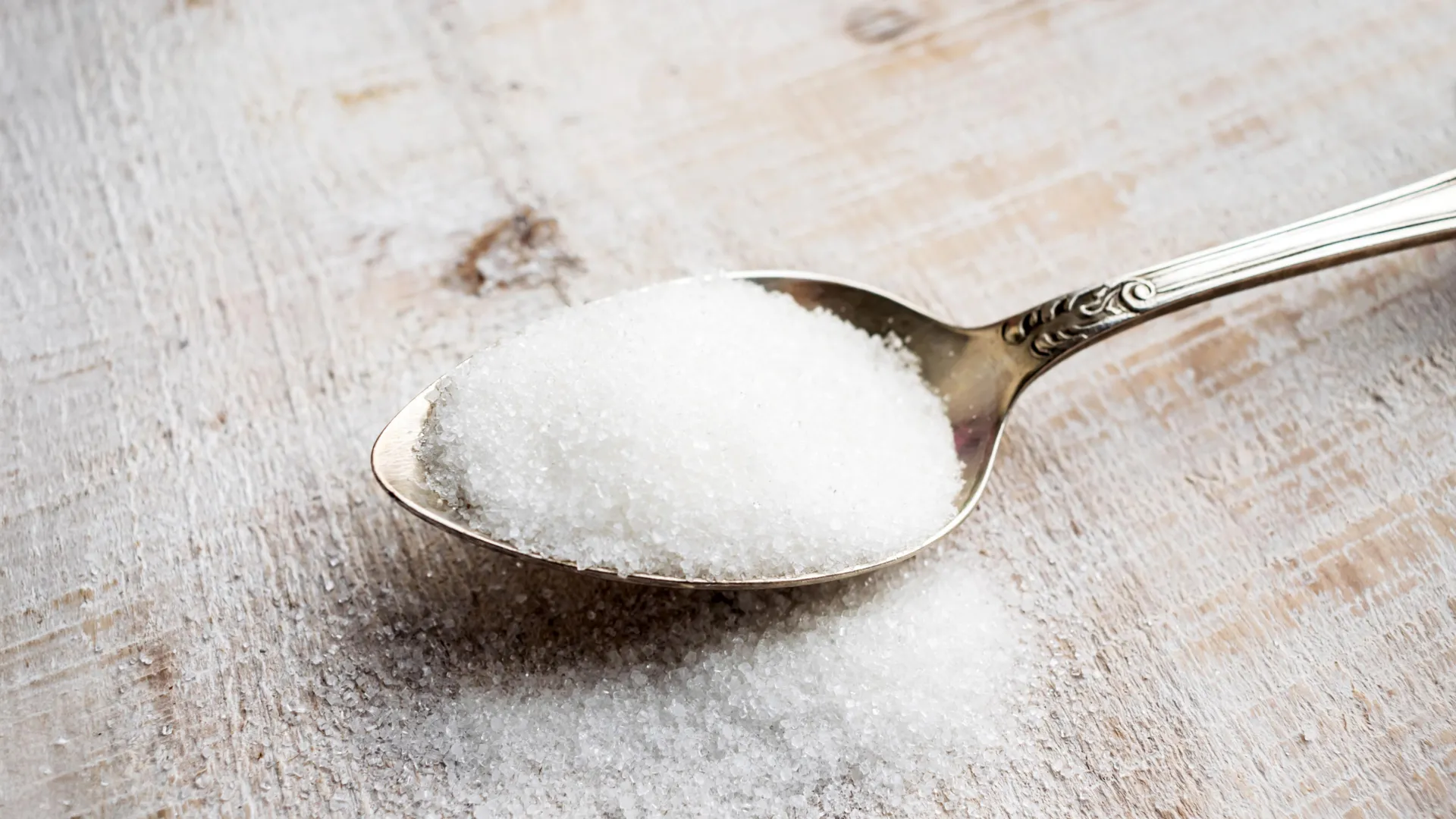
The meticulous research design involved a detailed analysis of seven specific sweeteners: aspartame, saccharin, acesulfame potassium (often abbreviated as acesulfame K), erythritol, xylitol, sorbitol, and tagatose. These ingredients are pervasive in modern food landscapes, frequently incorporated into a wide array of ultra-processed products. Consumers encounter them in items such as artificially flavored beverages, diet sodas, energy drinks, yogurts marketed for their low-calorie profiles, and a variety of desserts. Beyond their inclusion in manufactured goods, many of these sweeteners are also readily available as standalone products, offering individuals the convenience of adjusting sweetness in their personal beverages, culinary endeavors, and baking projects.
Dr. Claudia Kimie Suemoto, a lead author of the study affiliated with the University of São Paulo in Brazil, articulated the nuanced implications of their findings. She noted that while low- and no-calorie sweeteners are often perceived as a healthier alternative to traditional sugar, the research suggests that certain varieties might, over extended periods, exert adverse effects on the brain’s health. This perspective encourages a more critical evaluation of these widely adopted dietary components.
The foundation of this research rests upon the detailed tracking of brain health metrics for an eight-year duration, involving a substantial cohort of 12,772 adults residing in Brazil. The participants, with an average age of 52 at the study’s commencement, were subjected to ongoing observation throughout this significant time frame. At the outset of the investigation, each participant furnished comprehensive dietary questionnaires. These instruments were designed to meticulously capture detailed accounts of their food and beverage consumption during the preceding year. Following this data collection, researchers meticulously categorized participants into three distinct groups based on their total reported intake of sweeteners.
The quantitative distinctions between these groups were significant. Individuals classified within the lowest consumption tier reported an average daily intake of approximately 20 milligrams (mg/day). In stark contrast, those in the highest consumption bracket averaged a considerably higher 191 mg/day. To provide a relatable context, the daily amount of aspartame consumed by individuals in the highest intake group was roughly equivalent to the quantity found in a single can of diet soda, illustrating the everyday nature of such consumption. Among the individual sweeteners analyzed, sorbitol emerged as the most frequently consumed, with an average daily intake of 64 mg/day across the participant pool.
To quantitatively assess cognitive function, participants underwent a series of standardized cognitive assessments administered at three key junctures: at the beginning of the study, at its midpoint, and upon its conclusion. These evaluations were designed to probe various facets of brain performance, encompassing domains such as verbal fluency, the capacity for working memory, the ability to recall words accurately, and the speed at which individuals could process information.
Verbal fluency, a critical measure of cognitive agility, refers to an individual’s capacity to swiftly access and articulate words in response to prompts. Working memory, a fundamental component of executive function, represents the brain’s transient system for holding and actively manipulating information necessary for ongoing cognitive tasks. Processing speed, another vital cognitive domain, quantifies the efficiency with which a person can comprehend incoming information and formulate an appropriate response.
Upon statistical analysis, and after carefully controlling for a range of demographic and health-related variables—including age, sex, the presence of high blood pressure, cardiovascular disease, and other pertinent factors—a discernible disparity emerged between the various sweetener intake groups. The data revealed that individuals who consumed the highest quantities of sweeteners experienced a notably accelerated decline in their overall cognitive abilities and memory retention, showing a 62% faster rate of deterioration compared to those with the lowest consumption levels. The researchers projected that this magnitude of difference was statistically comparable to an additional 1.6 years of cognitive aging. Furthermore, participants in the middle consumption group demonstrated a decline rate that was 35% faster than that observed in the lowest intake group, a difference estimated to be equivalent to approximately 1.3 years of accelerated aging.
Intriguingly, the study also identified age as a modulating factor in these observed associations. Among participants under the age of 60, those who reported the highest sweetener consumption exhibited a more pronounced decline in both verbal fluency and overall cognitive performance when contrasted with their counterparts who consumed the least amount of these sweeteners. Conversely, this specific association did not appear to hold true for participants aged 60 and above.
The correlation between higher sweetener intake and a more rapid pace of cognitive decline was also demonstrably stronger among individuals diagnosed with diabetes. This finding is particularly significant given that individuals managing diabetes are often advised to limit their intake of products that can rapidly elevate blood sugar levels, leading them to potentially seek out and utilize sugar substitutes more frequently.
When the researchers delved into the individual effects of each sweetener, a pattern emerged: six of the seven examined sweeteners were found to be associated with accelerated declines in overall cognitive function, with a particular emphasis on memory-related abilities. These six sweeteners included aspartame, saccharin, acesulfame K, erythritol, sorbitol, and xylitol. Tagatose was the sole sweetener included in this study that did not exhibit a statistically significant link to cognitive decline.
Dr. Suemoto further elaborated on the implications for specific demographics, stating, "While we observed links to cognitive decline for middle-aged individuals, encompassing both those with and without diabetes, it’s noteworthy that individuals with diabetes are more inclined to use artificial sweeteners as sugar substitutes." She underscored the necessity for further research to validate these findings and to explore whether alternative, less refined sugar substitutes, such as applesauce, honey, maple syrup, or coconut sugar, might represent more beneficial dietary choices.
It is imperative to acknowledge the inherent limitations of this research. The study did not encompass the entire spectrum of artificial sweeteners currently available and utilized in food and beverage products, meaning its conclusions cannot be generalized to all sugar substitutes. Moreover, the dietary information relied upon participant self-reporting. This method, while common in large-scale studies, is inherently susceptible to recall bias and potential inaccuracies in estimating consumption quantities.
Most critically, the study’s observational nature means it identified a relationship—a correlation—between higher sweetener consumption and a faster rate of cognitive decline. However, it is fundamentally incapable of establishing that the sweeteners themselves were the direct cause of these observed cognitive changes. Further research, potentially employing different methodologies, is required to elucidate any causal mechanisms.
The research was generously supported by grants from the Brazilian Ministry of Health, the Ministry of Science, Technology, and Innovation, and the National Council for Scientific and Technological Development, underscoring a commitment to advancing public health knowledge.
About the Author