A groundbreaking investigation has illuminated a novel biological mechanism through which the widely acclaimed Mediterranean dietary pattern may influence the aging process, centering on the activation of minute protein fragments produced within cellular powerhouses, known as mitochondria. Researchers at the USC Leonard Davis School of Gerontology have identified these microscopic molecules as potential key players in the protective effects of this traditional way of eating on both cardiovascular and neurological health. While mitochondria are primarily recognized for their energy-generating functions, scientific understanding has evolved to acknowledge their critical role in secreting signaling molecules that orchestrate a complex interplay of metabolic regulation, inflammatory responses, cellular stress management, and the fundamental trajectory of aging.
The study’s findings revealed a distinct correlation between a closer adherence to the Mediterranean diet and elevated concentrations of two specific mitochondrial microproteins in the bloodstream of older adults: humanin and SHMOOSE. These previously identified molecules have garnered attention for their demonstrated capacity to confer protection against the progression of cardiovascular ailments and neurodegenerative conditions, such as the gradual decline in neuronal function characteristic of Alzheimer’s disease. Dr. Roberto Vicinanza, an instructional associate professor of gerontology at the USC Leonard Davis School and lead author of the research, posited that these microproteins might function as sophisticated molecular couriers, translating dietary intake into tangible effects on cellular operations and the intrinsic aging clock. This revelation proposes a previously unrecognized biological conduit that could elucidate the profound health benefits associated with the Mediterranean lifestyle.
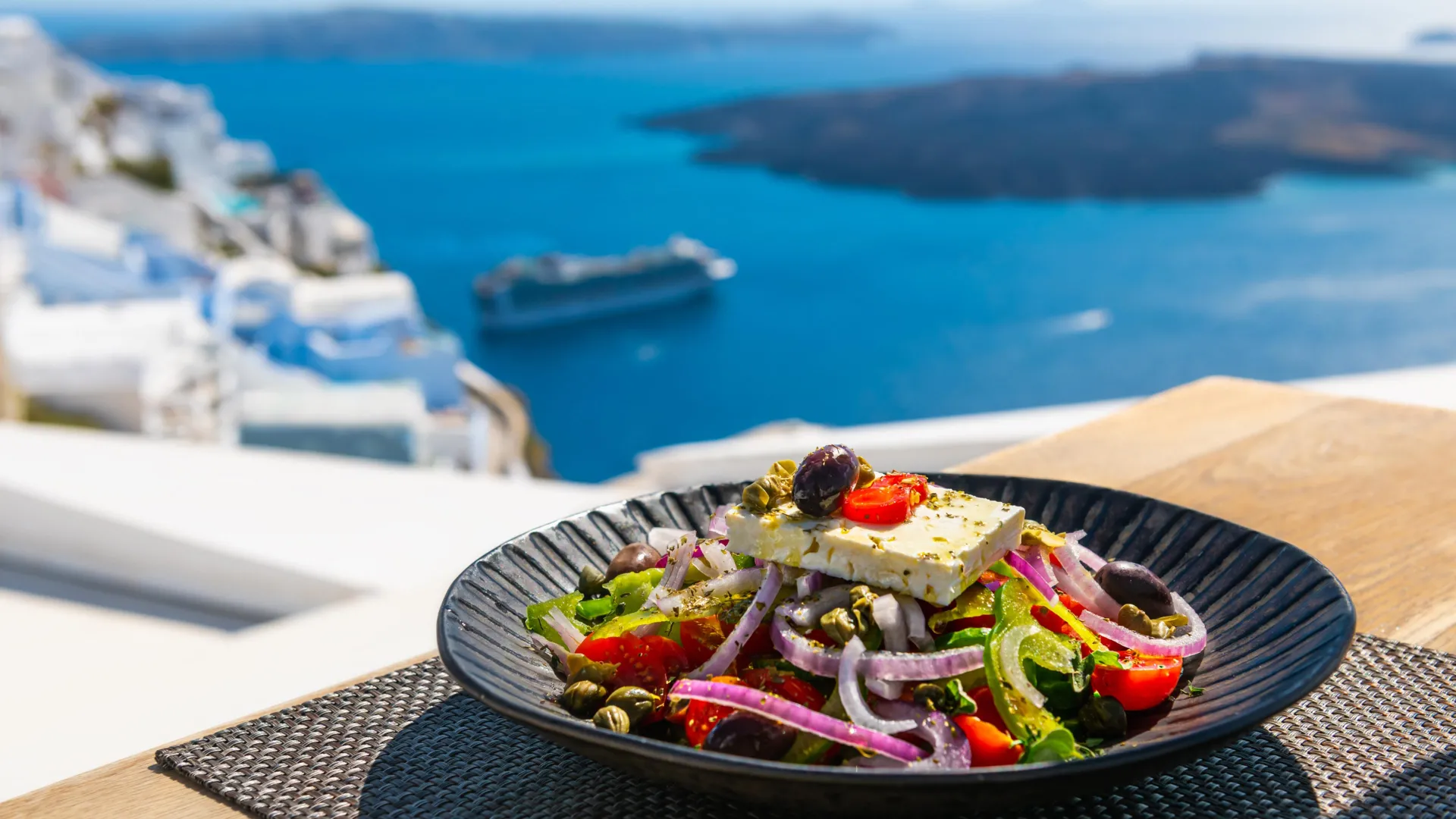
The Mediterranean diet, a cornerstone of healthy eating for millennia, is characterized by its emphasis on nutrient-rich, minimally processed foods. Its core components include abundant use of olive oil, a rich source of monounsaturated fats and antioxidants, alongside generous servings of fish, which provides omega-3 fatty acids crucial for brain and heart health. Legumes, fruits, vegetables, and whole grains form the foundation of this dietary regimen, contributing essential fiber, vitamins, and minerals. Conversely, the diet generally advocates for the limitation of refined carbohydrates, such as white bread and sugary pastries, heavily processed products laden with artificial additives, and foods high in added sugars, which can contribute to inflammation and metabolic dysregulation.
For decades, epidemiological and clinical studies have consistently linked this eating pattern to a significantly reduced risk of developing chronic diseases, including cardiovascular disease, type 2 diabetes, and age-related cognitive impairment, as well as a lower likelihood of premature mortality. However, the precise cellular and molecular mechanisms underpinning these observed health advantages have remained an active area of scientific inquiry. This latest research sought to bridge that gap by meticulously examining blood samples from older individuals whose dietary habits varied in their degree of adherence to the Mediterranean diet. The analysis demonstrated a clear dose-response relationship, with participants exhibiting the strongest commitment to the dietary principles showing markedly higher levels of both humanin and SHMOOSE.
Furthermore, individuals with greater adherence to the Mediterranean diet also presented with diminished markers of oxidative stress. Oxidative stress is a cellular state of imbalance that arises when the body’s antioxidant defense mechanisms are overwhelmed by an excess of unstable molecules known as reactive oxygen species (ROS). These rogue molecules can inflict damage upon cellular components, including proteins, lipids, and DNA, contributing to the aging process and serving as a common denominator in the pathogenesis of numerous chronic diseases. The reduction in oxidative stress indicators observed in this cohort suggests a protective role for the Mediterranean diet at a fundamental cellular level.
Delving deeper into the specific dietary components, the study’s findings pointed towards differential contributions of individual foods within the Mediterranean diet to mitochondrial well-being. A higher intake of olive oil, fish, and legumes was specifically associated with increased circulating levels of humanin. Simultaneously, the consumption of olive oil and a reduced intake of refined carbohydrates were independently linked to elevated concentrations of SHMOOSE. Refined carbohydrates, often stripped of their natural fiber and micronutrients during processing, are rapidly digested, leading to pronounced spikes in blood glucose levels, which can have systemic inflammatory consequences.
Dr. Pinchas Cohen, Dean of the USC Leonard Davis School and a distinguished professor, who served as the senior author of the study, remarked that these findings strongly suggest a direct impact of specific elements of the Mediterranean diet on mitochondrial biology. He further proposed that humanin and SHMOOSE could potentially serve as valuable biomarkers for assessing an individual’s adherence to the Mediterranean diet, holding significant clinical implications. A biomarker is a quantifiable biological indicator that can provide insights into a person’s health status, the presence or progression of a disease, or the body’s response to an intervention or lifestyle change. In this context, these two microproteins could offer researchers an objective means to gauge the efficacy of the Mediterranean eating pattern on a cellular level within an individual.
This research builds upon more than two decades of pioneering work led by Dr. Cohen, who was instrumental in the discovery of peptides originating from mitochondria. While the vast majority of human proteins are synthesized based on genetic instructions encoded within the DNA housed in the cell’s nucleus, mitochondria possess their own distinct, albeit small, genome. This mitochondrial DNA, inherited independently from nuclear DNA, contains the blueprints for a select group of molecules, including the microproteins of interest. Humanin and SHMOOSE are transcribed from short sequences within the mitochondrial genome known as small open reading frames (sORFs). These regions were historically considered to be non-coding or of minimal functional significance, but contemporary research has revealed that a subset of these sORFs actively produce biologically active microproteins.
Humanin stands as one of the most extensively studied of these mitochondrial-derived peptides. First identified by Dr. Cohen and his colleagues in 2003, subsequent investigations have linked humanin to a range of beneficial effects, including improved insulin sensitivity, enhanced cardiovascular protection, increased lifespan, and the preservation of cognitive function. More recently, Dr. Cohen’s laboratory identified SHMOOSE (Small Human Mitochondrial ORF Over SErine tRNA), a microprotein with demonstrated associations with brain health. Intriguingly, one genetic variant of SHMOOSE has been implicated in an increased risk of Alzheimer’s disease, while the standard form appears to play a protective role, helping to shield neurons from damage associated with amyloid beta protein accumulation. Amyloid, a protein that can aggregate abnormally in the brain, forming plaques, is a hallmark pathological feature of Alzheimer’s disease. Dr. Cohen emphasized that these peptides are emerging as critical regulators of aging biology, bridging the gap between mitochondrial function and diseases such as Alzheimer’s and heart disease, and now, potentially, dietary influences.
The study also uncovered a compelling potential connection between humanin and Nox2, an enzyme involved in the generation of reactive oxygen species. While ROS play essential physiological roles in cellular signaling and immune responses, an overproduction can lead to tissue damage and exacerbate oxidative stress. The research observed that higher levels of humanin were associated with reduced Nox2 activity, suggesting that humanin may act to mitigate oxidative damage, thereby conferring an additional layer of protection to the heart and vascular system. This observation leads the researchers to propose a dual mechanism by which the Mediterranean diet may safeguard the cardiovascular system: by directly diminishing oxidative stress and concurrently upregulating mitochondrial microproteins that help to suppress detrimental cellular pathways. Dr. Vicinanza described this as a potential novel cardioprotective mechanism attributed to the Mediterranean diet.
Beyond the laboratory, Dr. Vicinanza has actively championed the Mediterranean diet as a model not only for health but also for cultural heritage and environmental sustainability. His collaborations include work with the Municipality of Pollica in Italy, a community recognized by UNESCO for its embodiment of the Mediterranean Diet. This partnership has supported the establishment of the International Day of the Mediterranean Diet at the United Nations, observed annually on November 16th, aiming to elevate global awareness of the diet’s profound health, cultural, and ecological significance. Dr. Vicinanza articulated how this mission resonates with the broader implications of the current findings, stating that the research connects ancient dietary traditions with cutting-edge molecular biology, reinforcing the notion that historically established eating patterns, characterized by minimal ultra-processed foods, align with human biology’s long-evolved adaptations. Mitochondria, themselves considered ancient organelles due to their evolutionary origins from symbiotic bacteria over a billion years ago, may be particularly well-suited to the biochemical environment fostered by such traditional diets.
While this study provides compelling insights, it is important to acknowledge its observational nature and relatively small sample size. Consequently, it identifies associations between dietary habits and microprotein levels but cannot definitively establish a causal link. Numerous confounding factors, including physical activity levels, general health status, medication use, genetic predispositions, and other lifestyle choices, could also influence the observed results. Nevertheless, these findings represent a significant stride toward the burgeoning field of precision nutrition. This personalized approach to dietary guidance seeks to leverage individual biological data, including genetic makeup, metabolic profiles, and other unique characteristics, to craft dietary recommendations that are tailored to the individual, moving beyond generic nutritional advice.
In the future, humanin, SHMOOSE, and related mitochondrial microproteins may serve as critical tools for scientists to ascertain which dietary interventions yield beneficial cellular effects in specific individuals. Subsequent research will be crucial in verifying whether modifying dietary patterns can directly elevate levels of these peptides and whether such increases translate into a measurable reduction in disease risk. Dr. Vicinanza articulated the ultimate objective: to transition from identifying correlations to understanding the underlying causal relationships. If these molecular pathways can be effectively harnessed, the potential exists to develop nutritional strategies that promote healthy aging at the most fundamental molecular level.
The study, titled "Mediterranean diet adherence is associated with mitochondrial microproteins Humanin and SHMOOSE; potential role of the Humanin-Nox2 interaction in cardioprotection," was published on March 9, 2026, in the journal Frontiers in Nutrition. Key coauthors included Junxiang Wan and Kelvin Yen from the USC Leonard Davis School, as well as Vittoria Cammisotto, Francesco Violi, and Pasquale Pignatelli from Sapienza University of Rome. The research was supported by funding from the USC Daryl and Irwin Simon Nutrition for Alzheimer’s Disease Prevention Research Fund and the Hanson-Thorell Family Research Award, both awarded to Dr. Vicinanza. Additional support was provided by National Institutes of Health grant P30AG094848 to Dr. Cohen and PRIN 2022 grant 000031_23_PP_PIGNATELLI_PRIN_2022-B53D23021240006 to Dr. Pignatelli.
About the Author