As individuals navigate the landscape of life beyond fifty, maintaining a robust and defined midsection often emerges as a significant wellness goal. The desire for a firm waistline is not merely aesthetic; it frequently intertwines with aspirations for improved posture, enhanced functional strength, and overall vitality. While historical and even contemporary trends have occasionally touted quick-fix solutions like corsets for achieving a cinched silhouette, the scientific consensus firmly points towards a more sustainable and health-centric pathway: targeted, consistent core strengthening exercises. This approach not only sculpts the physique but fundamentally bolsters the body’s structural integrity, offering benefits far surpassing the temporary compression of external garments.
Understanding why the midsection undergoes changes after the age of fifty is crucial for adopting an effective strategy. Jacob Siwicki, a highly credentialed fitness expert, NCSF and AFAA certified, founder and head coach of Siwicki Fitness, and recognized as a top personal trainer, sheds light on these physiological shifts. "The waistline often changes after 50 because several things can happen at once," Siwicki explains. "People gradually lose muscle, move less, and burn fewer calories through daily activity. Hormonal changes can also affect where the body is more likely to store fat. For many people, more of it starts showing up around the midsection." This age-related decline in muscle mass, scientifically termed sarcopenia, contributes to a slower metabolism, making it easier to accumulate adipose tissue, particularly around the abdominal area. Concurrently, a reduction in daily physical activity further exacerbates this metabolic slowdown, diminishing caloric expenditure and weakening core musculature that is crucial for maintaining a taut abdomen.
Hormonal fluctuations play a particularly prominent role, especially for women experiencing menopause. The decline in estrogen levels often leads to a redistribution of fat from the hips and thighs to the abdomen, increasing visceral fat—the metabolically active fat stored deep within the abdominal cavity. Men also experience age-related hormonal shifts, including a gradual decrease in testosterone, which can similarly influence body composition and fat storage patterns. Beyond these internal shifts, postural changes frequently contribute to a less defined waist. Siwicki notes, "Posture plays a role, too. When the glutes and deep core weaken, the pelvis can tip forward and the stomach can look more pronounced even without a huge change in body fat." This anterior pelvic tilt creates the illusion of a protruding belly, irrespective of significant weight gain, underscoring the critical interplay between core strength, glute activation, and spinal alignment.
In stark contrast to the holistic benefits of exercise, the appeal of corsets as a waist-slimming tool is largely superficial and potentially detrimental. Historically, corsets were employed to dramatically alter body shape, but their mechanism relies on external compression rather than internal strengthening. Modern "waist trainers" operate on a similar principle, promising an hourglass figure through continuous constriction. However, this method offers no lasting physiological change to the underlying musculature. Instead, by offloading the work of the abdominal muscles, corsets can paradoxically lead to their weakening over time. Furthermore, wearing constrictive garments can impede proper breathing, reduce core muscle engagement, restrict circulation, and even potentially displace internal organs, posing significant health risks without providing any genuine strength or postural improvement. The visible "results" vanish the moment the garment is removed, leaving the wearer no closer to a truly firm and functional core.
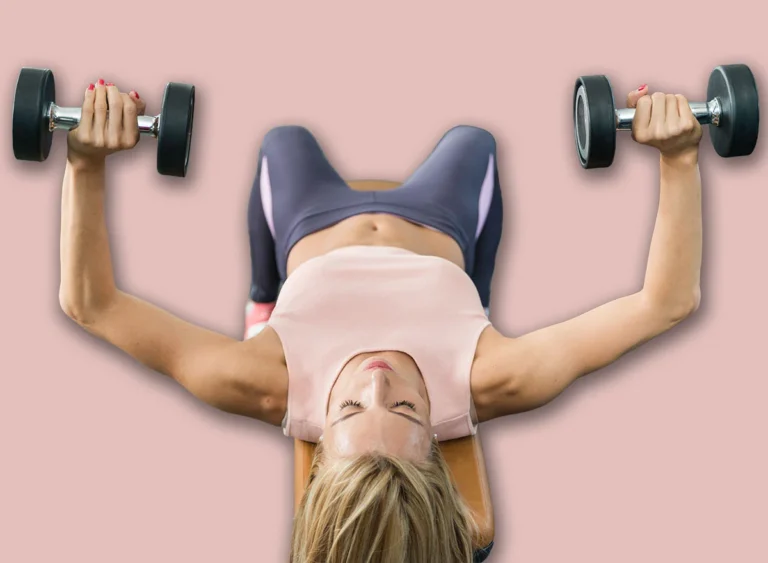
Siwicki champions strength training as the superior, sustainable alternative. "Strength training cannot control every hormonal change, but it can rebuild muscle, improve posture, keep people active, and make maintaining a healthy body composition much easier," he asserts. This approach targets the fundamental causes of waistline changes, promoting muscle synthesis, boosting metabolism, improving spinal support, and fostering a more active lifestyle. The key lies in selecting exercises that comprehensively engage the core, moving beyond simplistic abdominal crunches to incorporate movements that challenge the core’s multifaceted roles. These roles include controlling rotation, stabilizing the spine against external forces, resisting side bending, and effectively connecting the upper and lower body in dynamic movements. Siwicki emphasizes, "You do not need to crank out hundreds of side bends or wrap yourself into a corset workout. A few controlled sets of these four will train the waist more completely."
Here are four expert-recommended daily exercises that transcend the limitations of corset workouts, offering a robust pathway to a stronger, firmer waistline after 50:
1. Suitcase Carry: The Foundation of Anti-Lateral Flexion
The Suitcase Carry is a deceptively simple yet profoundly effective exercise for developing robust core stability and resisting unwanted side bending, a crucial function often termed "anti-lateral flexion." This movement simulates the everyday action of carrying a heavy bag, but by intentionally loading only one side of the body, it forces the deep core muscles, particularly the obliques and quadratus lumborum, to work intensely to keep the torso upright and stable.
- Execution: Begin by holding a moderately heavy dumbbell or kettlebell in one hand, allowing it to hang naturally by your side. Stand tall with your shoulders pulled back and down, engaging your core as if bracing for a punch. Your gaze should be straight ahead. Walk slowly and deliberately for a set distance (e.g., 20-30 yards) or time (e.g., 30-60 seconds), focusing on preventing your torso from leaning towards the weighted side. Maintain a neutral spine and resist any urge to compensate by hiking your hip or leaning away.
- Benefits: This exercise directly strengthens the lateral core musculature, which is essential for spinal health, improved posture, and preventing lower back pain. It also enhances grip strength and shoulder stability, making daily tasks like carrying groceries or luggage significantly easier and safer. The constant engagement of the core under load builds intrinsic strength that translates directly into a more stable and firmer midsection.
- Progression/Regression: Start with a lighter weight and shorter distances. As strength improves, gradually increase the weight or the duration of the carry.
2. Standing Woodchops: Harnessing Rotational Power and Control
The Standing Woodchop is a dynamic, full-body movement that excels at training the core’s ability to control and generate rotational force, a vital component of athletic performance and functional movement. This exercise actively engages the oblique muscles, which are key for shaping the waist, along with the shoulders, hips, and glutes.
- Execution: Utilizing a cable machine with a D-handle attachment, position yourself side-on to the machine. Set the pulley to a high position. Grasp the handle with both hands, extending your arms towards the machine. With a slight bend in your knees and a stable base, initiate the movement by rotating your torso and hips downwards and across your body, pulling the cable handle towards your opposite knee. The power should originate from your core and hips, not just your arms. Maintain control throughout the movement, slowly returning to the starting position.
- Benefits: Woodchops not only strengthen the obliques but also improve coordination, flexibility, and power. They teach the core how to effectively transfer force between the upper and lower body, crucial for everyday activities like twisting, lifting, and sports. The controlled, diagonal movement effectively targets the entire abdominal wall, contributing to a more sculpted waistline.
- Progression/Regression: Adjust the cable weight for appropriate resistance. If a cable machine is unavailable, resistance bands anchored to a sturdy object can be used. Focus on slow, controlled movements to maximize muscle engagement.
3. Dead Bugs: Mastering Anti-Extension Stability
The Dead Bug is a foundational core exercise that emphasizes anti-extension, meaning it trains the core to resist the arching of the lower back. This movement is excellent for developing deep abdominal control and spinal stability, making it particularly beneficial for individuals over 50 who may experience lower back discomfort or seek to improve their core connection without placing strain on the spine.
- Execution: Lie on your back with your knees bent at a 90-degree angle directly over your hips and your shins parallel to the floor. Extend your arms straight up towards the ceiling. Press your lower back firmly into the floor, ensuring there’s no gap. Slowly extend one leg towards the floor while simultaneously lowering the opposite arm overhead, keeping both just above the ground. Maintain a perfectly still torso and ensure your lower back remains pressed into the mat. Exhale as you extend, inhale as you return to the starting position. Alternate sides.
- Benefits: This exercise specifically targets the transverse abdominis, the deepest abdominal muscle, which acts like a natural corset to stabilize the lumbar spine. By challenging the body’s ability to maintain a neutral spine under load, Dead Bugs significantly improve core control, protect the lower back, and enhance proprioception (body awareness). It’s a superb exercise for establishing a strong mind-muscle connection with the deep core.
- Progression/Regression: For beginners, start by extending only one limb at a time (e.g., just a leg, then just an arm). For advanced users, add light ankle or wrist weights, or extend limbs further from the body while maintaining perfect form.
4. Side Plank From the Knees: Bolstering Lateral Support
The Side Plank From the Knees is an accessible yet powerful exercise for strengthening the lateral core muscles, particularly the obliques and quadratus lumborum, and improving shoulder stability. It effectively trains the core to resist side bending (anti-lateral flexion) while being gentler on the wrist and shoulder joints compared to a full side plank, making it ideal for many individuals over 50.
- Execution: Lie on your side with your body in a straight line, supported by your bottom forearm and your knees bent at 90 degrees. Ensure your elbow is directly beneath your shoulder. Engage your core and glutes, then lift your hips off the floor until your body forms a straight line from your head through your hips to your knees. Avoid letting your hips sag or hike up too high. Hold this position, breathing steadily, for a prescribed duration (e.g., 20-45 seconds) before carefully lowering down and repeating on the other side.
- Benefits: This exercise directly strengthens the muscles responsible for stabilizing the spine laterally, which is crucial for preventing imbalances and improving overall posture. It also engages the glute medius, an important hip stabilizer, contributing to better balance and gait. By building strength in these supporting muscles, the Side Plank From the Knees helps to define the waistline and provide robust support for the entire trunk.
- Progression/Regression: To make it easier, you can keep your top hand on the floor for additional support. To progress, gradually increase the hold time, or transition to a full side plank with legs extended. Adding small hip dips during the hold can also increase the challenge.
Implementing these four exercises consistently, alongside a balanced nutritional approach, forms the cornerstone of a comprehensive strategy for achieving and maintaining a strong, firm waistline after 50. While these movements are highly effective, consistency remains paramount. Integrating them into a daily or near-daily routine, even for short durations, will yield far greater long-term benefits than sporadic, intense sessions or reliance on external compression. Furthermore, as with any exercise program, listening to your body, prioritizing proper form over sheer intensity, and consulting with a healthcare professional or certified trainer, particularly if you have pre-existing conditions, ensures safety and optimizes results. Embracing this holistic and science-backed approach empowers individuals to not only sculpt their physique but also enhance their functional health and quality of life for years to come, truly transforming the midlife core.
About the Author