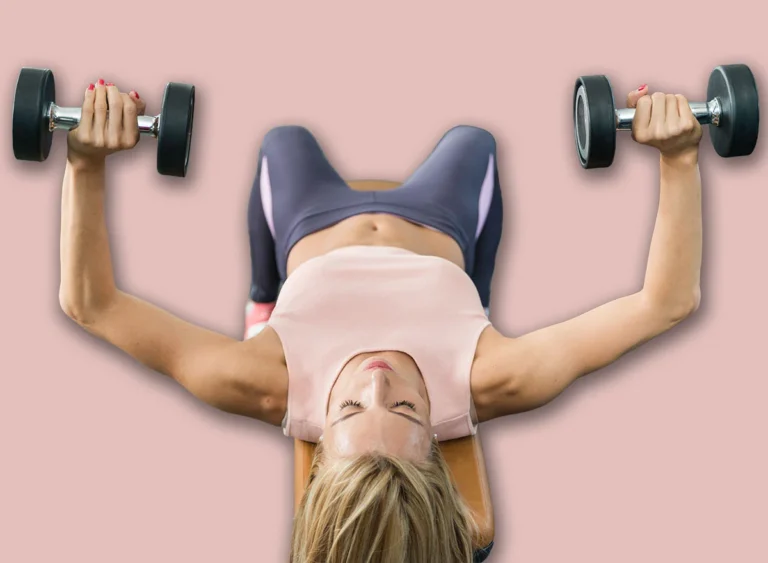
As individuals progress through their fifth decade and beyond, many encounter noticeable changes in their physical composition, particularly concerning the upper arms. The familiar concern of diminishing muscle tone and elasticity, often colloquially referred to as "sagging arms," becomes a common point of focus. While the instinct for many might be to reach for heavier free weights in pursuit of firmer musculature, an emerging consensus among fitness professionals suggests that a more nuanced approach, emphasizing bodyweight and resistance band exercises, can yield superior and more sustainable results for adults over 55. This method prioritizes joint health, encourages precise technique, and fosters consistent engagement, offering a powerful pathway to restoring strength, definition, and functional capability without the undue stress associated with high-impact or excessively heavy lifting.
The physiological transformations underpinning these changes in upper arm appearance are complex and multifaceted. Primarily, the phenomenon known as sarcopenia, the age-related loss of muscle mass and strength, begins to accelerate significantly after the age of 50. This gradual decline affects all skeletal muscles, including those in the arms, leading to a reduction in muscle volume and a softer appearance. Concurrently, the body’s production of collagen, the primary structural protein responsible for skin elasticity and firmness, also decreases. This dual impact—less muscle to fill the skin and less elastic skin—contributes to the less taut, sometimes "wavy" appearance observed on the backs of the upper arms. Understanding these biological realities is crucial for adopting an exercise strategy that not only targets muscle growth but also respects the body’s changing capacity and recovery needs.
For decades, the conventional wisdom in strength training has often revolved around the principle of progressive overload, typically interpreted as consistently increasing the amount of weight lifted. While this remains a fundamental principle for muscle hypertrophy, its application needs careful reconsideration for individuals over 55. Joints, cartilage, and connective tissues naturally undergo wear and tear over time, making them more susceptible to injury from heavy loads. Furthermore, many people new or returning to exercise may lack the foundational strength and neuromuscular control to execute complex movements with heavy weights safely and effectively. This is where bodyweight exercises and resistance bands offer a compelling alternative. They provide a spectrum of resistance that can be easily adjusted, allowing for meticulous attention to form and controlled movement patterns. This focus on quality over sheer quantity of weight significantly reduces the risk of injury, promotes faster recovery, and enables more frequent training sessions—a critical factor for consistent progress.
Moreover, true upper arm definition and functional strength extend far beyond the biceps. While biceps curls are popular, the triceps brachii muscle group, located on the back of the upper arm, actually constitutes approximately two-thirds of the arm’s total muscle mass. Neglecting the triceps, along with the shoulders, chest, and upper back, results in an imbalanced physique and limits overall strength. A holistic upper body training regimen is essential, not just for aesthetics, but for enhancing everyday movements. Think about pushing open a heavy door, carrying groceries, lifting objects overhead, or even maintaining good posture while sitting or standing. These actions rely on the coordinated effort of multiple muscle groups, and a well-rounded program addresses these integrated movements. The goal is not merely to build larger muscles, but to cultivate a robust, resilient upper body that supports pain-free mobility and improved quality of life.
The efficacy of any exercise program, particularly for older adults, hinges on consistency and adherence. Short, manageable routines that require minimal equipment and can be performed conveniently at home often prove far more sustainable than intensive, gym-dependent workouts. This consistency fosters progressive adaptations, gradually building strength, improving endurance, and enhancing muscle tone. The exercises detailed below are specifically chosen for their effectiveness in targeting the key muscle groups responsible for upper arm definition and functional strength, their adaptability to various fitness levels, and their low impact on joints, making them ideal for individuals over 55 seeking tangible results.
Foundational Strength: Wall Push-Ups
Wall push-ups serve as an exceptional entry point for developing upper body pressing strength, making them a primary recommendation for individuals aiming to enhance the back of their arms without the strain of heavy weights. This seemingly simple exercise is remarkably effective, engaging the triceps, chest, shoulders, and core in a synergistic manner. Unlike isolated arm exercises, the wall push-up integrates multiple muscle groups, mimicking functional pushing movements encountered in daily life. Its primary advantage lies in its adjustability: individuals can easily modify the difficulty by changing their foot position relative to the wall. Moving the feet further away increases the resistance, while stepping closer reduces it, allowing for gradual progression as strength improves. Consistent practice of wall push-ups not only strengthens the triceps, leading to a firmer appearance, but also cultivates improved shoulder stability and overall arm endurance, directly translating to greater ease in activities requiring upper-body power.
Targeting the Triceps: Resistance Band Triceps Press-Down
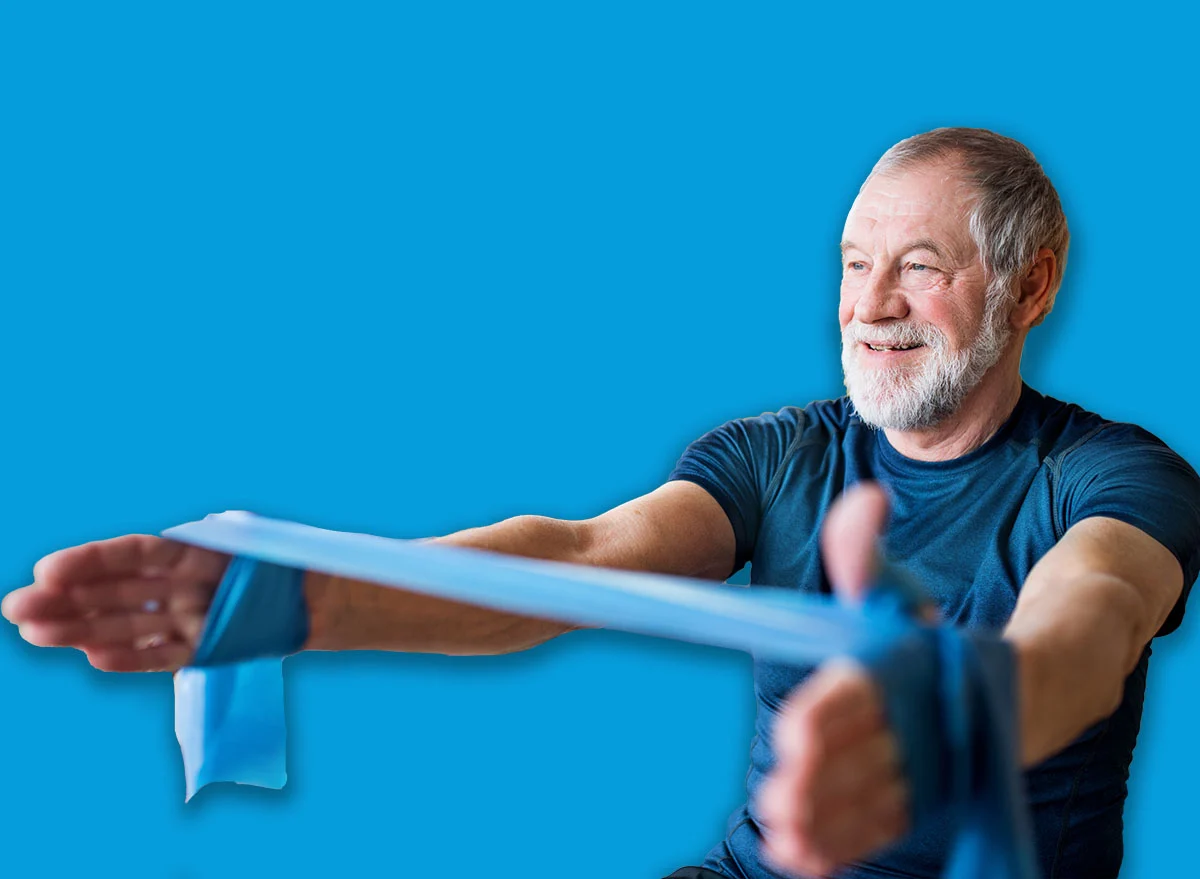
Despite their significant contribution to upper arm mass, the triceps are often underemphasized in favor of biceps training. The resistance band triceps press-down offers an excellent method to specifically target these muscles without imposing excessive stress on the elbows and shoulders, which can be a concern with traditional free weights. Resistance bands provide a unique form of progressive resistance, meaning the tension increases as the band is stretched, providing a smooth and consistent challenge throughout the entire range of motion. This constant tension is highly effective for muscle activation and growth. The portability and affordability of resistance bands mean this exercise can be performed virtually anywhere, eliminating the need for bulky gym equipment. Regular inclusion of the triceps press-down contributes substantially to developing stronger, more defined upper arms by directly addressing the largest muscle group in that region.
Balancing the Upper Body: Resistance Band Pull-Aparts
Achieving comprehensive upper arm definition and optimal posture requires more than just strong triceps; robust rear shoulders and upper-back muscles are equally vital. Resistance band pull-aparts are an indispensable exercise for strengthening these often-neglected posterior chain muscles. In a world where many daily activities involve movements in front of the body (e.g., typing, driving, carrying bags), muscular imbalances can develop, leading to rounded shoulders and poor posture. Pull-aparts directly counteract these tendencies by activating the rhomboids, trapezius, and posterior deltoids. By strengthening these supporting muscles, the exercise not only improves shoulder stability and overall postural alignment but also creates a more balanced and toned appearance across the entire upper body. Individuals frequently report feeling stronger and observing a more defined and upright stance after incorporating pull-aparts into their routine.
Progressive Triceps Challenge: Modified Chair Triceps Dips
While traditional triceps dips are often perceived as highly challenging and potentially strenuous for older adults, a modified version utilizing a chair or stable bench offers an exceptional bodyweight exercise for the back of the arms with reduced strain. The key to its effectiveness and safety lies in executing slow, controlled repetitions, focusing on maintaining tension in the triceps throughout the movement rather than relying on momentum. This deliberate approach protects the shoulders and ensures that the triceps are the primary movers. As strength progressively increases, individuals can gradually increase the range of motion, deepening the dip to intensify the challenge without needing additional weights. Modified chair dips are a testament to how bodyweight exercises, when performed with precision and control, can be among the most effective tools for building significant strength and definition in the triceps.
Integrated Upper Body Power: Overhead Resistance Band Press
Concluding an upper arm routine with an exercise that synergistically engages the shoulders and triceps, along with the upper back and core, provides a functional finish that mirrors many real-life movements. The overhead resistance band press is an excellent choice for this purpose. Unlike heavy dumbbell presses that can place considerable strain on the shoulder joint, using a resistance band provides a smooth, accommodating resistance that is gentler on aging joints. This exercise demands core engagement to stabilize the torso as the arms extend overhead, enhancing overall body control and functional strength. The ability to confidently reach overhead, whether to place items on a high shelf or retrieve something from an upper cabinet, is a crucial aspect of independent living. Consistent performance of the overhead resistance band press not only builds practical strength for these daily tasks but also contributes to the development of firmer, more capable arms and shoulders.
Implementing these exercises into a consistent weekly routine is paramount for seeing lasting results. Aim for two to three sessions per week, allowing a day of rest in between for muscle recovery. Start with a manageable number of repetitions and sets, perhaps 8-12 repetitions for 2-3 sets of each exercise, and gradually increase as strength improves. The beauty of bodyweight and resistance band training lies in its adaptability: as you get stronger, you can modify the leverage (e.g., foot position in wall push-ups), increase the band tension, or perform more repetitions and sets. Listen to your body, prioritize proper form over speed, and remember that consistency, coupled with intelligent exercise selection, is the most powerful tool for achieving and maintaining upper arm definition and enduring functional strength well beyond the age of 55. This strategic approach not only transforms physical appearance but also significantly enhances overall vitality and confidence.
About the Author